 Skip to content
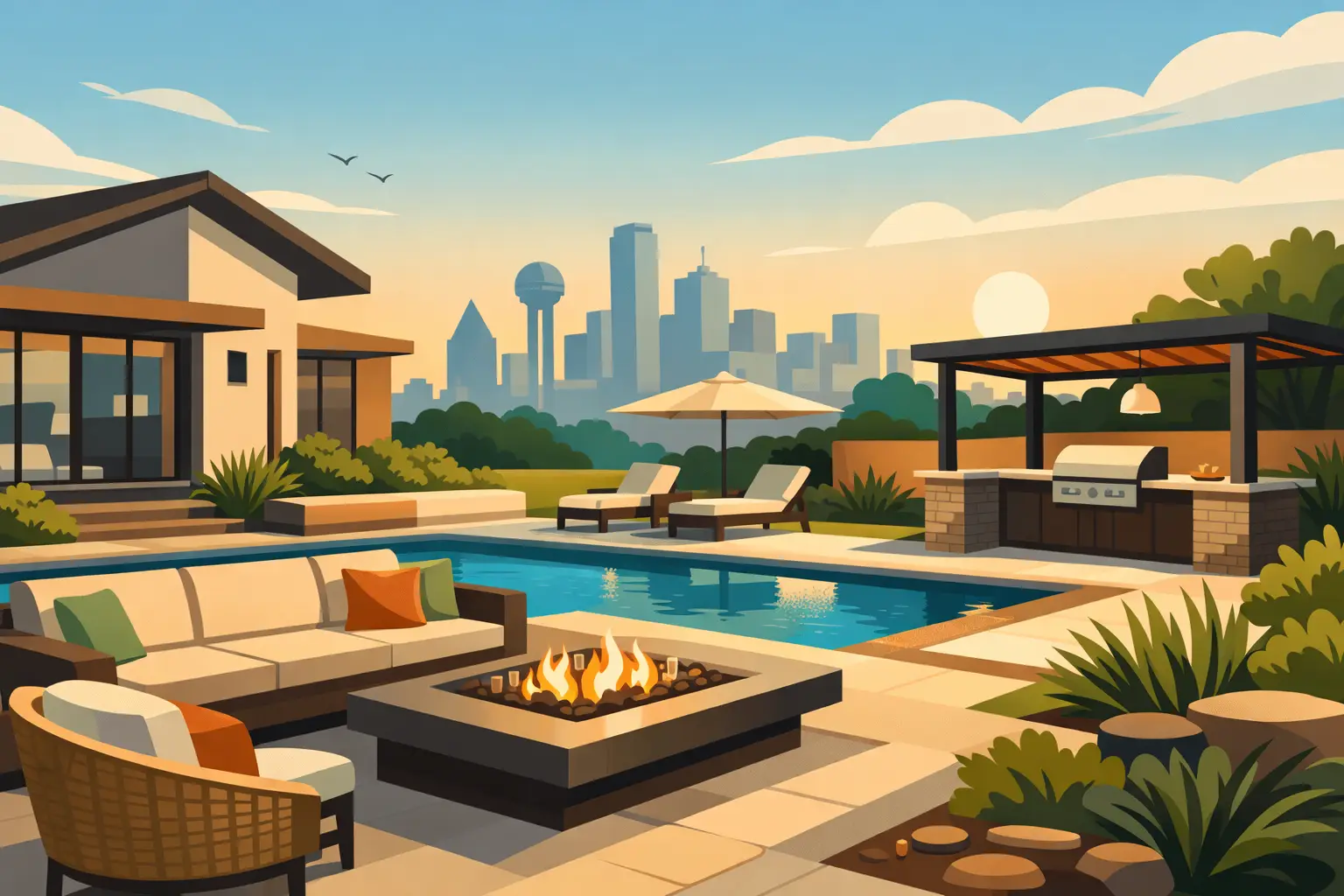
A great yard should not look its best only on the day it is finished. It should handle North Texas heat, kids, dogs, pool traffic, weekend cookouts, and the occasional hard rain without becoming another full-time job. That is what smart landscape design delivers: an outdoor space that looks polished, solves real property problems, and fits the way your family lives.
For Dallas homeowners, the best plans start with function instead of a pile of disconnected upgrades. Artificial grass, fresh sod, stone, patios, drainage, and planting beds all work better when they are planned as one complete space. The result is cleaner curb appeal, fewer maintenance headaches, and a backyard you can actually use.
Start Landscape Design With How You Use the Yard
Before choosing grass, pavers, or plants, look at what is happening in the yard now. Where do people walk? Which areas turn muddy? Does the dog wear a path along the fence? Is the patio too small for the furniture you use? Does the afternoon sun make one part of the backyard unusable?
Those answers should guide the plan. A family that hosts often may need a larger patio and a durable walkway from the house to the grill. A pool owner may need turf that stays neat around high-traffic areas, plus a drainage plan that moves water away from the deck. A golf enthusiast may want a putting green that feels like a true backyard feature rather than an awkward patch of turf in the corner.
This is also the time to decide where lower-maintenance materials make the most sense. Not every square foot needs the same surface. Natural sod can be a strong choice for an open lawn with proper sunlight and irrigation. Synthetic turf is often a better fit for narrow side yards, shaded areas, dog runs, play zones, and spaces that take constant foot traffic.
Design for Dallas Heat, Rain, and Soil
Dallas weather does not reward a one-size-fits-all yard. Long hot stretches can stress natural grass, while heavy rain can expose grading and drainage issues fast. Clay soil adds another challenge because it can hold water, shift, and create uneven areas over time.
A good plan accounts for all three from the start. Surface choices matter, but so does what sits underneath them. Proper base preparation, grading, edging, and drainage prevent many of the problems homeowners notice after a rushed installation: puddles by the patio, washed-out beds, sinking pavers, or turf that does not drain the way it should.
Drainage is not the most exciting part of a backyard upgrade, but it is one of the most valuable. If water collects near the home, under a gate, or along the edge of a patio, address it before adding expensive finishes. Depending on the property, the right solution may involve reshaping grades, installing a drain, adding gravel drainage zones, or directing runoff away from key areas.
Shade deserves the same level of attention. Large trees can make a yard more comfortable, but heavy shade limits the success of many sod varieties. Rather than repeatedly replacing struggling grass, consider artificial turf, a flagstone sitting area, mulch beds, or shade-friendly planting in the hardest-to-grow spots.
Build the Yard in Zones
The most usable backyards usually have clear zones. They do not need to feel formal or overdesigned. They simply give each part of the property a job.
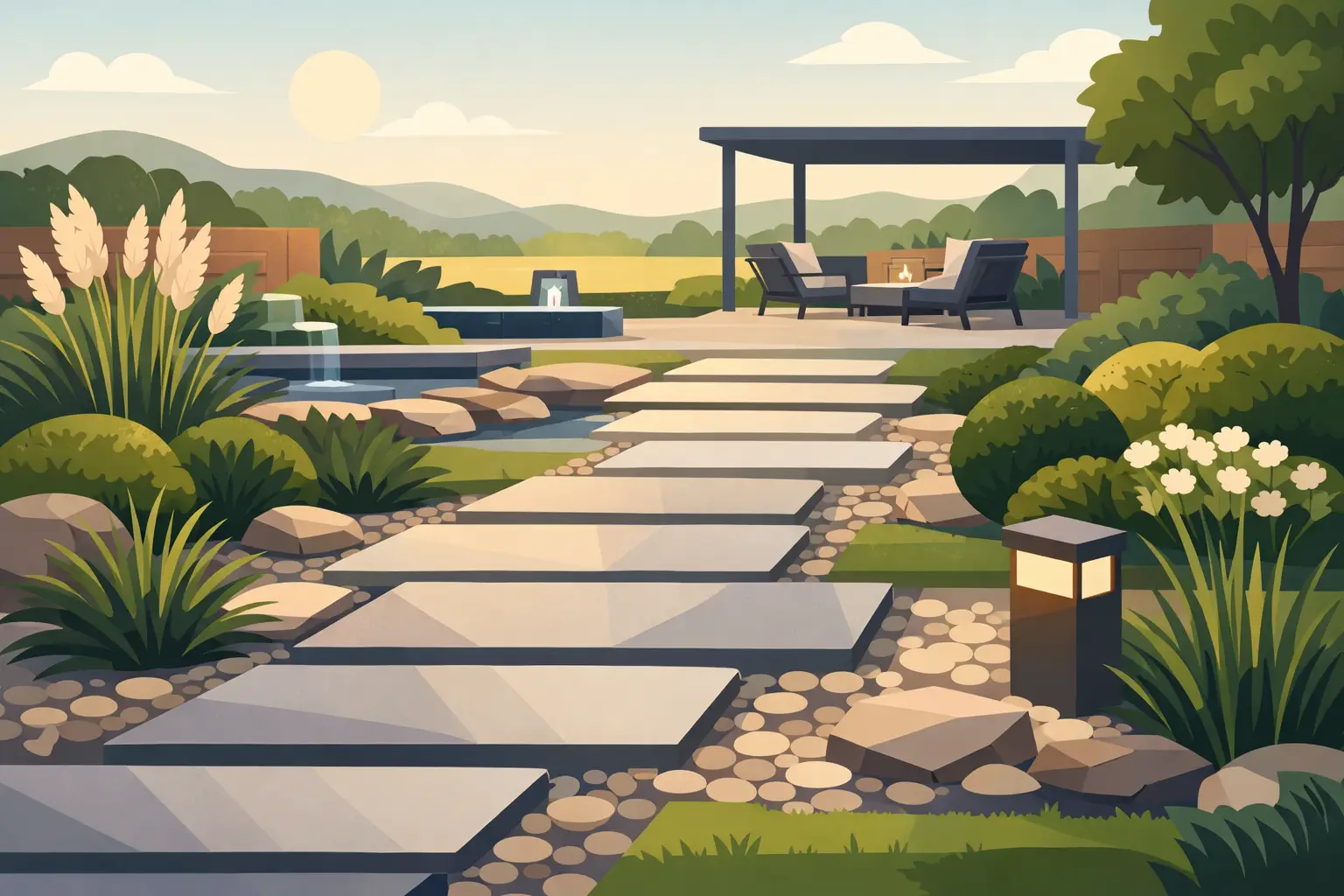
A patio or hardscape area can serve as the main gathering spot, with enough room for seating, a dining table, and a grill. A turf or sod lawn creates open space for kids, pets, and casual play. Planting beds soften the edges, add color, and help frame the house or fence line. Walkways connect those areas so people are not cutting through wet grass or wearing down the same path every day.
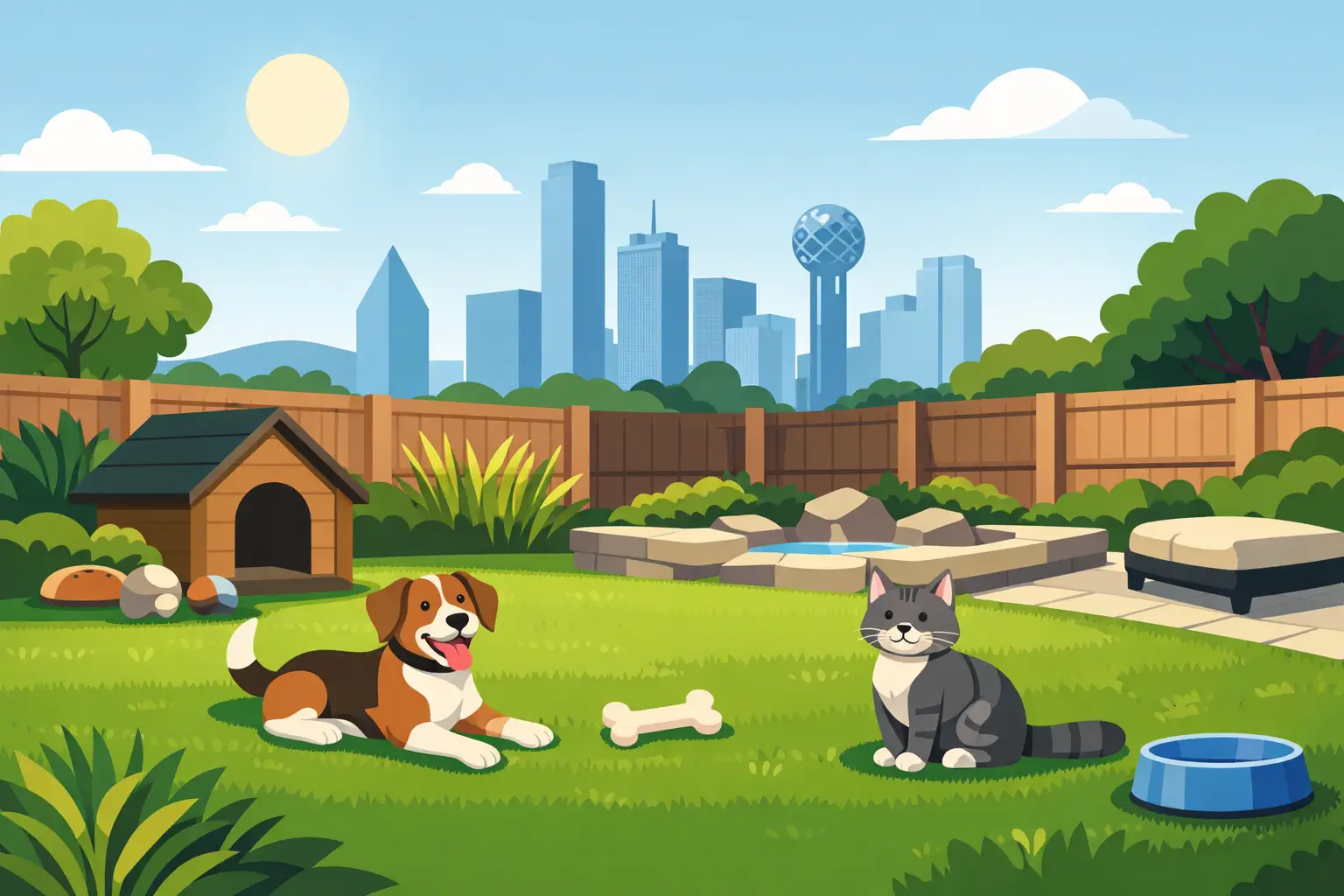
For smaller yards, combining zones is often the smart move. A compact patio can transition directly into artificial grass, creating a clean space for lounging and play without crowding the yard. For larger properties, separate areas can create more purpose: a putting green near the back fence, a dedicated dog area on one side, or a private seating space screened by beds and stonework.
The goal is not to fill every inch. Leaving room for open lawn, circulation, and future changes keeps the landscape from feeling cramped.
Choose surfaces for the job
Artificial turf provides a consistent green appearance with no mowing, watering, or mud. It is especially practical where natural grass fails or where a clean appearance matters year-round. Quality installation is critical, though. Turf needs a properly prepared base, secure edging, and drainage that can handle Texas storms. Pet owners may also benefit from an infill and drainage approach designed for odor control and easy cleanup.
Fresh sod gives an immediate natural lawn transformation and can be the right choice for homeowners who want the feel of real grass. It does require watering and ongoing care, particularly while roots establish. The trade-off is simple: sod delivers a living lawn, while turf delivers lower routine maintenance and dependable color in demanding spaces.
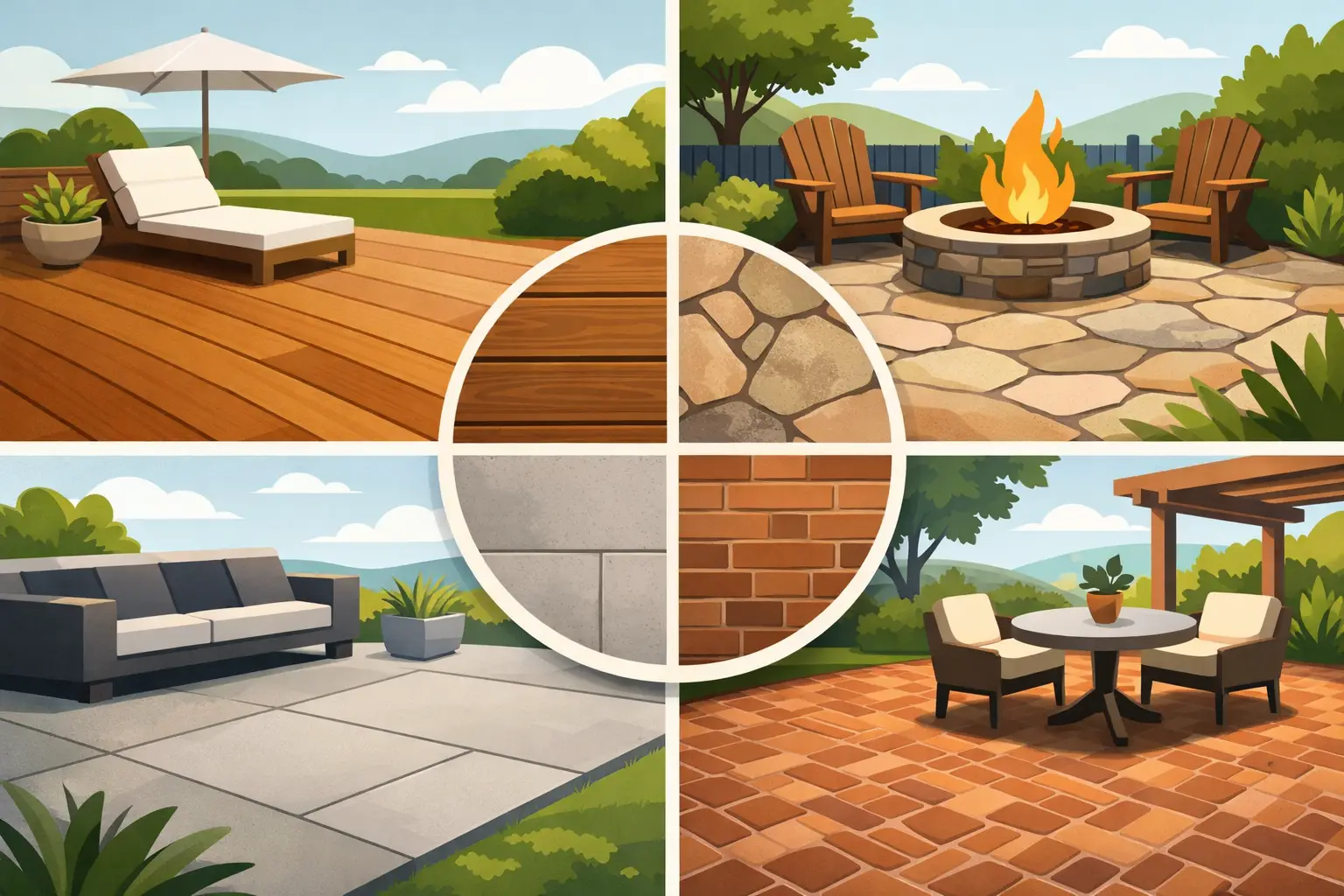
Stone, flagstone, pavers, and concrete hardscapes add structure. They are ideal for patios, pathways, fire pit areas, and transitions around pools. Material selection should match the home and the intended use. A beautiful stone surface still needs a solid base and proper slope to perform well over time.
Keep Planting Simple and Intentional
Plant beds should support the overall design, not create a maintenance burden. For many Dallas homes, a clean layout with defined borders and a manageable number of hardy plants looks better than a crowded collection of shrubs that quickly outgrow the space.
Use planting to solve visual problems. Beds can soften a long fence, create privacy near a patio, cover the edge where turf meets a wall, or add color near the front entry. Repeating a few plant types throughout the property usually looks more finished than using something different in every corner.
Mulch or decorative rock can help keep beds tidy, reduce weed pressure, and create contrast against green turf or sod. Rock is durable, but it can hold heat in sunny areas and is harder to change later. Mulch offers a softer, more natural look and supports soil health, though it needs occasional refreshing. The right choice depends on the location and how much maintenance you want to take on.
Make Curb Appeal Work as Hard as the Backyard
Landscape design is not only about the space behind the house. The front yard sets expectations before anyone reaches the front door. A neat sod lawn, defined beds, clean edging, and a purposeful walkway can change the look of a home quickly.
Focus on the areas people see first: the lawn from the street, the path to the entry, and the beds around the foundation. Avoid blocking windows, walkways, or house numbers with oversized plantings. If the front lawn has persistent bare spots due to traffic or shade, strategic turf sections or redesigned beds may create a more reliable long-term solution than reseeding the same areas every season.
Commercial properties benefit from the same thinking. An entrance that stays clean, green, and easy to navigate makes a stronger first impression on customers, tenants, and visitors. Durable surfaces and low-maintenance landscaping can also reduce the ongoing work required to keep the property presentable.
Do Not Treat Installation as an Afterthought
The difference between a yard that holds up and one that creates headaches often comes down to the work below the finished surface. Proper excavation, base materials, compaction, grading, drainage, and edging are not visible in the final photo, but they protect the investment.
That is why it pays to work with a specialist who can look at the whole property rather than installing one surface in isolation. Sod Green helps Dallas-area homeowners bring turf, sod, hardscape, drainage, and landscape features together in a plan that is built for real use and completed with a clean job site in mind.
A practical landscape plan does not have to happen all at once. Start with the problem that affects the property most, whether that is mud, poor drainage, dead grass, or an unusable patio. Then build the next phase around a clear vision, so every improvement has a place and your yard gets better with each step.



Leave A Comment