 Skip to content
A commercial lawn conversion is not just a cosmetic upgrade. For Dallas property owners and managers, it can reduce recurring maintenance, improve curb appeal, solve bare spots and drainage trouble, and create an outdoor area that looks cared for every day of the week.
That matters when your landscape is part of the customer experience. A patchy entry lawn, muddy pet area, dead grass around a pool, or worn path between parking and a building sends the wrong message before someone ever walks through the door. The right conversion replaces that ongoing headache with a surface built for how the property is actually used.
What a Commercial Lawn Conversion Can Solve
Commercial landscapes take more abuse than most residential yards. Foot traffic is heavier, irrigation is often inconsistent, and maintenance crews may have only a short window to mow, edge, fertilize, and clean up. In North Texas, intense heat, clay soil, drought restrictions, and sudden heavy rain add another layer of difficulty.
A lawn conversion starts by identifying why the existing lawn is failing. Sometimes the answer is poor drainage or compacted soil. Sometimes the issue is too much shade, too much traffic, or an irrigation layout that cannot keep up with the summer heat. Replacing grass without correcting the underlying condition only moves the problem forward.
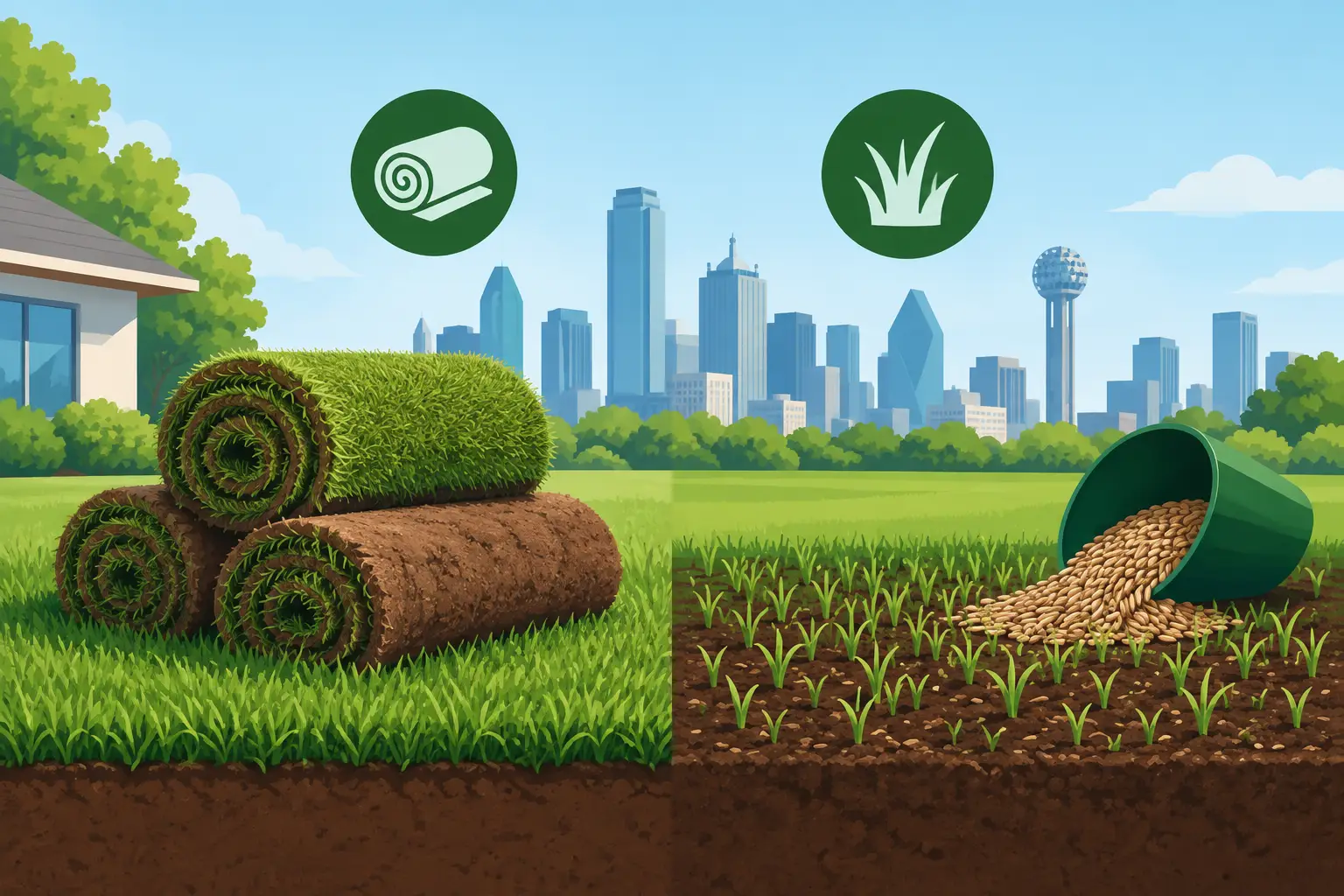
For many properties, the best solution is a targeted combination of artificial grass, fresh sod, stone, mulch beds, walkways, edging, and drainage improvements. A full conversion is not always necessary. High-traffic zones may benefit from synthetic turf while visible open areas receive new sod. Areas that never grow grass well may be better converted to hardscape or low-maintenance landscape beds.
Choose the Right Surface for the Property
The best commercial lawn conversion depends on the site, the budget, and how the space needs to perform. There is no one material that fits every office complex, retail center, multifamily community, school, or hospitality property.
Artificial Turf for High-Use Areas
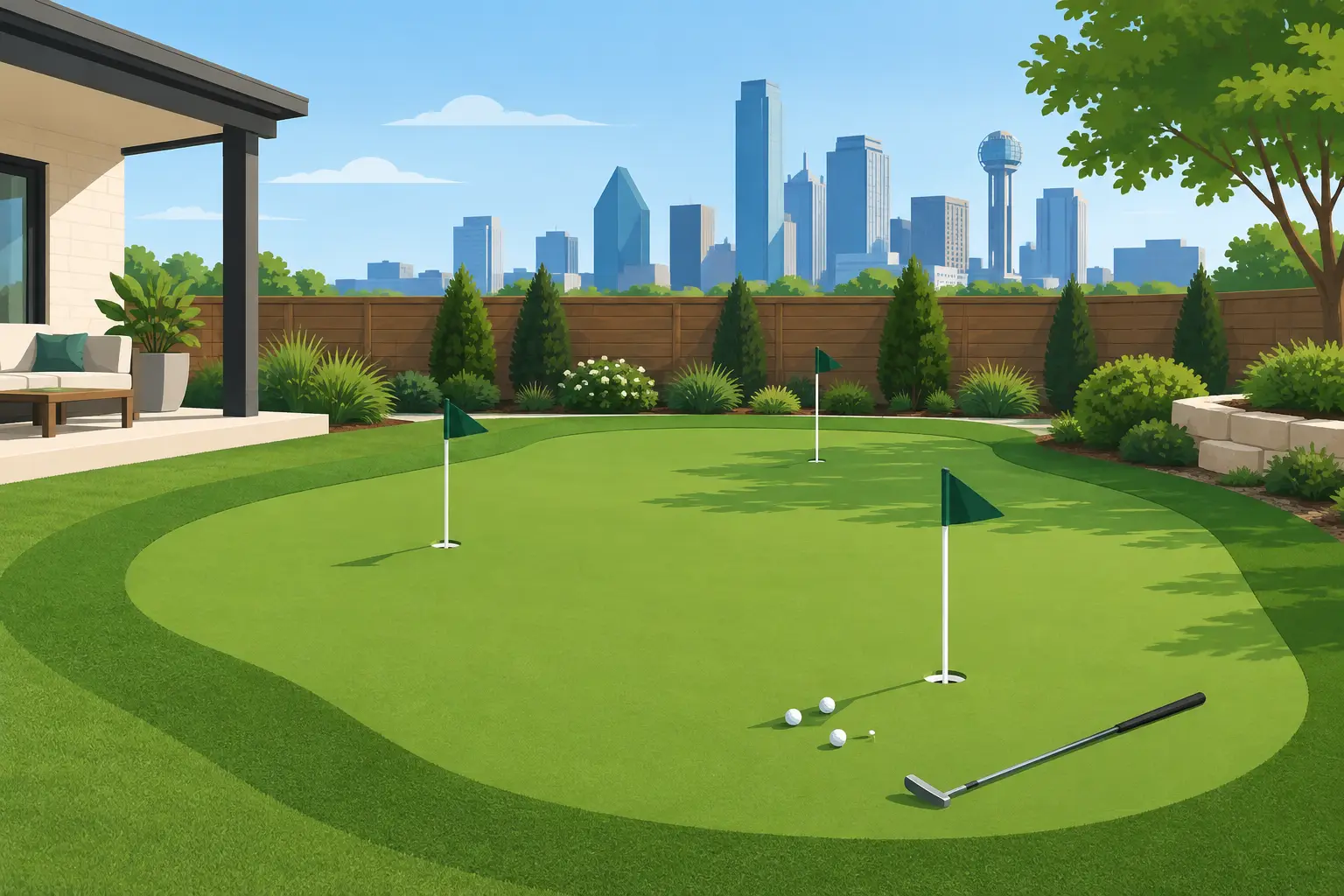
Artificial grass is a strong fit for spaces where appearance needs to stay consistent with minimal weekly upkeep. It works especially well at building entrances, leasing offices, dog relief areas, rooftop or courtyard spaces, pool surrounds, and narrow strips that are difficult to mow.
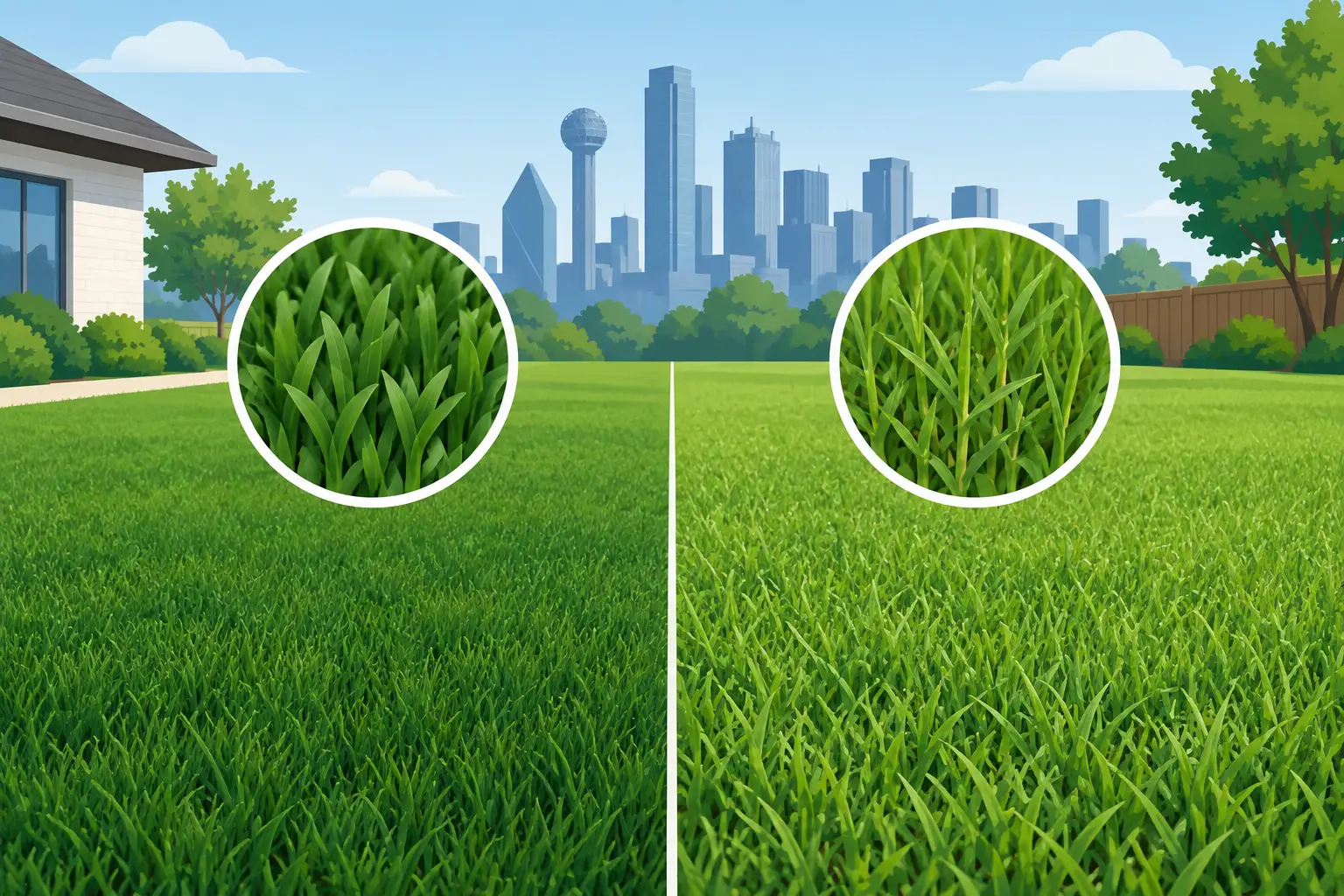
Quality synthetic turf does not need mowing, watering, fertilizing, or reseeding. It can stay green through a Dallas summer when natural grass is stressed or dormant. It also creates a cleaner surface in locations where foot traffic quickly wears out sod.
There are trade-offs. Artificial grass costs more upfront than basic sod, and it can feel warmer in direct sunlight during hot weather. Proper base preparation and drainage are essential. Turf installed over an uneven or poorly draining base will not perform the way it should, no matter how good the product looks in a sample.
Sod for a Natural, Immediate Upgrade
Fresh sod delivers a fast visual change while preserving the look and feel of a natural lawn. Bermuda sod is a dependable option for sunny, active spaces, while St. Augustine may be a better fit in areas with more shade. The right choice depends on sunlight, watering capability, maintenance plans, and expected traffic.
Sod generally has a lower initial cost than artificial turf, but it requires ongoing irrigation, mowing, edging, and seasonal care. For commercial properties with a reliable maintenance program and adequate water coverage, sod remains a smart investment. It gives a polished result quickly and can improve the appearance of a property that has been struggling with thin or damaged grass.
Stone, Hardscape, and Landscape Beds Where Grass Fails
Some areas should not be lawn at all. Tight side yards, slopes, utility zones, outdoor seating areas, and heavily traveled shortcuts often become maintenance problems because grass was never the right material for the location.
Flagstone, pavers, decomposed granite, gravel, retaining walls, and defined planting beds can turn those problem areas into functional features. A well-designed walkway helps direct foot traffic instead of asking people to walk across grass. Decorative stone can reduce mud around equipment or parking areas. Retaining walls can manage grade changes while creating cleaner planting zones.
The goal is not to cover every inch of land with a single material. It is to use durable surfaces where they make sense and create a finished landscape that is easier to maintain.
Start With Drainage and Site Preparation
A clean installation starts below the surface. Before any turf, sod, or stone is installed, the crew should evaluate slope, water flow, soil condition, irrigation heads, and existing utility locations. This is where a commercial conversion either becomes a long-term improvement or a short-term cover-up.
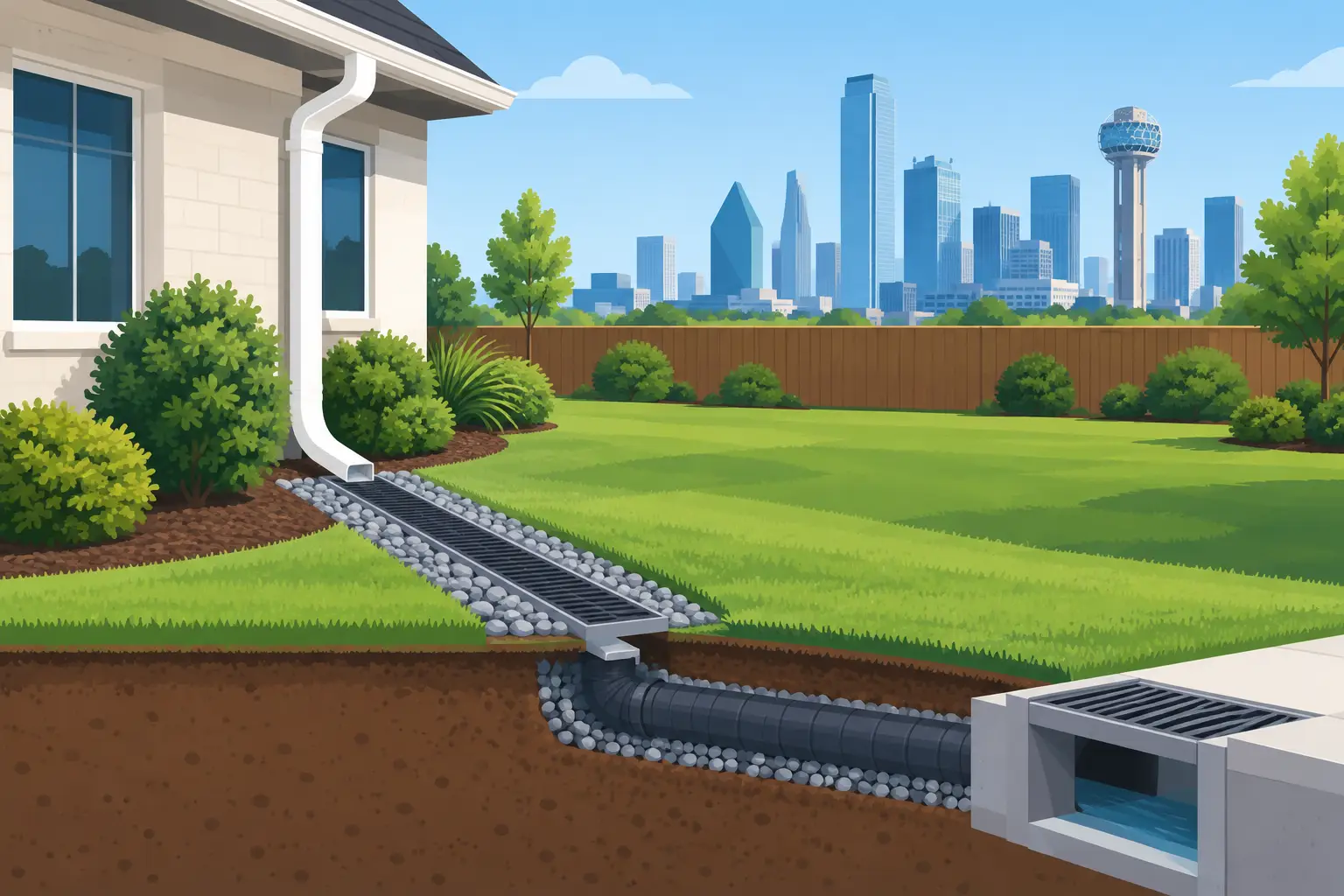
Standing water near entrances, downspouts that drain into lawn areas, and low spots near foundations should be addressed early. Depending on the property, the work may include grading, catch basins, channel drains, French drains, or adjustments to the existing irrigation system. The right drainage plan protects the new surface and helps keep water moving away from structures.
For artificial turf, proper excavation, compacted aggregate base material, weed barrier where appropriate, and carefully finished edges create the foundation for a level, durable result. For sod, the soil may need to be regraded, amended, and cleared of old roots, weeds, and debris before installation. Cutting corners at this stage usually leads to uneven surfaces, weak sod rooting, puddles, or premature wear.
Plan for Operations, Not Just Installation Day
Commercial projects need to work around business hours, tenants, customers, deliveries, and access routes. A good contractor plans the job so crews can protect active areas, keep materials organized, and leave the site clean at the end of each workday.
Before the project begins, determine where equipment and material will be staged, how pedestrians will be redirected, and whether work should happen in phases. For a retail storefront or medical office, keeping entrances clear may be the top priority. For an apartment community, phasing work by courtyard or building can reduce disruption for residents. For a school or church, scheduling during lower-traffic periods can make the project smoother.
It also helps to define who will maintain the landscape after installation. New sod needs watering and attention while it establishes. Artificial grass needs occasional rinsing, debris removal, and brushing in active areas. Stone and planting beds still benefit from periodic weed control and cleanup. Low maintenance does not mean no maintenance, but it should mean less wasted time and fewer emergency calls.
What Affects Commercial Lawn Conversion Cost
Commercial landscaping estimates vary because every property has different conditions. Square footage matters, but it is only one piece of the price. Access for equipment, demolition of old grass or concrete, grading needs, drainage work, material selection, edging, irrigation changes, and the complexity of the design all affect the final scope.
A simple sod replacement on a level, accessible lawn will cost less than a conversion that includes drainage correction, synthetic turf, stone borders, and new hardscape. Spending more on base work or drainage can be the right decision when it prevents repeated repairs later. The lowest initial bid is not always the lowest long-term cost.
The most useful estimate clearly explains what is being removed, what materials are being installed, how the site will be prepared, and what cleanup is included. That level of detail helps property owners compare proposals fairly and avoid surprises after work begins.
Work With a Commercial Landscape Specialist
Commercial lawn conversion requires more than dropping off sod or rolling out turf. It takes a crew that understands drainage, grade, surface preparation, installation methods, and the need to keep a working property orderly throughout the job.
Sod Green helps Dallas-Fort Worth property owners create cleaner, more durable outdoor spaces with artificial grass, sod, drainage solutions, stonework, patios, walkways, and complete landscape installation. The right plan can refresh a tired property quickly while reducing the maintenance burden that comes with struggling grass.
If your lawn is costing more time and attention than it is worth, start with an on-site assessment of the areas that fail most often. A smart conversion does not just make the property look better on opening day. It gives your team a landscape that is easier to manage long after the installation crew has cleaned up and left.


Leave A Comment