 Skip to content
A Dallas rainstorm can expose a problem that looked harmless the day before. Water collecting beside the foundation, a soggy side yard, or a patio that stays slick for days is more than an inconvenience. Proper yard drainage moves water where it belongs, protecting your lawn, hardscape, and home from expensive damage.
In North Texas, drainage problems are common because many properties have compacted clay soil, fast-moving rainwater, and flat or poorly graded areas. The right fix is not always a simple trench or a load of gravel. A drainage system needs to match the way water enters, travels across, and leaves your property.
What Yard Drainage Is Designed to Do
A well-planned drainage system collects excess water and directs it to an appropriate discharge point away from your home. That may mean moving roof runoff from downspouts, catching water in a low area, or reshaping the grade so rainfall naturally drains away from the house.
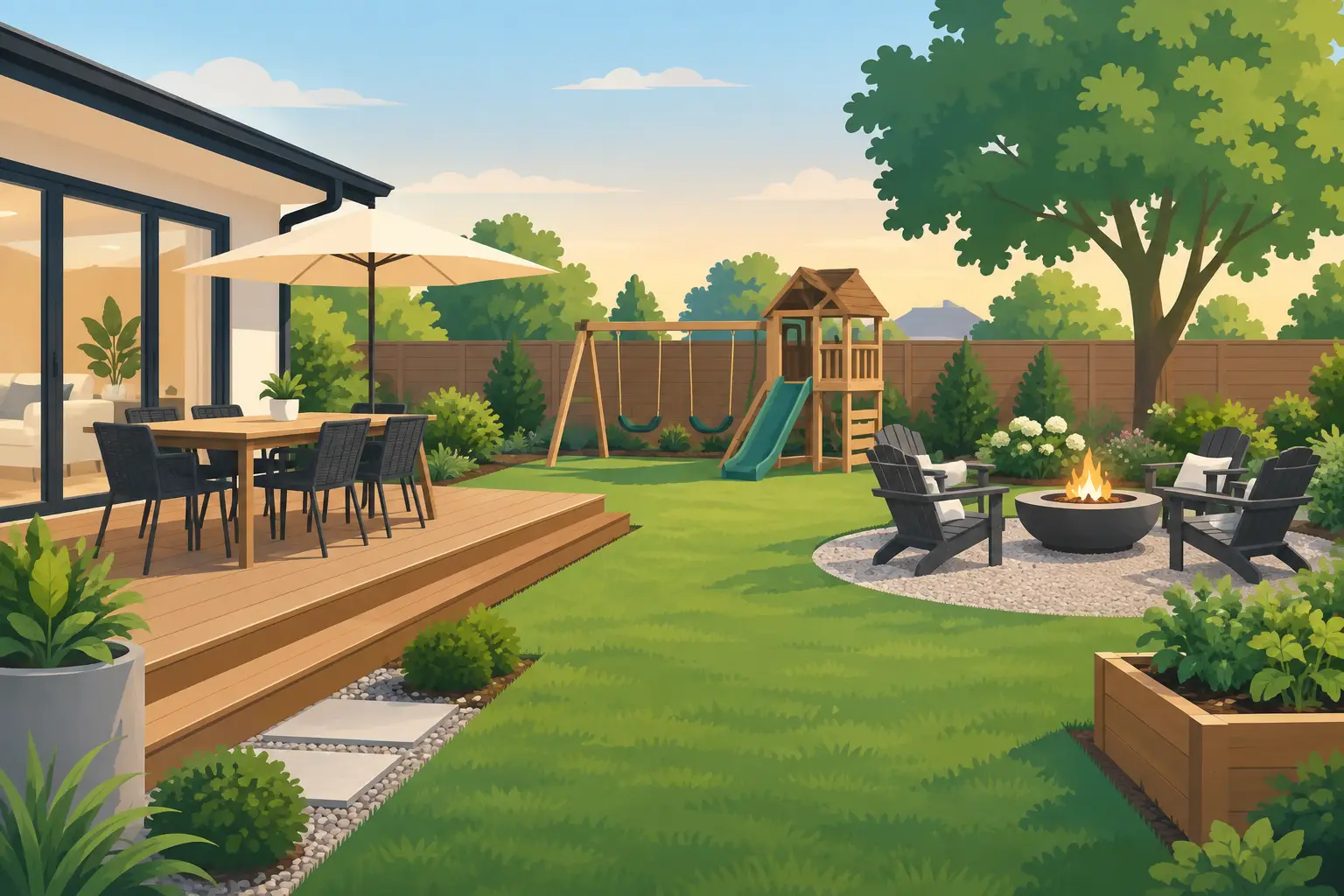
The goal is controlled water flow. Water should not sit against your foundation, pool on a walkway, wash soil out of flower beds, or turn a usable backyard into mud after every storm. Good drainage also protects landscape investments. Fresh sod, artificial turf, flagstone patios, retaining walls, and putting greens all perform better when the base beneath them stays stable and dry.
Drainage is especially important around artificial grass. Quality turf systems are built to drain, but water still has to go somewhere after it passes through the surface. If the underlying area has no outlet or the surrounding grade pushes runoff toward the turf, even a premium installation can develop soft spots or standing water.
Signs Your Yard Has a Drainage Problem
Some drainage issues are obvious. Others build slowly until they affect the lawn, foundation, or hardscape. Watch what happens during a heavy rain and again 24 to 48 hours later. That tells a much clearer story than looking at a dry yard.
Standing water that remains for more than a day is a clear warning sign. So are muddy areas that never seem to firm up, bare grass patches, washed-out mulch, and water stains on the lower part of exterior walls. If water runs toward your home, pools near an AC unit, or spills across a patio, it needs attention.
Inside the house, drainage problems can show up as musty odors, moisture in a garage, cracks that worsen over time, or doors that begin sticking. Those concerns do not always come from exterior drainage, but they are worth investigating. Texas soils expand when wet and shrink when dry, so keeping moisture around the foundation more consistent can help reduce stress on the structure.
Start With the Source and the Slope
The most effective yard drainage work begins by identifying where the water starts. Roof runoff is often the biggest contributor. During a strong storm, one downspout can discharge a surprising amount of water directly into a small area next to the home.
A simple downspout extension may solve a minor issue when there is a safe place for the water to drain. On a tighter lot or a property with poor slope, runoff may need to enter a buried drain line and travel to a lower part of the yard or another approved outlet. The discharge location matters just as much as the pipe itself. Sending water from one problem area into a neighbor’s yard is not a solution.
Grading is the next piece. Ideally, the soil and finished landscape should slope away from the house so water does not linger at the foundation. Small grade adjustments can make a major difference, particularly around patios, turf edges, and planting beds. But grading is not a cure-all. If the property is largely flat or has a low point with nowhere to drain, the project may need a collection system as well.
Common Yard Drainage Solutions
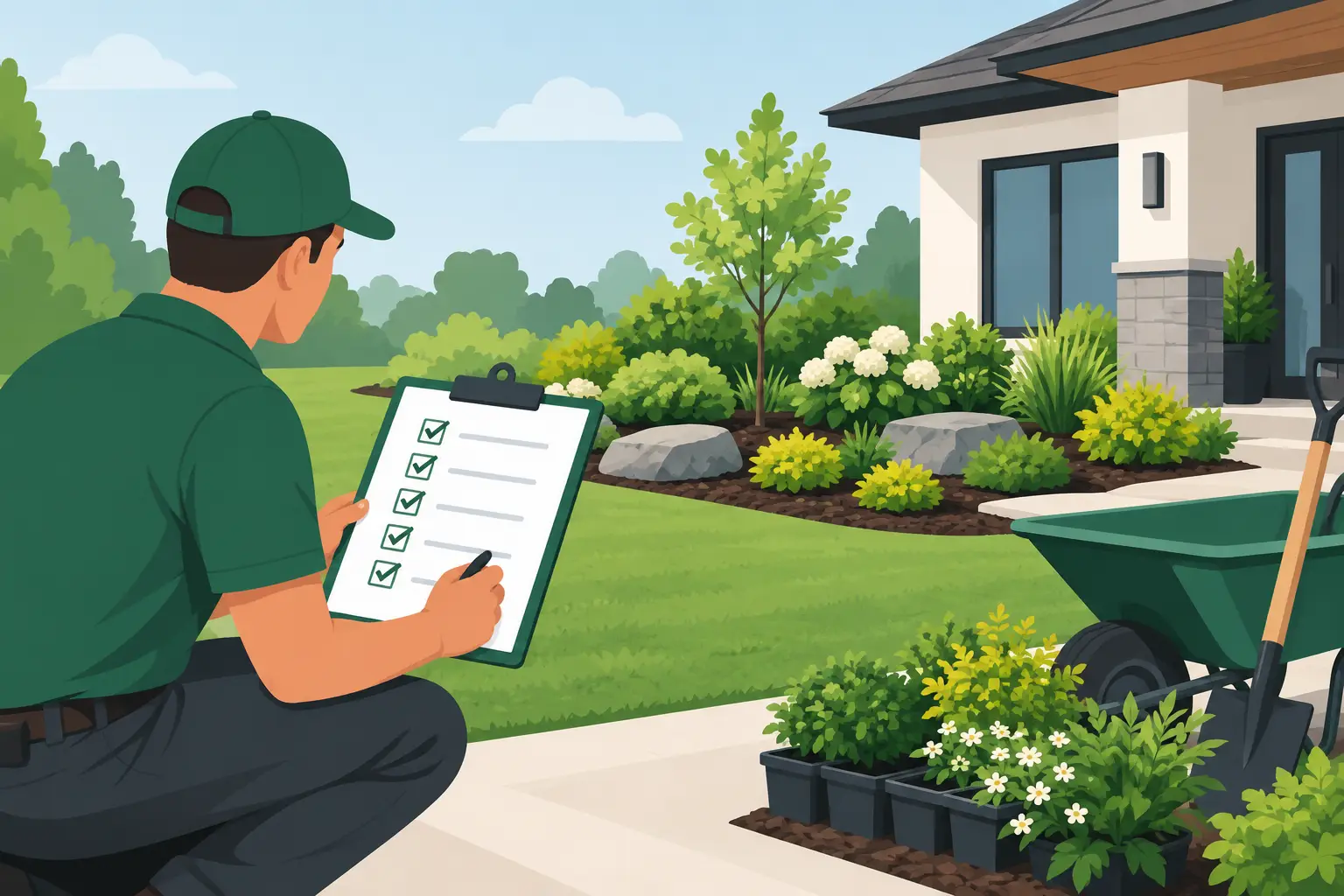
The right system depends on the property. A professional assessment should consider the lot elevation, roof runoff, soil type, existing landscaping, utility locations, and the amount of water the system must handle.
French Drains for Saturated Soil
A French drain is a perforated pipe installed in a gravel-filled trench. It collects water moving through saturated soil and directs it away from problem areas. This can work well along a persistently wet side yard, at the base of a slope, or near a lawn area that stays soft after rain.
French drains are useful, but they are often misunderstood. They are designed to manage water below the surface, not act as a catch-all for large volumes of water rushing across the yard. If surface runoff is the main issue, a French drain may need to be paired with catch basins or grading improvements.
Catch Basins for Low Spots
A catch basin is installed at a low point where surface water collects. Water enters through a grate and flows through solid pipe to an approved outlet. This is a practical option for areas near patios, pool decking, walkways, or turf where standing water forms quickly.
Catch basins need enough capacity for the area they serve. A small basin and undersized pipe can become overwhelmed in a Texas downpour. They also need accessible grates so leaves, mulch, and debris can be cleaned out before they block the system.
Channel Drains for Patios and Pools
Channel drains are long, narrow drains installed along the edge of a hard surface. They are common where a patio meets the home, beside a pool deck, or across a driveway transition. Instead of letting water sheet across the surface toward the house, the drain intercepts it and sends it into a pipe system.
This option is clean and effective when installed at the correct elevation. It is often part of a larger hardscape project because the surrounding surface may need to be removed or adjusted to create the proper slope toward the channel.
Swales and Grading for Natural Flow
A swale is a shallow, shaped channel that guides rainwater across the property. It can be subtle enough to blend into a lawn or landscape bed while reducing pooling in a low area. Combined with proper grading, a swale can move water without relying entirely on buried pipe.
This approach can be cost-effective on properties with enough room and a clear route for runoff. It may be less practical in small backyards, where every inch is being used for a patio, turf, play area, or pool.
Drainage Before Sod, Turf, or Hardscape Installation
The best time to address drainage is before installing new outdoor surfaces. It is much easier and more cost-effective to install drain lines, catch basins, and proper base materials before fresh sod is laid or artificial turf is secured.
For sod, drainage helps roots establish in soil that is moist but not waterlogged. For artificial grass, proper grading and a compacted, permeable base help water pass through the turf and away from the surface. Hardscape work requires the same attention. A beautiful flagstone patio will not stay beautiful if water settles beneath it, shifts the base, or drains against the home.
A full-service installation team can coordinate these elements so the finished yard looks intentional rather than patched together. At Sod Green, drainage planning can be incorporated into turf, sod, and hardscape projects to help protect the work from day one.
Do Not Rely on Quick Fixes Alone
Adding topsoil to a low spot may help temporarily, but it can also create a new slope that sends water somewhere worse. Gravel placed in a muddy area may look like a drainage fix, yet gravel without a pipe, fabric, or exit path often just becomes a muddy gravel pit.
Store-bought drain pipe can also disappoint when it is installed too shallow, without enough slope, or with no suitable place for water to discharge. Drainage is not only about digging a trench. It is about creating a complete route from collection to discharge.
Before any digging begins, utilities should be located, and the plan should account for irrigation lines, tree roots, fences, gates, and existing landscaping. A clean installation protects the rest of the property instead of solving one water problem by creating three more.
When to Call a Drainage Professional
Professional help is a smart move when water reaches the foundation, crosses a patio or pool deck, repeatedly kills grass, or remains in the yard long after rain stops. It is also worth calling an experienced installer before investing in a major turf, sod, or hardscape project.
A good drainage evaluation should focus on the actual path of the water, not just the wettest spot. The visible puddle may be the end result of roof runoff, poor grading, blocked drainage, or water moving underground through heavy clay soil. The best repair treats the cause and gives water a dependable route out.
A dry, usable yard starts with water moving in the right direction. Address the drainage first, and every improvement that follows has a stronger foundation.



Leave A Comment