
A beautiful pool can still feel unfinished when the area around it is muddy, patchy, or worn down by constant foot traffic. Pool deck turf gives Dallas homeowners a clean, green surface around the water without the mowing, bare spots, and grass clippings that can end up in the pool after every weekend swim.
For families, pets, and homeowners who use their backyard as an outdoor gathering space, artificial grass can make the pool area look more polished while cutting down on routine upkeep. The key is installing the right turf system with proper drainage, secure edges, and materials selected for Texas heat.
Why Pool Deck Turf Makes Sense in Dallas
Natural grass struggles around many pools. Chlorine splash, heavy foot traffic, shade from the house, and water running off the deck can leave thin, muddy areas that are hard to keep healthy. Those bare spots do not just affect curb appeal. They also create a mess that gets tracked into the pool and back inside the house.
Pool deck turf replaces that problem area with a durable, finished surface. It stays green through long North Texas summers, does not need weekly cutting, and eliminates the need to water a small strip of grass just to keep it alive. For homeowners who are already investing in a pool, patio, outdoor kitchen, or fire pit, turf helps the entire backyard feel intentional instead of pieced together.
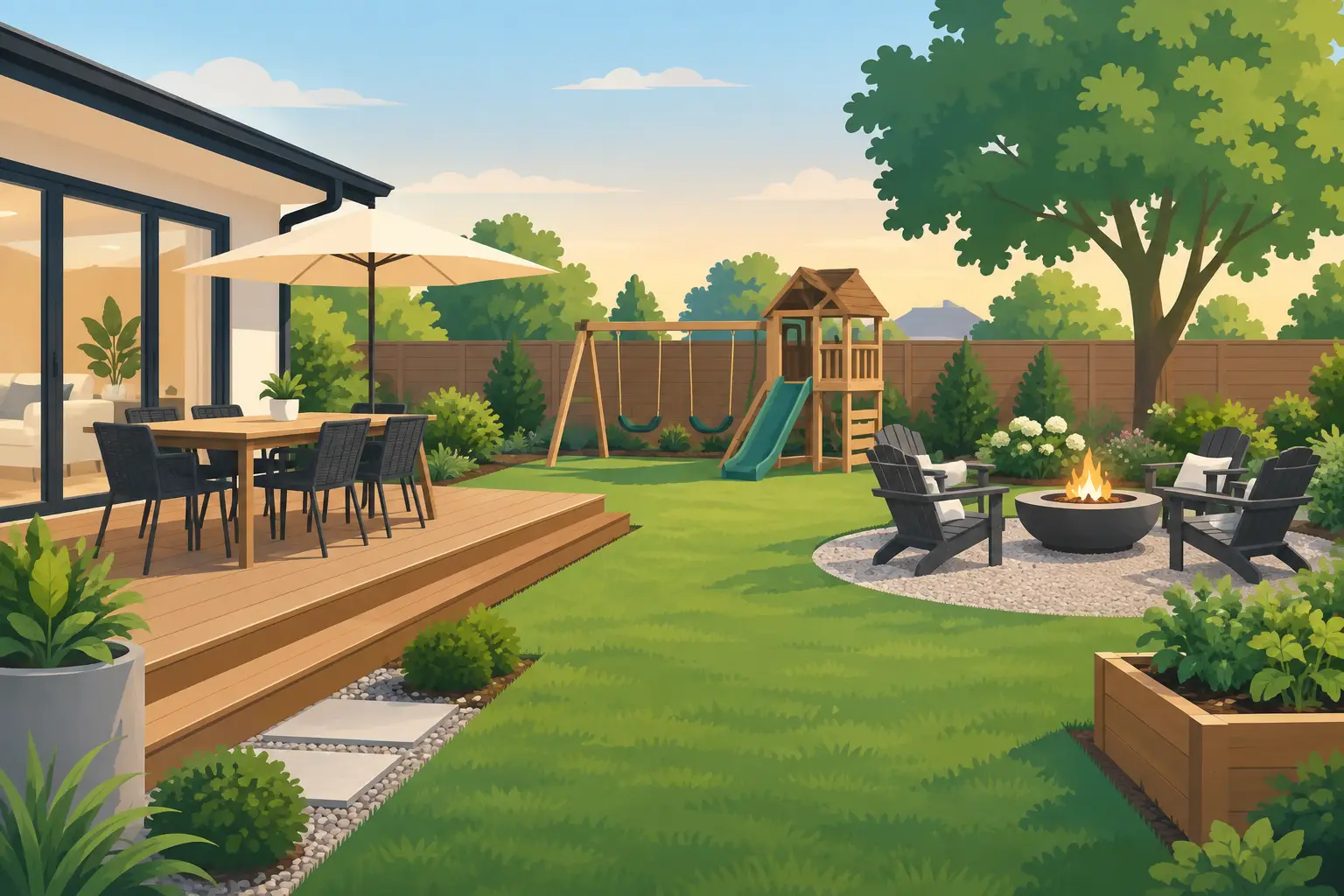
It is especially useful in the transition zones around a pool. Turf can soften the edge between concrete and landscape beds, fill narrow side yards, frame paver walkways, or create a play area where kids can move away from the water. The result is a backyard that is easier to enjoy and easier to maintain.
Less mess in and around the water
A traditional lawn near a pool creates a steady supply of dirt, clippings, and loose grass. After rain, swimmers can carry mud across the deck and into the water. After mowing, clippings blow into the skimmer baskets and collect along the coping.
Artificial turf helps control that mess. A properly prepared base drains efficiently and keeps the surface stable underfoot. Since there is no soil at the surface, there is far less mud to track around the pool. Homeowners still need to rinse off feet and keep up with normal pool cleaning, but the lawn is no longer adding to the workload.
A cleaner look through every season
Dallas heat, drought restrictions, and sudden weather swings are tough on natural grass. Poolside grass often becomes the first area to show stress because it receives constant use and irregular moisture. Turf maintains a consistent color and texture without relying on a watering schedule.
That consistency matters when you are looking out from the kitchen, hosting friends, or preparing to sell your home. A well-installed turf area can make older concrete, pavers, and landscape features look more finished without requiring a full backyard rebuild.
Choosing the Right Turf for a Pool Area
Not every artificial grass product belongs around a pool. The best choice depends on how you use the space, how much direct sun it receives, whether pets use the yard, and how the turf will connect to existing hardscape.
For most pool areas, a medium-height turf with a natural color blend works well. It looks clean without being overly plush, stands up to traffic, and is easier to rinse when needed. A high-quality backing and a durable infill are just as important as the blades you see on top. The system beneath the turf is what supports drainage, stability, and long-term performance.
Heat is a real consideration
Artificial turf can get hot in direct summer sun. That is a fair trade-off to consider before choosing any pool deck turf, especially in Dallas-Fort Worth where July and August temperatures can be intense. Concrete, stone, and pavers can also become hot, so the goal is to plan the entire outdoor space with comfort in mind.
Shade structures, umbrellas, trees, and covered patios can help. Rinsing the turf with a hose before guests arrive can cool the surface quickly. Lighter-colored turf fibers may also reduce heat buildup compared with darker products. If a particular area gets full sun all day and is used mainly for bare-foot lounging, pavers or stone may be the better surface in that specific spot.
A good design does not force turf everywhere. It uses turf where it improves the space and pairs it with hardscape where hardscape performs better.
Drainage cannot be an afterthought
Water has to go somewhere. Pool splash, rain, deck runoff, and landscape irrigation can all affect the area around the pool. If the base is poorly prepared or the grade sends water toward the house, even the best turf product will not solve the underlying issue.
Professional installation begins with evaluating the existing surface and drainage path. The crew may need to remove failing grass, level the area, build a compacted base, and create the right slope for runoff. In some yards, drains, edging, or adjacent hardscape work may be needed to manage water correctly.
This is one reason homeowners should be careful with quick DIY turf installs around pools. The visible grass is only the final layer. A stable, draining base is what prevents soft spots, wrinkles, shifting edges, and standing water after a Texas storm.
Where Turf Works Best Around a Pool
Pool deck turf is not limited to a large rectangular lawn. Some of the strongest results come from using it in targeted areas that solve a clear problem.
Turf works well between stepping stones, along fence lines, around lounge areas, and beside a patio where grass will not grow. It can also create a clean path from the back door to the pool, reducing mud and worn-out trails. Narrow strips between a pool deck and property line are another common use, especially when they are difficult to mow and collect debris.
For families, a turf play zone can give kids a softer place to sit, run, and dry off. For pet owners, it can create a defined area that is easy to pick up and rinse. If dogs use the space regularly, the installation should include pet-friendly drainage and odor-control planning rather than treating it like a standard decorative lawn.
Homeowners who want a more custom look can combine turf with flagstone, pavers, decorative rock, retaining walls, or a backyard putting green. These combinations add definition while keeping the yard functional. The right layout also gives service crews access to pool equipment and prevents turf from blocking drainage channels or utility covers.
What a Professional Installation Should Include
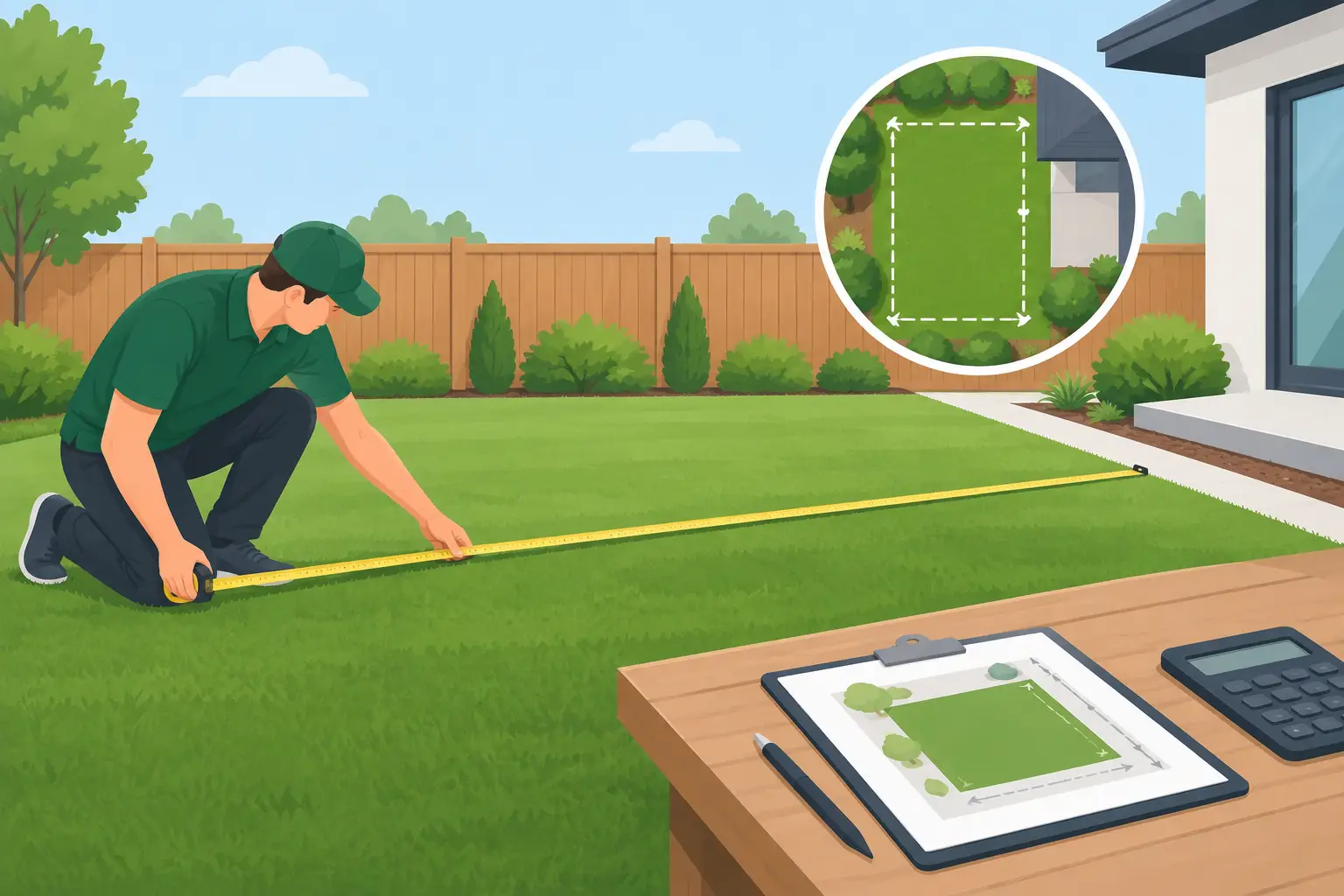
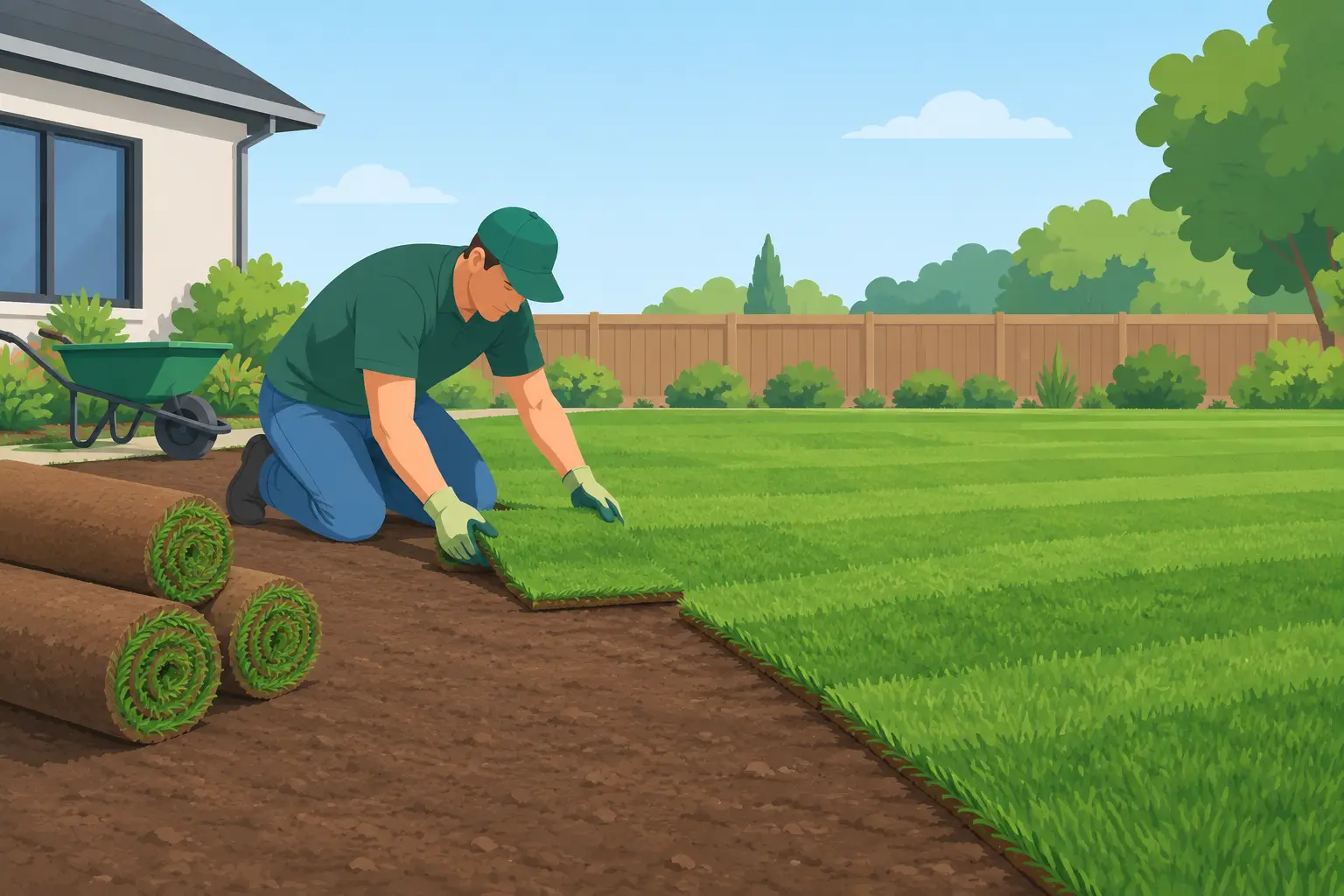
A clean finished look starts with careful preparation. The old grass, loose soil, roots, and debris need to be removed so the new surface has a solid foundation. The area is then graded and compacted to create a smooth, stable base that supports drainage.
Next, the turf is measured, cut, secured, and seamed carefully around curves, coping, pavers, and other features. Poor seams and weak edges stand out quickly, particularly around a pool where the surface is always visible. Professional installers take the time to make cuts tight, keep blade direction consistent, and anchor the perimeter so the turf stays in place.
The job should also end cleanly. Excess material, base debris, and installation waste should not be left behind for the homeowner to deal with. At Sod Green, the goal is to provide a finished outdoor surface that looks right from day one and holds up to real backyard use.
Simple Care for Poolside Artificial Grass
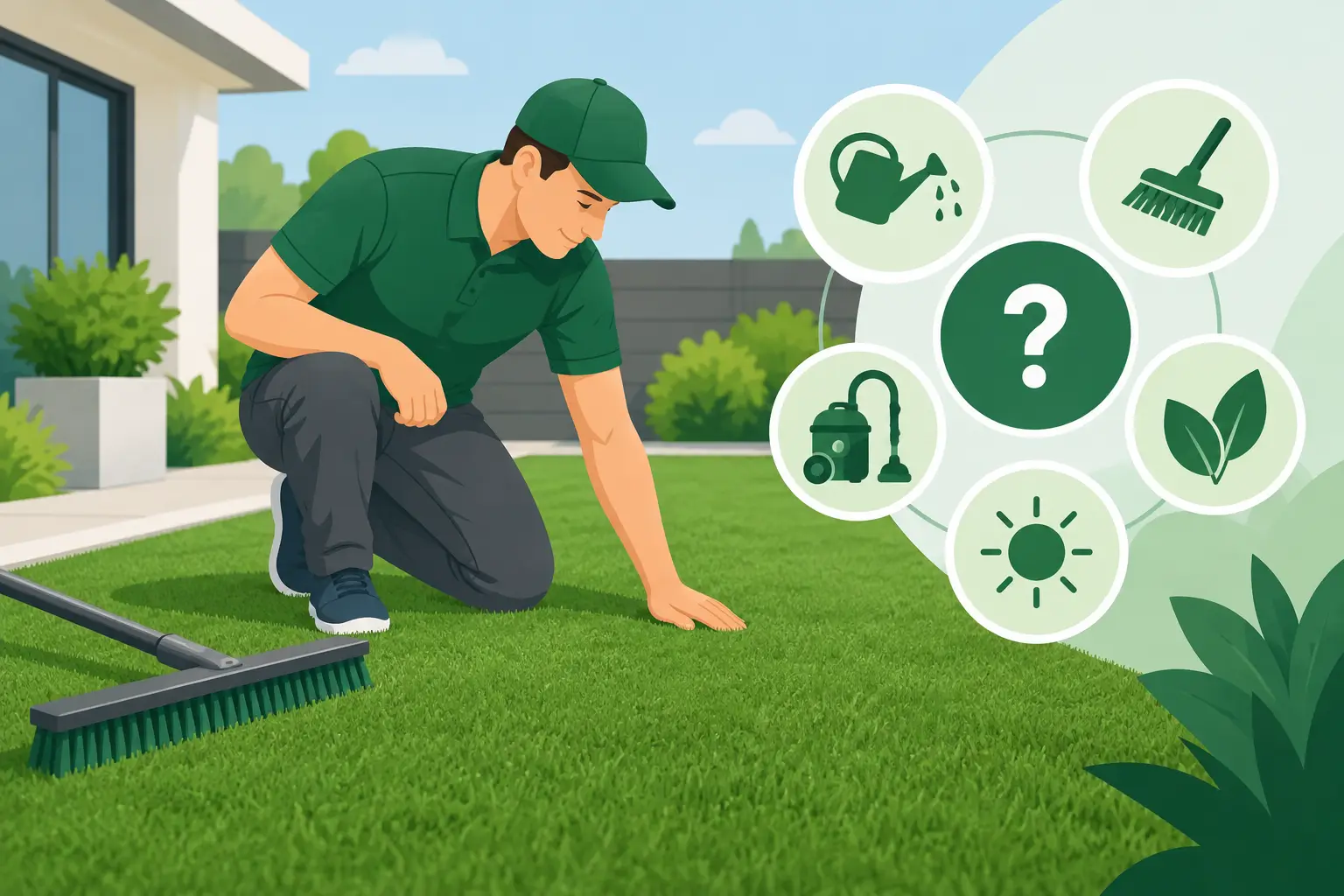
Artificial turf is low maintenance, not no maintenance. The good news is that the routine is straightforward. Remove leaves and large debris before they collect in the fibers, rinse the surface as needed, and brush high-traffic areas occasionally to keep the blades standing naturally.
Pool water splash is usually not a major concern, but it is wise to rinse areas that receive frequent chlorine or saltwater exposure. If sunscreen, food, pet waste, or a drink spills on the turf, clean it promptly with water and an appropriate mild cleaner. Regular attention keeps the area looking fresh and prevents small issues from becoming permanent stains or odors.
Before choosing a product, be honest about how the space will be used. A quiet poolside sitting area needs something different from a backyard that hosts kids, dogs, cookouts, and large gatherings every weekend. The best surface is the one that fits your actual routine, not just the one that looks good in a sample.
A properly planned turf installation can turn the space beside your pool into one of the most useful parts of the backyard. Start with drainage, comfort, and traffic patterns, then build a pool area that stays clean, looks sharp, and is ready when the next warm Texas afternoon arrives.


Leave A Comment