 Skip to content
A bare yard in Dallas does not stay bare for long. It turns dusty, muddy, weedy, or all three, especially after a hard rain or a stretch of summer heat. When homeowners compare sod versus seed, the real question is usually not just price. It is how quickly they need a usable lawn, how much daily care they can provide, and whether the grass can handle North Texas weather.
Both options can create a healthy natural lawn. But they demand different timelines, budgets, and levels of patience. For many homeowners, sod delivers the faster and more dependable path to a finished-looking yard. Seed can make sense in the right situation, but it is not always the bargain it appears to be.
Sod Versus Seed: The Main Difference
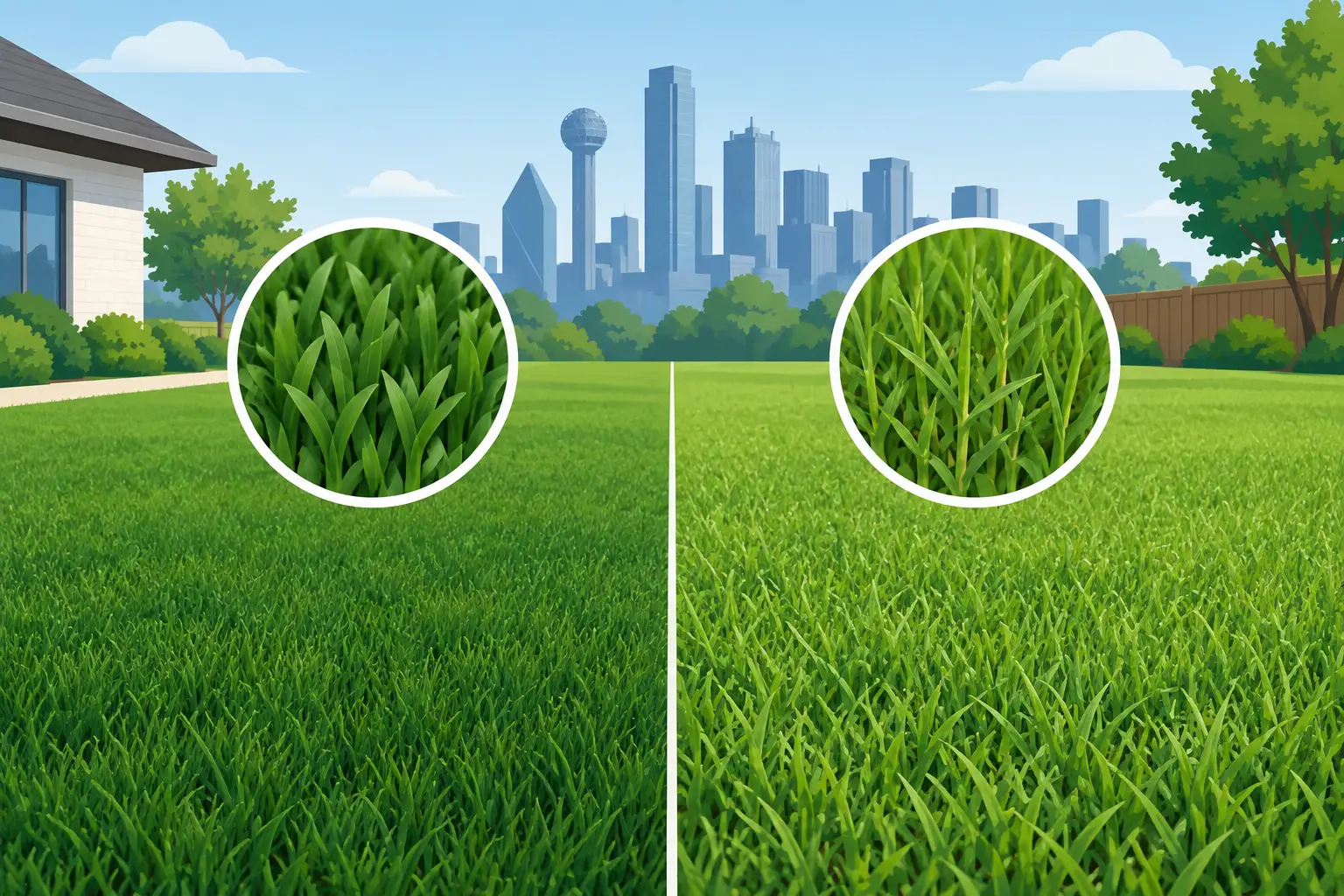
Sod is mature grass that has already been grown, cut into sections, delivered to your property, and installed over prepared soil. Once the roots knit into the ground, it becomes a permanent lawn. The visual change is immediate: one day you have exposed dirt or worn-out grass, and shortly after installation, you have a green lawn with clean edges and consistent coverage.
Seed starts at the beginning. Grass seed is spread over prepared soil and must germinate, develop roots, and fill in over time. That process can work well when conditions are right, but it leaves more room for problems. Uneven watering, heavy rain, birds, weeds, foot traffic, and sudden temperature changes can all affect the result.
In Dallas-Fort Worth, timing matters more than many homeowners expect. Hot summers, compacted clay soil, drought restrictions, and fast-changing weather can make establishment difficult. A lawn is only as good as the preparation underneath it, whether you choose sod or seed.
When Sod Is the Better Choice
Sod is usually the right fit when you want a finished lawn now rather than a project that may take months to fill in. It is especially practical for new homes, homes preparing for sale, pool areas, backyards used by children and pets, and commercial properties where curb appeal cannot wait.
You Need Immediate Curb Appeal
Fresh sod provides an instant reset for a patchy, brown, or weed-filled lawn. That matters if you are hosting family, planning an outdoor project, putting a home on the market, or simply tired of looking at dirt. With professional preparation and installation, the grass is laid evenly and the seams are positioned for a clean, natural appearance.
Seed requires patience. Even when it germinates successfully, it often comes in unevenly at first. Thin spots may need reseeding, and weeds can compete with young grass before it establishes. If appearance is your first priority, sod has a clear advantage.
Your Yard Has Slopes, Pets, or Active Use
Seed is vulnerable while it is getting started. Rain can wash it downhill, dogs can disturb the soil, and children running through the yard can create bare patches before the roots are strong enough. Sod holds the soil together from day one, which helps control erosion and gives the space a more stable surface.
That does not mean new sod is ready for a backyard football game immediately. It still needs time to root. Most lawns should be kept clear of heavy traffic for the first few weeks. But sod reaches a usable condition much faster than seed when it receives the right watering and care.
You Want a More Predictable Grass Type
With sod, you know exactly what variety is going into the yard. In North Texas, bermudagrass and St. Augustine are common choices, with each suited to different levels of sun, shade, traffic, and maintenance. A professional can help match the grass to the conditions around your home instead of treating every lawn the same.
For example, bermudagrass performs well in full sun and stands up to active use. St. Augustine can handle more shade but requires careful watering and maintenance. The right answer depends on your property, tree cover, irrigation setup, and expectations for the space.
When Grass Seed Can Make Sense
Seed is generally less expensive at the start, particularly for a large, open lot where appearance is not urgent. It can also be useful for repairing a small area of an existing lawn or for certain cool-season grass applications. However, homeowners should consider the full cost of growing seed successfully, not just the price of the bag.
A seeded lawn needs consistent watering, protection from traffic, good soil contact, and close attention during germination. It may also require multiple rounds of seed, weed control, fertilizer, and spot repairs. If seed fails during a hot or dry stretch, the savings can disappear quickly.
Seed is often a better option when you have a flexible timeline, can monitor the yard regularly, and are comfortable accepting some variation as the lawn fills in. It is not usually the best choice for a homeowner who wants a fast, uniform result with minimal uncertainty.
The Cost Question: Upfront Price Versus Long-Term Value
At first glance, seed costs less because the material itself is inexpensive. Sod costs more upfront because it includes mature grass, harvesting, delivery, site preparation, installation labor, and the equipment needed to complete the job efficiently.
But the cheapest starting price is not always the lowest total cost. Poor soil preparation can cause either option to struggle. A seeded lawn that must be reseeded several times, treated for weeds, and repaired after erosion may cost more than expected. Sod that is installed over uneven ground, drainage problems, or compacted soil can also fail before it roots properly.
The better comparison is value. Sod gives homeowners a faster result, more predictable coverage, and fewer weeks of living with a construction-zone yard. Seed offers lower initial cost but requires more time, more monitoring, and greater tolerance for risk.
Watering and Maintenance in Dallas Heat
Both sod and seed need water during establishment. The difference is how long they remain vulnerable. New seed must stay consistently moist near the surface while it germinates. Missing a watering cycle during a hot Texas day can damage young sprouts before they have developed a meaningful root system.
New sod also needs frequent watering at first, but the grass is already established above ground. The goal is to keep the sod and the soil beneath it moist long enough for roots to grow downward. After the establishment period, watering should transition to deeper, less frequent cycles that encourage stronger roots.
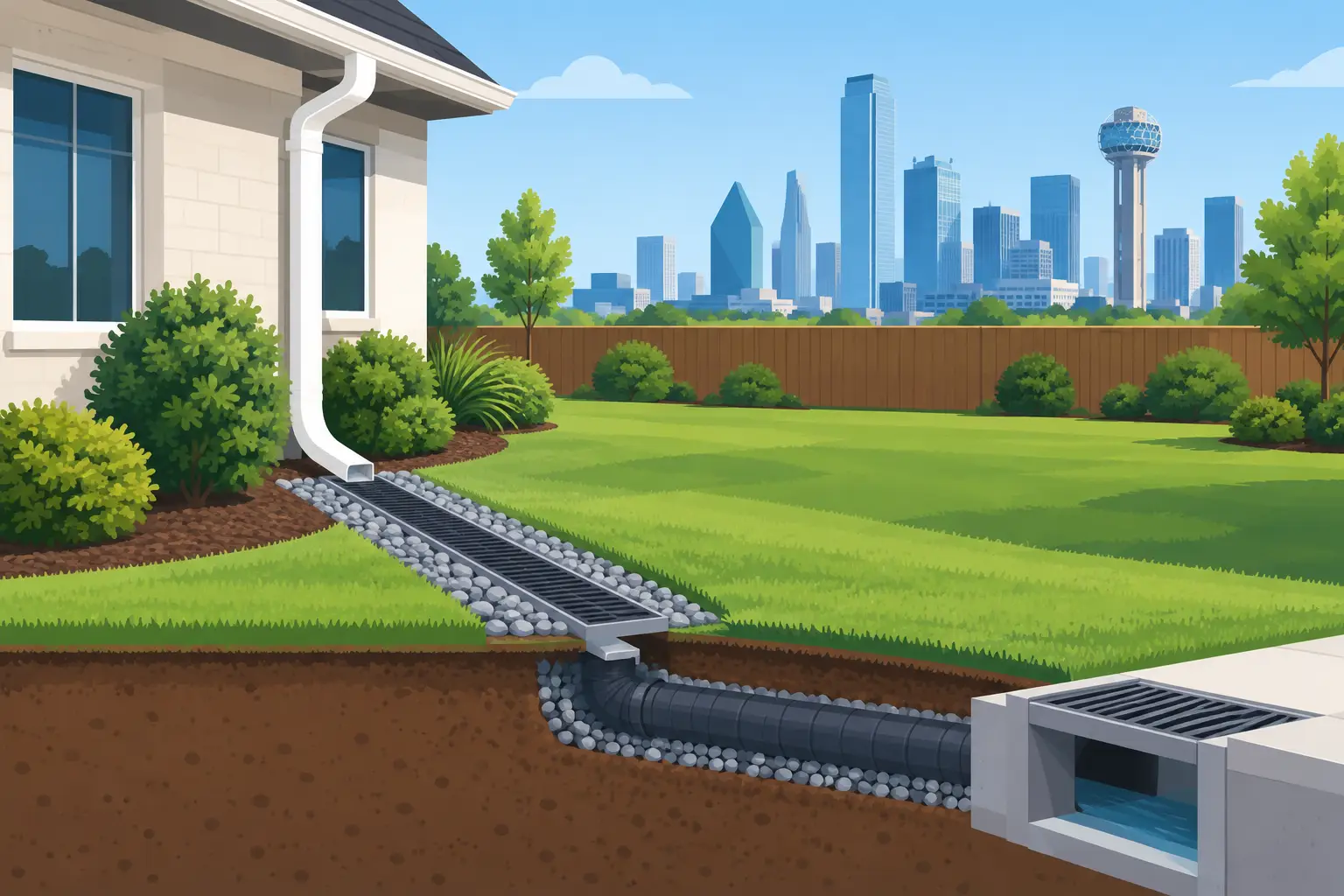
A good installation plan also considers irrigation coverage. Dry corners, overspray on hardscape, and uneven sprinkler pressure can create problems regardless of whether you install sod or seed. If your lawn has standing water, runoff, or persistent muddy areas, drainage should be addressed before new grass goes down. Grass cannot solve a drainage problem by itself.
Do Not Skip Site Preparation
A great lawn starts below the surface. Before sod is installed or seed is spread, the area should be cleared of old turf, weeds, debris, and major roots. The grade should move water away from the home, and the soil should be loosened and amended where needed. Low areas, exposed irrigation lines, and hardscape edges should be handled before the grass is installed.
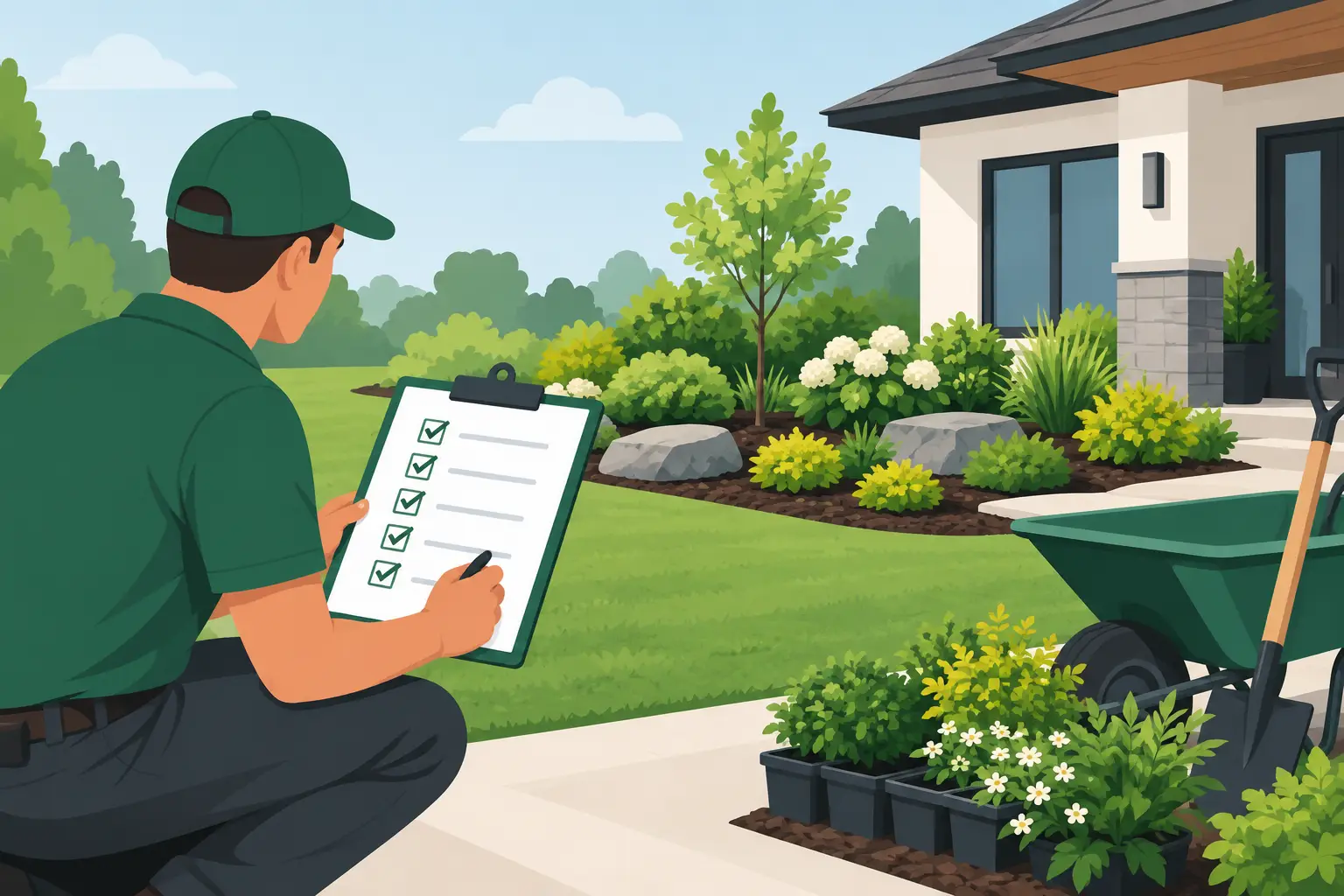
This is where a specialist earns their value. A clean installation is more than rolling out green grass. It means creating a level, properly prepared base, selecting the right material, fitting the sod tightly, and leaving the property neat when the work is complete.
For some Dallas homeowners, natural sod is not the best long-term answer at all. Heavy shade, pets, constant use, water concerns, or a desire for a consistently green surface may make artificial grass a better fit. A well-planned outdoor space can also combine turf, sod, stone, walkways, drainage improvements, and planting areas instead of forcing one material to solve every problem.
Choosing the Right Option for Your Property
Choose sod when you want fast results, dependable coverage, erosion control, and a lawn that looks established right away. It is the stronger choice for most homeowners replacing a worn lawn, finishing a new landscape, or improving curb appeal on a schedule.
Choose seed when your budget is tight, your yard is large and open, and you have the time to manage frequent watering and gradual growth. Be realistic about the season and the work involved. In North Texas, a low-cost lawn solution can become expensive if weather and maintenance do not cooperate.
The best lawn decision is the one that matches how you use your property. A careful site evaluation, the right grass selection, and professional preparation will do more for long-term results than choosing the lowest price on day one. When you are ready for a yard that looks finished and functions well, start with the ground beneath it and build from there.




Leave A Comment