 Skip to content
A green lawn in Dallas can get expensive fast. Between summer heat, watering limits, patchy growth, and rising maintenance costs, a traditional yard often starts feeling like a full-time job. If you’re looking for the best low water lawn options, the right answer depends on how you use your yard, how much upkeep you want, and whether you want a living lawn or something closer to zero maintenance.
What makes a lawn truly low water?
A lot of products and plant types get labeled drought tolerant, but that does not always mean they are low effort. Some lawns need less irrigation once established but still require mowing, seasonal care, weed control, and repair after heavy traffic. Others use almost no water at all but cost more upfront.
That is the real decision homeowners need to make. Are you trying to lower your water bill a little, or are you trying to stop dealing with lawn problems altogether? Those are two different goals, and the best solution changes based on that.
In North Texas, heat tolerance matters just as much as water use. A lawn that looks good in mild climates may struggle through long dry stretches, reflected heat, pet traffic, and hard-packed clay soil. That is why the best low water lawn options for Texas homes tend to fall into a few practical categories.
1. Artificial turf for the lowest maintenance
If your main goal is cutting water use and ongoing lawn work, artificial turf is hard to beat. It does not need irrigation, mowing, fertilizing, edging, or re-seeding, and it stays green through drought, heat, and heavy use.
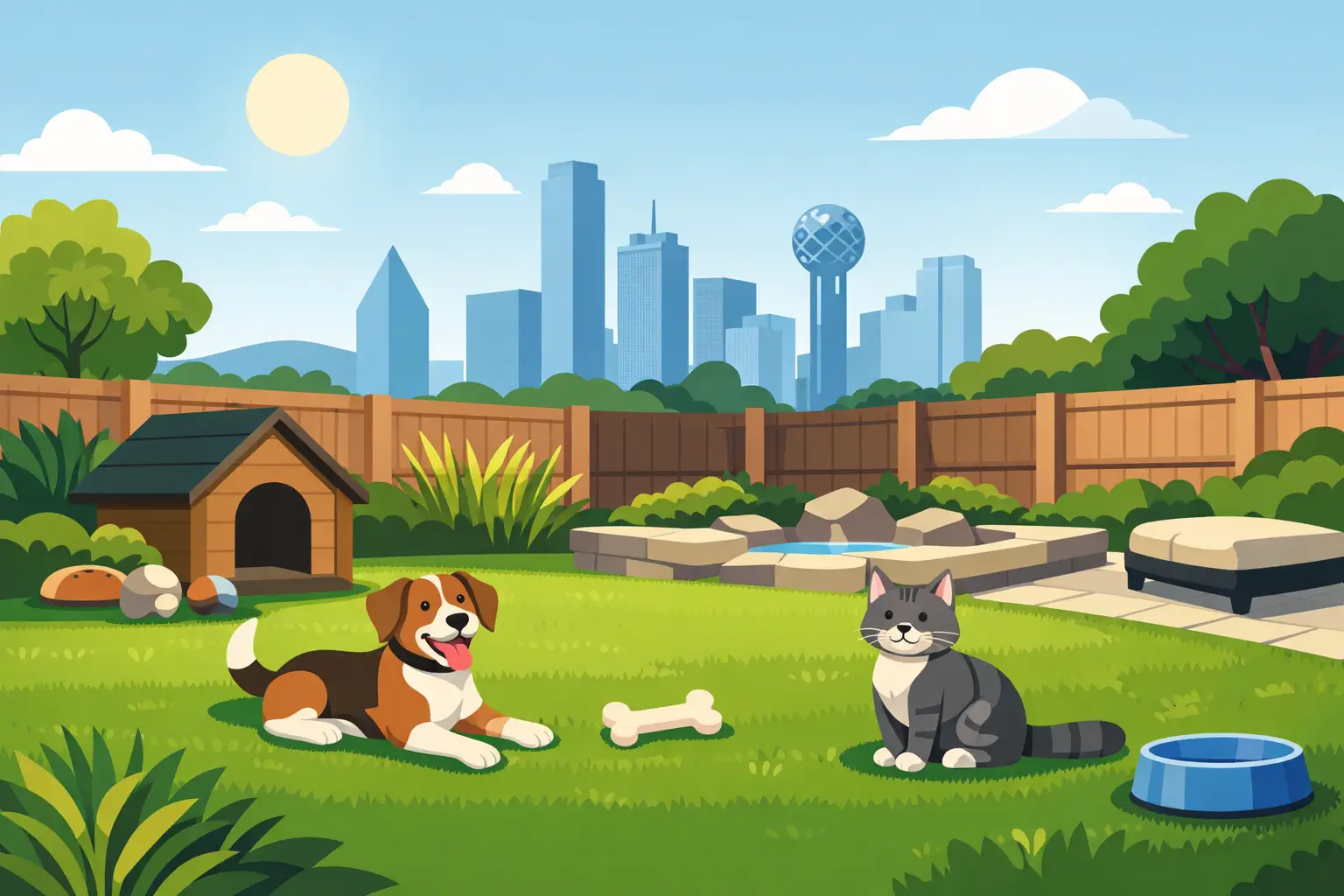
For families with kids, pets, or a backyard that sees constant traffic, turf solves a lot of problems in one install. No muddy spots. No dead patches by the fence line. No trying to revive stressed grass every summer. It also gives you a clean, finished look right away, which matters if curb appeal is a priority.
The trade-off is upfront cost. Turf is an investment, and quality installation matters. A poorly installed system can have drainage issues, visible seams, or an uneven surface. But when it is installed correctly with the right base and materials, it is one of the most dependable low water lawn options available.
This is often the strongest fit for homeowners who want a polished yard without the ongoing burden of lawn care.
2. Zoysia for a softer natural grass lawn
If you want to keep a real grass lawn, Zoysia is one of the best choices for lower water use. It has a dense growth pattern, handles heat well, and generally needs less water than thirstier cool-season grasses. It also gives you a thick, attractive lawn that feels soft underfoot.
Zoysia works well for homeowners who still want the look and feel of natural grass but would like less irrigation and better drought performance. Its dense growth can also help crowd out weeds, which cuts down on some maintenance.
That said, Zoysia is not no-maintenance. It still needs mowing, seasonal feeding, and proper care during establishment. It can also be slower to recover from damage than some other grasses, so if you have large dogs or very heavy foot traffic in the same areas, that matters.
3. Bermuda for sun-heavy yards
Bermuda is a common Texas lawn grass for a reason. It thrives in full sun, grows aggressively, and handles heat and drought better than many traditional lawn varieties. If your yard gets strong sunlight most of the day, Bermuda can be a practical low water option.
It is especially useful for active lawns because it recovers quickly from wear. That makes it a solid choice for families, play areas, and open backyards where the lawn gets used instead of just viewed.
The downside is maintenance. Bermuda grows fast, so you will mow more often during peak season. It also does not love shade. If your yard has mature trees or large covered areas, it can thin out and become uneven. So while it is lower water than many alternatives, it is not the best fit for every property.
4. Buffalo grass for a more natural look
Buffalo grass is often mentioned in conversations about drought-tolerant lawns because it uses less water and has a more natural, prairie-style character. It can be a good option for homeowners who do not need a manicured, golf-course appearance and are comfortable with a lawn that looks a little looser and less formal.
This type of grass can work well in low-traffic areas where reduced irrigation is the main priority. Once established, it generally requires less water and less mowing than many standard lawn grasses.
But there are trade-offs. Buffalo grass is not ideal if you want a thick, highly uniform lawn, and it may not hold up as well to heavy activity. For a front yard where visual consistency matters, or a backyard with pets and kids running every day, other options may perform better.
5. Native ground cover instead of traditional grass
For some homeowners, the best move is to stop thinking in terms of lawn at all. Native ground cover can reduce water demand and create a yard that looks more intentional and landscape-driven than a standard grass installation.
This approach works best in spaces where foot traffic is light and where you want visual texture more than open play space. It can also pair well with stone, gravel, edging, and planting beds to create a cleaner, more custom design.
The key is expectations. Ground cover is not the same as a usable lawn. If you want an area for dogs, kids, or outdoor entertaining, it may not deliver the function you need. But if your goal is to cut water use and create a more drought-conscious landscape, it can be a smart part of the plan.
6. Xeriscape-style lawn replacements
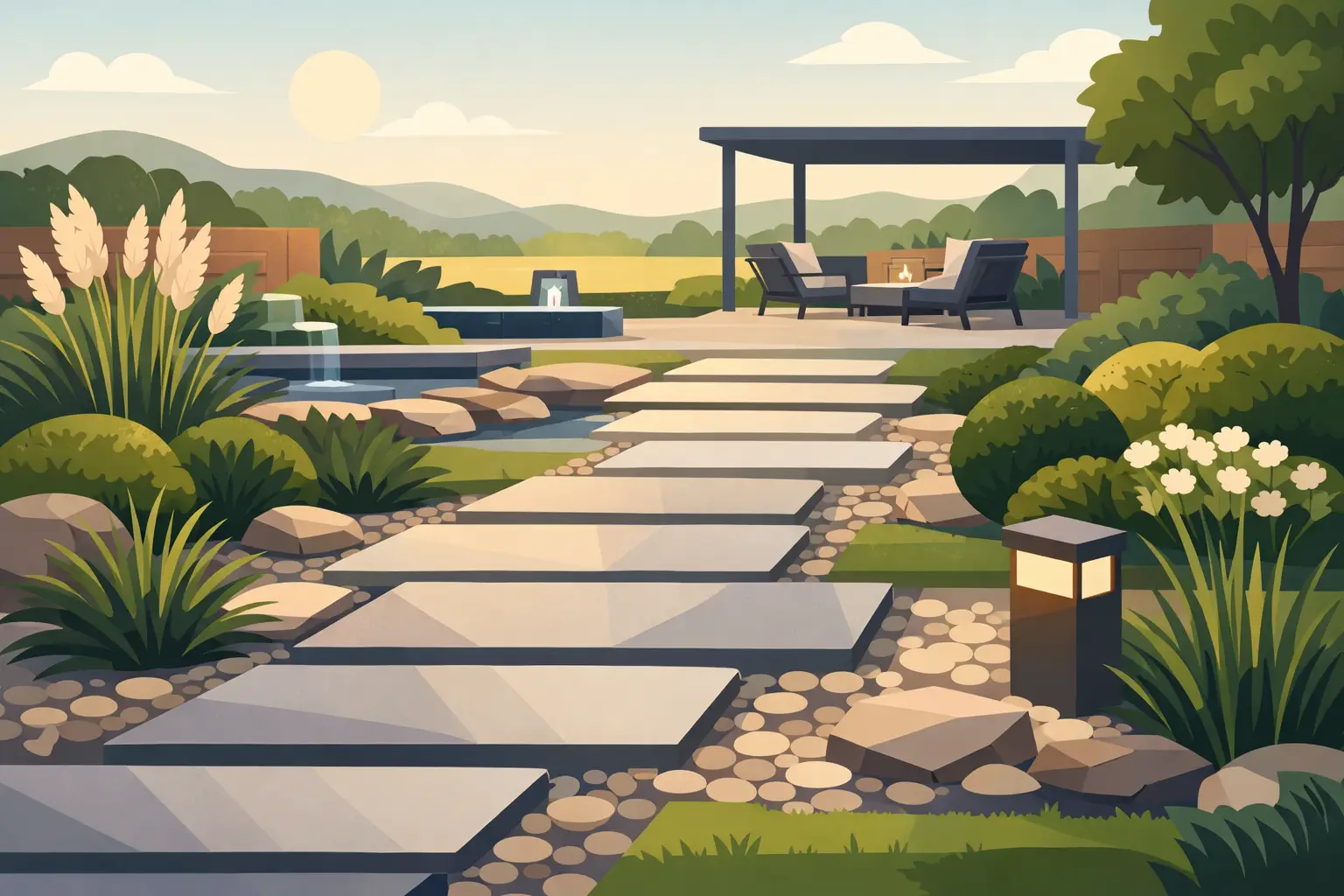
Some of the best low water lawn options are not lawns in the traditional sense. A xeriscape-style yard can combine decorative rock, mulch, native plants, hardscape, and limited turf areas to reduce irrigation while still looking finished and upscale.
This is a strong choice for homeowners who are tired of maintaining every square foot of grass. Instead of forcing the whole yard to act like a lawn, you keep lawn only where it serves a purpose and redesign the rest around lower-water materials.
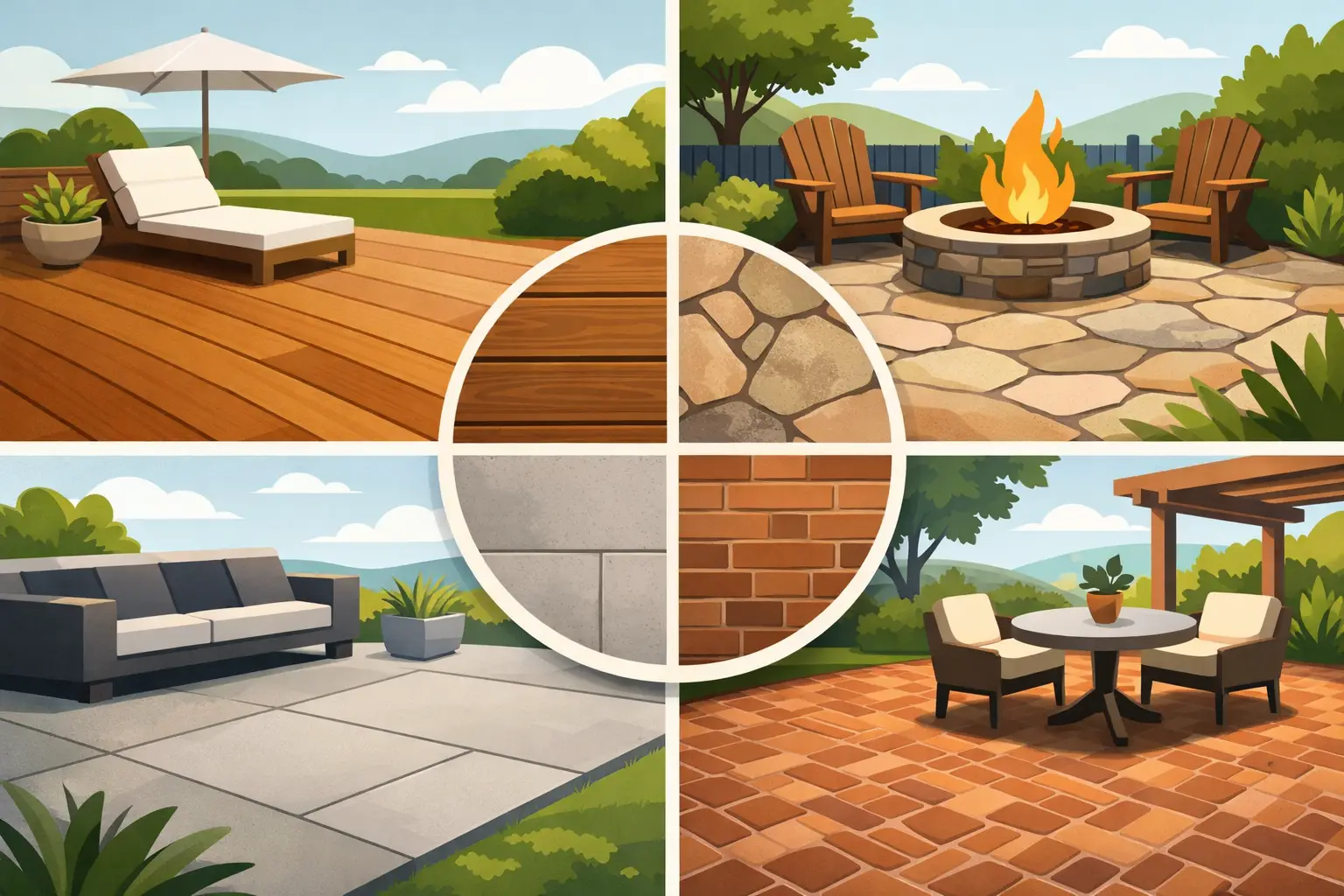
Done right, this does not look dry or bare. It looks clean, organized, and built for Texas conditions. It also gives you flexibility. You can combine synthetic turf near a patio, planting beds along borders, and stone walkways to create a yard that works better and wastes less water.
7. Hybrid designs that mix turf, sod, and hardscape
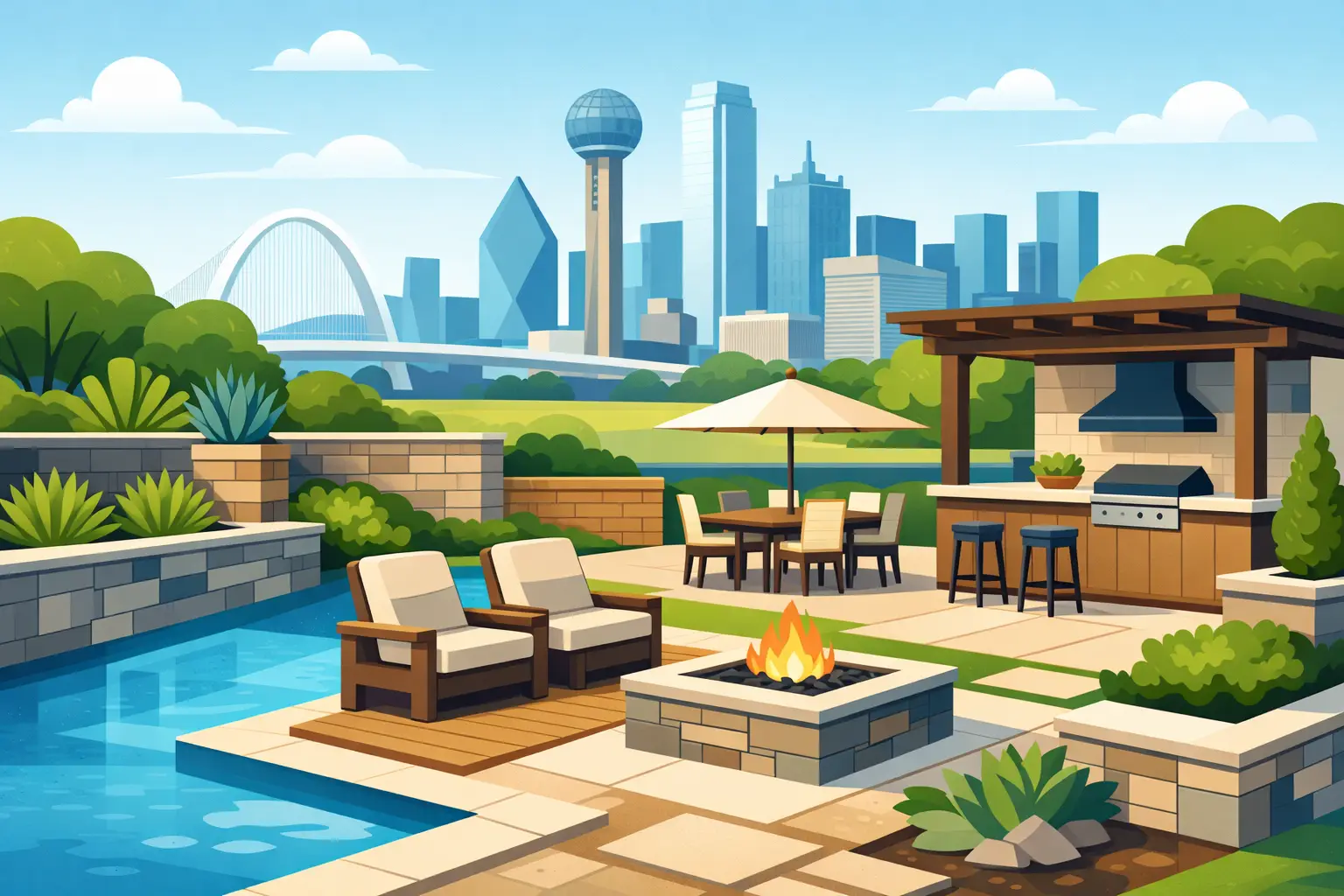
For many Dallas-area homes, the best answer is not one material. It is a combination. A hybrid layout lets you use artificial turf where durability and low maintenance matter most, natural sod where you want the feel of live grass, and hardscape where foot traffic or drainage issues make grass a poor choice.
This kind of design is practical because it solves specific problems instead of forcing one solution across the entire property. If your side yard stays muddy, turf may be the better fit there. If your front lawn gets good sun and you enjoy natural grass, sod may still make sense in that zone. If an area never performs well as lawn, a stone path or patio might be the smarter long-term move.
That is often where homeowners get the most value – not by picking the cheapest option, but by choosing the right surface for each part of the yard.
How to choose the best low water lawn options for your home
Start with how the space gets used. A front yard focused on curb appeal has different needs than a backyard built for pets, play, and entertaining. Sun exposure, drainage, tree cover, and traffic patterns all matter.
Then think honestly about maintenance. Some homeowners are fine with mowing and seasonal care as long as watering goes down. Others want a lawn that looks finished every day with almost no work. There is no wrong answer, but being clear about that upfront helps you avoid paying for the wrong type of install.
Budget matters too. Natural grass options usually cost less upfront, but they come with ongoing water and care costs. Artificial turf and hardscape cost more at the start, but they can reduce maintenance, save water, and hold their appearance much longer.
If you are dealing with patchy grass, high water bills, or a yard that never seems to stay clean and green, this is usually a good time to step back and rethink the whole layout. In many cases, the best result comes from redesigning the outdoor space instead of just replacing one struggling lawn with another.
At Sod Green, that is often what homeowners want most – not just a new lawn material, but a yard that finally works. The right low water solution should look sharp, hold up in Texas weather, and make your life easier every week after install.
A good lawn should fit the way you actually live, not give you one more thing to manage.



Leave A Comment