 Skip to content

A few puddles right after a hard Dallas rain are normal. Water that is still sitting in the same spots the next morning is not. If you are asking, “why does lawn puddle after rain?” the answer is usually below the surface or built into the shape of the yard. The good news is that most standing-water problems can be corrected once the real cause is identified.
Puddles do more than make a yard messy. They can drown grass roots, create muddy traffic areas for kids and pets, attract mosquitoes, and leave bare spots that turn into bigger lawn repairs. In North Texas, heavy storms and dense clay soil can make a minor drainage weakness show up fast.
Why Does Your Lawn Puddle After Heavy Rain?
A lawn puddles when water reaches the surface faster than the ground can absorb or move it away. That may happen because the soil drains slowly, the yard has a low area, runoff is being directed into the lawn, or an irrigation system is adding more water than the landscape needs.
The location of the puddle matters. A wet patch near a downspout points to a different problem than water collecting in the center of the yard or along a patio. A dependable fix starts with watching where the water comes from, where it stops, and how long it takes to disappear.
Dallas Clay Soil Holds Water
Many Dallas-Fort Worth properties sit on clay-heavy soil. Clay particles are very small and pack tightly together, leaving limited room for water to pass through. After a soaking rain, the upper soil layer can become saturated and water remains on top instead of filtering down.
Compaction makes the problem worse. Foot traffic, construction equipment, repeated mowing patterns, and years of settling can press soil into a dense layer. Even a yard with a healthy-looking lawn can have compacted soil underneath it.
Core aeration can help in mild cases by opening channels in the soil. It is not a cure for every wet yard, especially when the grade is wrong or a low spot is collecting runoff. For those situations, aeration may improve the surface temporarily while the bigger drainage issue remains.
The Yard May Slope Toward a Low Spot
Water follows gravity. If a lawn is flat, uneven, or pitched toward the house, fence line, patio, or center of the yard, water will naturally settle there. This is one of the most common reasons a lawn develops the same puddle after every storm.
Low spots often appear over time. Soil settles around utility trenches, old tree roots decay, and previous landscaping work changes the grade without creating a proper drainage path. In newer neighborhoods, final grading can also leave just enough of a dip to hold several inches of water.
The right repair depends on the size of the problem. A small depression may be corrected with careful topdressing and sod repair. A larger area may need regrading with additional soil so water moves away from structures and toward a safe discharge area. The goal is not to force water into a neighbor’s property. It is to create a controlled path that works with the property’s layout.
Downspouts and Hard Surfaces Add Too Much Runoff
Your roof can send a surprising amount of water into one small section of lawn. If a downspout empties beside the foundation or directly into a narrow planting bed, that water may spill into the turf faster than the ground can handle it.
Patios, walkways, driveways, and pool decks also shed water quickly. A hardscape surface does not absorb rainfall, so every inch of water has to go somewhere. When the surrounding grade is not planned correctly, runoff can funnel into the lawn and create a recurring pond.
Downspout extensions, catch basins, channel drains, and buried drain lines can redirect water away from trouble spots. The best choice depends on the volume of water and where it can legally and safely discharge. A short extension may solve a simple gutter issue, while a larger patio drainage problem may require a more complete system.
Your Sprinklers Could Be Overwatering
If puddles show up when it has not rained, inspect the irrigation system first. A broken sprinkler head, leaking valve, poor nozzle placement, or long watering schedule can saturate one area of the lawn. Watering during or immediately after rainy weather adds to the problem.
Sprinkler runoff is especially common on compacted soil and slopes. The system may apply water faster than the soil can absorb it, causing water to run across the surface. Shorter watering cycles with time between them can help the ground absorb moisture more gradually.
It is also worth checking whether a sprinkler is spraying a patio, fence, or wall and bouncing water back into the grass. Small adjustments can prevent a lot of unnecessary wetness. If the soil stays soggy even after irrigation is reduced, there is likely a grading or drainage issue underneath.
How to Find the Cause of Lawn Puddling
Start by checking the yard shortly after rain, then again several hours later. Take pictures of the standing water and note whether it is coming from a roofline, slope, sprinkler zone, or neighboring hardscape. This gives a drainage professional a clearer picture than looking at a dry lawn days later.
Walk the area when it is dry as well. Look for sunken turf, soft ground, exposed roots, washed-out soil, or a visible path where water has been flowing. Pay close attention to the area beside the foundation. Water should not sit against the home or drain toward it.
A simple test can also reveal slow drainage. Dig a small hole in the affected area, fill it with water, and watch how quickly it drains. If water remains for hours after the surrounding lawn has dried, compacted soil or a heavy clay layer may be contributing. This test does not replace a site evaluation, but it can help separate a soil issue from surface runoff.
The Right Fix Depends on the Property
There is no one-size-fits-all drainage repair. Installing a French drain where a yard only needs a minor grade adjustment can be unnecessary. On the other hand, adding a little topsoil will not solve water being dumped from a roof or patio into a low point.
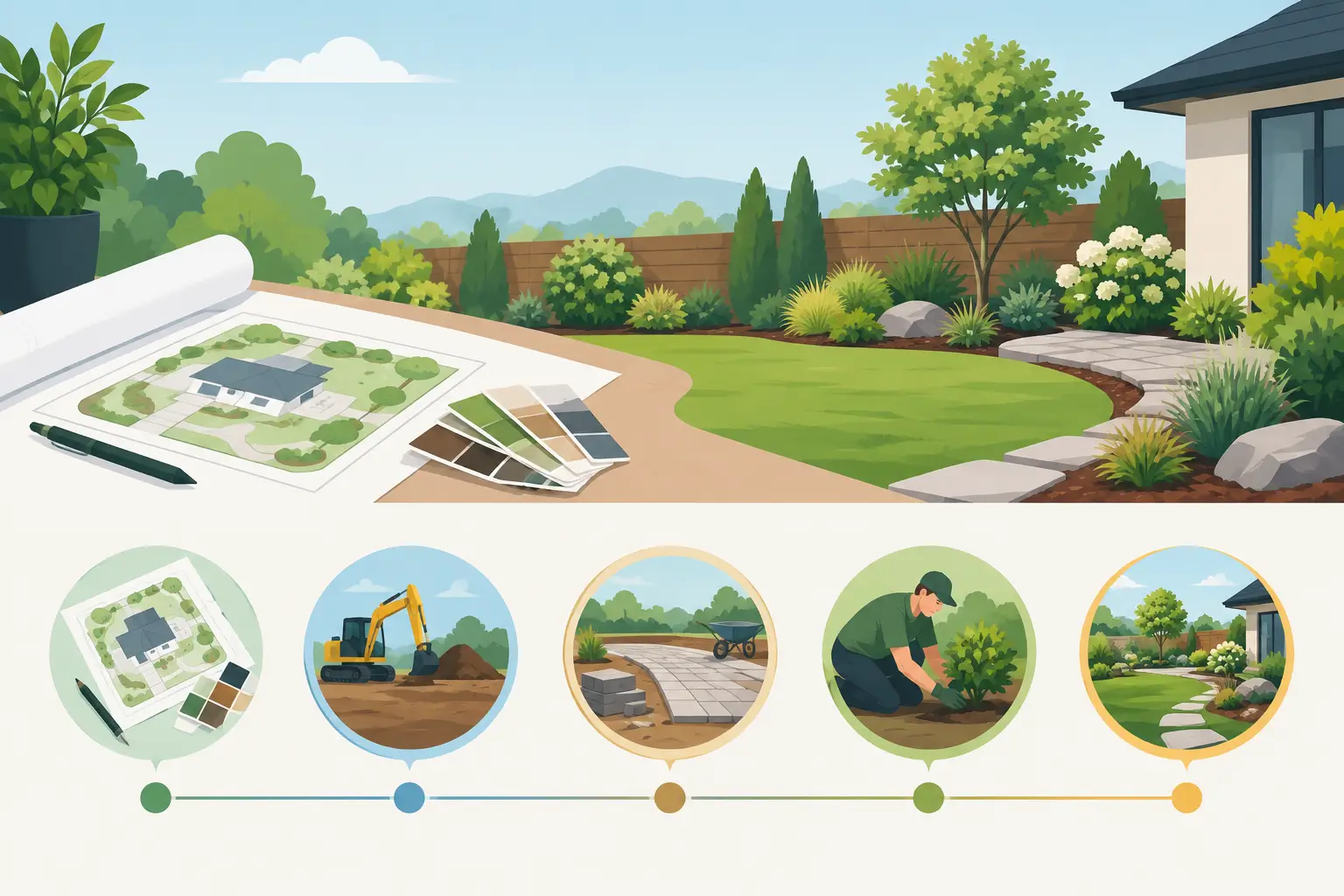
For small, shallow puddles, regrading and restoring the lawn may be enough. Fresh sod is often the cleanest finish after drainage work because it immediately covers disturbed soil and helps stabilize the repaired area. The soil preparation matters as much as the sod itself. A smooth, properly sloped base gives new grass a better chance to root and drain correctly.
For recurring water in larger areas, a drainage system may be the better investment. French drains collect water below ground through a perforated pipe surrounded by gravel. Catch basins collect surface water at a low point. Channel drains work well along patios, pool decks, and walkways where water flows across hard surfaces. These systems can be used separately or together when a property has multiple water sources.
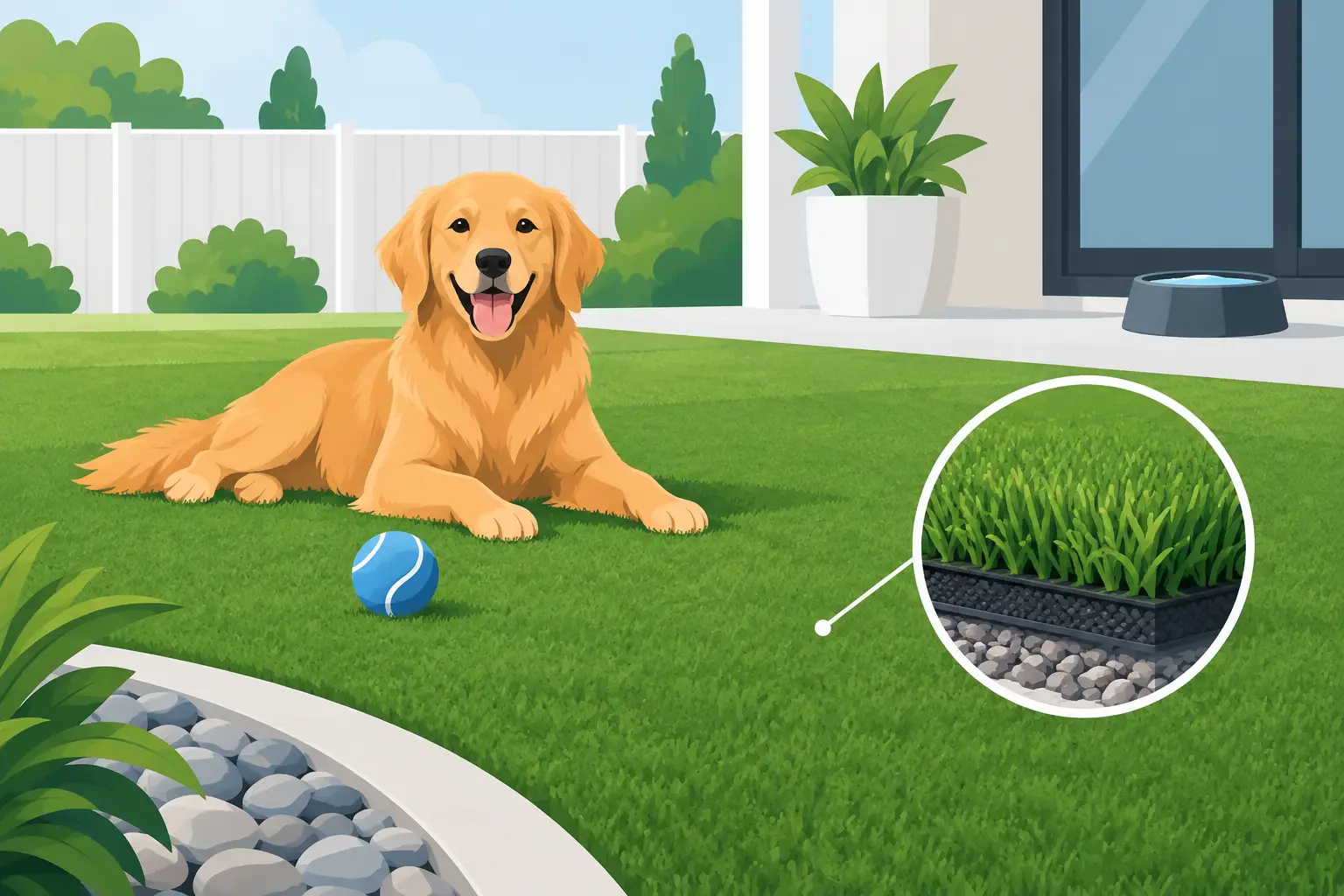
Artificial grass can also be a practical option for high-traffic areas that repeatedly turn muddy, but it must be installed on a properly prepared, free-draining base. Turf does not make a drainage problem disappear. Quality installation includes grading, base preparation, and a plan for moving water through and away from the surface.
When It Is Time to Call a Drainage Professional
Call for an evaluation if water is still standing 24 hours after normal rainfall, the lawn feels spongy for days, or puddles are close to your foundation. You should also act quickly if you see erosion, water entering a garage or patio area, dying grass in the wet zone, or mosquito activity around persistent standing water.
A professional site review should look at the full property, not just the puddle. That includes roof drainage, sprinkler coverage, existing slopes, nearby patios and walkways, soil conditions, and the best available outlet for drainage. At Sod Green, that full-picture approach helps homeowners avoid paying for a fix that addresses only part of the problem.
Standing water is a signal that your yard needs a better route for rain. Correcting it protects the lawn, keeps outdoor areas usable, and helps your property look cared for after the next Texas storm instead of looking like it needs a rescue.





Leave A Comment