 Skip to content

A pet-friendly yard should not turn into a mud pit after rain or hold onto odors after your dog uses the same spot all week. Knowing how to design pet turf starts with treating the project like a complete outdoor surface system, not just rolling out artificial grass. The right turf, drainage, base materials, and finishing details work together to create a cleaner place for dogs to run, rest, and do their business.
For Dallas-Fort Worth homeowners, heat, clay-heavy soil, sudden downpours, and active pets can make natural grass difficult to maintain. A well-built pet turf area gives you a green yard without bare patches, muddy paws, or the constant need to reseed damaged grass.
Start With How Your Pet Uses the Yard
Before choosing a turf style, look at the way your dog actually uses the space. A small dog that takes quick bathroom breaks has different needs than two large, high-energy dogs that race along the fence line every day. Design decisions should follow those habits.
Notice where your pet runs, digs, lounges, and relieves itself. Dogs often create a predictable path from the back door to the fence, gate, or favorite shady spot. If you install turf without accounting for those routes, the highest-traffic areas can wear faster and become harder to keep clean.
It also helps to decide whether the entire backyard needs turf. Some homeowners want a full lawn replacement. Others get better results by creating a dedicated pet run along one side of the house, behind a pool, or near the back door. Separating a pet area can reduce wear on the rest of the yard while making daily cleanup easier.
How to Design Pet Turf With Proper Drainage
Drainage is the part of a pet turf project that homeowners do not see once the job is finished, but it is the part that determines whether the yard stays fresh. Water and pet urine need a clear path through the turf and into the ground or a drainage system below.
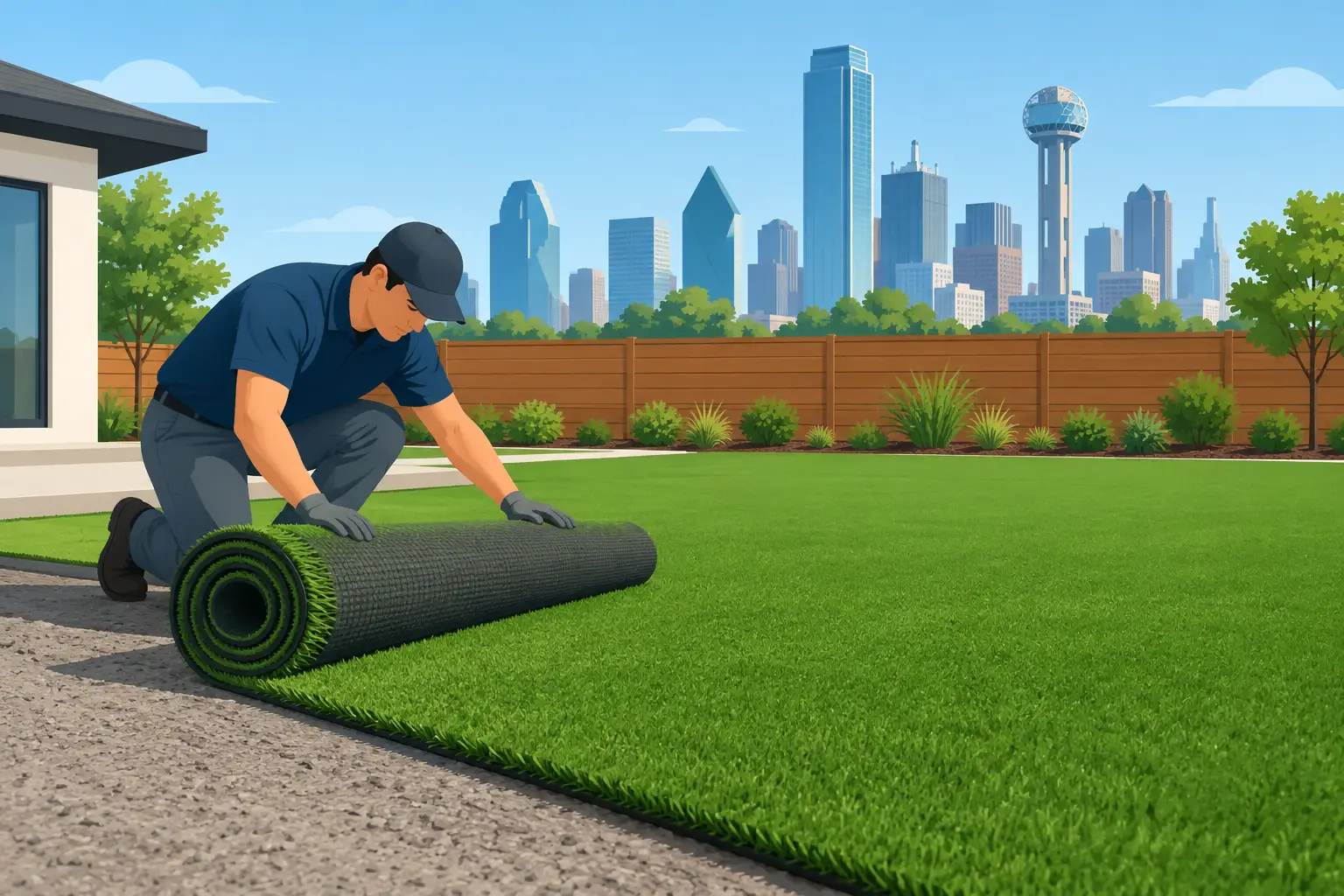
A professional installation begins by removing existing grass, roots, and unstable soil. The area is then graded so water moves away from the home, patio, and other structures. Even a mostly level yard needs enough pitch to prevent water from pooling after a Texas storm.
The base beneath the turf should be compacted, smooth, and built with drainage in mind. Crushed aggregate is commonly used because it creates a firm surface while allowing water to pass through. In problem areas, such as low spots near foundations or yards with poor native drainage, additional drain lines may be necessary.
Do not assume a permeable turf backing alone will solve a drainage problem. Turf lets water pass through, but the materials underneath still have to accept and move that water. If the subgrade stays saturated, odors, standing water, and soft spots can follow.
Choose a Permeable Turf System
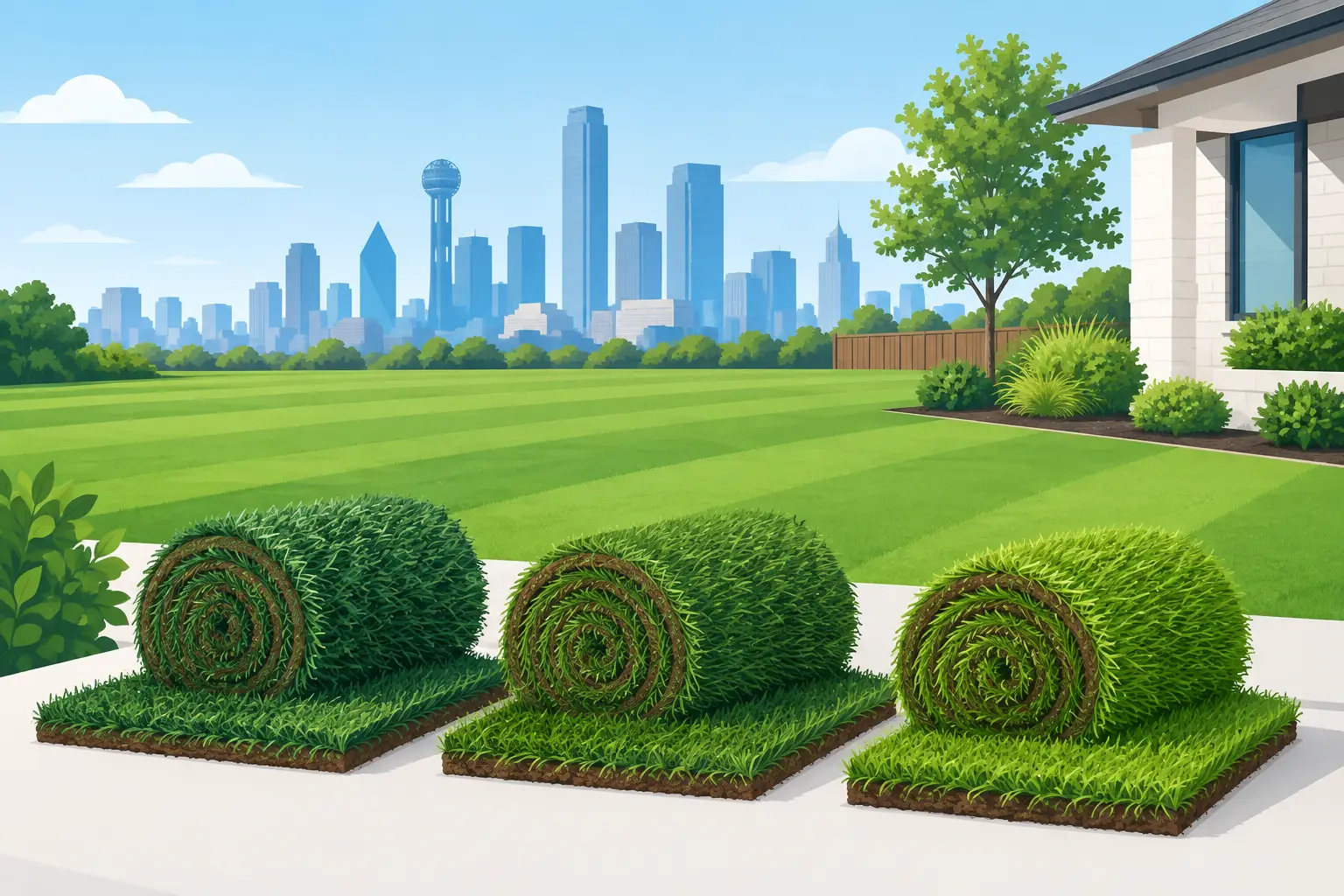
For pet areas, look for artificial grass with a fully permeable backing rather than limited drain holes. A permeable system allows liquid to drain across the entire surface, which is especially helpful when dogs use different areas of the yard instead of one designated spot.
Pile height matters too. Very tall turf can look lush, but it may trap more debris and take longer to rinse clean. A shorter to mid-height turf often performs better for pets because it is easier to pick up waste from and less likely to mat down in high-traffic zones. The best choice depends on the look you want, your dog’s size, and how often the area will be used.
Build a Base That Can Handle Daily Traffic
Artificial grass is only as dependable as the foundation underneath it. A thin or poorly compacted base can shift over time, leaving wrinkles, low areas, and uneven footing. That is not what you want in a yard where dogs sprint, pivot, and play.
The base should be installed in controlled layers and compacted properly before the turf goes down. This creates a stable surface that feels comfortable underfoot without becoming soft and rutted after rain. Edges also need to be secured so dogs cannot lift the turf, dig beneath it, or create a tripping hazard.
Dallas-area yards can present a special challenge because expansive clay soils move with changing moisture levels. Proper excavation, base preparation, and grading help reduce the effect of that movement. There is no one-depth-fits-all approach. A flat, well-drained yard may need a simpler build than a sloped yard with drainage issues, heavy shade, or large dogs.
Plan for Odor Control Before It Becomes a Problem
Pet waste should always be picked up promptly, but urine is the bigger concern in synthetic turf. Without the right drainage and maintenance plan, urine can leave behind odor-causing bacteria, particularly in warm weather.
Good odor control starts with a permeable turf and a base that drains well. From there, routine rinsing helps flush liquids through the system. A garden hose is usually enough for regular upkeep, especially if your dog has a preferred bathroom area.
For stronger odors, use a pet-safe enzymatic cleaner made for artificial grass. These products are designed to break down the organic matter that causes odor rather than simply covering it with fragrance. Avoid harsh chemicals that could damage the turf, irritate paws, or wash into nearby planting beds.
If your dog repeatedly uses one small corner, you may want to plan that area as the designated relief zone. It can be tucked along a fence or side yard and designed for easy access with a hose. This is not required, but it can simplify cleaning for multi-dog households.
Add Borders That Keep the Turf Secure
Clean borders make pet turf look like a finished landscape feature rather than a green carpet dropped into the yard. They also serve a practical purpose by holding the turf and base in place.
Concrete edging, pavers, stone, steel edging, and existing patios can all create strong boundaries. The best option depends on the style of your home and how the space connects to walkways, garden beds, pools, or fencing. Stone and hardscape borders can be especially useful where dogs tend to dig along fence lines.
Be careful with loose decorative rock in an active pet area. Some dogs carry rocks, chew them, or scatter them across the lawn. Larger, stable stone borders may work well, but the play surface itself should stay comfortable and safe for paws.
Shade is another design detail worth considering. Turf can get hot under direct Texas sun, especially in open backyards. Mature trees, shade structures, pergolas, and covered patios give pets a cooler place to rest. If shade is limited, plan the main pet area where it receives some afternoon protection whenever possible.
Make Cleanup Part of the Design
The easiest pet turf yards are designed for real life, not just the day installation is complete. Make sure there is a nearby hose connection, easy access through gates, and enough room to move a rake, blower, or cleaning tools through the area.
Most routine maintenance is simple. Pick up solid waste as soon as possible, rinse the turf regularly, and remove leaves or debris before they collect in the fibers. Brushing high-traffic areas occasionally helps keep the blades standing upright and gives the yard a more natural appearance.
A quality installation should also account for transitions between turf and other surfaces. The change from turf to a patio, pool deck, natural sod, or walkway should be smooth and intentional. This protects the edge of the turf and makes the whole backyard feel connected.
Work With Installers Who Understand the Entire Yard
Pet turf is not a one-product purchase. It is a surface installation that may involve demolition, drainage correction, base work, edging, and landscape improvements around the finished area. An experienced installer can identify trouble spots before turf covers them up.
At Sod Green, pet turf projects are planned around how the property drains, how the household uses the yard, and what will hold up over time. That may mean combining artificial grass with flagstone, a walkway, a patio extension, or drainage improvements to create a backyard that works harder for your family.
A clean, durable pet area gives your dog room to be a dog without making the rest of your home harder to maintain. When the drainage is right, the base is stable, and the turf fits your pet’s routine, stepping outside can feel like a break instead of another chore.



Leave A Comment