
A Dallas lawn can look worn out fast. Summer heat, water restrictions, active kids, pets, shade, and heavy foot traffic can turn natural grass into bare spots and mud before the season is over. Professional synthetic turf installation replaces that cycle with a polished, usable outdoor surface built for the way your family actually uses the yard.
The turf itself matters, but the installation underneath it matters even more. A great-looking artificial lawn should drain properly, feel secure underfoot, stay smooth around edges, and hold its shape through Texas heat and regular use. That comes from preparation, not shortcuts.
What Quality Synthetic Turf Installation Includes
A synthetic lawn is not simply rolled out over dirt. Installing turf over an uneven, poorly draining, or loosely prepared surface can lead to wrinkles, low spots, odor issues, shifting seams, and water pooling. Those problems may not show up on day one, but they will show up after rain, foot traffic, and a few Texas summers.
A professional crew starts by evaluating the site. The existing grass, weeds, roots, debris, and unsuitable soil need to be removed so the new surface has a stable foundation. The yard is then graded with drainage in mind. Water needs a planned path away from the home, patio, pool deck, or other areas where standing water can create a problem.
Next comes the base material. A compacted aggregate base gives the turf a firm, level surface while allowing water to move through it. The depth of that base depends on the project. A small decorative front yard, an active pet area, a backyard play space, and a putting green all have different performance needs.
Once the base is installed and compacted, a weed barrier may be added where appropriate. The turf is then measured, cut, seamed, secured, and brushed to create a natural, consistent finish. Edges deserve close attention. Clean edges around fences, flower beds, pavers, pool coping, and walkways are what make an artificial lawn look like a finished landscape project instead of a temporary surface.
Drainage Is the Part You Cannot See – Until It Fails
Drainage is one of the biggest reasons homeowners choose an experienced installer. North Texas storms can drop a lot of water in a short time. If a yard already has drainage trouble, covering it with turf without fixing the grade does not solve the problem.
Synthetic turf is designed to drain, but the entire system below it must drain too. That may mean reshaping the grade, using the right base material, installing a drain system, or tying the project into existing drainage solutions. The right approach depends on the slope of the property, soil conditions, hardscape layout, and where water currently collects.
This is especially important near pools, patios, foundations, and covered outdoor areas. A clean installation should improve how the space functions, not send water toward places it does not belong. When drainage and turf are planned together, homeowners get a yard that looks better after a storm instead of becoming a muddy cleanup job.
Choose Turf for How You Use the Yard
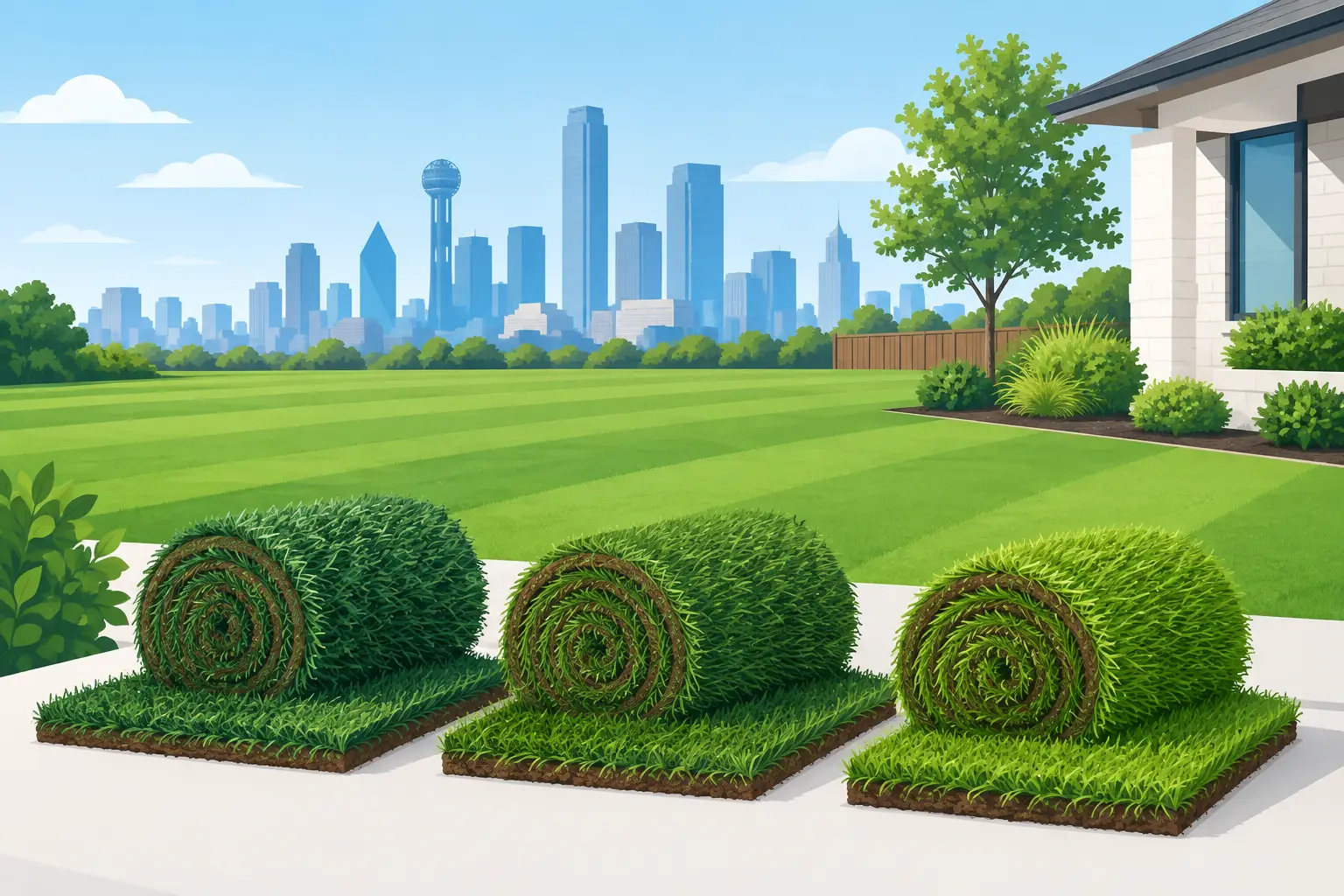
Not every synthetic turf product is meant for the same job. Homeowners often focus on color and blade shape first, which is understandable. But pile height, density, backing, drainage rate, face weight, and infill needs all affect how the lawn performs over time.
For a front yard, a natural appearance and strong curb appeal may be the priority. A medium-height turf with varied blade tones can give the lawn a realistic, well-kept look without the mowing and watering schedule of natural grass.
For families, durability and comfort usually matter more. Turf in a play area needs to handle running, toys, chairs, and regular traffic without matting down too quickly. If the yard is used for entertaining, the material should also feel comfortable under bare feet and work well alongside patios, fire features, and outdoor kitchens.
Pet owners have a different checklist. Pet-friendly turf needs reliable drainage and an odor-control plan. Proper infill, routine rinsing, and occasional cleaning help keep the area fresh. Artificial grass cuts down on muddy paws and worn pet paths, but it is not completely maintenance-free. A well-designed pet area makes that limited maintenance simple.
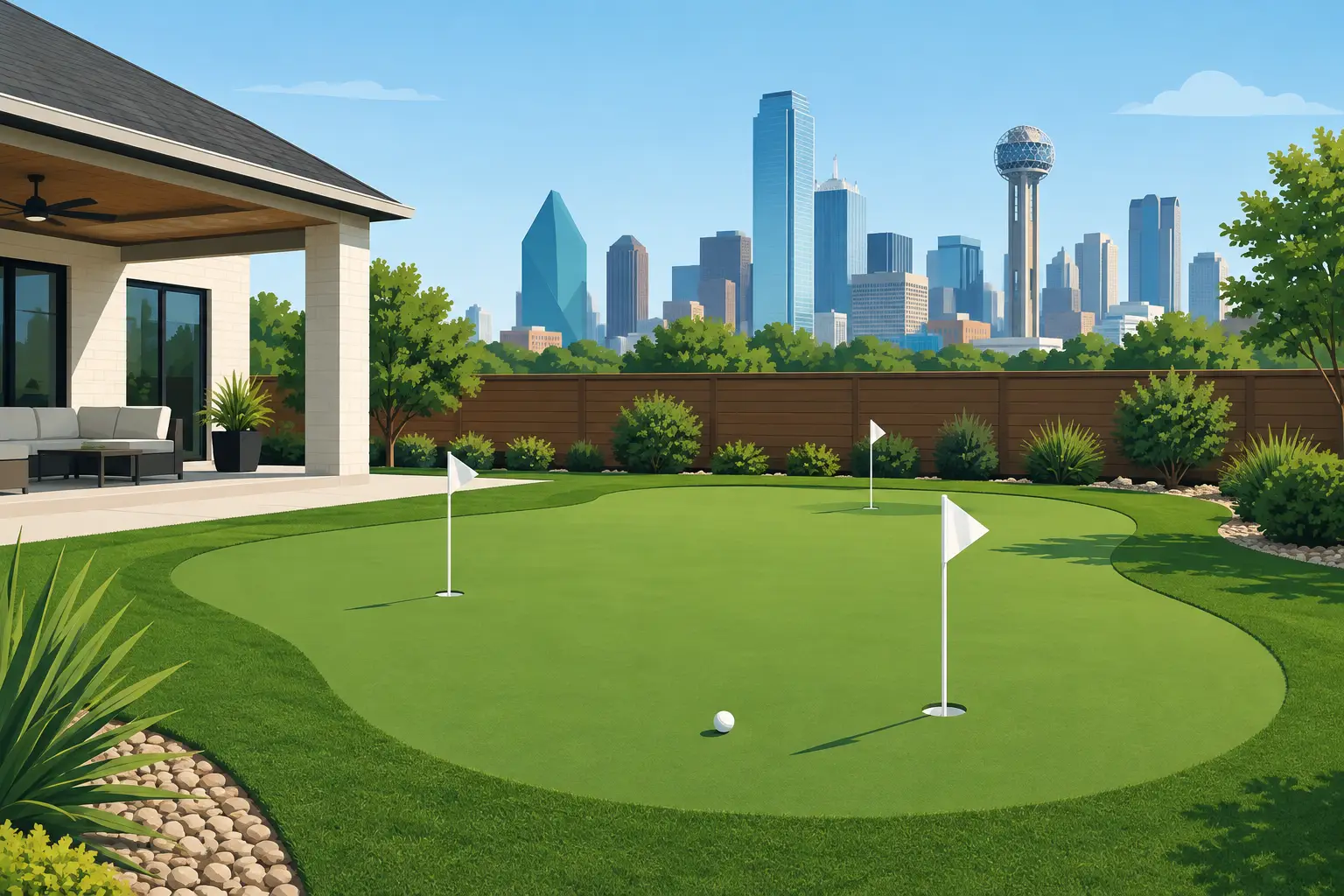
Golf enthusiasts may want a custom backyard putting green rather than standard landscape turf. Putting greens require specialized shaping, cup placement, fringe options, and surface speed considerations. The goal is not just a green patch of turf. It is a practice surface that rolls consistently and fits naturally into the backyard.
Why the Lowest Quote Can Cost More Later
Synthetic turf is a long-term improvement, so comparing quotes only by square footage can be misleading. A lower price may leave out excavation, base depth, proper compaction, drainage correction, quality seaming materials, infill, or haul-off. Those details are where the longevity of the project is decided.
Ask what preparation is included and how the contractor will address existing grade or drainage concerns. Ask how seams will be placed, how edges will be secured, and what turf product is proposed for the area. A dependable contractor should be able to explain the work in plain language before the project begins.
The best value is not always the cheapest installation. It is the one that avoids rework, protects the surrounding landscape, and gives you a finished lawn that still looks right years from now. Homeowners should also expect the crew to respect the property, keep the job site organized, and remove construction debris when the work is complete.
Pair Turf With the Rest of Your Outdoor Space
Artificial grass often looks its best when it is part of a larger landscape plan. A worn lawn may also have aging garden borders, an undersized patio, poor walkways, or drainage that needs attention. Combining these projects can create a more complete transformation and avoid tearing up a finished area later.
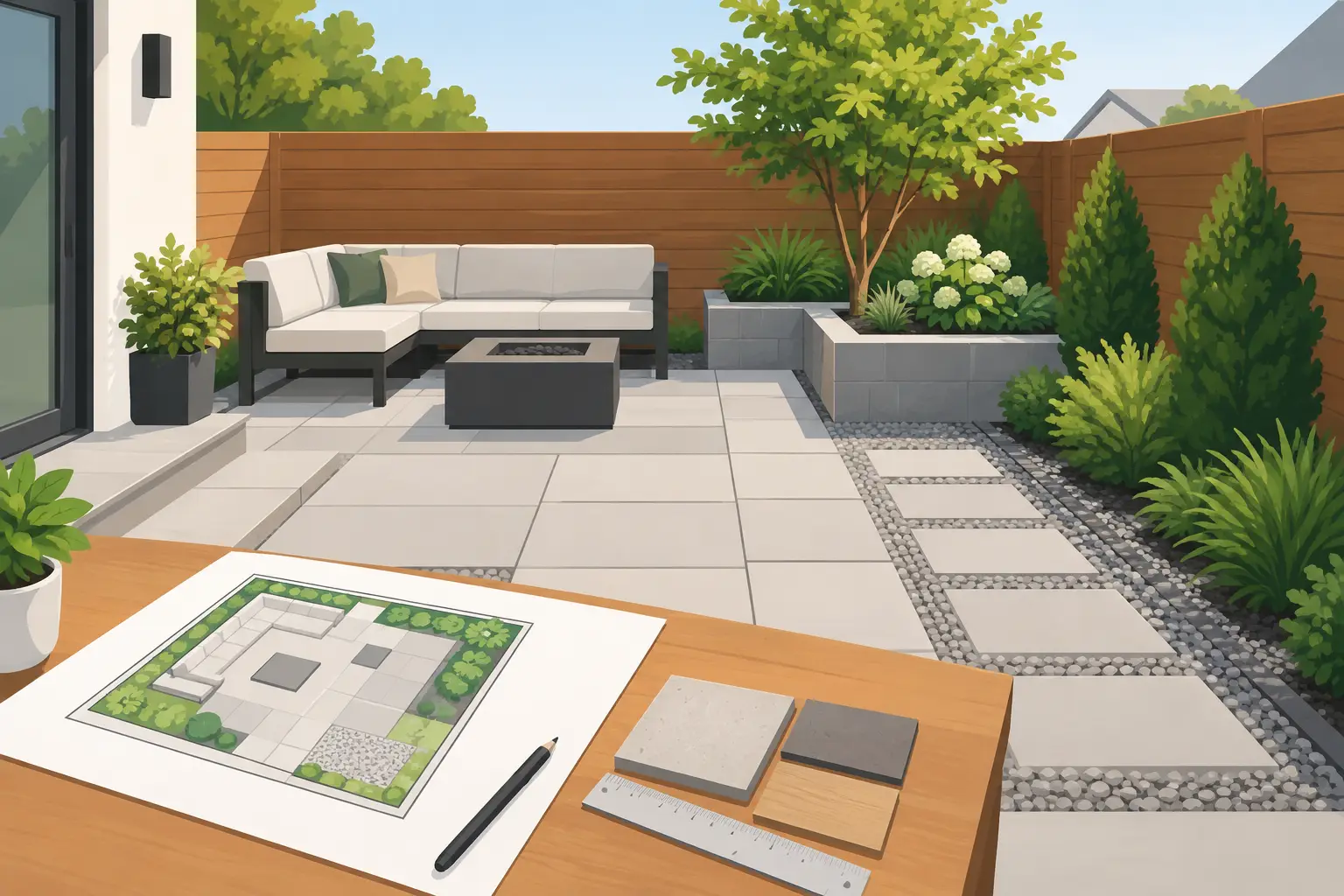
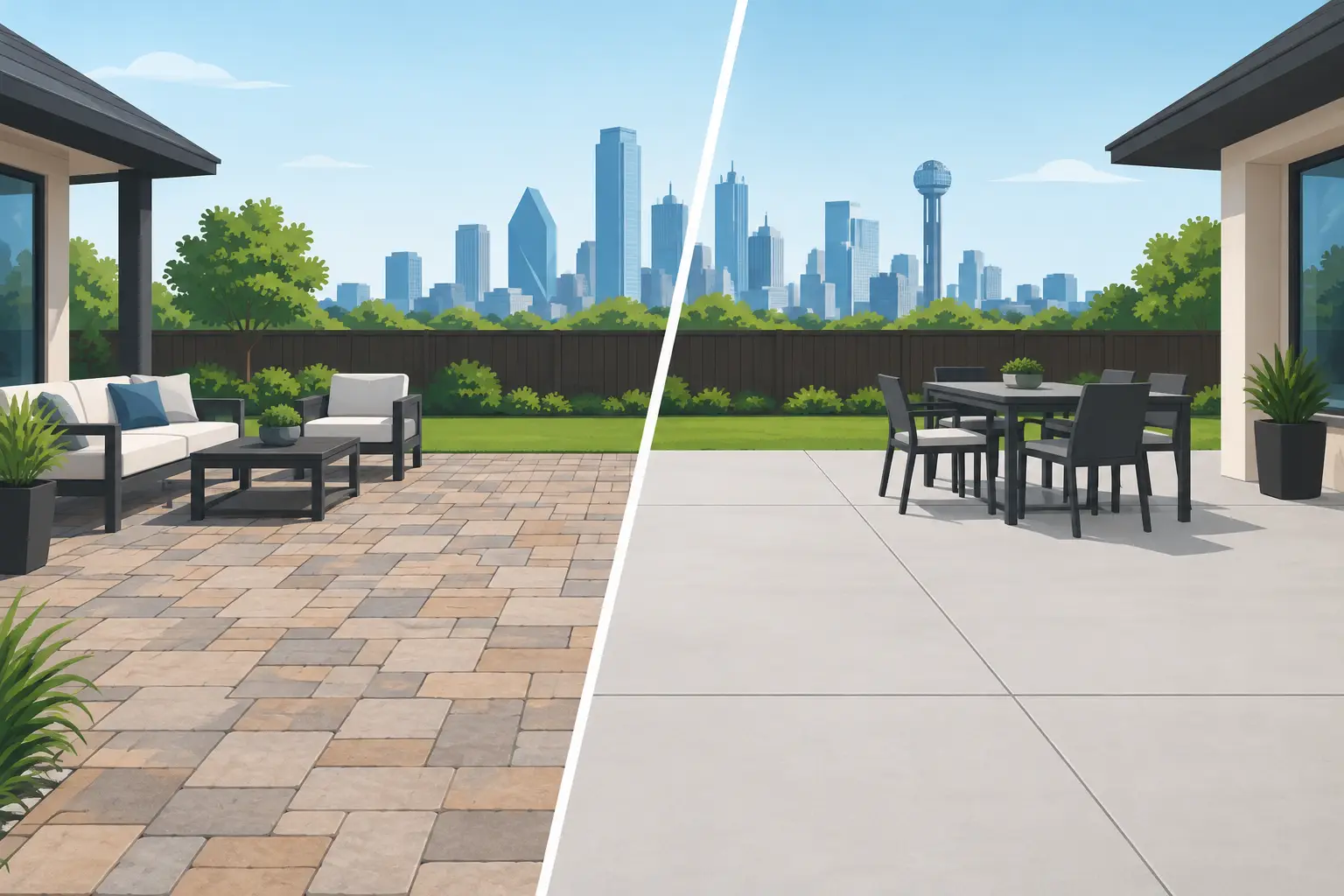
Stone, flagstone, pavers, retaining walls, pathways, and planting beds add structure around synthetic grass. The contrast between green turf and natural stone can make a compact backyard feel more intentional. Around a pool, turf can soften the space, reduce tracked-in dirt, and provide a clean surface between hardscape areas.
The balance matters. Too much hardscape can make a yard feel hot and uninviting, while turf installed without defined borders can look flat. Thoughtful layout gives each part of the yard a purpose: room to play, a place to grill, a comfortable path to the gate, or a quiet corner to sit outside.
What Homeowners Can Expect During Installation
Most residential projects move quickly once the materials and design are finalized, though the timeline depends on access, weather, drainage work, hardscape additions, and the size of the yard. The noisiest and messiest part is usually demolition and base preparation. That phase is necessary to build a surface that lasts.
Before work starts, clear furniture, toys, pots, and other removable items from the project area. Let the installation team know about irrigation lines, electrical wiring, landscape lighting, or other features that may be underground. If irrigation is no longer needed in the turf area, it can often be capped or adjusted as part of the overall plan.
After installation, the turf may need a final brushing as fibers settle into place. Leaves, dirt, and pet waste should still be removed regularly. A rinse with a hose can wash away dust and help freshen high-use areas. For most homeowners, that is a much easier routine than mowing, fertilizing, edging, reseeding, and trying to keep grass alive through a Dallas summer.
Sod Green approaches synthetic turf as a complete outdoor surface installation, not a quick cover-up. Proper preparation, clean finish work, and practical drainage planning are what turn an artificial lawn into a dependable part of your property.
A better yard should give you more time to use it, not more weekend work to keep it presentable. When the foundation is built correctly and the turf matches your lifestyle, your outdoor space can stay green, clean, and ready for company in every season.


Leave A Comment