 Skip to content

A strong curb appeal transformation does more than make a house look better from the street. It fixes the parts of your property that feel unfinished, worn out, or difficult to maintain. For Dallas homeowners, that often means replacing thin grass, addressing standing water, cleaning up awkward edges, and creating an entrance that looks cared for in every season.
The best results do not come from adding random plants or covering a problem lawn with mulch. They come from looking at the entire front yard as one project: the turf, the soil, the driveway edges, the walkway, the beds, and the drainage all need to work together. When they do, your home makes a better first impression without adding another demanding weekend chore.
Start With What People See First
Most curb appeal problems are easy to spot from the sidewalk. Patchy grass, exposed dirt, dead spots near the driveway, uneven borders, and faded planting beds can make an otherwise well-kept home look neglected. In North Texas, intense heat and inconsistent rain can turn a small lawn issue into a front-yard eyesore fast.
Start by standing across the street and taking an honest look at the property. Notice where your eye goes first. Is the lawn bare along the curb? Does the walkway lead visitors cleanly to the entry? Are shrubs blocking windows or crowding the front door? Does water collect near the foundation after a hard rain?
This view helps you prioritize work that delivers the biggest visual payoff. A fresh lawn may be the right answer for one property. Another may need a defined stone border, improved drainage, or a new walkway before any sod or turf goes down. Spending money on the wrong improvement can leave the original problem sitting in plain sight.
Choose a Lawn Surface for Dallas Conditions
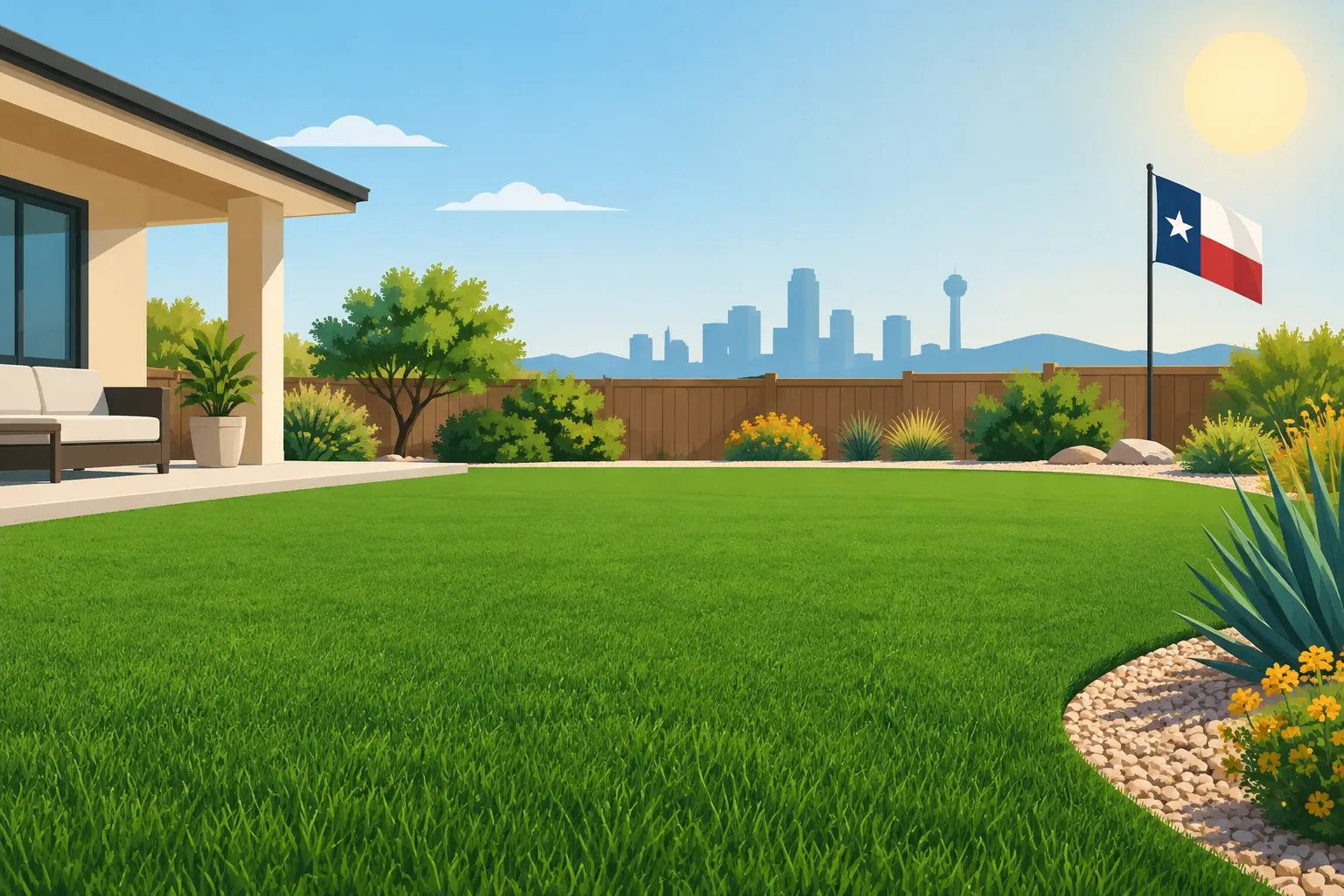
The lawn carries a large share of your home’s street appeal, so it deserves more thought than simply picking what looks green at the garden center. Dallas-area yards face summer heat, compacted soil, shade from mature trees, pet traffic, and watering restrictions that can change how a natural lawn performs.
When fresh sod makes sense
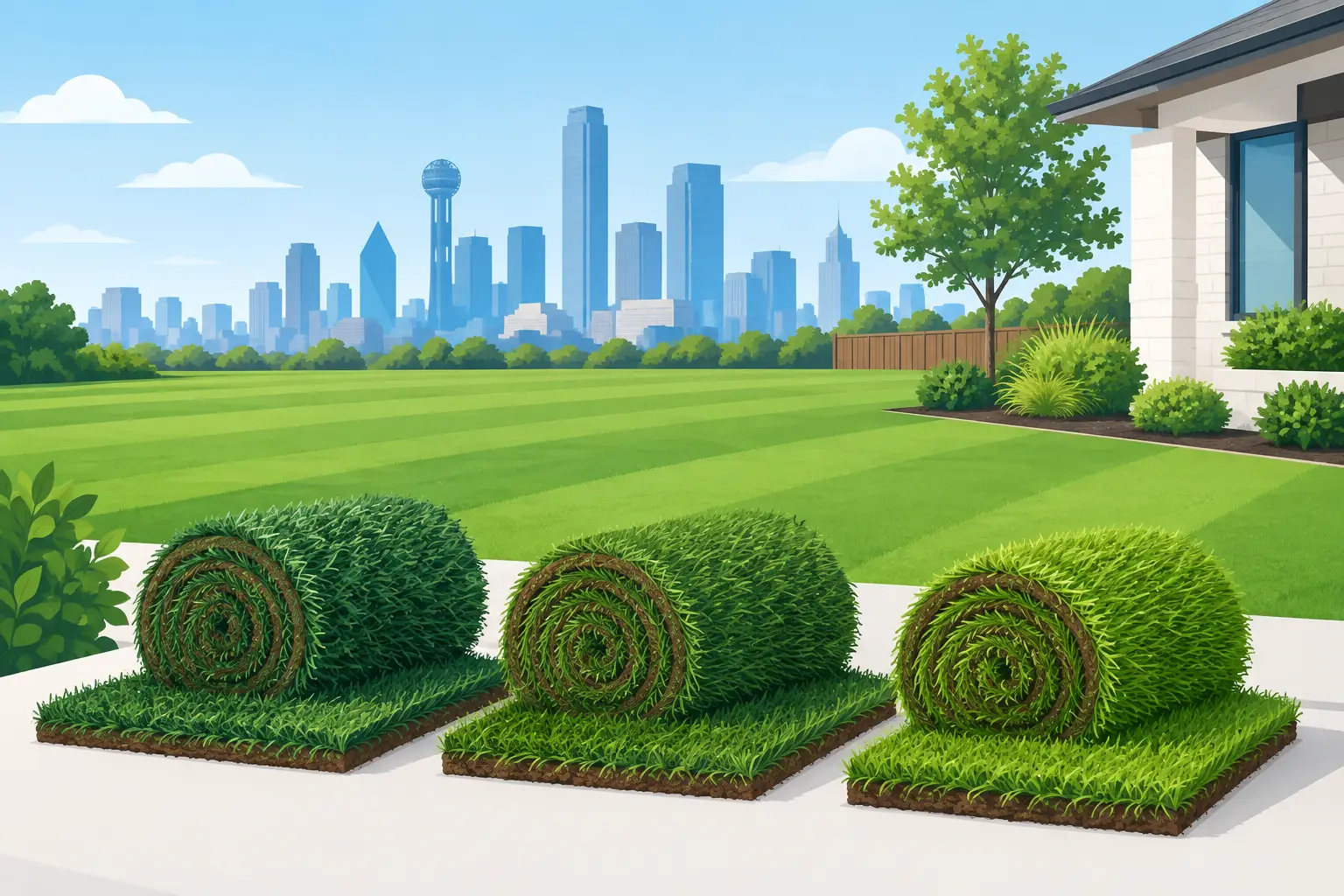
New sod is a practical choice for homeowners who want the natural look and feel of real grass with an immediate visual improvement. It is especially effective when an existing lawn has widespread thinning, weeds, or bare dirt that makes spot repairs feel endless. A properly prepared and installed sod lawn can give the front yard a finished appearance quickly.
However, sod still needs watering, mowing, seasonal care, and the right amount of sunlight. It is a good fit when you enjoy a real lawn and are prepared to maintain it. The key is proper ground preparation. Laying sod over poor soil, drainage problems, or old debris may look good for a short time, but the underlying issues can return.
When artificial grass is the better fit
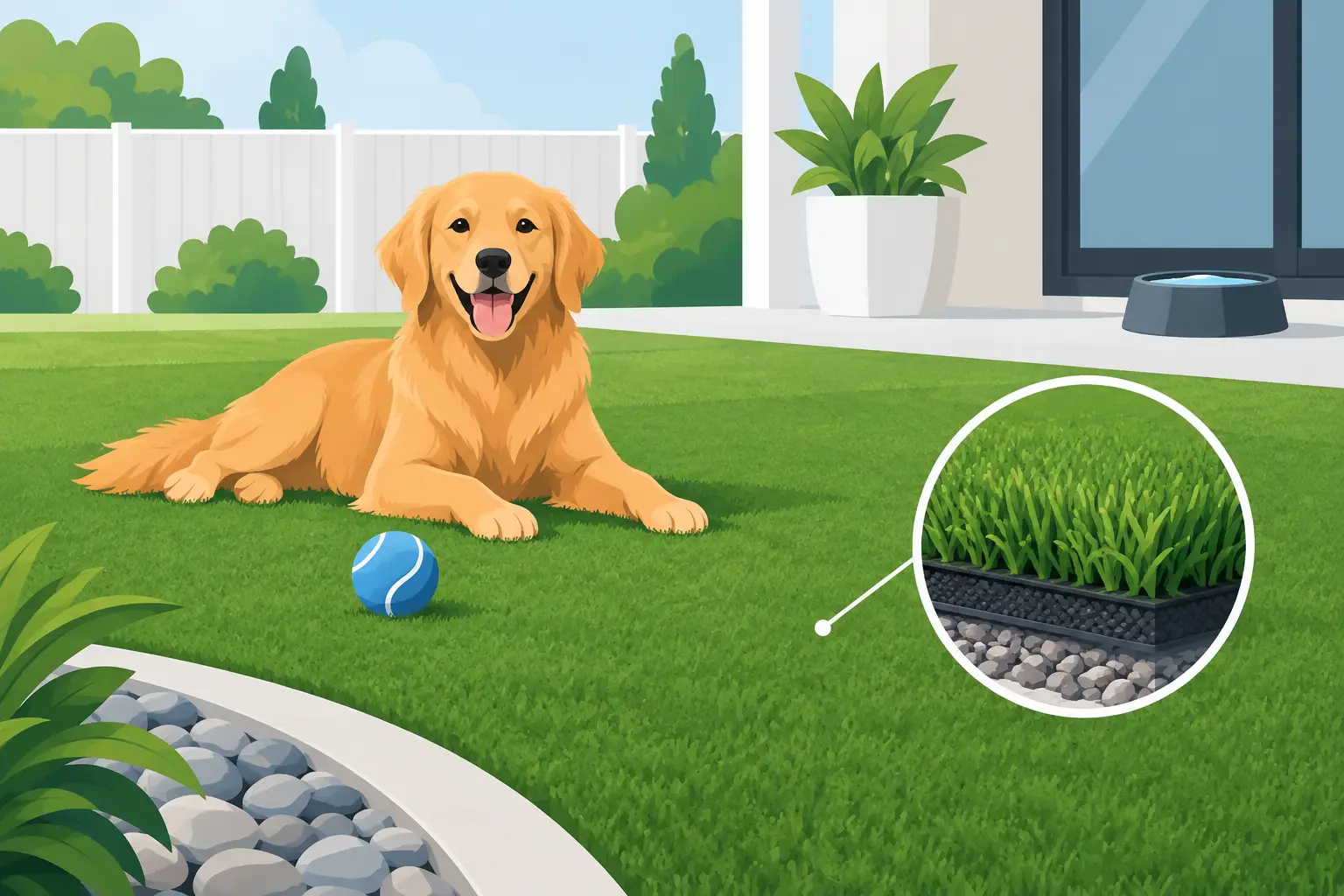
Artificial grass can be a smart option for highly visible areas that struggle to stay green. It works well in narrow side strips, small front yards, shaded sections, dog runs, and spaces where water use and weekly mowing are a concern. Quality synthetic turf gives homeowners a consistent green appearance without the regular cutting, fertilizing, and reseeding that natural grass requires.
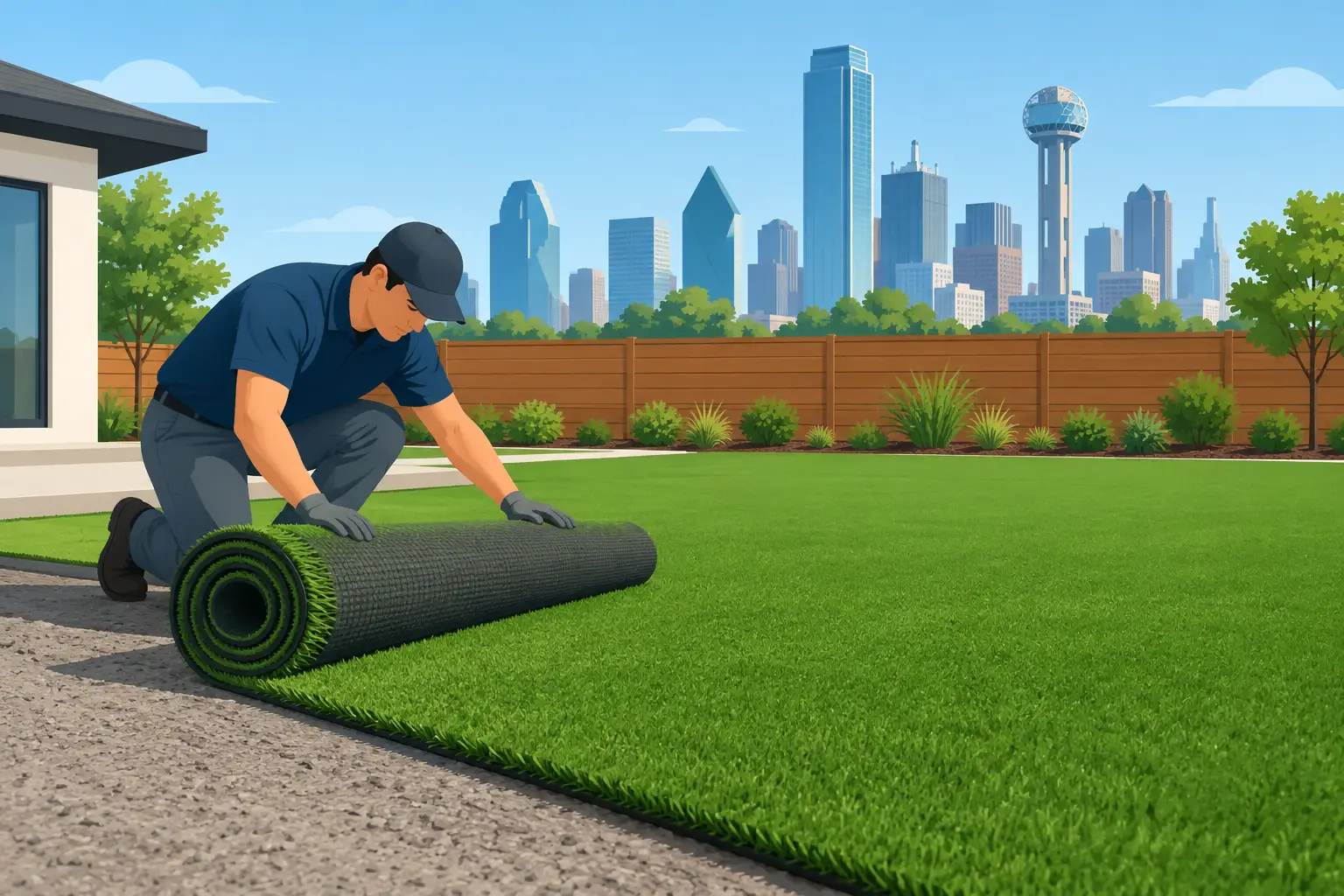
That does not mean artificial grass is the automatic answer for every yard. Material quality, proper base preparation, drainage, and installation details matter. Turf that is installed without the correct foundation can shift, hold odors, or drain poorly. A professional installation should account for the grade of the lot, the intended use of the space, and how water moves across the property.
For many homes, a mixed approach works best. Natural sod can soften larger lawn areas while artificial turf solves high-traffic or difficult growing zones. The goal is not to force one product across the entire property. The goal is a yard that looks good and functions well for your household.
Build Clean Lines With Hardscape Features
A neat lawn alone can improve appearance, but defined hardscape features give the front yard structure. Stone edging, flagstone walkways, paver paths, and small retaining walls create clean transitions between grass, beds, and traffic areas. They also help prevent the blurred, overgrown look that develops when mulch, soil, and turf run together.
A walkway is one of the most useful curb appeal upgrades because it serves both form and function. If visitors naturally cut across the lawn to reach the entry, or if the current path feels too narrow or cracked, a better route can change how the whole front yard feels. Flagstone can bring a more natural Texas look, while pavers provide a clean, tailored finish. The best material depends on the home’s architecture, the surrounding landscape, and the amount of foot traffic the area receives.
Retaining walls can also do more than hold back soil. On sloped lots, they can create usable planting areas, establish stronger visual layers, and keep erosion from washing out beds after heavy rain. The work needs to be built correctly from the base up. A wall that looks good on installation day but shifts after a season is not a good investment.
Do Not Ignore Drainage During a Curb Appeal Transformation
Drainage is not always visible on a sunny day, but it can decide whether a front-yard upgrade lasts. Standing water can damage turf, wash away mulch, stain hardscape, and create muddy areas near the driveway or entry. More seriously, poor grading around the home can push water toward the foundation.
Before installing sod, artificial grass, or stone, assess where runoff goes. Downspouts, low areas, compacted soil, and improper grading can all create trouble. Sometimes the right fix is a subtle grade adjustment. Other properties may need drainage solutions that move water away from problem areas before surface materials are installed.
This is where a full-service installer can save time and frustration. When drainage, turf, and hardscape work are planned together, the finished yard is less likely to be torn up later to correct a preventable issue. A clean final result starts below the surface.
Use Planting Beds as an Accent, Not a Burden
Front planting beds should frame the house and entry, not become a constant maintenance project. A few well-placed shrubs, ornamental grasses, or seasonal color areas can add contrast against fresh sod or turf. But overcrowding beds with too many varieties often creates an uneven look and more pruning, watering, and replacement work.
Keep the design tied to the home’s scale. A single-story home may benefit from lower, wider plantings that do not hide the facade. Taller accents can work near corners or around an entry, but they should not block windows, lighting, or the path to the front door. Fresh mulch and sharp bed edges deliver an immediate upgrade even when the plant palette stays simple.
Lighting can add another layer of polish. Low-voltage path lights or carefully aimed accent lights make walkways safer and help the property look finished after sunset. Avoid over-lighting the yard. The best exterior lighting highlights key features without turning the front lawn into a stage.
Plan the Project in the Right Order
Order matters when several improvements are involved. Drainage and grading should come first, followed by retaining walls, walkways, and other hardscape work. Planting beds, sod, or synthetic turf should follow after the major construction is complete. This protects finished surfaces from unnecessary damage and keeps the job site cleaner.
It also helps to choose materials that belong together. A polished modern home may look right with crisp paver borders and structured turf lines. A more traditional Texas property may benefit from natural stone, warm mulch, and broad sod areas. There is no single style that works for every home, but the front yard should feel connected to the architecture rather than added as an afterthought.
For homeowners who want one contractor to handle the full scope, Sod Green can coordinate turf, sod, stone, drainage, and landscape installation into one clear plan. That means fewer handoffs, cleaner scheduling, and a front yard designed to look complete when the work is finished.
A curb appeal transformation is worth doing with a long view in mind. Choose surfaces and features that match how you actually use your property, solve the problems you already have, and give you a front yard you are proud to come home to.



Leave A Comment