 Skip to content
A patchy, thirsty lawn can make an otherwise beautiful Dallas home look unfinished. Between long summer heat, water restrictions, heavy foot traffic, pets, shade, and clay soil, traditional grass does not always perform the way homeowners expect. The right lawn alternatives can give you a cleaner, more usable yard without committing to another season of bare spots, mud, and weekend lawn work.
The best choice depends on how you use the space. A family with dogs has different needs than a homeowner building a pool surround, a front-yard curb appeal upgrade, or a backyard putting green. The goal is not simply to replace grass. It is to install an outdoor surface that looks right, drains properly, and holds up for years.
Why Dallas Homeowners Look Beyond Natural Grass
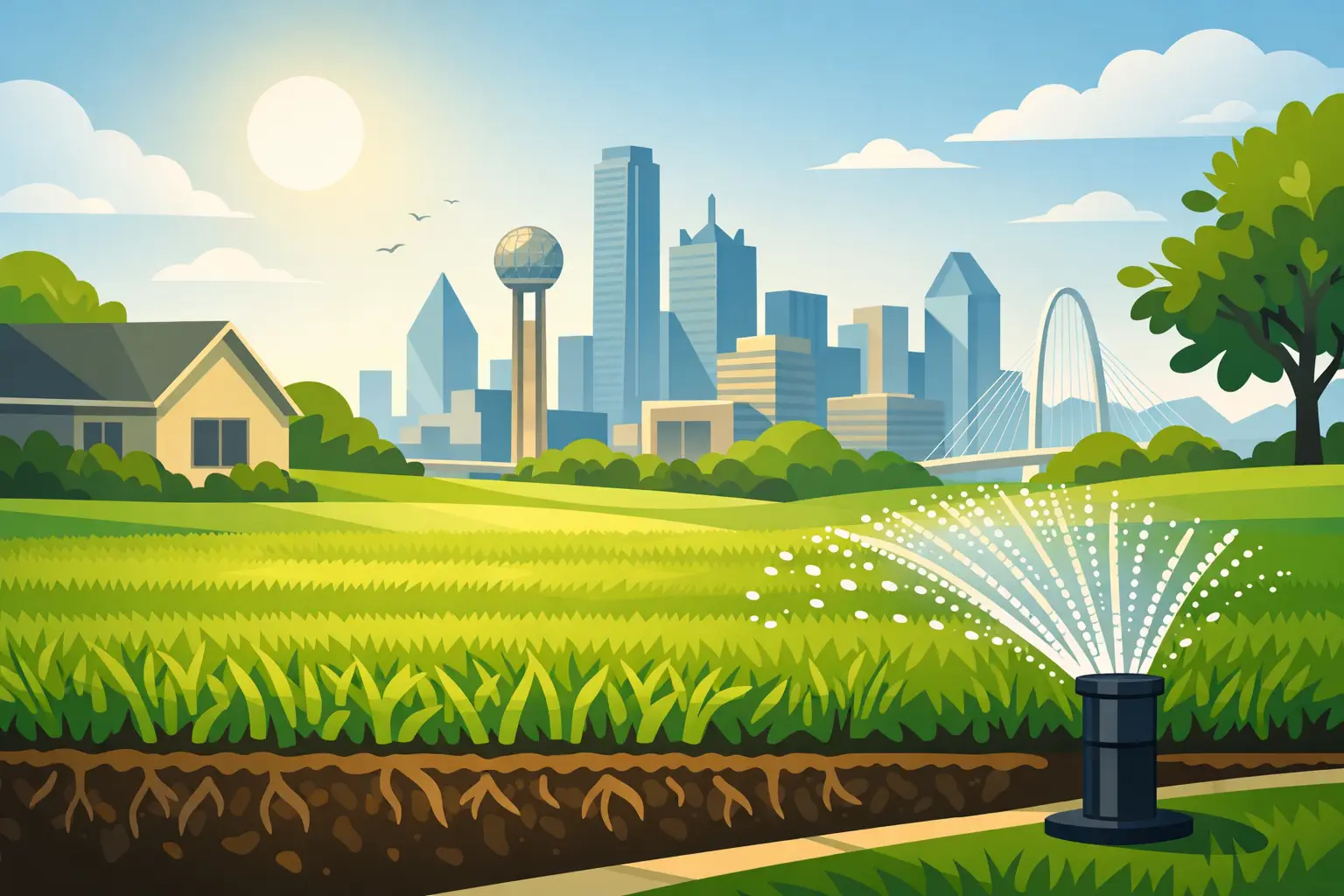
Natural grass can look great when it is installed correctly and maintained consistently. But it needs watering, mowing, fertilizing, weed control, and occasional repair. In North Texas, extreme heat can stress turf quickly, while heavy rain can expose drainage issues and turn worn areas into mud.
Some yards also have conditions that work against grass from the start. Dense shade under mature trees, narrow side yards, steep slopes, pet runs, and high-traffic pathways are common trouble spots. Re-sodding these areas without fixing the underlying issue often creates the same problem again.
A smart landscape plan uses the right material for each part of the property. That might mean natural sod in the main lawn, artificial turf around a pool, pavers for a walkway, and stone in a low-traffic side yard. A mixed design often delivers better long-term results than trying to force one surface across the entire yard.
Artificial Turf: A Clean, Low-Maintenance Option
Artificial grass is one of the most popular lawn alternatives for Dallas-area homeowners because it delivers a green, finished look through heat, drought, and heavy use. Quality synthetic turf does not require mowing, watering, or fertilizing, and modern systems can be designed for pets, play areas, pool decks, and putting greens.
The installation beneath the turf matters as much as the turf itself. A dependable system starts with proper excavation, a stable base, grading, and drainage planning. When the base is rushed or poorly compacted, turf can develop low spots, seams, or drainage problems. Professional installation helps create a level, durable surface that looks natural and stays put.
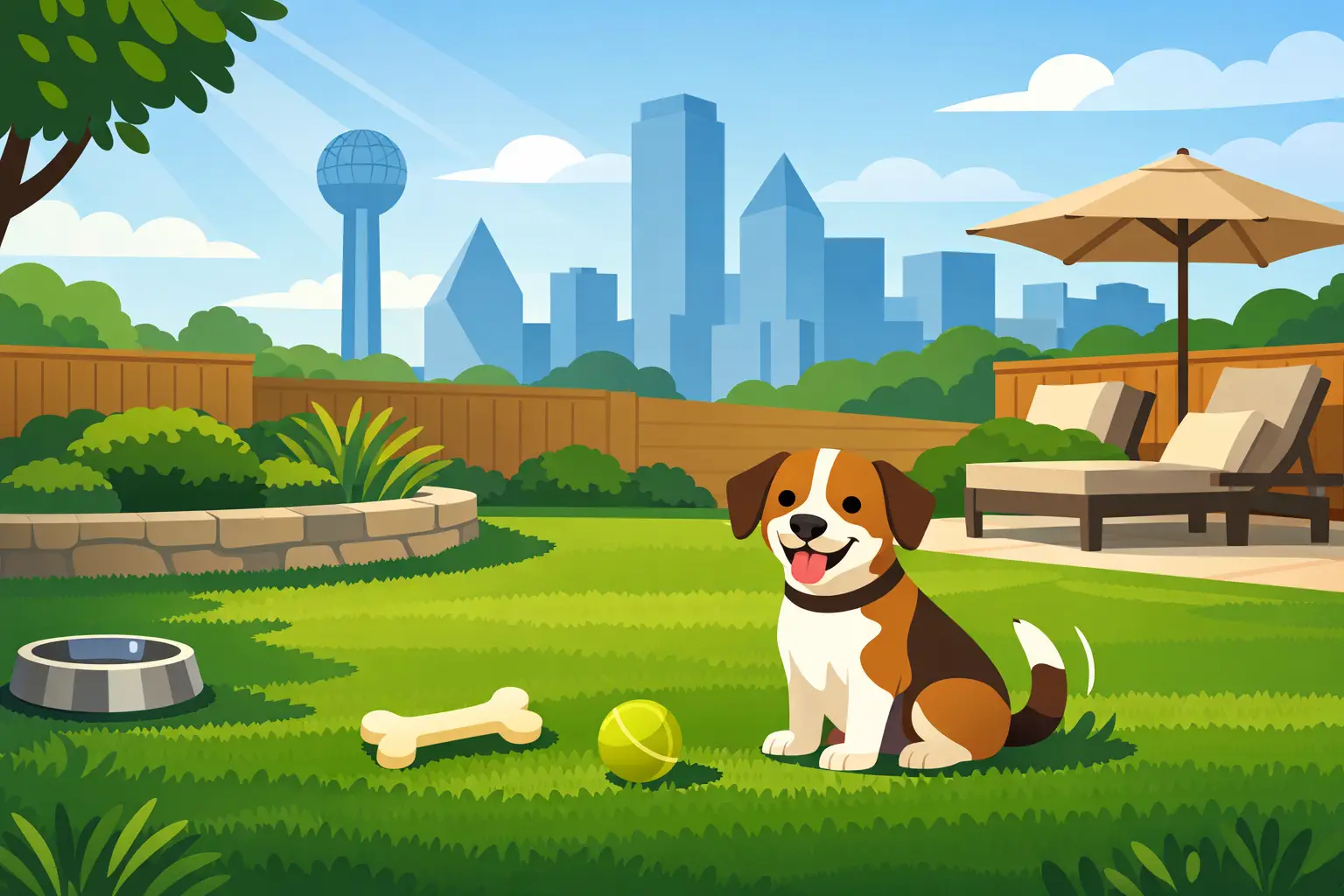
Turf is especially practical for pet owners. It eliminates worn paths and muddy paws, and pet-focused systems can include drainage and odor-control materials. It still needs basic care, including rinsing when needed, removing pet waste, and occasionally brushing high-traffic areas. It is low maintenance, not no maintenance.
Artificial turf does have trade-offs. It can feel warmer than natural grass in direct summer sun, especially on south- and west-facing areas. The right turf selection, infill, shade planning, and irrigation access can help manage heat. For many homeowners, the reduced water use and consistently polished appearance make that trade-off worthwhile.
Best uses for artificial turf
Artificial grass works particularly well in backyards with pets or children, small urban yards, poolside spaces, shaded areas where grass struggles, and front lawns where curb appeal matters year-round. It can also create a clean foundation around patios, fire features, and outdoor kitchens.
Fresh Sod: The Right Choice When You Want Real Grass
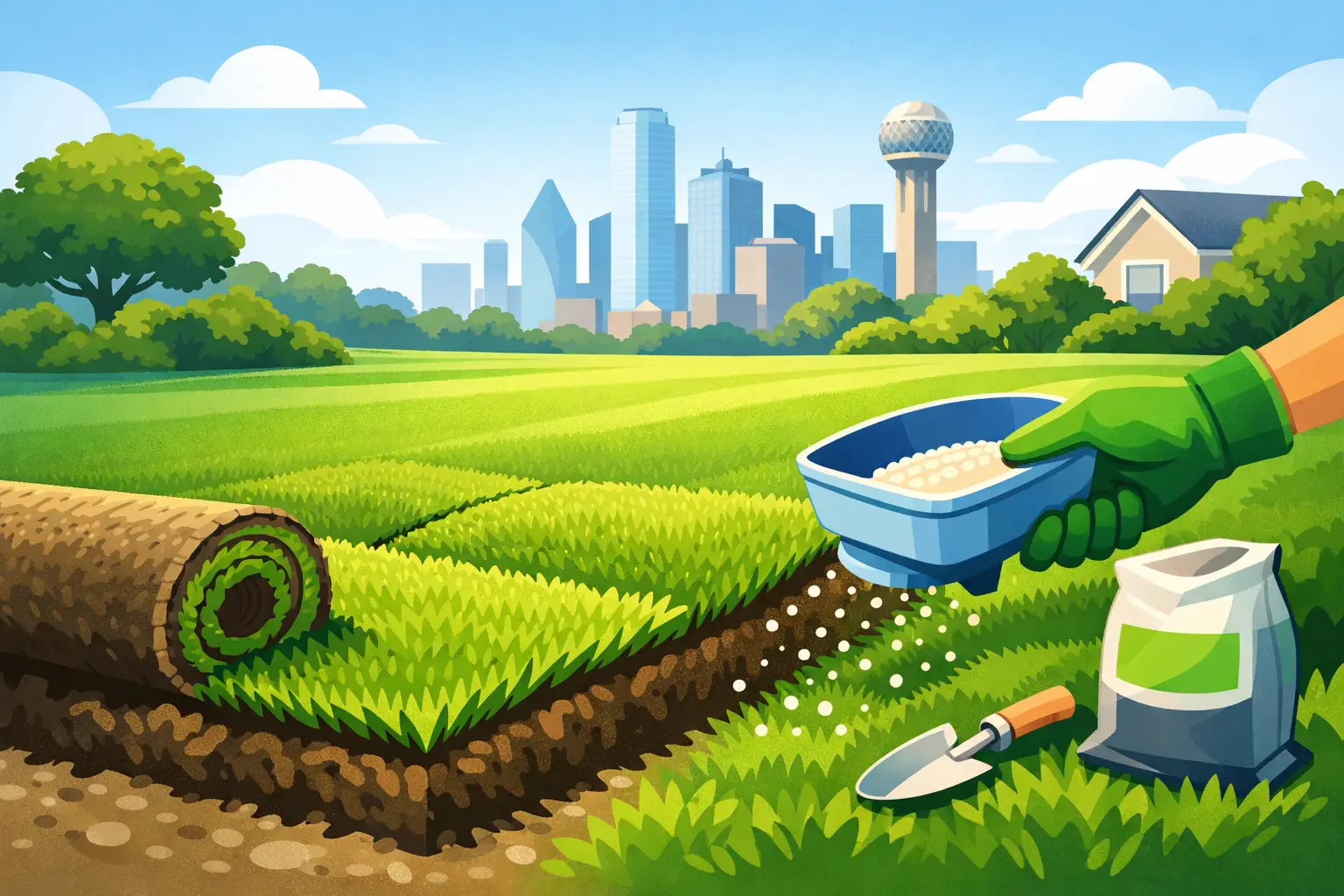
Replacing a tired lawn does not always mean replacing grass entirely. Fresh sod is a strong option for homeowners who prefer the feel, cooling effect, and natural appearance of a living lawn. Unlike seeding, sod provides an immediate transformation and helps establish a more uniform yard quickly.
In Dallas, choosing the right grass variety is critical. Bermuda performs well in full sun and handles traffic, while St. Augustine is often selected for areas with more shade. Zoysia can provide a dense, refined appearance but may require more patience and maintenance. There is no single best sod for every property because sun exposure, irrigation, soil conditions, and how the yard is used all matter.
The biggest mistake is installing sod over poor preparation. Old weeds, uneven soil, compacted ground, and drainage problems can keep new sod from rooting properly. A professional sod installation should include site preparation, grading where needed, and clear guidance on watering during establishment.
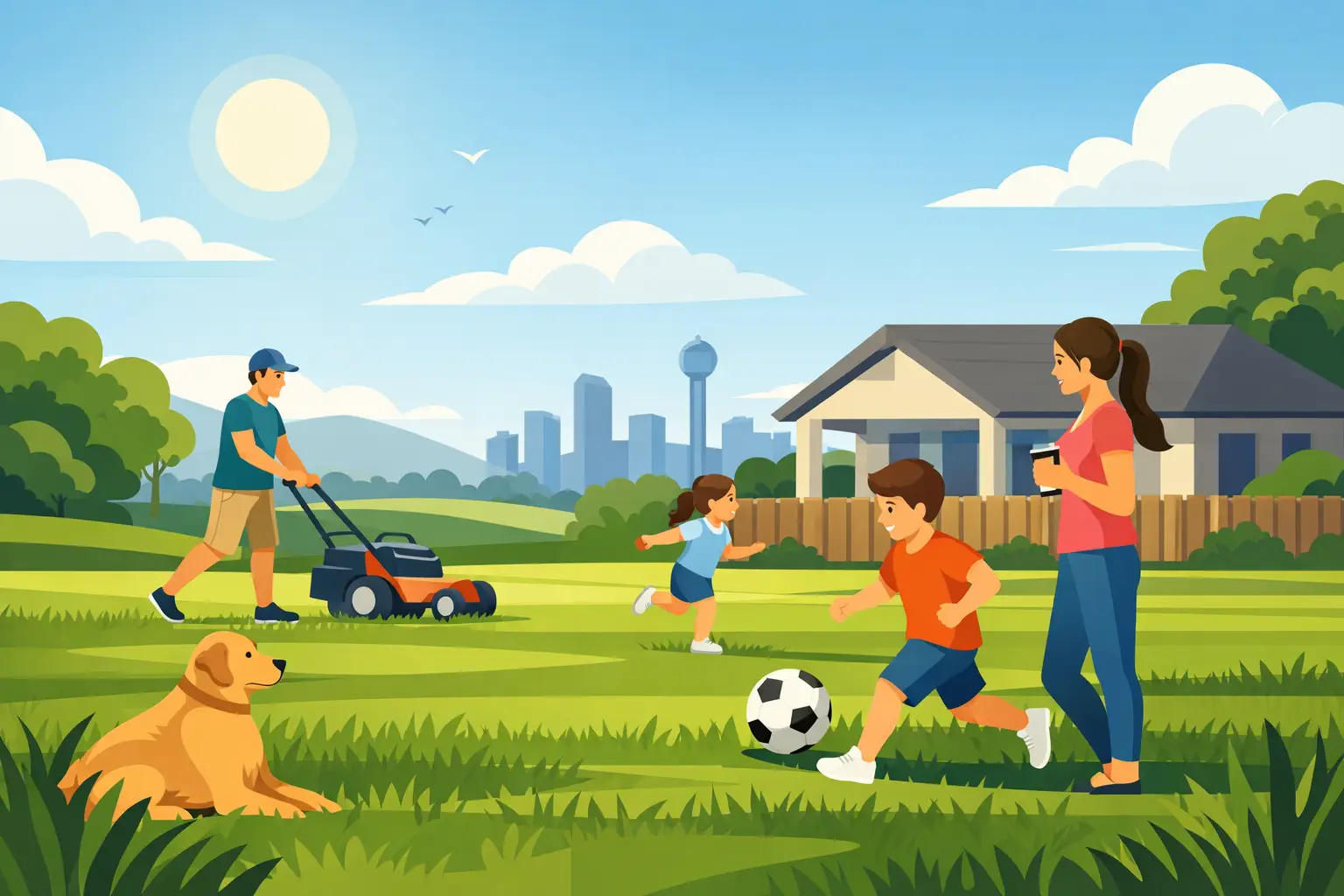
Sod is a good fit when you want a real lawn for children, outdoor gatherings, or a traditional front yard. Just be realistic about upkeep. A healthy natural lawn remains an ongoing commitment, particularly through a Texas summer.
Stone, Gravel, and Hardscape for High-Impact Areas
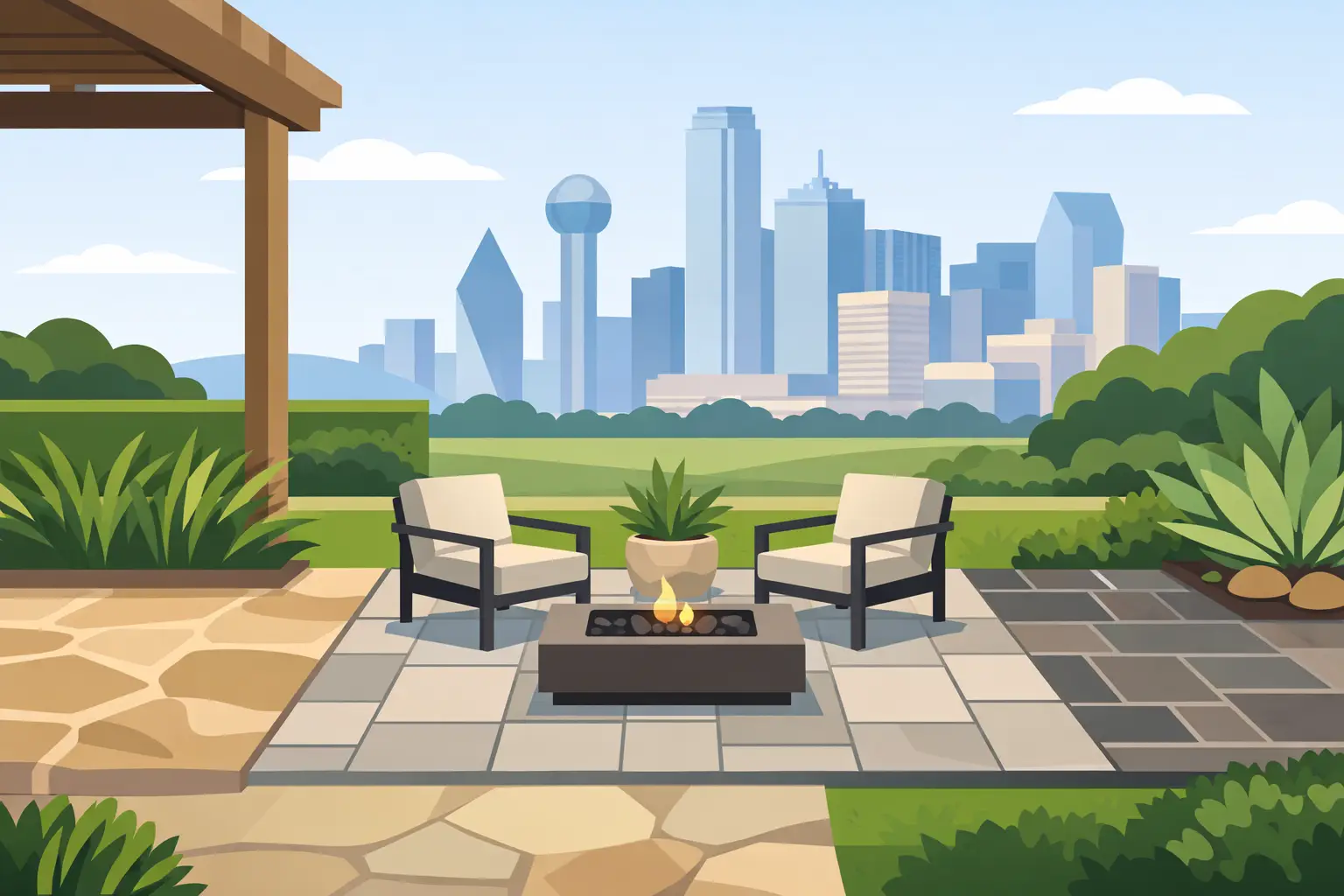
Hardscape materials are often the most durable answer for areas where grass has no real chance to thrive. Flagstone patios, paver walkways, gravel sections, retaining walls, and decorative rock can turn a difficult or underused part of the yard into a functional feature.
A stone pathway through a side yard can prevent ruts and mud. A paver patio can create room for dining and entertaining. Decorative gravel around trees or along a fence line can reduce maintenance and provide visual contrast. These surfaces are not meant to replace every square foot of lawn, but they can eliminate the most frustrating areas to maintain.
Drainage must be part of the conversation. Gravel alone does not solve standing water if the yard is graded incorrectly. Water needs a planned route away from the home and away from areas where it can undermine pavers, wash out material, or collect near foundations. The best outdoor upgrades combine appearance with practical site work.
Hardscape also adds structure to a landscape. It creates defined zones for walking, seating, grilling, and play, which can make a backyard feel larger and more intentional. For homeowners who want a major transformation, combining artificial turf with flagstone or pavers often delivers a high-end look with less maintenance than a full natural lawn.
Ground Cover and Mulch: Useful in the Right Places
Ground cover plants and mulch can work well in planting beds, under trees, and around landscape features. They are not usually the best choice for active play areas or pet runs, but they can reduce exposed soil and soften the look of stone or hardscape.
Mulch helps retain moisture and gives beds a neat, finished appearance, though it needs periodic replenishment. Ground cover plants need time to establish and still require irrigation and occasional trimming. In shaded locations, they may outperform grass, but they are not a zero-work solution.
For a low-maintenance design, use these materials where they make sense rather than expecting them to function like a lawn. A well-defined bed, clean edging, and healthy plant selection can add color and texture without creating another demanding surface to maintain.
How to Choose the Best Lawn Alternative for Your Property
Start with the problem you are trying to solve. If you are tired of mowing and watering, artificial turf may be the answer. If your lawn is healthy except for a few worn areas, new sod and improved drainage may be enough. If you need more entertaining space, a patio or hardscape upgrade may provide more value than another section of grass.
Next, consider sun, drainage, traffic, pets, and budget. A heavily shaded yard needs a different plan than an open, sunny lot. A backyard used by large dogs needs durable materials and drainage. A pool area needs surfaces that are easy to clean and comfortable to use. Good recommendations come from looking at the entire property, not selling one product for every situation.
It also pays to think ahead. If you expect to add a patio, playset, fire pit, or outdoor kitchen later, plan the layout now. Installing turf, sod, or stone in the right order can prevent unnecessary removal and added cost down the road.
A professional consultation can identify issues that are easy to miss, including poor grading, drainage paths, irrigation concerns, and base preparation needs. Sod Green helps Dallas-Fort Worth homeowners build outdoor spaces that are attractive, durable, and practical from the ground up.
Your yard should work for the way you actually live. Whether that means a natural sod lawn, pet-friendly turf, a stone patio, or a combination of surfaces, the right installation can replace constant lawn frustration with an outdoor space you are proud to use every day.


Leave A Comment