 Skip to content

A new paver patio should make your backyard easier to enjoy, not send water toward your foundation after every North Texas storm. So, are pavers good for drainage? They can be, but the answer depends far more on the installation below the pavers than on the pavers themselves.
A properly planned paver surface can move water away from the house, reduce muddy spots, and create a clean, durable outdoor area. A poorly built one can trap water, shift over time, and make an existing drainage problem worse. For Dallas-area homeowners, where heavy rain and clay soil are common, getting the base, slope, and drainage plan right is not an optional extra.
Are Pavers Good for Drainage in Dallas Yards?
Pavers are generally a better drainage choice than a solid concrete slab when they are installed correctly. Individual pavers have joints between them, allowing some water to pass through rather than forcing every drop to run across the surface. Those joints also make paver systems more flexible than poured concrete, which matters when Texas soils expand and contract.
That said, standard pavers are not automatically permeable. Many traditional paver patios use tightly packed joints filled with polymeric sand and a compacted gravel base. They shed most water across the top just like other hard surfaces. The difference is that an experienced installer can grade that surface precisely and direct runoff to a safer place.
If drainage is a major concern, permeable pavers may be the better fit. These systems use wider, aggregate-filled joints and an open-graded stone base designed to store and filter water as it moves into the soil or a drainage outlet. They can reduce surface runoff significantly, but they require the right soil conditions, excavation depth, and maintenance plan.
What Makes a Paver Patio Drain Well?
A drainage-ready patio starts before the first paver is set. The finished surface should slope away from the home, usually at least 1/8 to 1/4 inch per foot. That slope may look nearly flat to the eye, but it gives rainwater a clear direction instead of allowing it to collect near walls, doors, or low spots.
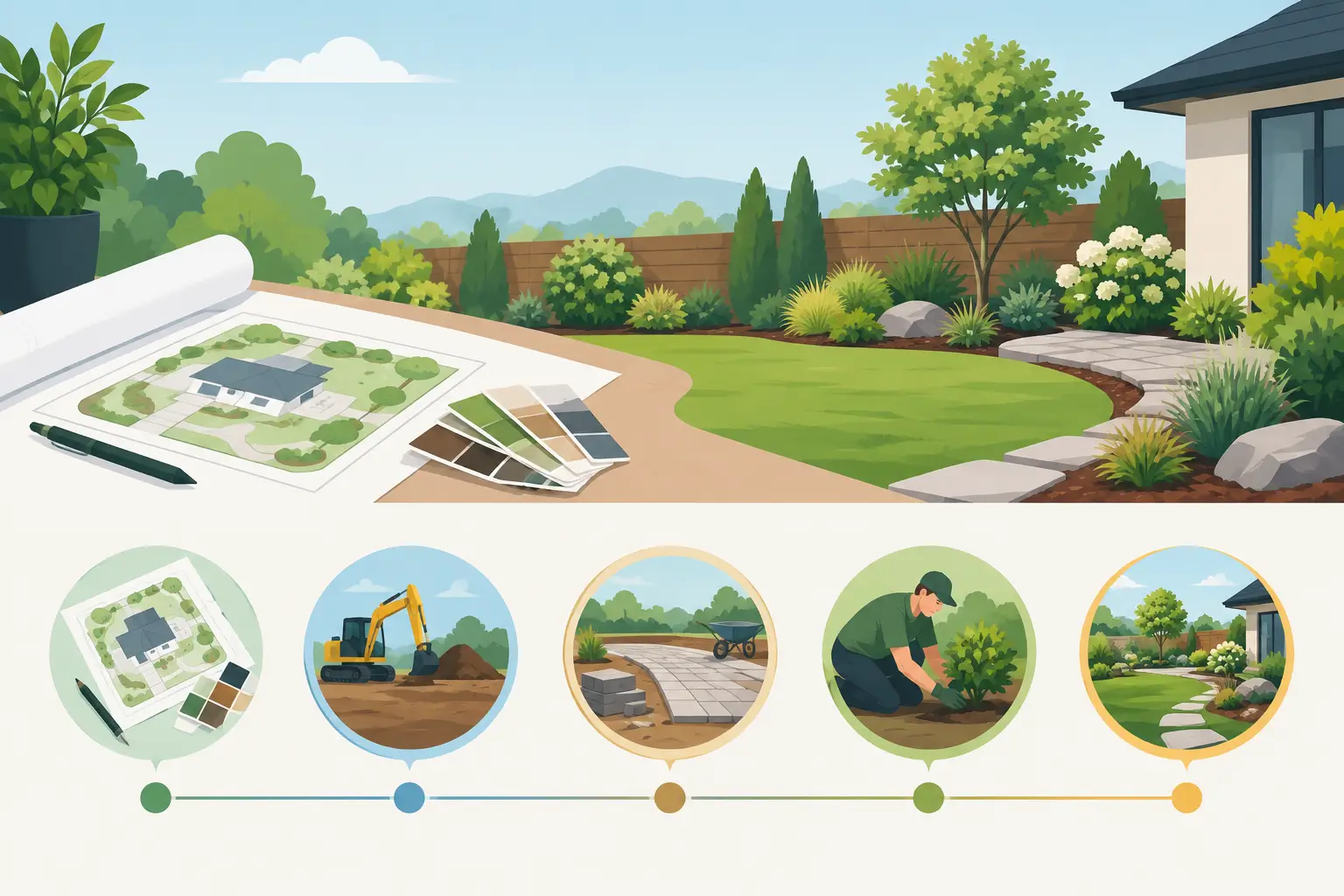
The base matters just as much. A professional installation typically includes excavation, a compacted aggregate base, leveling material, edge restraints, and properly installed pavers. Base depth varies by the project, soil condition, and intended use. A small pedestrian walkway does not need the same structure as a driveway or pool deck.
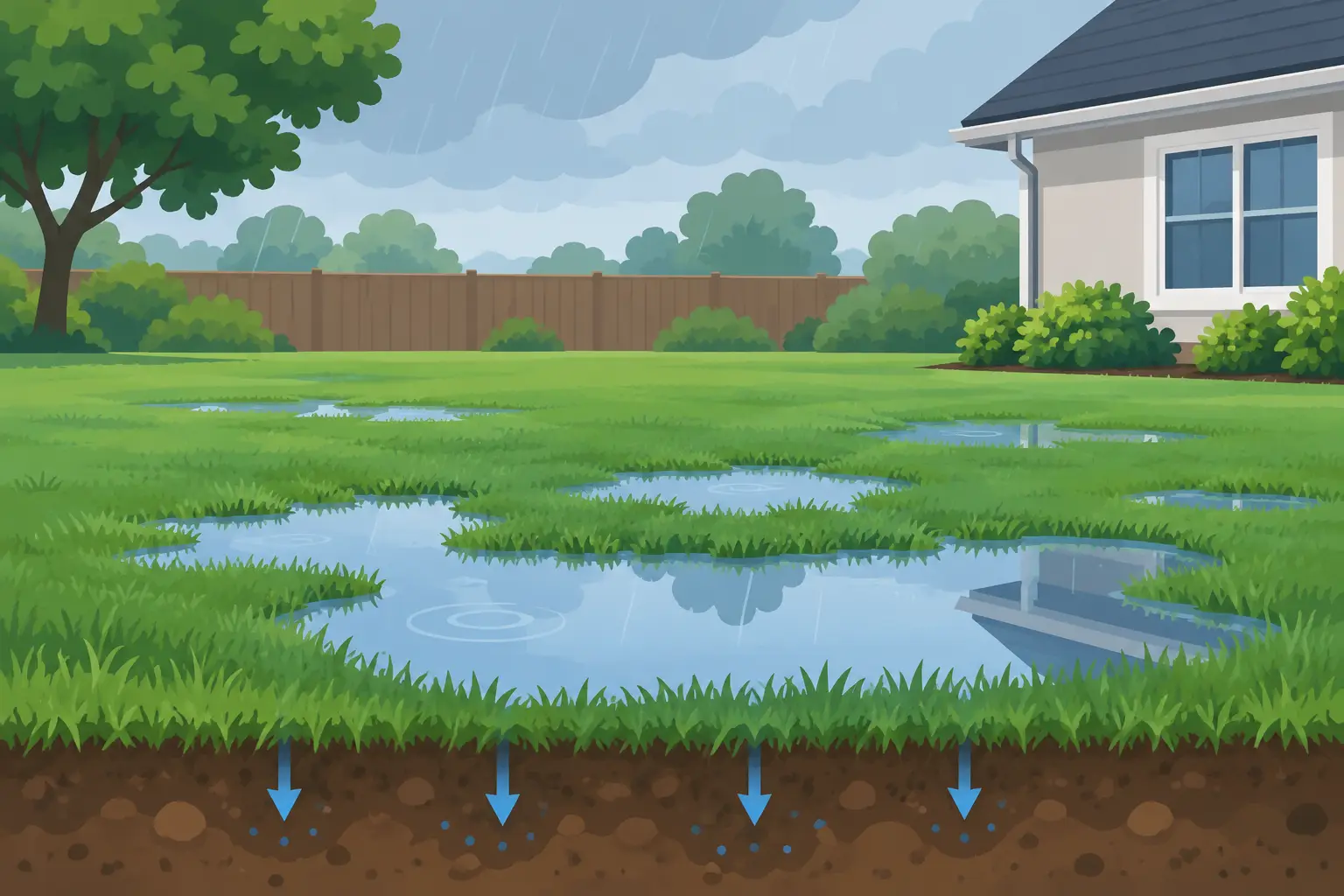
For many North Texas properties, the soil needs special attention. Dense clay can drain slowly, especially after a hard rain. If water cannot move down through the soil fast enough, a permeable system may need a drain line, collection area, or carefully designed stone reservoir below it. Simply adding pavers over a wet yard does not solve the source of the water.
Surface Drainage vs. Permeable Drainage
There are two practical ways to manage water around pavers. Surface drainage uses slope to move water off the patio or walkway toward a swale, landscape bed, channel drain, catch basin, or another approved discharge point. This is often the most dependable approach for conventional pavers and patios near a home.
Permeable drainage moves water through the paver joints and stone layers beneath the surface. It works well in certain driveways, walkways, and patios where the ground can accept water or where the system includes an outlet. It can also reduce puddling and help preserve the natural look of the landscape.
Neither method is automatically better. The right choice depends on your yard’s grade, the amount of runoff, nearby structures, soil type, and where the water can safely go. A backyard with a pool, retaining wall, or low-lying fence line often needs a more detailed plan than an open front walkway.
When Pavers Can Cause Drainage Problems
Pavers become a problem when they are installed without a complete site assessment. One common mistake is laying a patio too high against the house. This can cover weep holes, direct water toward the foundation, or create a step-down that collects debris and moisture near the exterior wall.
Another issue is an uneven or poorly compacted base. Water may settle in low areas, saturate the bedding layer, and contribute to shifting or sinking pavers. You may first notice the issue as standing water after rain, loose edges, or joints that repeatedly wash out.
Drainage failures also happen when a patio interrupts the route water already follows through the yard. If runoff once traveled across a gentle slope and a new hardscape surface blocks it, the water has to go somewhere. Without a swale, drain, or grade adjustment, it may end up against the house, under the patio, or in a neighbor’s yard.
Cheap installation often skips the steps homeowners cannot see. It may look good on day one, but weak base preparation and poor grading tend to show up during the first season of heavy rain. A clean-looking paver pattern is only part of a quality hardscape project.
Best Paver Options for Drainage
Traditional concrete pavers are a strong option for patios, walkways, and driveways when the surface is graded correctly. They are durable, repairable, and available in colors and patterns that suit modern, rustic, and natural-stone landscapes. For most homeowners, conventional pavers paired with intentional surface drainage provide excellent long-term performance.
Permeable interlocking concrete pavers are built specifically for water management. The joints are filled with small stone instead of standard joint sand, creating channels for water to enter the engineered base. They are especially useful where reducing runoff is a priority, though they need periodic cleaning to keep sediment from clogging the joint material.
Natural stone and flagstone can also work well, but installation details are critical. Mortared stone behaves more like a solid slab and needs positive slope and drainage planning. Dry-laid flagstone can allow water through the joints, but its base still must be stable and designed for the soil beneath it.
Signs Your Yard Needs Drainage Work Before Pavers
Before adding a patio or walkway, look at what your yard does after a real rainstorm. Standing water that remains for more than a day, soft or spongy soil, erosion lines, water marks on the foundation, and recurring mulch washout are all signs that drainage deserves attention first.
Pay close attention to downspouts. Roof runoff can dump a surprising amount of water into one small area. If a downspout empties directly beside a future paver patio, it may undermine the base or create constant splash and staining. Extensions, buried drain lines, or catch basins can move that water away from the hardscape.
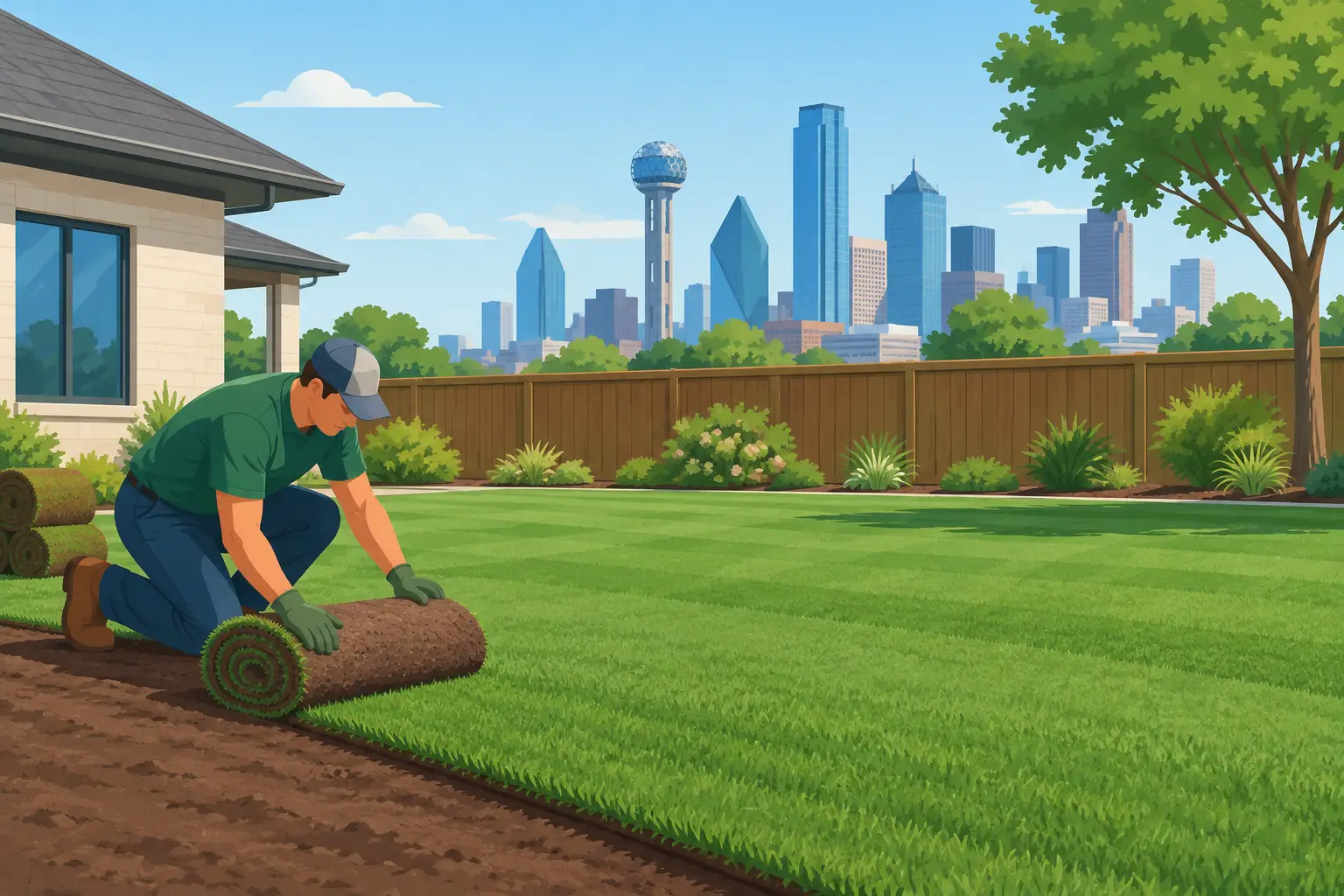
You should also consider existing landscape features. Artificial turf, sod, garden beds, retaining walls, and pool equipment all affect where water can travel. A well-designed outdoor renovation treats these elements as one system rather than installing each piece separately.
Maintenance That Protects Paver Drainage
Pavers are relatively low maintenance, but they are not maintenance-free. Keep leaves, soil, and grass clippings from building up in joints, especially with permeable paver systems. Fine debris can eventually limit water flow and encourage weeds.
Inspect the patio after major storms. Water should move off the surface without pooling, and the edges should remain firm. If joints are emptying, pavers are settling, or water is appearing where it did not before, address the issue early. Small repairs are simpler than rebuilding a base that has been compromised for years.
Avoid power washing too aggressively. High pressure can remove joint material and disturb the surface. When cleaning is needed, use an appropriate method and refill joints with the correct material afterward.
Choose the Drainage Plan Before the Paver Color
Paver color, pattern, and style matter because you want an outdoor space that looks finished and fits your home. But drainage planning comes first. The best patio is one that stays level, drains properly, and gives your family a comfortable place to spend time after the rain stops.
At Sod Green, our hardscape and drainage planning focuses on the details that protect the finished project: proper grade, dependable base preparation, clean edges, and a solution built for the way your Dallas-area yard handles water. When the water has a clear path, your pavers can do what they should – make the space more usable, more attractive, and easier to maintain.



Leave A Comment