 Skip to content
A good artificial lawn should look ready for guests, kids, pets, and backyard barbecues without the weekly mowing, watering, and mud. But low maintenance does not mean no maintenance. Knowing how to clean artificial turf protects its appearance, helps drainage work properly, and keeps your outdoor space smelling fresh through the Dallas heat.
Most turf cleaning is simple and takes far less time than caring for natural grass. The key is addressing debris, pet waste, spills, and compacted fibers before they become bigger problems. A few consistent habits can keep a synthetic lawn looking clean and professionally maintained for years.
Start With Regular Debris Removal
Leaves, twigs, grass clippings, pollen, and windblown dirt collect on artificial turf just like they do on any outdoor surface. If that material sits too long, it can break down, hold moisture, block drainage, and give weeds a place to grow around the edges.
Use a leaf blower, plastic rake, or soft-bristle broom to clear the surface. A leaf blower is often the easiest choice for larger Dallas backyards, especially after storms or during heavy leaf drop. Keep the blower on a moderate setting so you move debris without disturbing the infill.
Avoid metal-tined rakes. They can pull at turf fibers, damage seams, or displace infill. If your lawn has a lot of trees nearby, plan on a quick cleanup once a week during fall and after high-wind days. For lower-debris areas, cleaning every two to four weeks is usually enough.
How to Clean Artificial Turf With Water
A garden hose is one of the most useful tools for artificial turf maintenance. Light rinsing washes away dust, pollen, small bits of debris, and residue from pets or outdoor activities. It also helps cool the surface during hot Texas weather.
Rinse the turf as needed, concentrating on high-traffic sections, areas around patio doors, pet zones, and spots near grills or outdoor kitchens. You do not need to soak the entire yard every day. A thorough rinse once every week or two is often sufficient for a typical residential lawn, while homes with active dogs may need more frequent rinsing.
Use normal water pressure, not a pressure washer. High-pressure water can shift infill, separate seams, and damage the backing over time. Let the built-in drainage system do its job. If water pools or drains slowly after rinsing, that may point to compacted infill, a blockage, or an underlying drainage issue worth checking.
Pick Up Pet Waste Promptly
Artificial grass is a practical choice for pet owners, but it needs a little extra attention in the areas pets use most. Solid waste should be picked up promptly, just as it would be on natural grass. Once the area is clear, rinse it with a hose to wash away residue.
For urine, regular rinsing is the first line of defense. Urine can leave odor behind when it dries, particularly during long stretches of Dallas-Fort Worth summer heat. If a dog consistently uses the same section, rinse that spot several times a week rather than waiting for odor to build up.
When odor lingers, use an enzyme-based cleaner made for artificial turf and pet waste. These products break down the organic material causing the smell instead of covering it with fragrance. Follow the product directions, let it work for the recommended time, then rinse thoroughly.
Do not use bleach, harsh acids, or household cleaners that are not labeled for synthetic turf. They can discolor fibers, affect the backing, harm nearby plants, and leave behind a chemical residue where children and pets play.
Treat Spills and Stains Before They Set
Most everyday spills are easy to clean if you handle them quickly. Blot liquids with a clean towel or paper towels, then rinse the area with cool water. For food, mud, or sticky residue, use a small amount of mild dish soap mixed with water, gently work it into the fibers with a soft brush, and rinse completely.
The direction of the brush matters. Brush against the grain of the turf fibers to lift them upright, then rinse away the loosened material. Avoid aggressive scrubbing, especially on putting greens or shorter-pile turf, where the surface is designed for a consistent roll and finish.
Grease from a grill, sunscreen, paint, gum, and tree sap may require a specialized turf-safe spot cleaner. Test any product in an out-of-the-way area first. If you are unsure what caused a stain or the material has hardened into the surface, professional cleaning is safer than experimenting with strong chemicals.
Brush the Fibers to Prevent a Flattened Look
Foot traffic, patio furniture, kids playing, and pets running the same path can flatten turf blades over time. The lawn may still be clean, but it can start to look worn if fibers remain matted down.
Use a synthetic turf brush or a stiff broom with nonmetal bristles to fluff high-traffic areas. Work against the direction the fibers naturally lean. This lifts the blades, redistributes light surface debris, and restores the fuller appearance homeowners expect from a quality installation.
For most residential yards, brushing every month or two is enough. Busy pet areas, play spaces, and backyard putting greens may benefit from more frequent grooming. If the turf still looks flat after brushing, the infill may need to be redistributed or replenished.
Keep Weeds, Edges, and Drainage Under Control
Artificial turf greatly reduces weeds, but it cannot prevent every seed from landing on the surface. Small weeds may occasionally appear at the perimeter, along seams, or where turf meets a fence, flower bed, or hardscape. Pull them by hand when they are young. For persistent growth, use a turf-safe weed treatment carefully and keep it away from plants you want to protect.
Pay attention to the edges of the lawn. Leaves and soil can build up where turf meets concrete, stone, mulch, or garden beds. Clearing those borders helps water move freely and keeps the installation looking crisp.
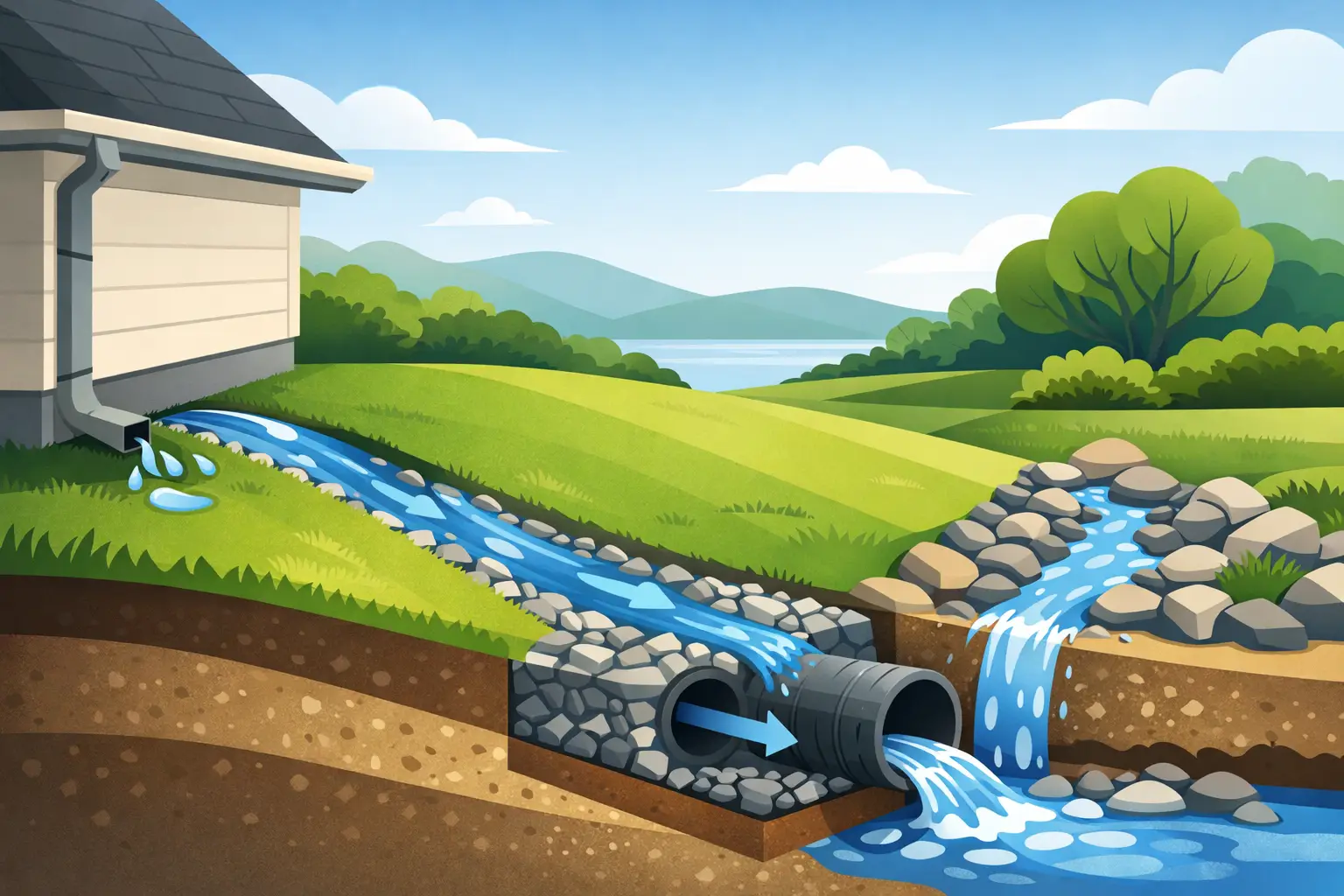
Drainage deserves special attention after heavy rain. Artificial grass is only as effective as the base and drainage system beneath it. Water should move through the turf instead of sitting on top. Standing water, recurring odor, sinking spots, or loose seams are not routine cleaning problems. They are signs that a trained turf professional should inspect the area.
What Not to Do When Cleaning Artificial Grass
Artificial turf is durable, but a few shortcuts can create expensive repairs. Avoid these common mistakes:
- Do not use a metal rake, wire brush, or sharp shovel directly on the turf.
- Do not apply bleach, gasoline, strong solvents, or harsh chemical cleaners.
- Do not use a pressure washer unless the turf manufacturer and installer specifically approve it.
- Do not park vehicles, trailers, or heavy equipment on the turf for extended periods.
- Do not place hot charcoal, fire pits, or grease-catching grills directly on the surface.
Heat damage is especially relevant in North Texas. Artificial turf can handle normal sunlight, but reflected heat from low-E windows, mirrors, shiny fencing, or metal surfaces can create concentrated hot spots. If you notice melted or curled fibers in one location, cleaning will not correct the issue. The heat source needs to be identified and managed.
A Simple Seasonal Turf Care Routine
A clean lawn is easier to maintain when the work is spread out. During spring, clear pollen, seed pods, and storm debris before it settles into the fibers. Summer calls for more rinsing in pet areas and around pools, grills, and outdoor entertaining spaces.
In fall, remove leaves regularly so they do not break down across the lawn. Winter maintenance is usually light in Dallas, but it is still smart to check seams, edges, and drainage after major rain events. A quick walk-through every month helps you catch small issues before they affect the appearance or function of the turf.
For homeowners who want the lawn, putting green, hardscape, and drainage areas working together, Sod Green can help identify whether a maintenance concern is surface-level or related to the installation underneath. A well-built turf system should make outdoor living easier, not add another weekend project to your list.
Your artificial lawn does not need constant attention. Keep debris off the surface, rinse it regularly, treat pet areas promptly, and brush down high-traffic spots when they begin to flatten. That small amount of care keeps the yard clean, comfortable, and ready whenever your family is.


Leave A Comment