 Skip to content

A North Texas summer can be hard on almost anything left outdoors. Driveways get hot, patio furniture takes a beating, and natural grass can turn brown fast without constant water. So, does artificial turf fade under that kind of sun? Quality artificial grass is made to resist fading, but not every turf product, installation method, or level of care delivers the same long-term result.
For Dallas-Fort Worth homeowners, the real question is not whether artificial turf will look exactly the same forever. It is whether the product you choose can keep a natural, consistent color through years of high UV exposure, heat, foot traffic, pets, and backyard use. A professionally selected and installed turf system should hold its color well for many years while giving your property the clean, finished look you want.
Does Artificial Turf Fade in Texas?
Artificial turf can fade over time, especially if it is made with lower-grade fibers or installed in an area that receives intense direct sunlight every day. However, high-quality turf is manufactured with UV inhibitors that help protect the yarn from sun damage. These additives are built into the fibers to slow discoloration and preserve the green tones that make the lawn look natural.
That distinction matters in Texas. A budget turf roll may look acceptable when it first goes down, then begin to lose richness after repeated exposure to extreme heat and UV rays. Better products are designed for outdoor use and are tested for colorfastness. They cost more upfront, but they protect the appearance and value of the finished project.
Even premium synthetic grass will experience normal weathering over a long service life. The goal is not to promise a lawn that never changes at all. The goal is to install turf that resists noticeable fading and continues to look clean, green, and well maintained year after year.
What Causes Artificial Turf to Lose Color?
Sun exposure is the main reason artificial grass fades. Ultraviolet radiation gradually breaks down materials that are not properly protected. In Dallas-Fort Worth, south-facing yards, open pool areas, rooftop spaces, and commercial entryways can receive hours of direct sun with very little shade.
Product quality is the next major factor. Turf is not a one-size-fits-all material. The face weight, yarn shape, backing construction, color blend, and UV treatment all affect how it performs outdoors. A turf system chosen for a lightly used shaded patio may not be the right choice for a full-sun backyard where children and dogs play every day.
Heat can add stress as well. Artificial grass does not need watering to survive, but it can get hot in direct sunlight. High temperatures alone do not necessarily cause fading, yet sustained heat combined with strong UV exposure can speed up wear on inferior fibers.
Certain chemicals can also create problems. Harsh cleaners, solvents, bleach-based products, and some petroleum spills may damage or discolor the turf fibers. Pet waste should be rinsed away regularly, and homeowners should use cleaning products specifically suited for synthetic turf when a deeper cleaning is needed.
Quality Turf Makes the Biggest Difference
The most reliable way to avoid a faded-looking lawn is to start with a product built for the conditions on your property. Professional-grade artificial grass uses stabilized fibers and realistic color blends, often combining several shades of green with tan thatch fibers. That variation helps the turf look more like natural grass and makes minor changes over time less noticeable.
A good installer should also recommend a turf type based on how you plan to use the area. A putting green needs a different surface than a pet run. A front yard designed for curb appeal has different needs than a poolside entertainment area. Choosing based on appearance alone can lead to disappointment, especially when the lawn is exposed to full Texas sun.
At Sod Green, the focus is on matching the turf system to the project instead of treating every yard the same. That includes considering sun exposure, drainage, traffic, pets, surrounding hardscape, and the finish you expect from the space.
Installation Has an Indirect Effect on Fading
Installation does not change the UV resistance built into the turf fibers, but it has a major impact on how the lawn looks as it ages. An uneven base, poor drainage, loose seams, or improper infill can make turf look worn long before the color itself becomes an issue.
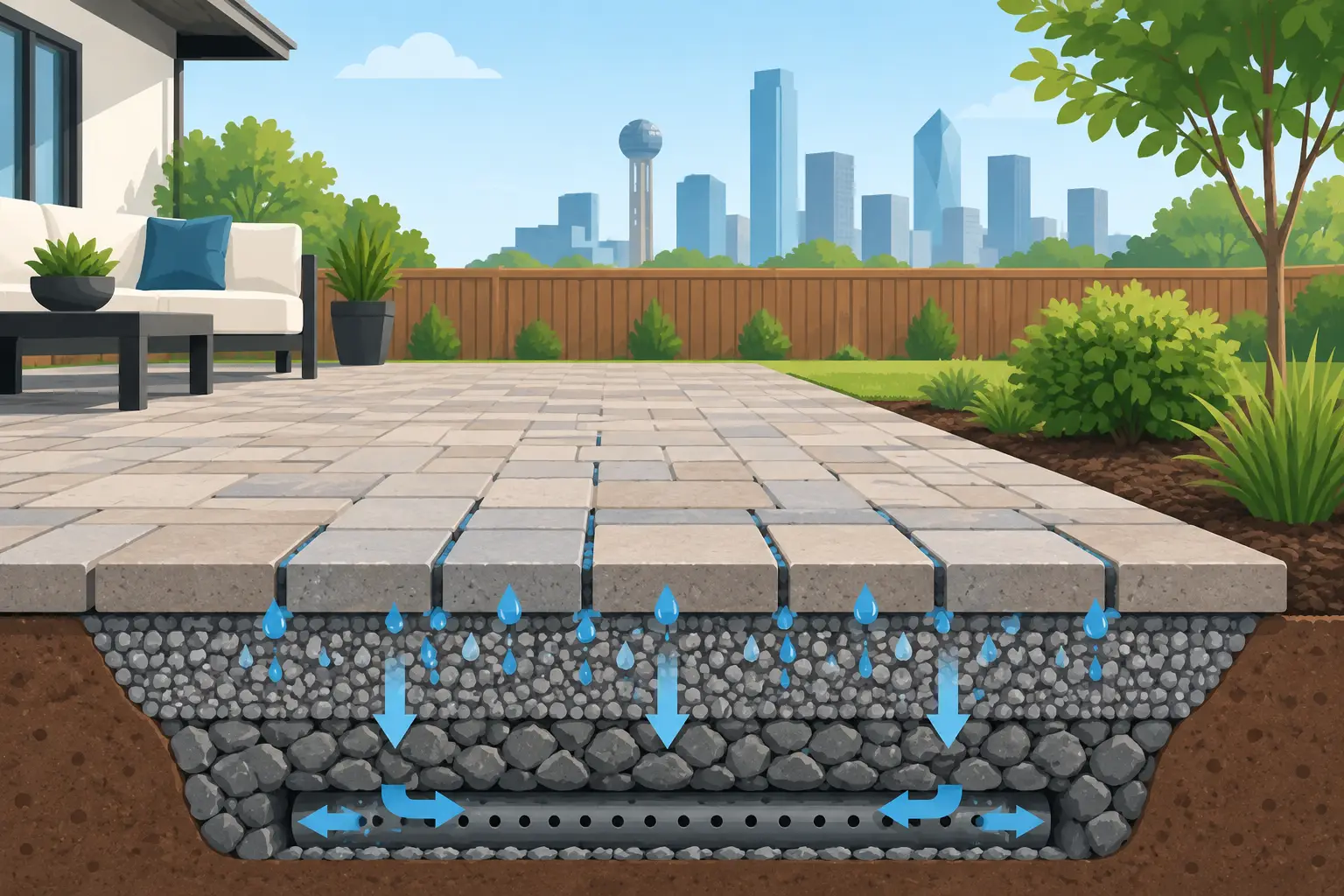
A properly prepared base keeps the surface level and supports drainage below the turf. That prevents low spots where debris, standing water, and organic material can collect. Clean seams and secure edges also matter because they keep the lawn looking uniform instead of patchy or poorly finished.
Infill is another important part of the system. Depending on the turf application, infill can help support the fibers, improve resilience under foot traffic, and keep blades standing more naturally. When turf blades remain upright and clean, the color reads more evenly across the yard.
This is why a lower bid is not always a better value. If the project skips proper site preparation or uses materials that are not suited to the Texas climate, the turf may look tired sooner even if the initial installation was cheaper.
How Long Should Artificial Turf Keep Its Color?
With a quality product and professional installation, artificial turf commonly maintains its appearance for eight to 15 years or longer. The exact lifespan depends on the level of sun exposure, foot traffic, maintenance, product grade, and how well the area drains.
A shaded side yard used occasionally will generally age differently than a wide-open backyard used daily by children, dogs, and guests. Commercial spaces also face more concentrated wear near entrances and walkways. Those differences do not mean turf is a poor choice. They simply mean the product and installation plan should fit the workload.
When comparing estimates, ask what type of turf is being proposed and whether it is designed for direct sunlight. It is also smart to ask about the manufacturer’s warranty, what it covers, and whether fading from UV exposure is included. A clear answer is a good sign that the contractor understands the product they are installing.
Simple Ways to Keep Turf Looking Its Best
Artificial grass is low maintenance, not no maintenance. A little routine care helps preserve the color and finish of the lawn. Remove leaves and debris before they break down into the fibers. Rinse the surface occasionally to clear dust, pollen, and pet residue. In dry, dusty Texas weather, this alone can make a noticeable difference in how bright the turf looks.
Brush high-traffic areas with a stiff, synthetic-turf-safe broom to lift flattened fibers. For pet areas, use an appropriate enzyme treatment as needed to manage odor without using harsh chemicals. If you spill food, drinks, grease, or paint, clean it promptly according to the turf manufacturer’s care guidance.
Keep heat sources away from the lawn. Grills, fire pits, hot charcoal, cigarettes, and reflective window glare can damage synthetic fibers. Reflected sunlight from low-E windows or highly reflective surfaces can become especially intense in certain spots. If you notice a concentrated hot area, address it early with a screen, awning, landscaping adjustment, or another solution suited to the space.
When Fading May Signal a Bigger Problem
A gradual, slight softening of color after years outdoors is normal. Rapid fading, isolated white or yellow spots, brittle fibers, or uneven discoloration are not. Those symptoms may point to low-quality materials, chemical contact, excessive reflected heat, or a product that was not appropriate for the installation area.
If one section looks noticeably different from the rest of the lawn, look for a local cause. Nearby windows, pool chemicals, cleaning products, or a heat-producing appliance may be affecting that spot. A qualified turf professional can inspect the area and help determine whether cleaning, repair, shading, or replacement is the right next step.
Artificial turf is a long-term outdoor investment, and Texas sun should be part of the plan from day one. Choose a UV-protected product, insist on solid installation work, and give the surface basic care. Your yard can stay polished, usable, and green through the hottest months without the weekly mowing, watering, and patch repair that natural grass demands.


Leave A Comment