 Skip to content

A commercial property can lose curb appeal fast when the landscape looks tired, muddy, uneven, or poorly maintained. For Dallas-area owners and managers, a commercial landscape installation guide starts with one practical goal: build an outdoor space that looks sharp on opening day and keeps performing through Texas heat, heavy foot traffic, sudden rain, and busy daily operations.
The right installation is not just about laying sod or adding a few shrubs. It is about preparing the site correctly, selecting materials that fit the property, controlling water, and finishing the work cleanly so tenants, customers, employees, and visitors see a property that is cared for.
Start With the Property’s Real Needs
Commercial landscape installation should begin with a walkthrough, not a product pitch. A medical office, retail center, apartment community, restaurant patio, school, and corporate campus all use outdoor space differently. The landscape needs to match that use.
Look at where people enter the property, where they walk, where vehicles park, and where water collects after a storm. High-visibility areas near monument signs, front doors, leasing offices, and patios deserve extra attention because they shape a visitor’s first impression. Areas behind a building may need a more practical, low-maintenance solution.
It also helps to identify the problems the new landscape must solve. Thin grass may be caused by poor drainage, compacted soil, limited sunlight, or irrigation issues. Replacing it with fresh sod without addressing the cause can create the same problem again a few months later. A dependable contractor should point out those concerns before installation begins.
Build a Plan Around Use, Traffic, and Maintenance
A commercial landscape should look good, but it also has to work for the people using it every day. That is where material selection matters.
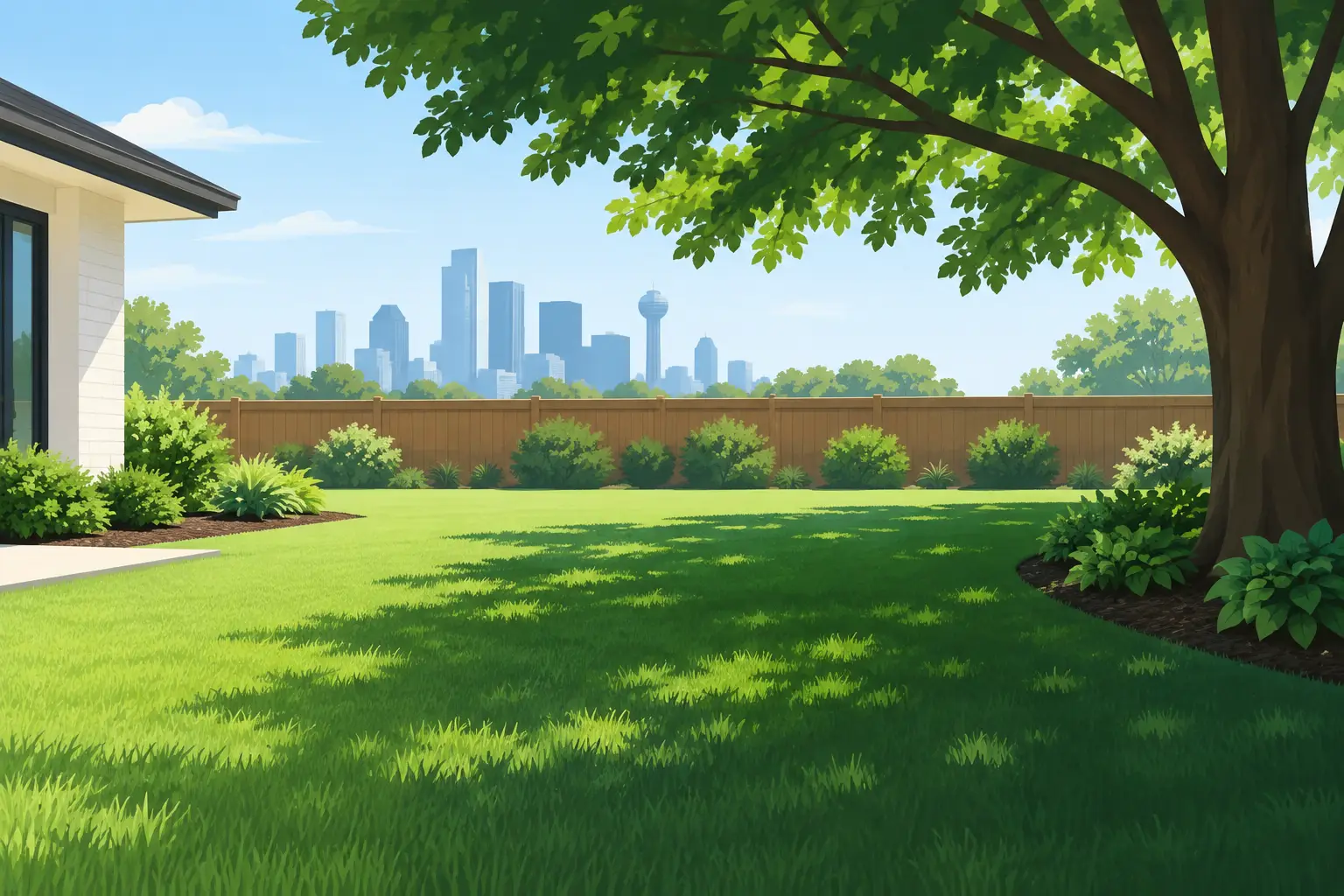
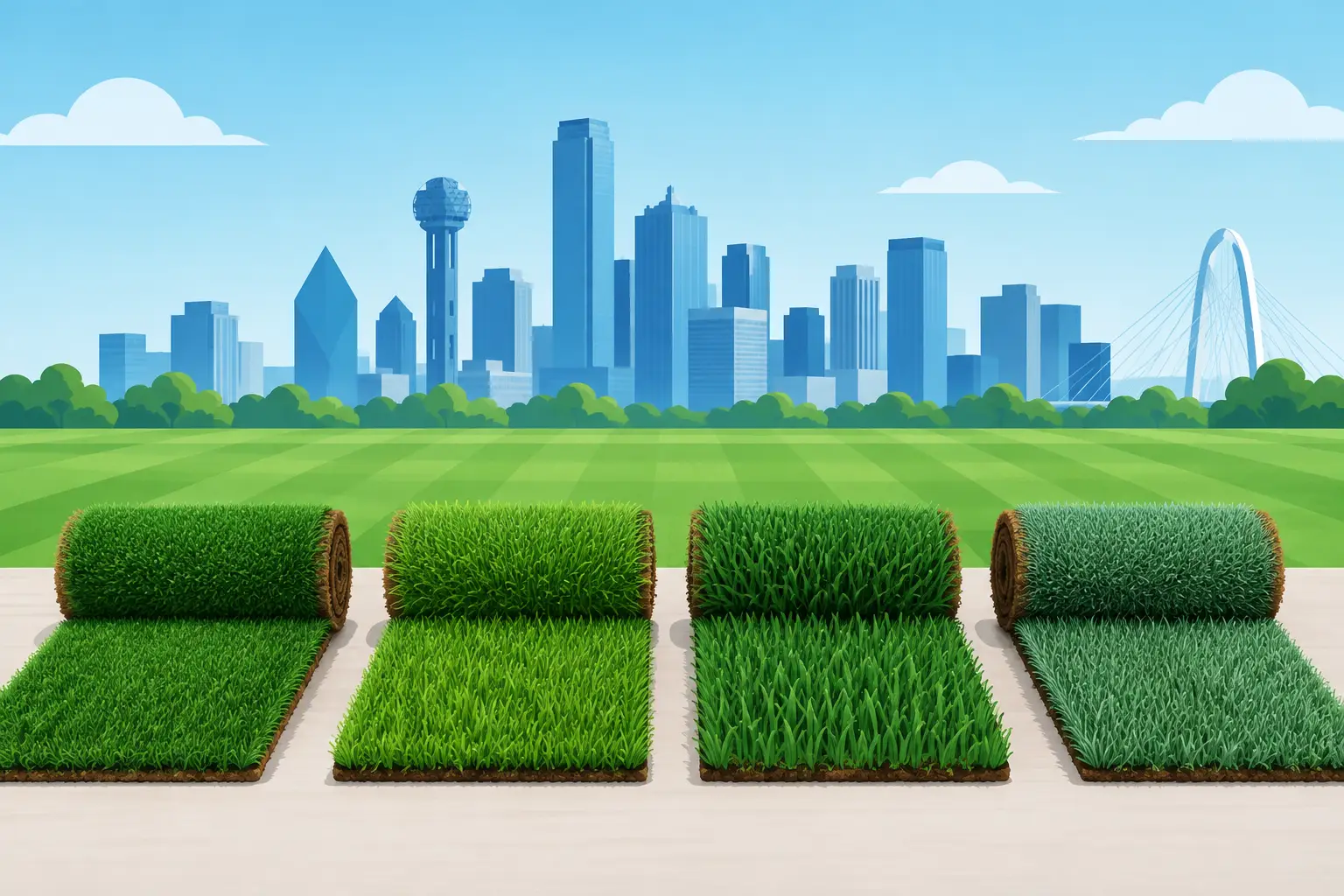
Natural sod provides an immediate green lawn and works well for properties with irrigation and a maintenance plan. It can soften large open areas, improve curb appeal, and create usable green space around offices, multifamily properties, and community amenities. In North Texas, the best sod choice depends on sun exposure, desired appearance, watering capacity, and traffic levels.
Artificial turf is often the better fit for areas where natural grass repeatedly fails or requires too much upkeep. It is a practical option around pool decks, pet relief areas, apartment dog parks, shaded courtyards, narrow side yards, and entry features where a polished appearance matters year-round. Quality turf installation requires more than rolling out material. The base must be graded, compacted, and drained correctly, or the surface can shift, wrinkle, or hold water.
Hardscape work can solve another set of commercial problems. Flagstone, pavers, concrete walkways, retaining walls, and defined planting borders create structure and guide foot traffic away from lawn areas. They can also turn unused space into patios, seating areas, or cleaner pathways between parking lots and building entrances.
The trade-off is simple: more hardscape can reduce ongoing landscape maintenance, but it increases the need for precise base preparation and drainage planning. A walkway that settles or channels water toward a building is not a long-term improvement.
Commercial Landscape Installation Guide: Prepare the Site First
The work below the surface determines whether the finished landscape lasts. Cutting corners during site preparation may save time at the start, but it often leads to uneven turf, dying sod, poor drainage, and expensive repairs later.
A professional crew should clear old grass, weeds, debris, failed edging, and unsuitable material before installing new surfaces. The site then needs to be graded for a clean appearance and proper water movement. On a commercial property, the goal is usually to move water away from buildings, walkways, low entry points, and gathering areas without creating runoff problems elsewhere.
Compaction is especially important for artificial turf, patios, walkways, and retaining wall areas. The base has to be stable enough to support regular foot traffic, maintenance equipment, furniture, and the occasional service vehicle where applicable. Soil preparation matters just as much for sod. Fresh sod needs good soil contact and a level surface to root properly.
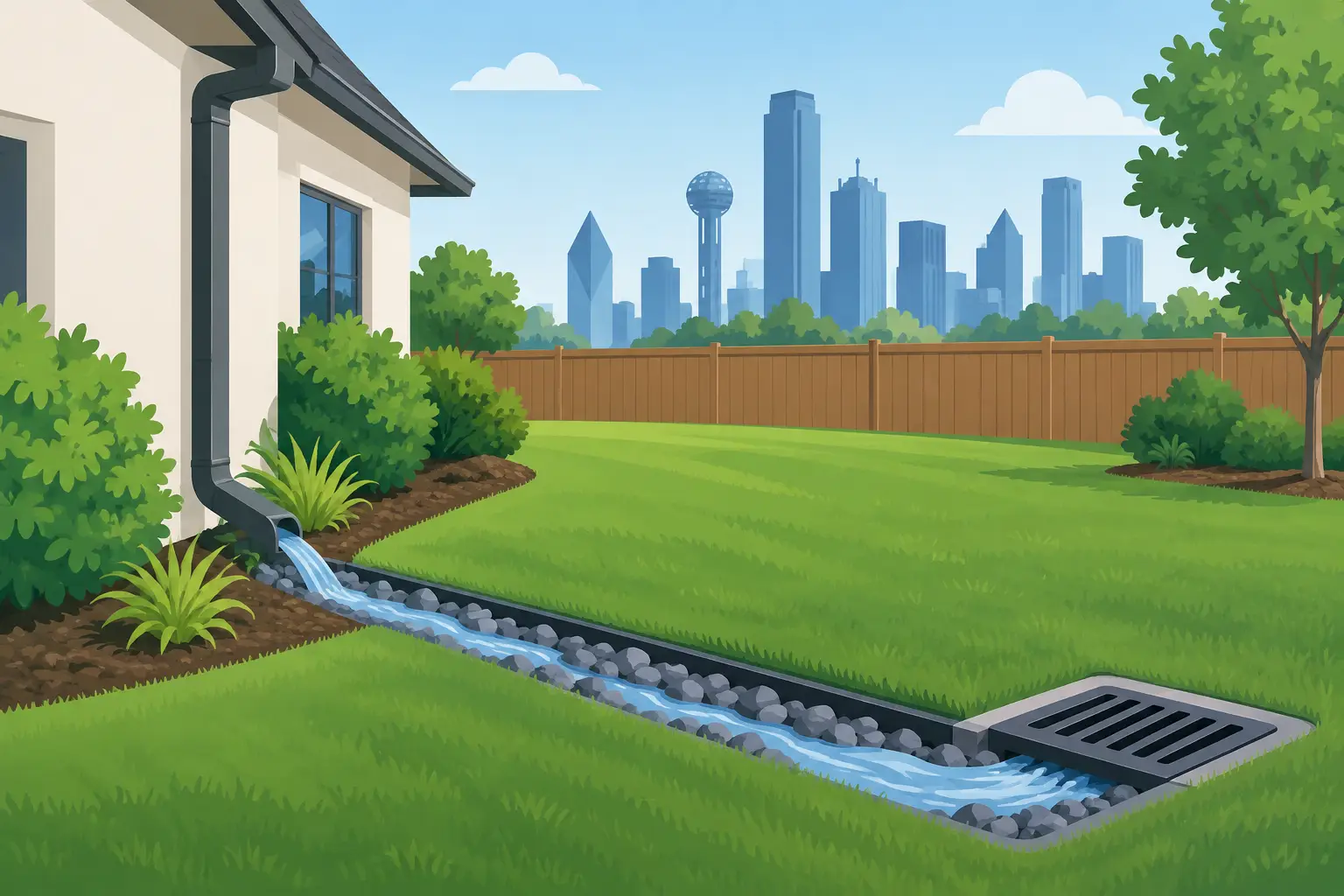
Drainage should be addressed before the visible finish goes in. Depending on the site, the solution may involve regrading, drainage channels, catch basins, French drains, or a better base beneath turf and hardscape. There is no one-size-fits-all fix. A low spot beside a storefront needs a different approach than standing water in a large apartment courtyard.
Choose Plants and Surfaces That Can Handle Dallas Conditions
Dallas weather is hard on landscapes. Long stretches of heat, dry spells, intense rainfall, and temperature swings can expose weak installation work quickly. The best commercial landscape design uses durable materials in the places where they make sense.
For planting beds, choose plant material that suits the sun, soil, and watering plan instead of selecting only by color. A property manager may want a bold seasonal display near an entrance, while the rest of the site benefits from lower-maintenance plants that can tolerate Texas conditions. Mulch, stone, and clean bed edging help control weeds and make routine maintenance easier.
For lawns, consider how the space will be used. Natural sod is a strong option for broad, sunny areas with proper irrigation. Synthetic turf makes more sense where consistent appearance and reduced mowing are priorities. It is not maintenance-free, but it eliminates mowing, watering for grass growth, and many of the recurring issues that affect natural lawns in difficult locations.
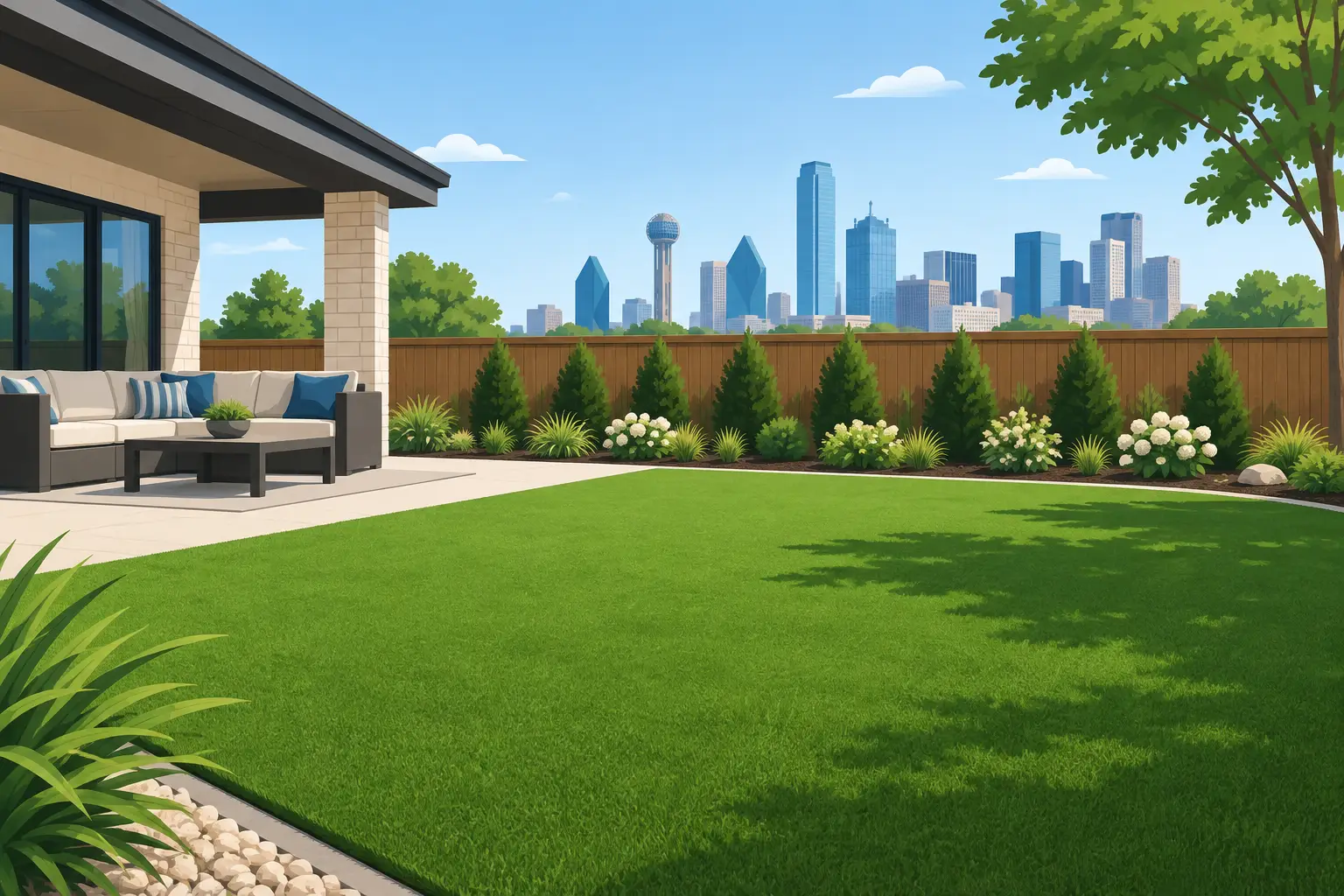
For paths and patios, select surfaces that fit the traffic level and the property’s overall style. Smooth concrete may be best for accessibility and everyday durability. Flagstone and pavers can create a more upscale look for patios, courtyards, and amenity areas. The right choice depends on budget, drainage requirements, and how much traffic the area will receive.
Schedule the Work Around Your Operations
Commercial installation requires coordination. A landscape project should improve the property without creating unnecessary disruption for customers, tenants, deliveries, or employees.
Before work begins, establish access points for equipment and materials, staging areas, working hours, and a plan for keeping pedestrian routes safe. If the project affects an entrance, parking area, or common space, consider completing it in phases. That can keep the property functional while still moving the project forward efficiently.
Clear communication matters here. Property owners and managers should know what will happen each day, where crews will be working, and when an area can be used again. A clean job site also matters. Loose soil, scraps of turf, unused stone, and construction debris should not be left where customers or residents have to work around them.
At Sod Green, commercial projects are handled with the same attention to preparation, clean installation, and final detail as a high-visibility residential transformation. The goal is straightforward: deliver a finished outdoor space that is ready to represent your property well.
Inspect the Details Before the Crew Leaves
A finished commercial landscape should be checked from the viewpoint of someone arriving at the property. Walk the main entry, sidewalks, parking areas, patios, and amenity spaces. Look for uneven transitions, exposed edges, gaps in turf seams, loose pavers, standing water, and areas where soil or mulch can wash onto hard surfaces.
For sod, inspect coverage and make sure irrigation reaches the full area. New sod needs the right watering schedule while it establishes roots. For artificial turf, check that seams are secure, edges are anchored, infill is distributed as needed, and drainage is working. For hardscape, confirm that the surface is stable, clean, and graded to move water in the right direction.
Ask for clear instructions on the care your new landscape needs. Even low-maintenance surfaces benefit from routine attention. Turf should be cleared of leaves and debris, planting beds need weed control and seasonal cleanup, and drainage areas should be kept open so water can flow as designed.
A commercial landscape is part of the customer experience before anyone walks through the front door. When the site is graded correctly, built with durable materials, and finished with care, it gives your property a cleaner, more professional presence that continues working long after installation day.


Leave A Comment