 Skip to content

A Dallas backyard has to work harder than it used to. It may need to handle muddy paws, kids at play, pool traffic, weekend cookouts, and long stretches of Texas heat without turning into a patchy, high-maintenance mess. That is why backyard turf trends are less about a single green lawn and more about building an outdoor space that looks sharp, drains properly, and gets used every day.
Homeowners are choosing materials and layouts that reduce upkeep while making the backyard feel more finished. Artificial grass remains a major part of that shift, but the strongest projects combine turf with thoughtful hardscape, shade, drainage, and activity areas built around how the family actually lives.
Backyard Turf Trends Built for Real Use
The biggest trend is practical design. Instead of covering every square foot with one material, homeowners are separating the yard into clear zones: a turf play area, a patio for seating, a path to the pool, a dog run, or a putting green tucked beside the fence. This creates a more intentional look and prevents high-traffic areas from wearing down the whole yard.
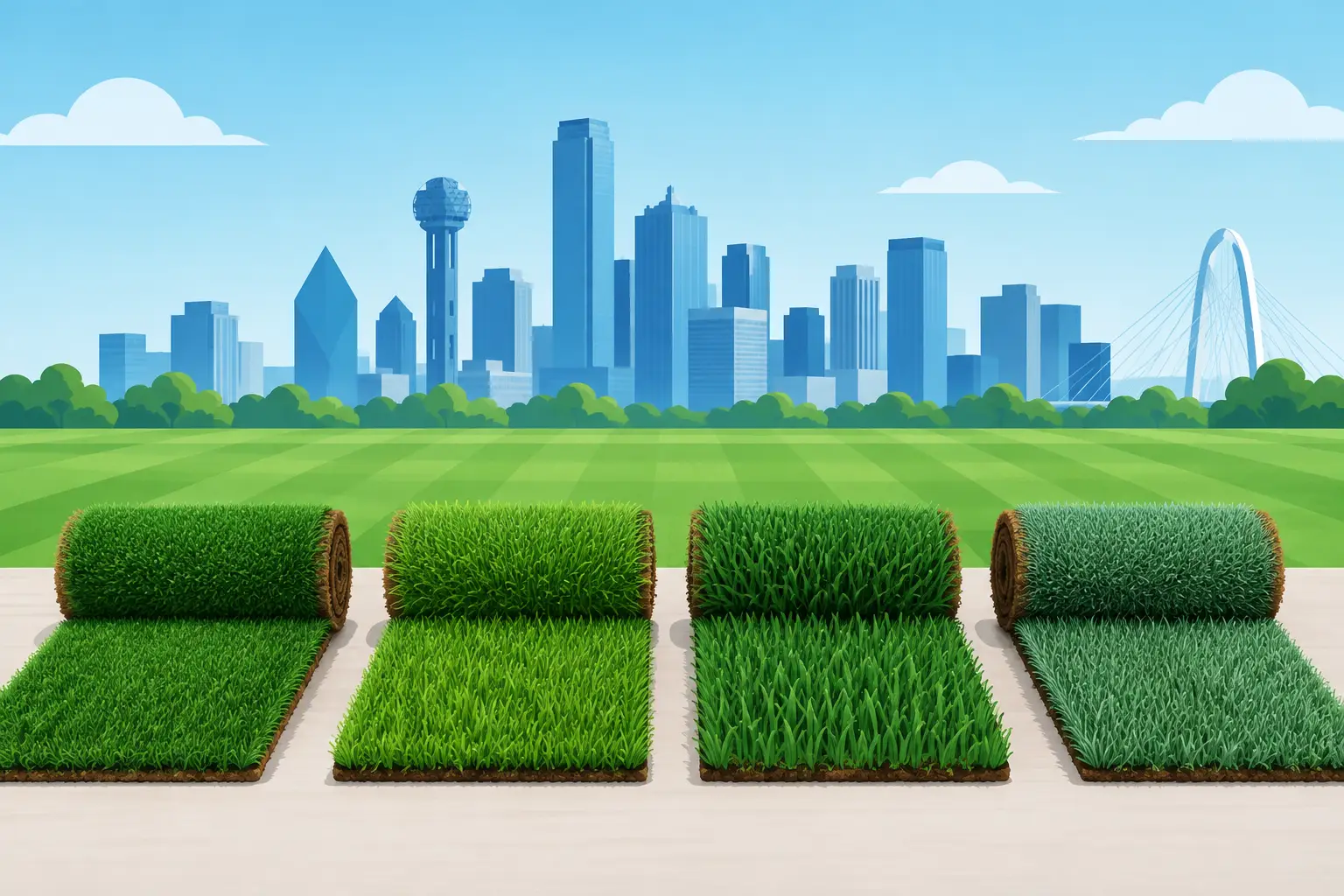
Artificial turf is especially popular where natural grass repeatedly struggles. Shaded side yards, narrow areas between a pool and fence, dog zones, and spots under large trees can be difficult to maintain with sod. Quality synthetic turf provides consistent color and coverage in those places, without weekly mowing, watering, or muddy bare spots after rain.
That does not mean artificial grass is automatically the right answer for every property. A homeowner who enjoys lawn care, has full sun, and wants a traditional natural lawn may be better served by fresh sod and an improved irrigation plan. The right choice comes down to traffic, sun exposure, drainage, pets, maintenance expectations, and budget.
Pet-Friendly Turf Is Becoming a Backyard Essential
For many Dallas-area families, the dog is part of the project plan. Pet-friendly turf systems are designed with durable fibers, proper base preparation, and drainage that helps liquids move through the surface instead of sitting on top. With the right infill and installation details, the space is easier to rinse, cleaner underfoot, and far less likely to become a mud zone.
The important word is system. Simply rolling turf over compacted dirt will not solve odor or drainage problems. A professional installation starts by removing the existing surface, preparing the base, creating the correct grade, and securing the turf so it stays smooth and stable. For pet areas, those details matter more than the color of the grass sample.
Putting Greens Are Getting More Natural
Backyard putting greens are no longer just a small rectangle of turf dropped into an open lawn. Homeowners are asking for greens that fit the property, with subtle breaks, fringe turf, chipping areas, and borders that make the feature look at home in the landscape.
A custom green can be a practical use of an area that is too small, too shaded, or too awkward for a traditional lawn. It also gives golfers a place to practice without adding mowing, fertilizing, or watering to the weekend list. The best designs match the space available rather than forcing a large green into a yard that needs room for dining, play, or pool access.
Turf and Hardscape Are Working Together
One of the most noticeable backyard turf trends is the use of clean hardscape borders and gathering areas alongside turf. Flagstone, pavers, concrete patios, walkways, retaining walls, and decorative gravel help define the landscape while reducing the amount of turf needed in places that receive heavy foot traffic.
Turf between stepping stones or pavers is a popular choice because it softens the appearance of a walkway without creating an area that needs trimming. A stone border around a turf lawn can also keep the edges crisp and make the entire project feel more complete. Around pools, turf can provide a softer surface for bare feet while hardscape handles furniture, grills, and busy traffic lanes.
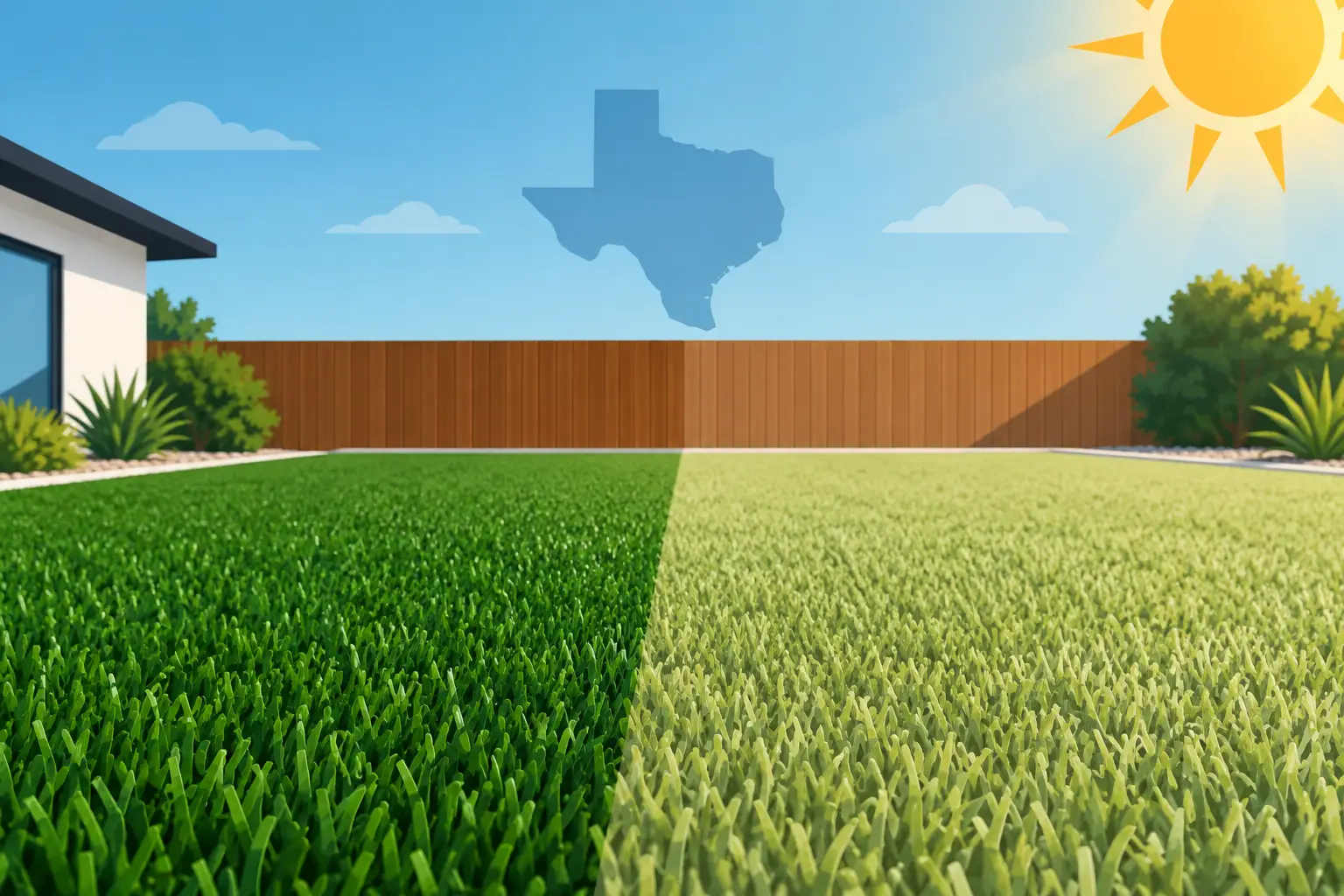
The trade-off is heat. Stone, concrete, and synthetic turf can all become warm during peak summer sun. Good design accounts for this with shade structures, trees, covered patios, and material selections that suit the property. Homeowners should also be realistic about how they use the yard at 3 p.m. in August versus a pleasant evening in spring. A well-designed backyard supports both.
Drainage Is No Longer an Afterthought
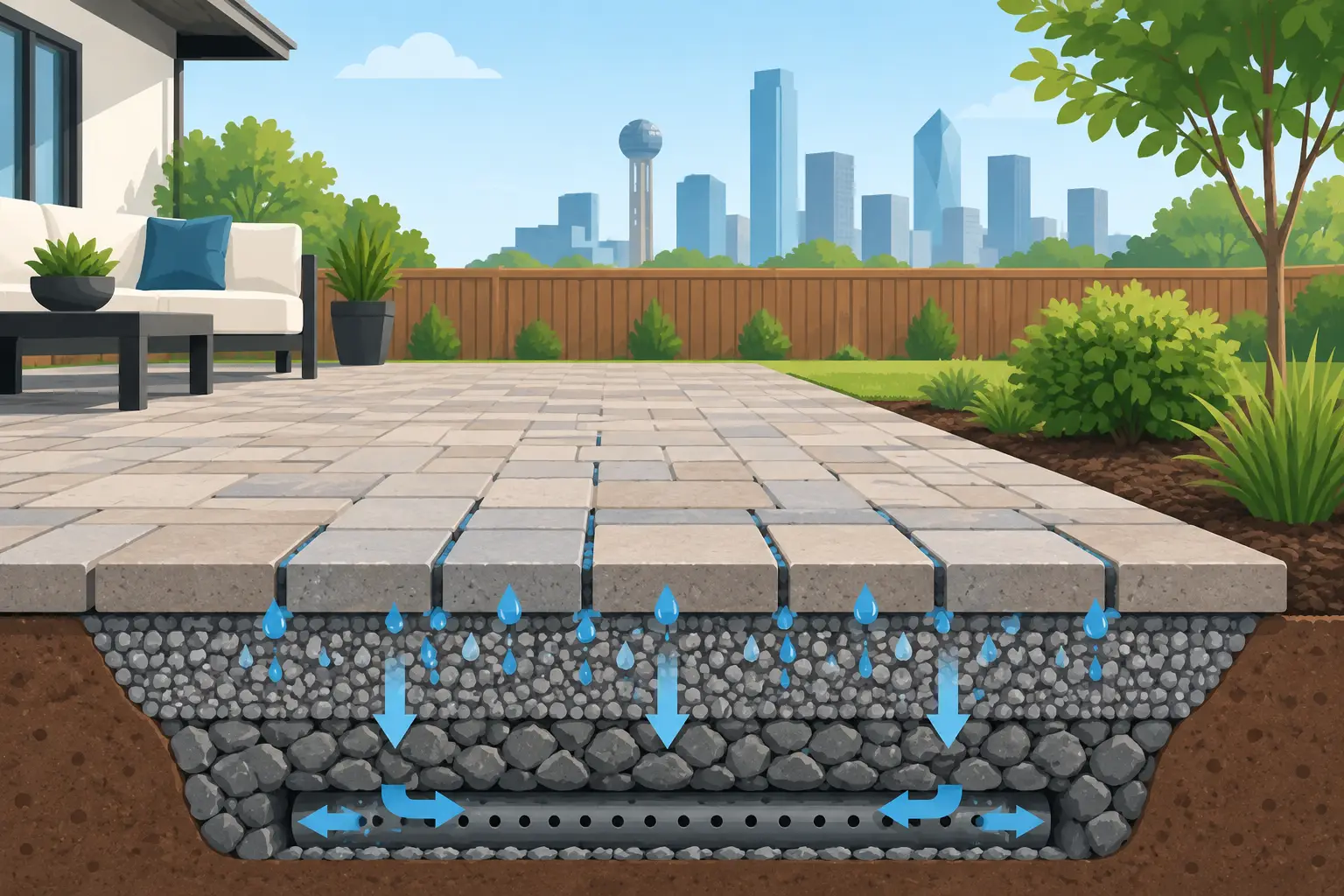
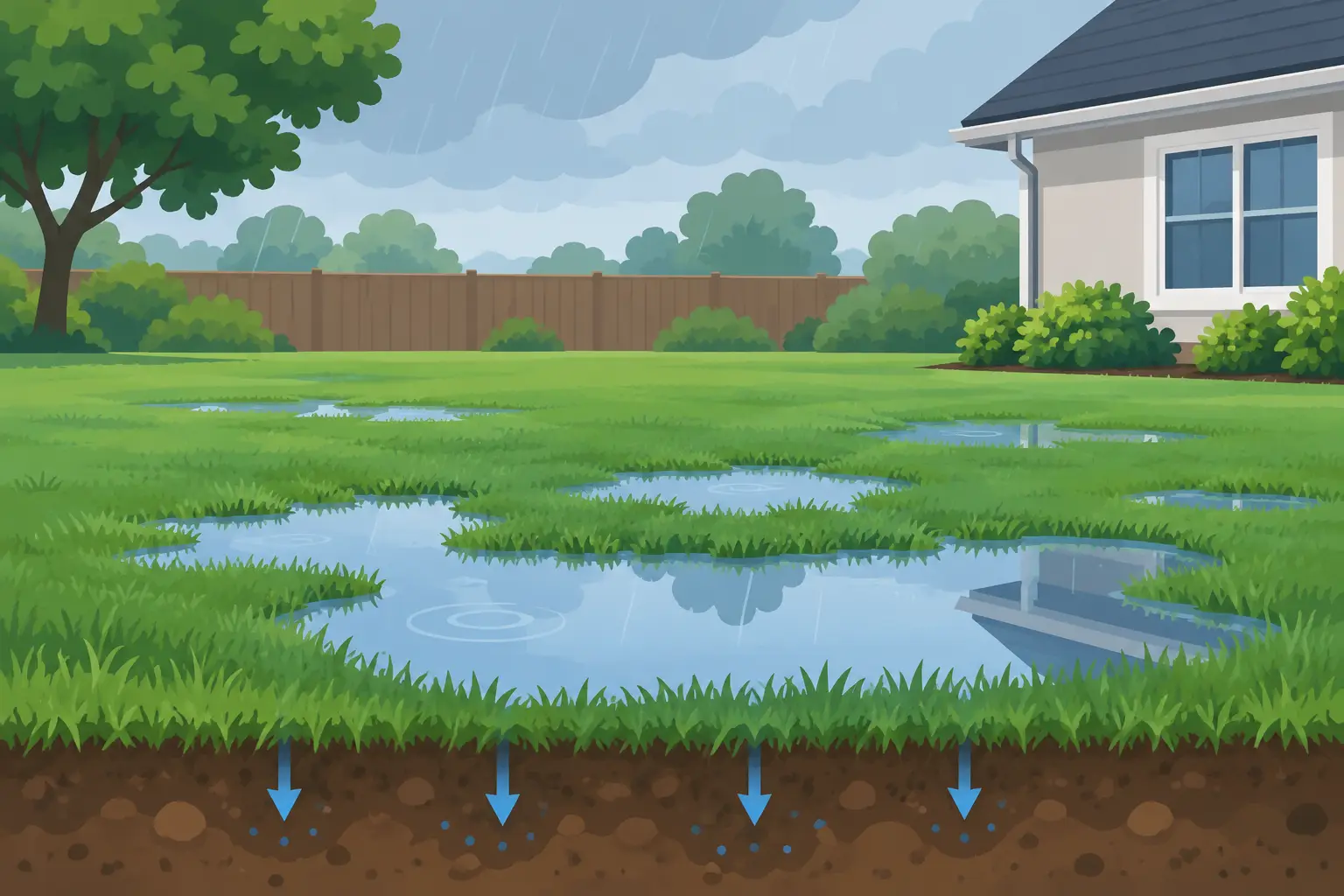
A green backyard is not a successful backyard if water collects near the house, patio, pool deck, or fence line. Dallas clay soil and heavy rain can expose grading problems quickly, which is why drainage planning belongs at the start of a turf or sod project.
Proper grading, base work, drain placement, and surface transitions help move water where it needs to go. This is especially important when installing artificial grass, since the base beneath the turf affects both drainage and long-term appearance. It is also important around patios and retaining walls, where trapped water can cause shifting, stains, and avoidable repair costs.
A contractor should look beyond the turf itself and consider the entire site. Where does water enter the yard? Where does it collect? Is the existing patio sloped correctly? Does the fence line need a drain? Addressing those questions before installation protects the finished project.
Low-Maintenance Does Not Mean No Planning
The appeal of turf is clear: less mowing, less watering, fewer bare spots, and a clean look through every season. But low maintenance still requires smart material selection and a professional installation. Cheap turf can look overly shiny, flatten quickly, or show visible seams. Poor base preparation can lead to wrinkles, uneven spots, and drainage issues.
Homeowners are increasingly choosing turf with a more realistic mix of blade shapes and colors rather than one uniform bright-green surface. They also want durable products that can handle active families and pets. The goal is not to make the yard look artificial. The goal is to create a clean, attractive space that performs well without demanding constant work.
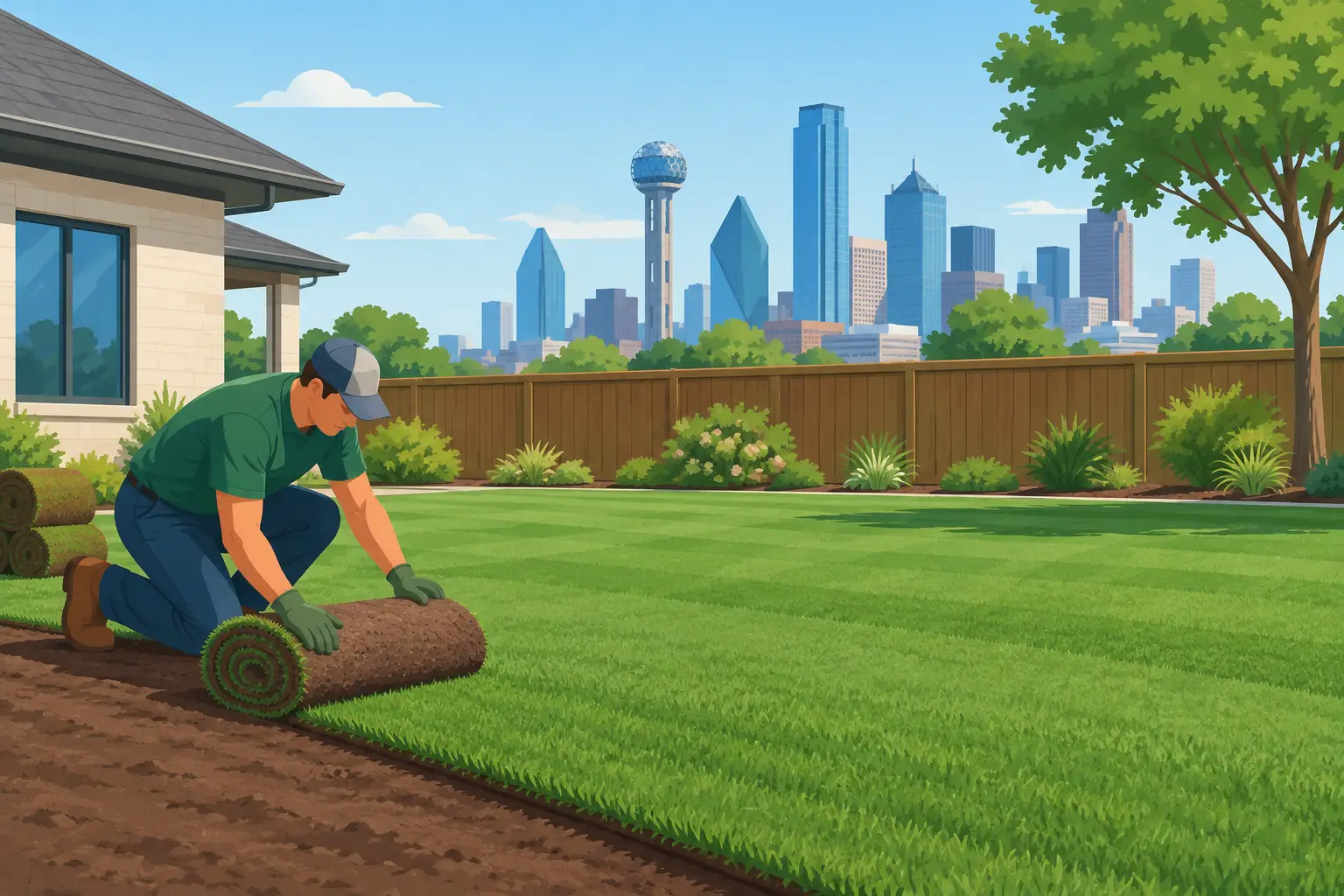
Natural sod is also part of the low-maintenance conversation. Fresh sod provides an immediate transformation and can be the best choice for larger open lawns where homeowners want the feel of real grass. It does require watering and ongoing care, especially during establishment, but good sod installed on properly prepared soil gives a property an instant curb appeal boost.
Designing for the Backyard You Actually Use
The best trend is not a particular turf color, stone pattern, or putting green shape. It is designing around the way your household uses the space. Families with young children may prioritize an open play surface. Pool owners may need slip-resistant pathways and durable areas around lounge chairs. Pet owners may need a dedicated turf run with easy cleanup. Homeowners who entertain may want a larger patio with turf accents that keep the setting green and inviting.
Start by identifying what frustrates you about the existing yard. Maybe the grass will not grow beneath trees. Maybe the dogs destroy one corner every winter. Maybe the patio is too small for guests, or water stands near the back door after storms. Those problems should drive the design more than a photo found online.
Sod Green helps Dallas-Fort Worth homeowners combine artificial turf, sod, drainage, patios, stonework, and putting greens into one coordinated outdoor project. Working with one experienced installation team can help keep the layout, grading, and final cleanup on track from the first day through the finished yard.
A backyard should not become another weekend chore waiting outside the door. Choose materials that fit the Texas climate, build the space around your daily routines, and invest in preparation that keeps the finished surface looking good long after installation day.


Leave A Comment