 Skip to content

A beautiful mature tree can make a Dallas yard feel established and comfortable. It can also be the reason a fresh sod lawn turns thin, patchy, and muddy underneath the canopy. Can sod grow in shade? Yes, but only when the grass type, available sunlight, soil conditions, and installation plan match the space.
Shade is not an automatic no for natural sod. It does mean the usual quick fix of laying new grass may not hold up if the cause of the problem is never addressed. Before investing in a new lawn, homeowners need to know what kind of shade they have and what the grass will be competing against.
Can Sod Grow in Shade in North Texas?
Sod can establish in light to moderate shade, especially where an area receives several hours of filtered sun or direct morning sunlight. The challenge is that most warm-season grasses used across Dallas-Fort Worth need substantial sunlight to stay dense. Less light means slower growth, fewer blades, weaker roots, and more open soil where weeds can move in.
For practical planning, look at the lawn during the growing season, not just in winter when tree canopies are bare. A spot that gets four to six hours of sun in June may support the right sod. A spot that stays dark all day beneath a live oak, dense cedar, or covered patio is unlikely to sustain a healthy natural lawn for long.
The amount of shade matters, but so does its source. Shade from a building often shifts through the day and may still allow enough morning or afternoon light. Shade below large trees is more demanding because the grass is also competing with tree roots for water and nutrients. Falling leaves and limited air circulation add another layer of stress.
Which Sod Handles Shade Best?
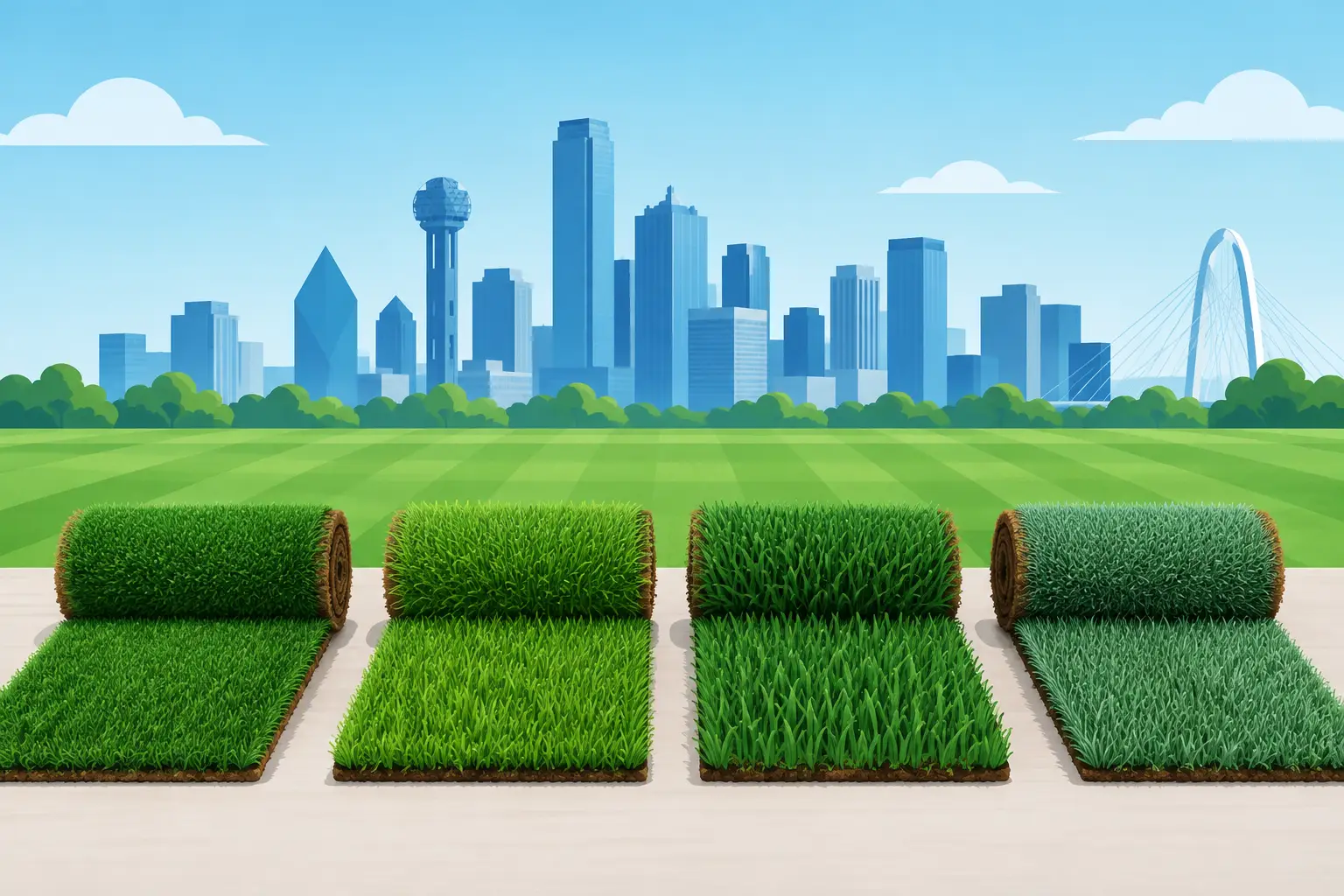
No warm-season sod thrives in deep shade, but some options are more forgiving than others. St. Augustine is generally the strongest natural-sod choice for shaded Dallas yards. It has broad blades, a full appearance, and better shade tolerance than many common alternatives. It still needs regular light, so it is best suited for filtered shade rather than a permanently dark corner.
Zoysia can also perform well in partial shade, depending on the variety. It creates a dense, attractive lawn and holds up nicely in many residential settings. The trade-off is that zoysia establishes and recovers more slowly than faster-growing grasses, which can matter in active yards with kids and pets.
Bermuda is a durable, popular choice for sunny Texas lawns, but shade is not where it performs best. It needs strong direct sun to stay thick. Installed beneath trees or along the north side of a home, Bermuda often stretches toward the light, thins out, and eventually gives way to bare ground.
A professional sod recommendation should consider more than shade alone. Foot traffic, irrigation coverage, soil type, drainage, pets, and the look you want all influence the right choice. The grass that looks best in the front yard may not be the best fit for a shaded backyard gathering area.
Why New Sod Fails Under Trees
A sod installation can look excellent on day one and still struggle weeks or months later if trees control the environment. The most common issue is not poor-quality sod. It is a site that asks more of the grass than it can deliver.
Tree roots are a major factor. Mature trees have widespread roots near the surface, and those roots pull moisture from the same upper soil layer where sod is trying to establish. Homeowners may water the lawn regularly but still find the grass drying out under the canopy first. At the same time, overwatering to compensate can encourage disease in an area that already has limited sunlight and slower evaporation.
Compacted soil is another problem. Shade areas are often used as pathways, play spaces, or pet zones because they are cooler. Repeated traffic compresses the ground, reducing the oxygen and water movement roots need. If water puddles after a storm, drainage needs attention before fresh sod goes down.
Then there is leaf buildup. A thick layer of leaves blocks sunlight, traps moisture, and creates ideal conditions for turf disease. Regular cleanup is not just about keeping the lawn neat. It is part of keeping shaded grass alive.
How to Help Sod Establish in Partial Shade
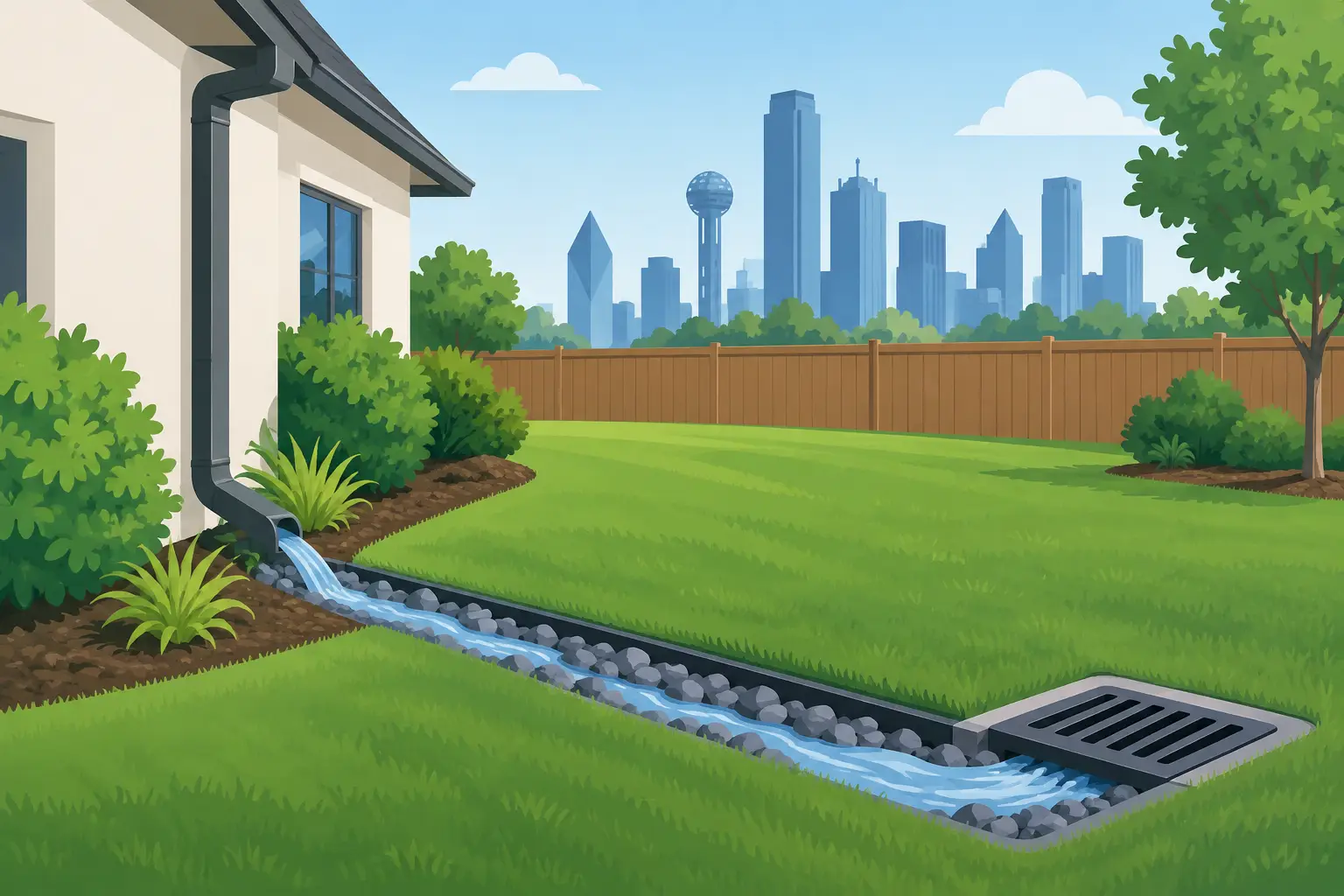
Good preparation gives shade-tolerant sod its best chance. First, the ground should be graded to move water away from the home and prevent standing water. Then the area needs proper soil preparation so the roots can make contact with loose, healthy soil instead of sitting on a compacted surface.
Tree trimming can make a meaningful difference when done responsibly. Raising lower limbs or selectively thinning a dense canopy can increase filtered light and airflow without sacrificing the tree. Avoid aggressive pruning simply to force grass to grow. A healthy mature tree is a valuable part of the property, and major pruning decisions should be handled carefully.
Watering should be consistent during establishment, but shade calls for attention rather than a one-size-fits-all schedule. Shaded sod often stays damp longer than sunny sod. Water deeply enough to support roots, then let the surface begin to dry appropriately between cycles. Constantly wet soil can create fungal problems and weak rooting.
Mowing also matters. Keep the grass at the recommended height for its variety, and never remove too much blade length at one time. Slightly taller grass has more leaf surface to capture limited light. Dull mower blades can tear already stressed turf, so clean cuts are worth the effort.
Fertilizer should be used with restraint. It cannot replace sunlight. Applying too much nitrogen may produce soft top growth that the shaded lawn cannot support, while increasing disease pressure. A soil-aware fertilization plan is far better than trying to force a struggling area green.
When Natural Sod Is Not the Right Answer
There are places where natural sod is simply the wrong long-term product. A heavily shaded side yard, the ground under a thick canopy, a poolside area with constant traffic, or a dog run may continue to fail regardless of how carefully it is installed and maintained.
That does not mean the area has to remain bare dirt. Artificial grass can provide a clean, green surface where sunlight is too limited for natural sod. Quality synthetic turf is especially practical for shaded play areas, pet spaces, narrow side yards, and places where mud gets tracked into the house. It does not require sun, mowing, or regular watering to stay green.
The decision comes down to how you use the area. If you want a natural lawn and the site has enough filtered light, shade-tolerant sod can be a smart investment. If the goal is dependable coverage with low maintenance in persistent shade, turf may offer better value over time. In some yards, the best solution is a combination: natural sod in the sunny open lawn and artificial grass where trees make natural grass impractical.
Get the Site Plan Right Before Installation
The best lawn transformations start with an honest assessment of the property. A skilled installer will look at sun patterns, tree roots, drainage, traffic, and irrigation before recommending a product. That approach prevents the frustration of replacing sod every season in a location that was never built for it.
Sod Green helps Dallas-Fort Worth homeowners evaluate the full yard, not just the bare spots. Whether the right answer is shade-tolerant sod, artificial turf, drainage work, or a combination of surfaces, the goal is a finished space that looks sharp and holds up.
A shaded lawn can still be a strong part of your landscape. Give it the grass and preparation it needs, and when the shade is simply too heavy, choose a surface designed to perform there for years.


Leave A Comment