 Skip to content

A splash zone is part of owning a pool, especially in Dallas summers when kids, guests, and pets are moving between the water and the backyard all day. So, can turf handle pool water? Quality artificial turf can handle normal pool splashing very well when it is installed with the right drainage, base preparation, and materials. The bigger concern is not a few wet footprints. It is repeated runoff, chemical-heavy water, and poor drainage that leave water sitting where it should not.
Artificial grass is a smart surface around many pools because it stays green, avoids muddy patches, and gives families a softer place to walk and play. But a poolside turf installation needs to be designed for the job. Treating it like a basic front-yard installation can create odors, uneven areas, or drainage problems down the road.
Can Turf Handle Pool Water From Chlorine and Salt Pools?
Most modern artificial turf fibers are made to withstand moisture, sunlight, and regular exposure to diluted pool water. A properly installed turf system does not absorb water the way natural grass and soil do. Water moves through the turf backing and into the prepared base below, where it can drain away.
Normal splashing from a chlorine pool is not likely to damage high-quality synthetic grass. The same is generally true for saltwater pools. Saltwater pool systems still use chlorine, but at lower and more consistent levels than many traditional chlorine pools. The water will not usually harm turf fibers during normal use.
That said, pool water should not be treated as harmless. High chemical concentrations, especially after a shock treatment or a water-balancing issue, can affect the look and performance of surrounding materials over time. Pool water can also leave mineral residue as it dries. This is more noticeable around saltwater pools, where white salt buildup may appear on turf blades, coping, or nearby hardscape.
A quick rinse with a garden hose is usually enough to wash away residue after a large splash, a pool overflow, or a chemical spill. It is a simple step that helps keep the turf clean and looking its best.
The Real Issue Is Drainage Around the Pool
Water itself is not the enemy. Standing water is.
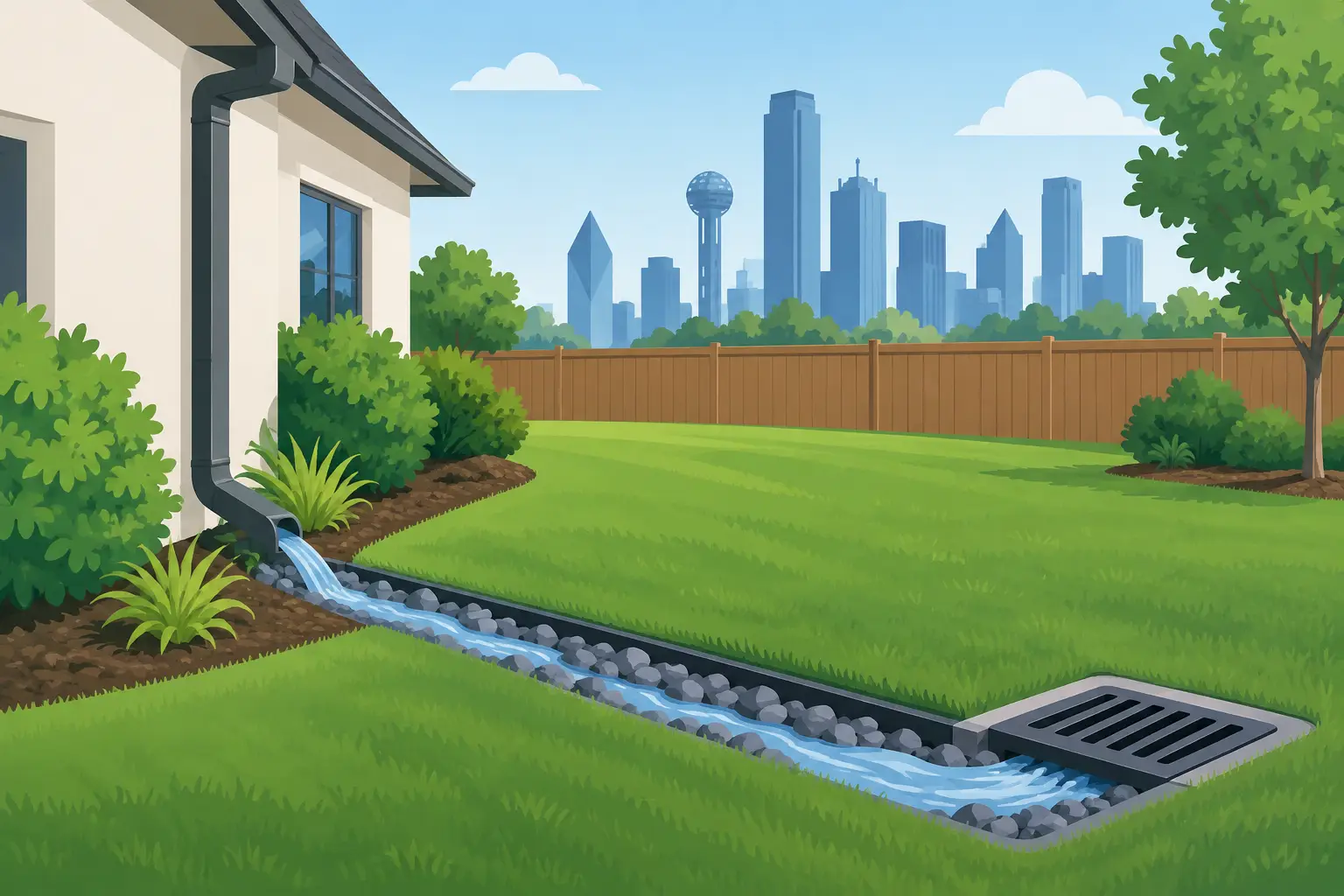
A pool deck should be graded so water moves away from the pool and away from the home. When artificial grass is added next to the deck, the turf base needs to work with that drainage plan. Water should pass through the surface and drain efficiently without creating soggy pockets below the turf.
In North Texas, drainage matters even more because homeowners deal with heavy rain events as well as regular pool use. A backyard may look flat, but small elevation changes can push water toward the house, under the turf, or into low spots along the pool deck. If the base is not compacted correctly or the grade is wrong, the turf can become uneven as the ground shifts.
A professional installation starts below the turf. The existing soil is evaluated, the area is graded, and a compacted aggregate base is installed to create a stable, drainable foundation. Depending on the property, the project may also need edging, channel drains, swales, or nearby hardscape adjustments to control where water goes.
This is why the lowest quote is not always the best value for a poolside project. Turf that looks good on installation day can fail early if the drainage and base work were skipped.
Watch for Overflow and Equipment Discharge
An occasional pool overflow after a storm is manageable. Frequent overflow is a problem worth fixing at the source. If pool water regularly pours onto the turf, it can carry concentrated chemicals, debris, and sediment into one small area of the base.
The same goes for pool filter backwashing, equipment leaks, or draining water directly onto artificial grass. These events send much more water through the turf than ordinary splashing. They may also introduce dirty water or a stronger dose of chemicals. Pool equipment discharge should be directed to an approved drainage location, not used as a regular way to water or rinse the turf.
Poolside Turf Needs the Right Materials
Not every synthetic grass product is the right fit around a swimming pool. Poolside turf should be selected for drainage, foot traffic, heat performance, and the way the space will be used.
A backyard with a tanning ledge, outdoor kitchen, and frequent parties needs a durable surface that can handle wet bare feet, patio furniture, and regular traffic. A family pool area may also need pet-friendly materials and an infill system that drains well and does not trap odors.
The backing matters as much as the blades. A quality permeable backing allows water to drain through rather than collect on top of the turf. The base material and compaction process determine whether that water continues moving through the ground as intended.
Infill is another important choice. It helps support turf blades, adds weight, and can improve the feel underfoot. The right infill depends on the turf product, drainage needs, and whether pets use the area. A good installer will recommend a system based on the full backyard, not just the color or blade shape you prefer.
Heat, Safety, and Everyday Pool Use
Artificial turf can get hot in direct Texas sun. Pool water does not cause that issue, but it is something homeowners should plan for when choosing a poolside surface. Lighter turf colors, shade structures, landscaping, and occasional rinsing can help reduce surface temperature. A quick hose-down before guests arrive can make a noticeable difference on a hot afternoon.
Turf also needs to be installed flush and secure around deck edges, drains, and hardscape transitions. Loose edges and uneven seams do not belong near a pool. They can become trip hazards, collect debris, and take away from the clean finish homeowners want in an outdoor living space.
Artificial grass is not a replacement for slip-resistant pool decking or proper pool safety measures. However, it can provide a comfortable transition between the deck, patio, play area, and landscaping. It also avoids the mud and bare spots that natural grass often develops around active pool areas.
Simple Care for Turf Around a Pool
Poolside turf is low maintenance, not no maintenance. A little routine care protects the investment and keeps the area ready for use.
Rinse the turf occasionally to remove sunscreen residue, spilled drinks, dust, and salt or chemical residue. Brush high-traffic areas when the blades begin to lean, especially near gates, lounge chairs, and the main path from the pool to the house. Remove leaves and organic debris before they settle into the turf, since decomposing material can block drainage and create odors.
If a large amount of pool water spills onto the turf, rinse the area with fresh water once the situation is under control. If the water is from a chemical treatment, equipment leak, or concentrated spill, contact your pool professional for guidance and have the turf area inspected if you notice discoloration, odor, or drainage changes.
When Poolside Turf Is a Great Fit
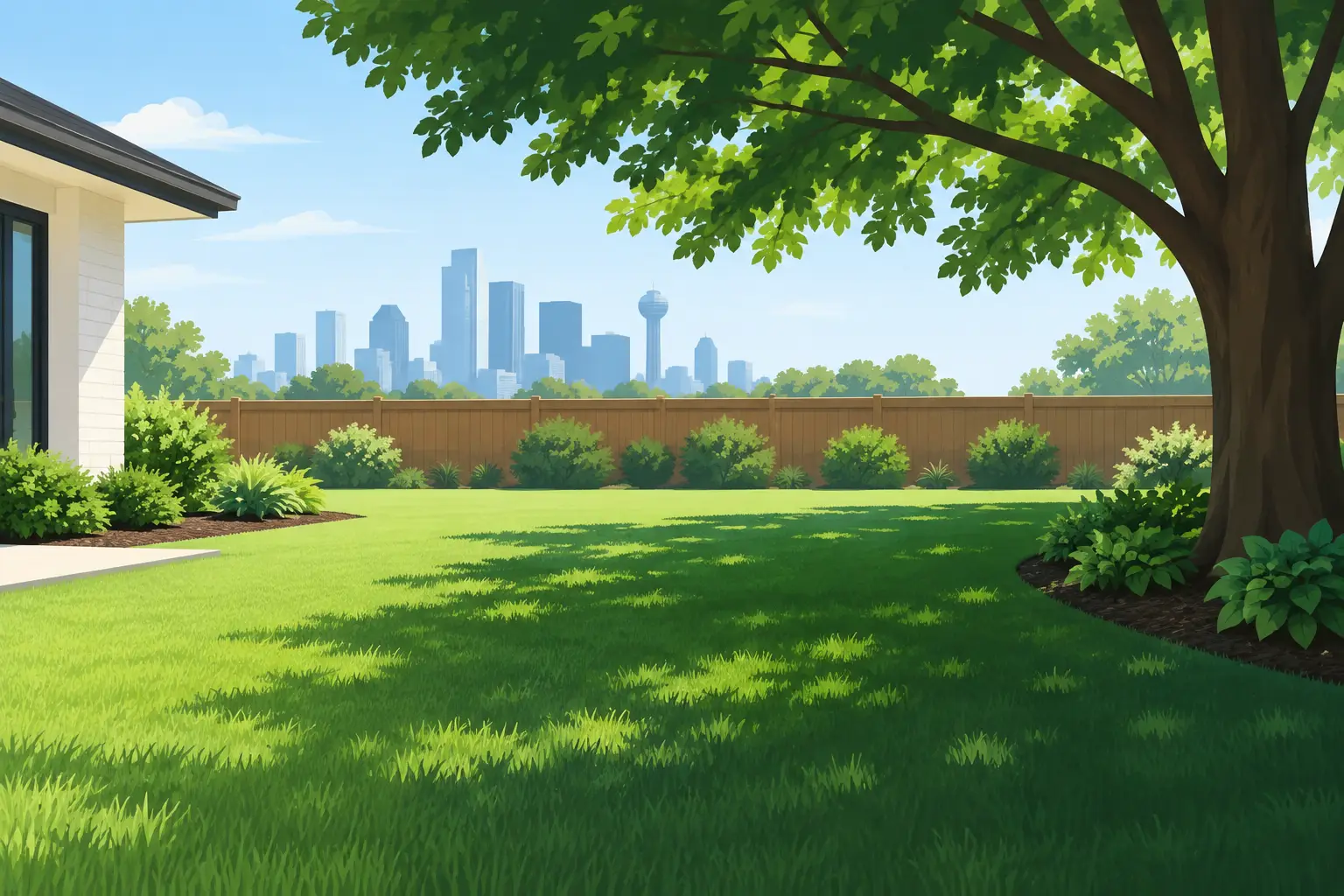
Artificial turf works especially well for homeowners who want a polished pool area without mowing, mud, or constant reseeding. It is a strong choice for narrow side yards beside the pool, children’s play areas, pet runs, and the transition between a patio and the rest of the yard.
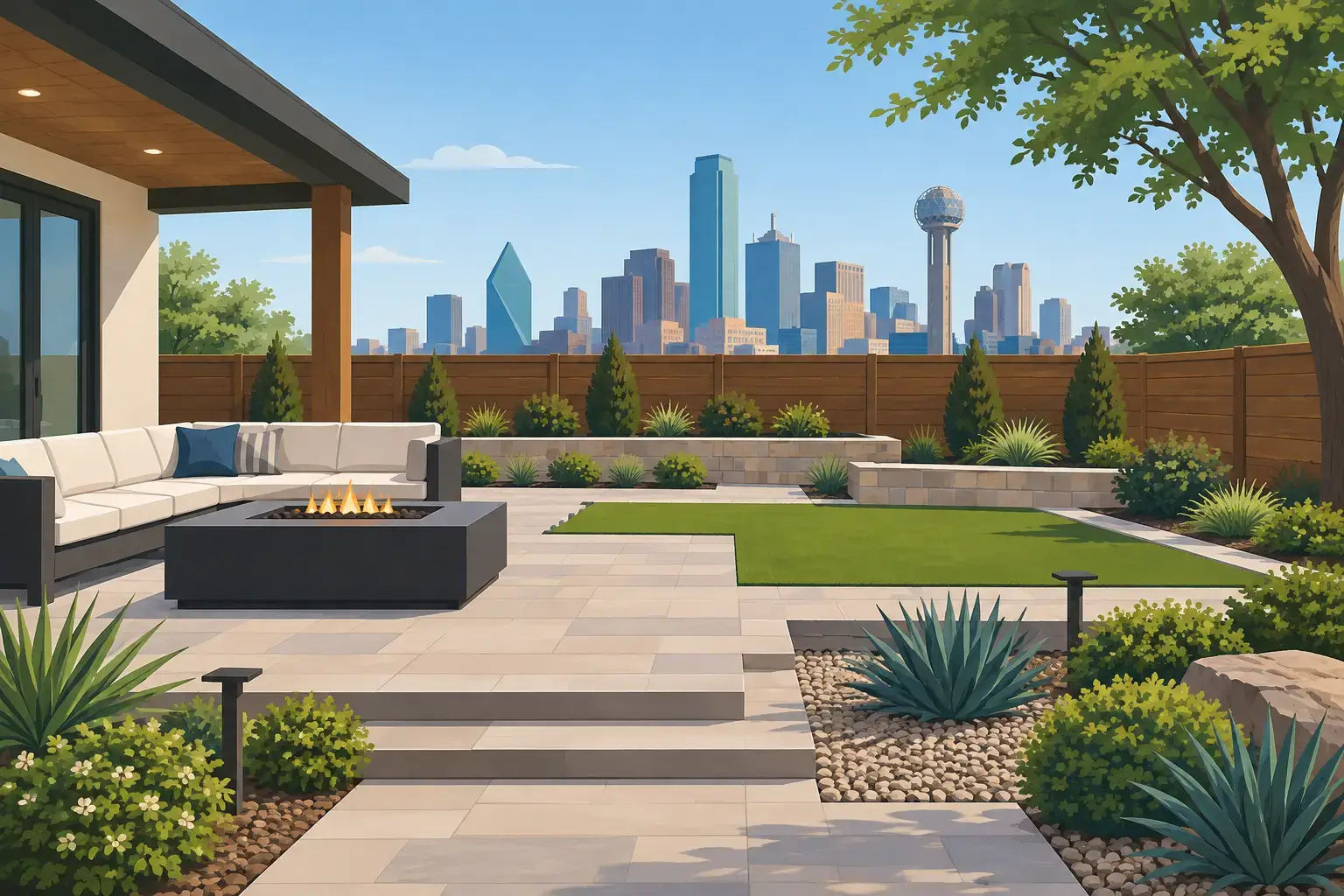
It may not be the best choice for every inch of every pool deck. Areas immediately beside a diving board, outdoor shower, or equipment pad may benefit from hardscape, drains, or a different surface depending on the layout. The best design often combines turf with stone, concrete, pavers, or flagstone to create a backyard that looks finished and drains correctly.
For a poolside lawn that holds up, focus on the installation beneath the surface as much as the turf you see. A well-planned system can handle normal pool water and give your backyard the clean, durable look that makes you want to spend more time outside.


Leave A Comment