 Skip to content
A yard can look great on Saturday and get torn up by Monday when you have an active dog. Between urine spots, worn running paths, muddy paws, and digging, picking the best grass for dogs is less about looks alone and more about how that surface holds up week after week. For homeowners in Dallas-Fort Worth, the right answer usually comes down to your dog’s habits, your maintenance tolerance, and how much traffic your yard gets.
Some families want a natural lawn their dog can roll around on. Others are tired of bare patches and mud getting tracked through the house and want a cleaner, more durable option. Both can work, but they do not perform the same way, especially in North Texas heat.
What makes the best grass for dogs?
The best surface for a dog-friendly yard needs to recover from wear, drain well, and stay reasonably clean. If it cannot handle repeated foot traffic, bathroom use, and hot weather, it will start looking rough fast.
Durability matters first. Dogs do not spread traffic evenly across the lawn. They create the same run lines along the fence, around the patio, and from the back door to their favorite spot. A grass type that looks beautiful but wears down quickly will not stay beautiful for long.
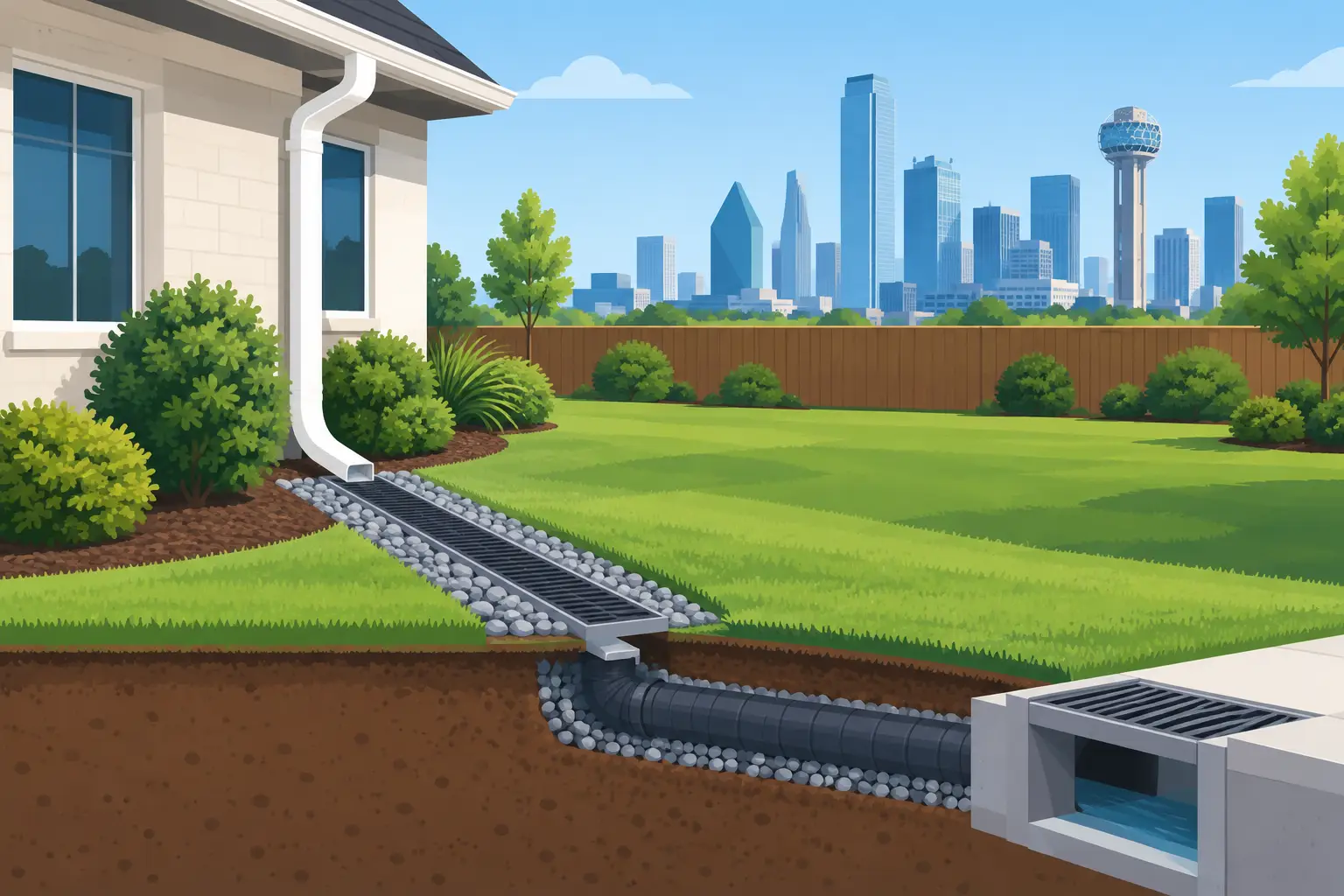
Drainage is next. If water sits near the surface after rain or washing, that area turns into mud, odors linger, and the yard becomes harder to maintain. This is one reason some homeowners move away from traditional lawns altogether.
Then there is cleanup. Dog owners need a surface that makes waste removal simple and does not trap mess or create constant staining. Comfort also matters, especially if your dog spends a lot of time outside. The best choice should feel good underfoot for both pets and people.
Natural sod options for the best grass for dogs
If you want real grass, you need a variety that can take traffic and bounce back. In Texas, not every lawn grass is built for that.
Bermuda grass
Bermuda is one of the strongest natural options for dog owners. It handles heavy traffic better than many other warm-season grasses and has a fast growth and recovery rate. That means if your dog wears a path into it, Bermuda has a better chance of filling back in than a softer, slower-growing lawn.
It also performs well in full sun, which makes it a strong fit for many North Texas yards. The trade-off is that Bermuda can struggle in shady areas. If your backyard has large trees or extended shade from the house, you may end up with thin spots no matter how tough the grass is.
Zoysia grass
Zoysia is another solid choice if you want a lawn that feels dense and looks polished. It has good traffic tolerance and can handle some shade better than Bermuda, depending on the variety. Many homeowners like it because it gives a fuller, more manicured look.
The downside is recovery speed. Zoysia can handle wear, but if it gets damaged, it usually fills in more slowly than Bermuda. For homes with one small dog, that may be fine. For multiple large dogs running the same route every day, slower recovery can become a problem.
St. Augustine grass
St. Augustine is common in Texas and does better in shade than Bermuda, but it is usually not the top pick for heavy dog traffic. It has a broader blade and can create a lush look, but it tends to show wear more easily in active pet yards.
It can still work if your dog activity is moderate and your yard gets too much shade for Bermuda. You just need to be realistic about upkeep. More foot traffic usually means more repair.
Why natural grass sometimes falls short
Natural lawns look good when conditions are right, but dog owners often run into the same problems. Urine spots can discolor the grass. Repeated running can create dirt tracks. Wet areas become muddy, and bare spots invite weeds.
Even with the best sod variety, success depends on watering, fertilizing, mowing, and giving the lawn time to recover. That is the part many busy homeowners are trying to get away from. If you want a clean yard with less ongoing work, natural grass may not be the best long-term fit for your lifestyle.
Artificial turf may be the best grass for dogs for low maintenance
For many pet owners, artificial turf is the most practical answer. It gives you a green lawn without the mud, dead patches, and constant repair that come with real grass. In high-use pet yards, that consistency is hard to beat.
Today’s pet-friendly turf systems are built for drainage and durability. When installed correctly, they allow liquid to pass through, make solid waste easy to remove, and hold up under regular running and play. You do not need to worry about urine burn spots or waiting for worn areas to grow back.
That said, not all turf products or installs are equal. If the turf is low quality or the base work is poor, you can end up with drainage issues, odor problems, or a surface that mats down too quickly. The installation matters just as much as the material.
What to look for in dog-friendly artificial turf
A good pet turf system starts below the surface. Proper excavation, grading, and base preparation help water move through the area instead of sitting on top. That keeps the yard cleaner and reduces odor concerns.
The turf itself should be durable enough to handle traffic without flattening too fast. It should also have the right infill and backing for pet use. Some homeowners focus only on the blade color or softness, but performance is what makes the difference over time.
Heat is the main trade-off. In direct Texas sun, artificial turf can get hotter than natural grass. That does not make it a bad option, but it does mean layout and planning matter. Shade, cooling strategies, and choosing the right product all help create a more comfortable pet space.
Natural sod vs. artificial turf for dog owners
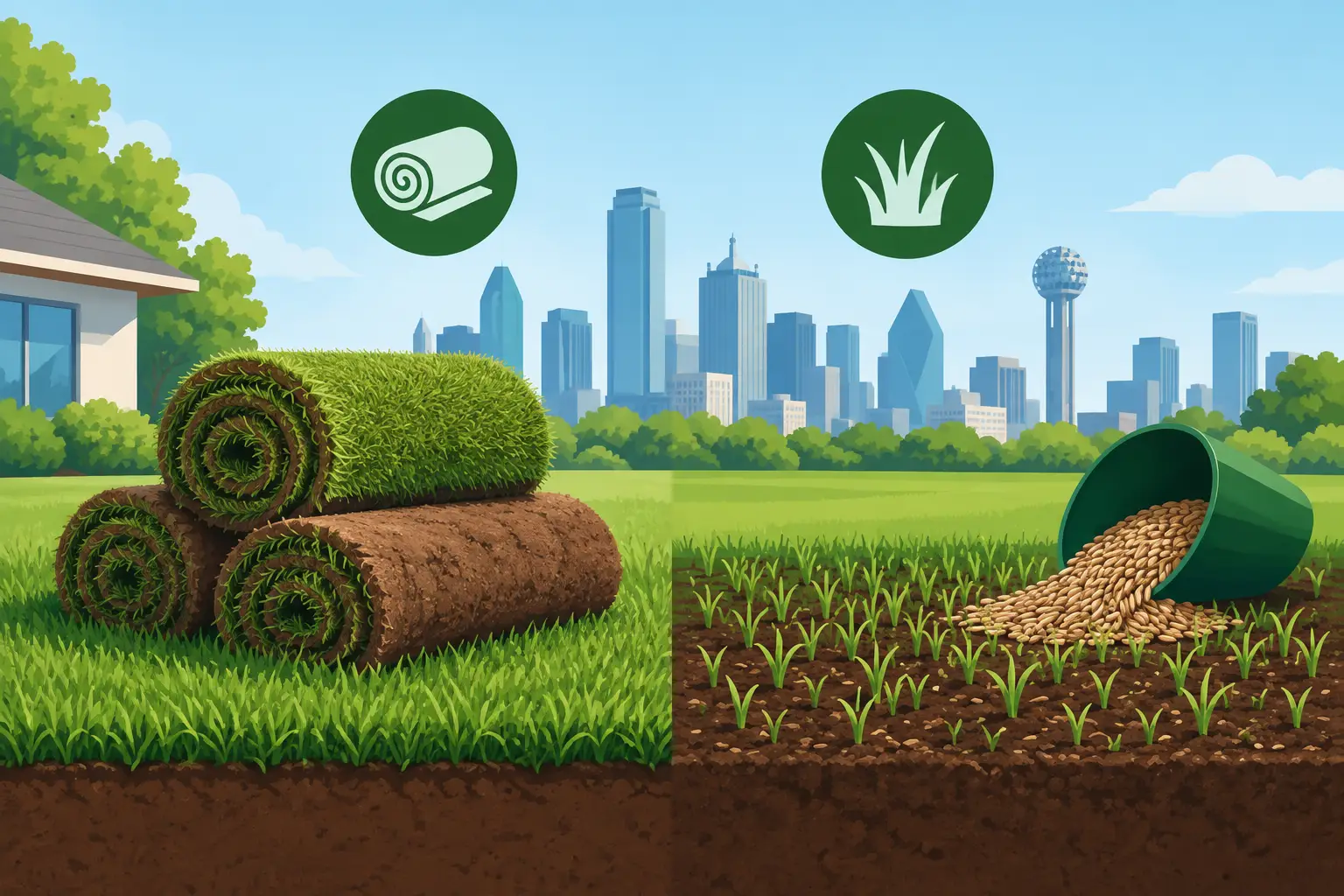
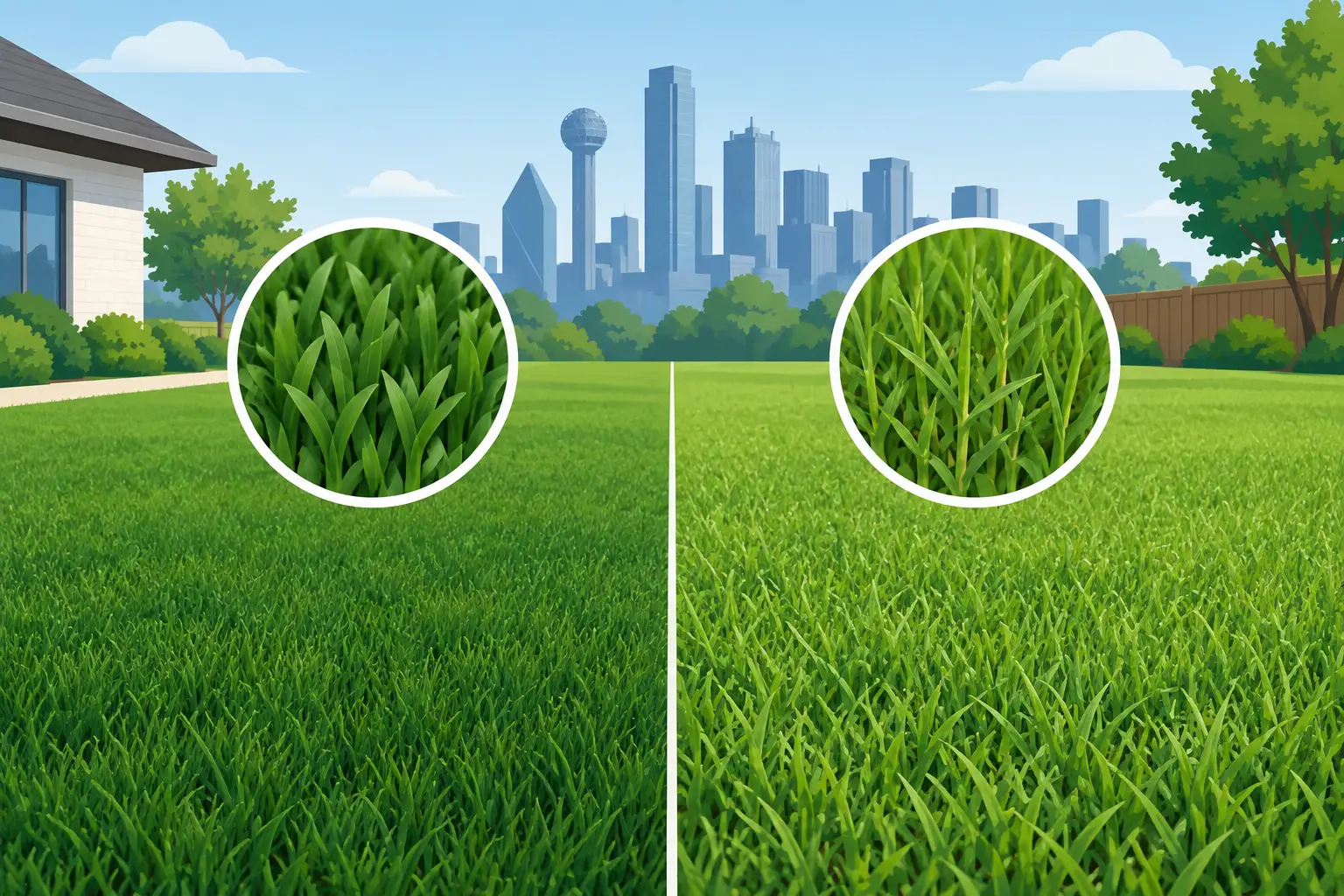
If you want the shortest answer, natural sod wins on the feel of real grass, while artificial turf wins on consistency and maintenance. The better choice depends on what problem you are trying to solve.
If your yard gets a lot of sun, your dog is very active, and you do not mind regular lawn care, Bermuda sod is often the best natural grass for dogs. It gives you a real lawn and has the best chance of recovering from wear.
If your yard has mixed shade, moderate traffic, and you want a more refined lawn appearance, Zoysia can be a good fit. It will likely need more patience when damaged, but it offers a strong balance of looks and performance.
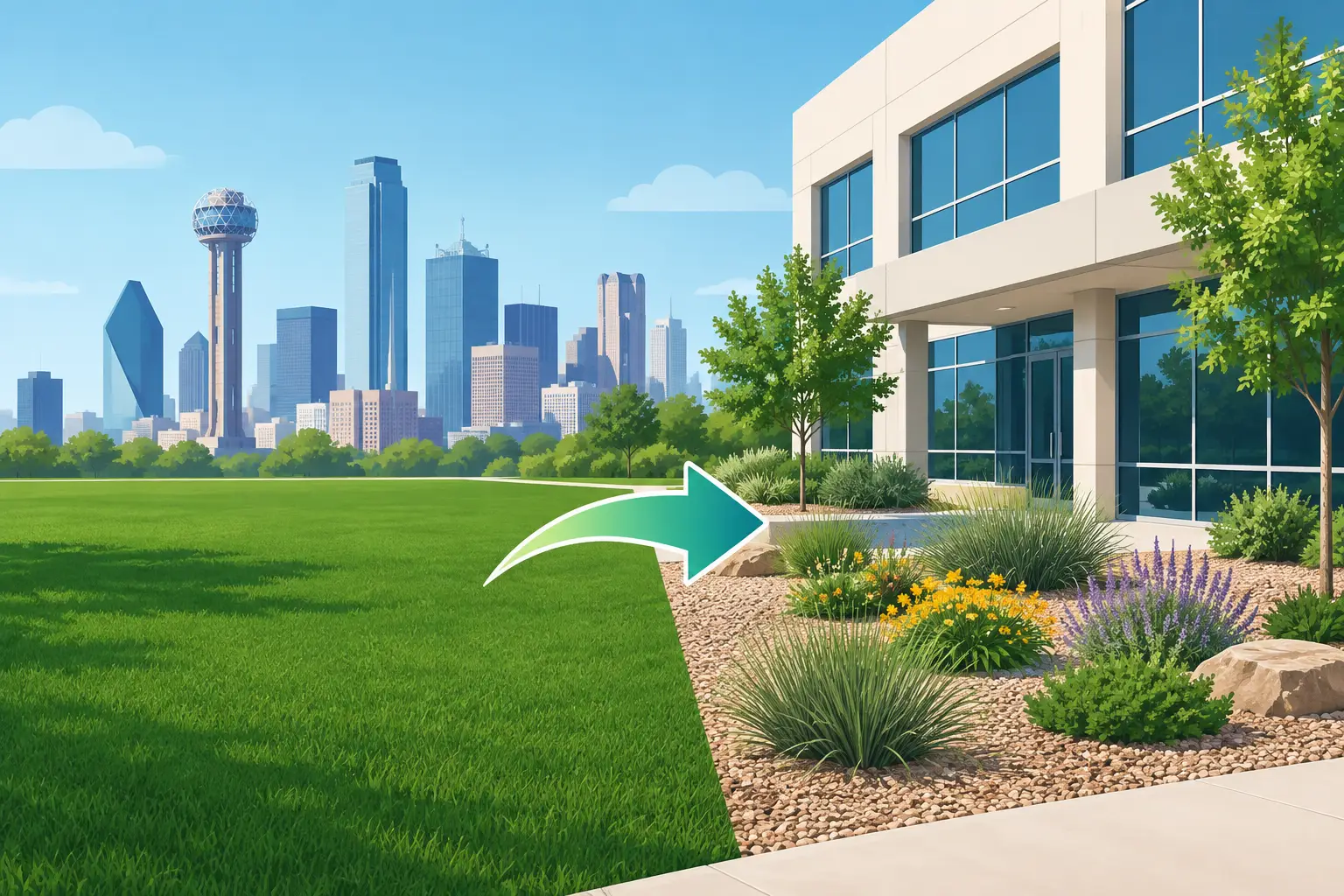
If you are tired of patching dead spots, washing muddy paws, and fighting drainage issues, artificial turf is usually the smarter investment. It costs more upfront than sod, but many homeowners prefer the cleaner look and lower upkeep.
Choosing the right option for your yard
There is no one-size-fits-all answer. A small older dog that mostly lounges outside creates a very different yard than two young large dogs sprinting the fence line every day.
Think about your yard in real use, not just in photos. How much sun does it get? Where does water collect after rain? Does your dog dig? Is the main issue appearance, mud, maintenance, or all three? Those answers usually point you in the right direction faster than comparing grass types in a vacuum.
For North Texas homeowners, climate should stay part of the conversation. Summers are hard on lawns, and high traffic only makes that tougher. A grass type that looks good in theory may still struggle if your yard has poor drainage or nonstop activity. That is why surface selection and installation quality need to work together.
A professionally installed pet-friendly yard can solve more than one problem at once. If you are replacing worn-out lawn areas, it may also be the right time to address grading, drainage, edging, or hardscape features that improve the way the whole backyard functions. At Sod Green, that is often where homeowners get the best long-term result – not just a new surface, but a yard that is easier to live with every day.
The best grass for dogs is the one that matches how your dog actually uses the yard and how much maintenance you want to deal with after the project is done. Pick for real life, and your backyard will stay cleaner, stronger, and better looking for the long haul.


Leave A Comment