 Skip to content
A lawn can look great on Saturday morning and rough by Tuesday afternoon in Texas. Between heat, foot traffic, pets, water bills, and the constant cycle of mowing and edging, the choice between synthetic turf vs grass is not just about looks. It is about how you actually use your yard and how much work you want tied to it.
For some homeowners, natural grass is still the right call. For others, synthetic turf solves the exact problems that keep showing up year after year. If you are trying to decide what makes the most sense for your home, it helps to look past the sales pitch and compare both options where it really counts.
Synthetic turf vs grass for everyday use
The biggest difference between synthetic turf and natural grass shows up in daily life. Grass is alive, which means it changes with weather, watering, shade, pests, and seasonal stress. A natural lawn can be beautiful, but it needs consistent care to stay that way.
Synthetic turf is built for consistency. It does not need mowing, fertilizing, reseeding, or weekly watering to stay green. If your goal is a yard that looks clean and finished without becoming a weekend project, turf has a clear advantage.
That does not mean grass has no upside. Natural sod gives you the softness and cooling effect that only real grass can provide. Many homeowners still prefer the feel and smell of a living lawn, especially if they enjoy yard work and do not mind the upkeep.
Cost is not just the installation price
A lot of homeowners start with the upfront number, and that makes sense. Natural sod usually costs less to install than synthetic turf. If you want a fast lawn upgrade at a lower initial investment, sod often looks more attractive on paper.
But first-year pricing is only part of the story. Grass keeps charging you after installation. Water, mowing, edging, fertilizer, weed control, pest treatments, sprinkler repairs, reseeding, and patch work all add up. In Dallas-Fort Worth, water use alone can become a major long-term expense, especially in hot months.
Synthetic turf costs more at the start, but the long-term maintenance costs are much lower. You are paying for a surface that stays usable and presentable with very little ongoing work. For homeowners who care about predictability and convenience, that matters.
The right choice depends on how long you plan to stay in the home and how much value you put on lower upkeep. If this is your long-term house, turf often becomes easier to justify. If you need a quicker budget-friendly upgrade, sod may be the better fit.
Appearance and curb appeal
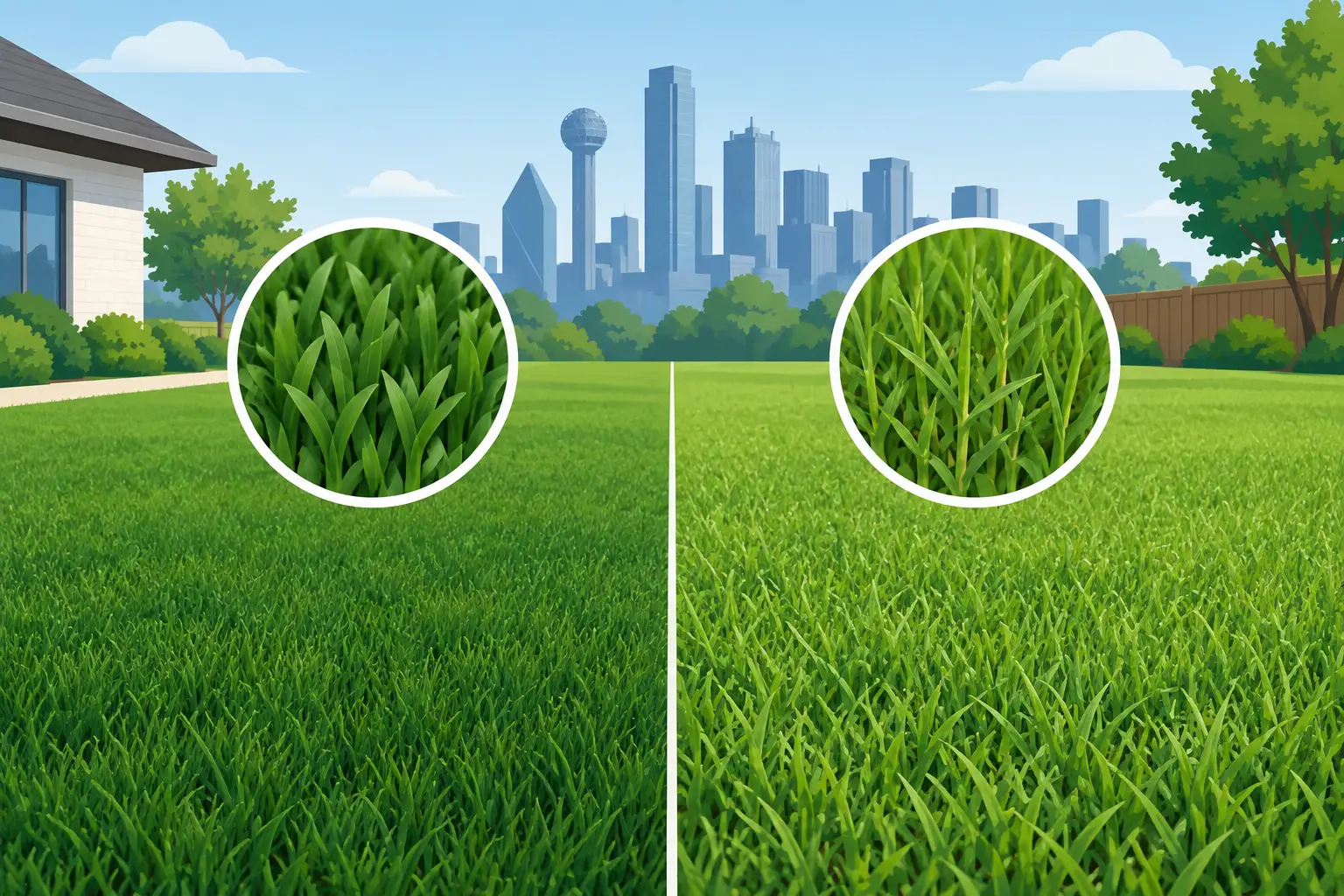
Both options can look sharp when installed correctly. A fresh sod lawn has a natural beauty that is hard to argue with. It blends in well with trees, garden beds, and traditional landscaping, and it gives you that classic front yard look many homeowners want.
Synthetic turf gives you a different kind of curb appeal. It looks neat, uniform, and green year-round. There are no bare patches near the fence, no muddy wear spots from dogs, and no brown sections after a stretch of extreme heat. For homeowners who want a polished appearance in every season, turf is tough to beat.
The quality of the installation matters more than most people realize. Cheap turf can look flat or artificial. Poorly installed sod can fail quickly if grading, drainage, or soil prep are handled poorly. That is why the contractor matters as much as the material. A specialist who understands base prep, drainage, transitions, and finish work can make either surface perform better and look cleaner.
Maintenance is where the gap gets wide
This is where synthetic turf vs grass becomes a practical decision instead of a design preference. Grass asks for regular attention. Even a healthy lawn needs mowing, trimming, watering, and seasonal treatment. If you skip the routine, the lawn shows it.
Synthetic turf keeps maintenance simple. You may need occasional rinsing, brushing in high-traffic areas, and cleanup from leaves or debris, but it does not demand weekly labor. For busy families, rental property owners, and homeowners who travel often, that low-maintenance benefit is usually the main reason they switch.
Pet owners feel this difference fast. Natural grass can develop urine spots, muddy areas, and worn paths. Turf, when designed for pets and installed with the right drainage system, is much easier to manage. The yard stays cleaner, and dogs can run without turning parts of the lawn into dirt.
Heat, comfort, and drainage
This is one area where trade-offs matter. Natural grass stays cooler in direct sun. On a hot Texas afternoon, real grass is usually more comfortable under bare feet than synthetic turf. If cooling is your top priority and you spend a lot of time outside during peak summer heat, that is worth considering.
Synthetic turf can get hotter, especially lower-end products or installations without the right infill choices. That said, modern turf systems have improved, and there are ways to reduce heat impact depending on the product, layout, and use of surrounding shade. It is not a deal breaker for most homeowners, but it should be part of the conversation.
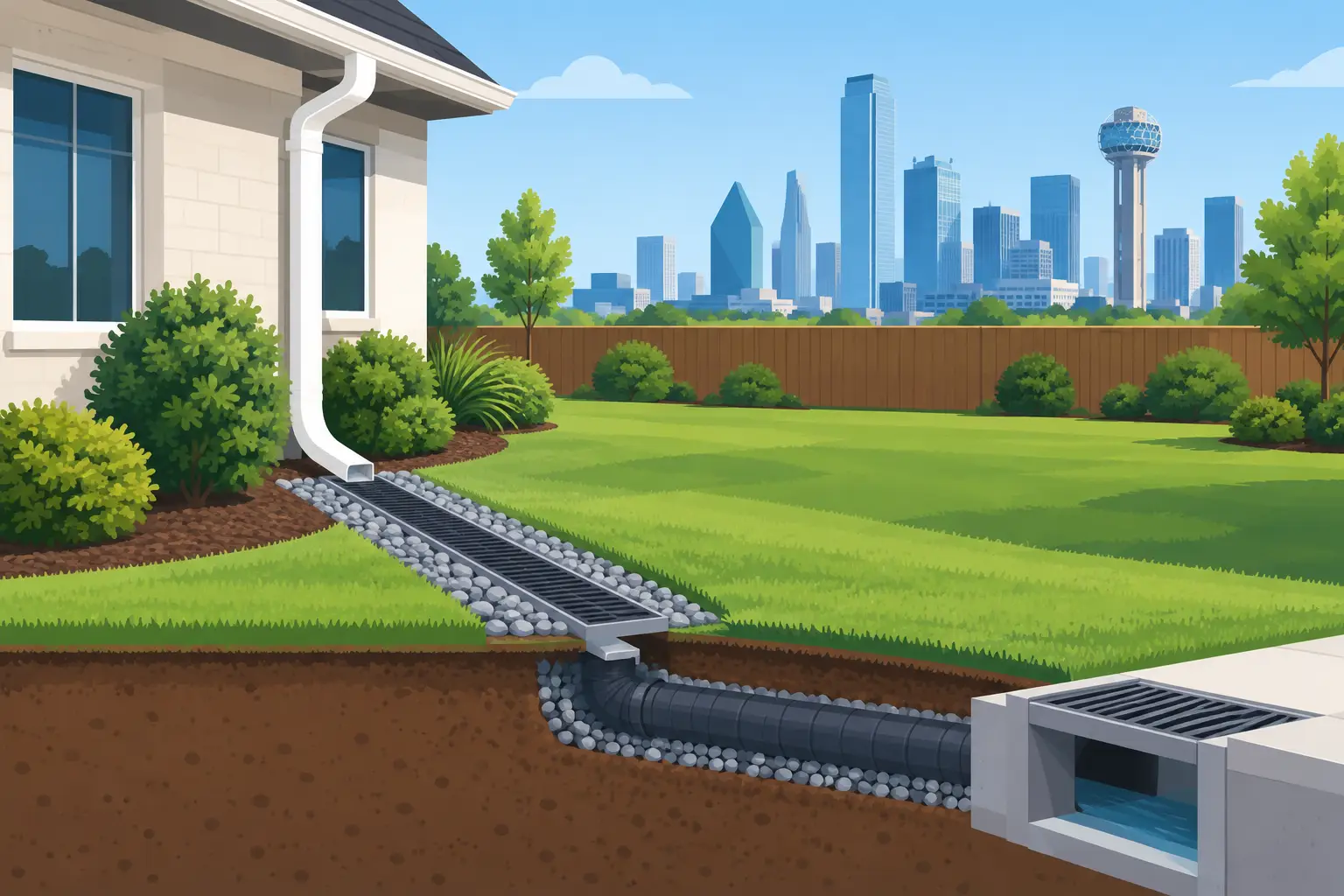
Drainage is another major factor. A struggling grass lawn often points to underlying drainage issues. If water sits too long, grass thins out, roots weaken, and mud becomes a constant problem. Turf does not fix bad drainage by magic, but a proper installation can include a prepared base and drainage plan that makes the space much more usable after rain.
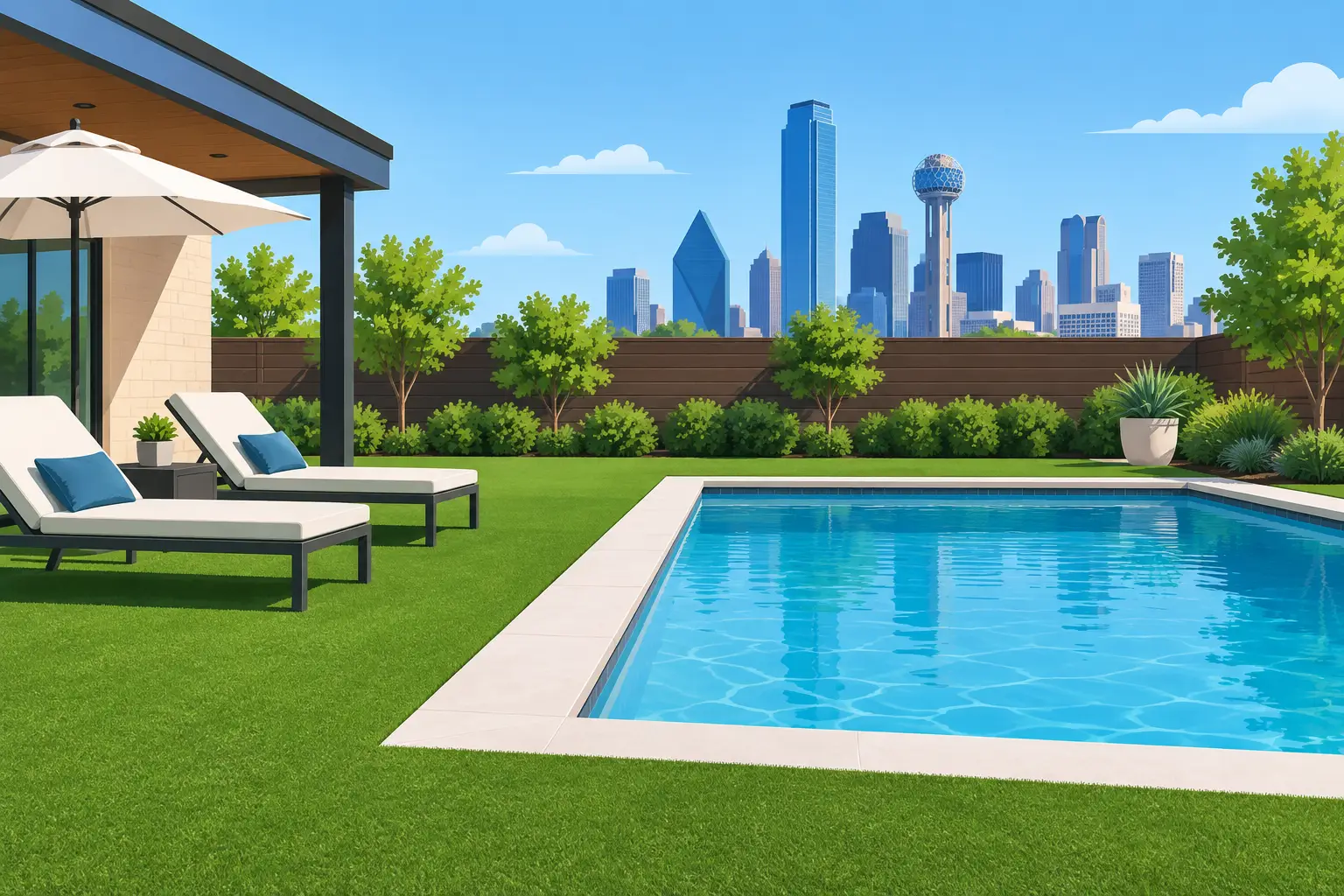
For homes with pool areas, side yards, dog runs, or shaded spots where natural grass never seems to thrive, synthetic turf often performs better simply because it is not relying on perfect growing conditions.
Durability for kids, pets, and entertaining
Some yards are mostly for looks. Others get used hard. If your backyard sees soccer practice, dogs chasing each other, pool traffic, cookouts, and regular foot traffic, durability matters.
Grass can recover from use, but only if conditions are right and the damage is not constant. Heavy wear creates thin spots and dirt patches, especially in high-traffic routes. Once those areas break down, the lawn starts to look tired fast.
Synthetic turf is built for repeat use. It holds up better in play areas, around patios, near pools, and in places where natural grass struggles to recover. If your yard is an active part of your home rather than something you just look at from the window, turf brings a level of reliability grass often cannot match.
Which option fits your property best?
Synthetic turf vs grass by homeowner priority
If you want the lower upfront cost, the natural feel, and a traditional lawn experience, grass may be the better choice. It works well for homeowners who are willing to keep up with maintenance or already have an irrigation and lawn care routine in place.
If you want a clean look year-round, less maintenance, better durability, and fewer headaches with pets or bare spots, synthetic turf is usually the better investment. It is especially strong in smaller yards, problem areas, shaded sections, pool surrounds, play spaces, and homes where convenience is a real priority.
Some properties benefit from both. A front yard may look great with sod, while a backyard dog run or side yard performs better with synthetic turf. A putting green area, patio border, or play section may also make more sense in turf while keeping natural grass elsewhere. The best solution is not always all one or all the other.
That is where a site-specific approach matters. Soil condition, sun exposure, drainage, traffic, and how you actually want to use the space should drive the decision. For many Dallas-area homeowners, the smartest move is not asking which material is better in general. It is asking which one solves the most problems on your property.
A good yard should make life easier, not add another chore to your week. If you are weighing synthetic turf vs grass, focus on the result you want five years from now, not just the install day. When the lawn fits the way you live, the whole property works better.


Leave A Comment