 Skip to content
A lot of homeowners start shopping for turf by looking at color and price. That makes sense at first, but it usually leads to the wrong product. If you want to know how to choose artificial turf, the better starting point is how the space will actually be used – by kids, pets, guests, pool traffic, or nobody at all except the view from the street.
That one decision changes everything. The best turf for a front yard is not always the best turf for a dog run. A backyard putting green needs a different surface than a play area. Even two products that look similar in a sample can perform very differently once they are installed under full Texas sun.
How to Choose Artificial Turf Based on Use
The first question is simple: what do you need the turf to do every day?
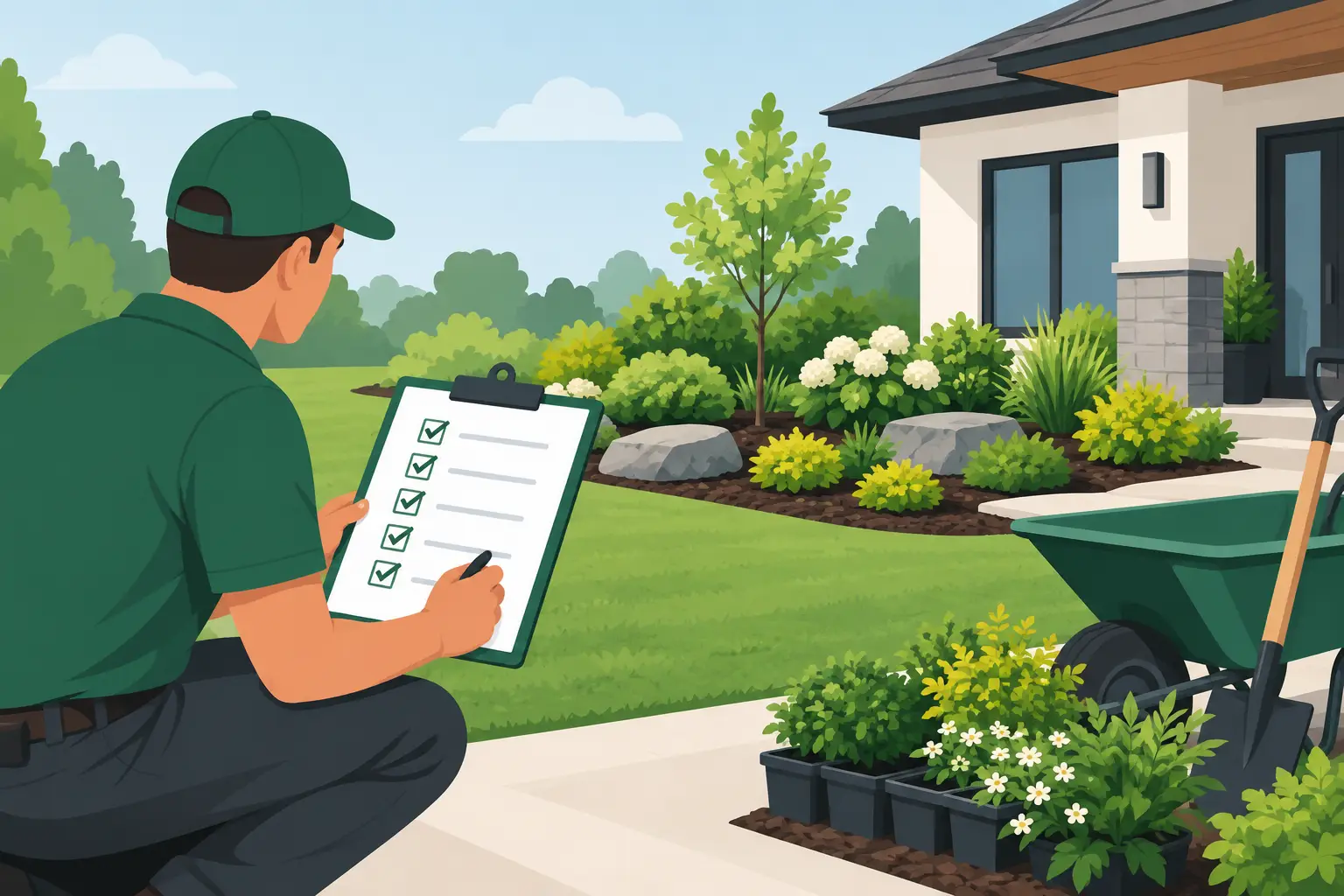
If your main goal is curb appeal, you want a natural-looking product with good color variation and a blade shape that stands up without looking stiff. Most homeowners do best with a medium pile height for this. It looks clean, feels finished, and avoids the overbuilt look some taller products can have.
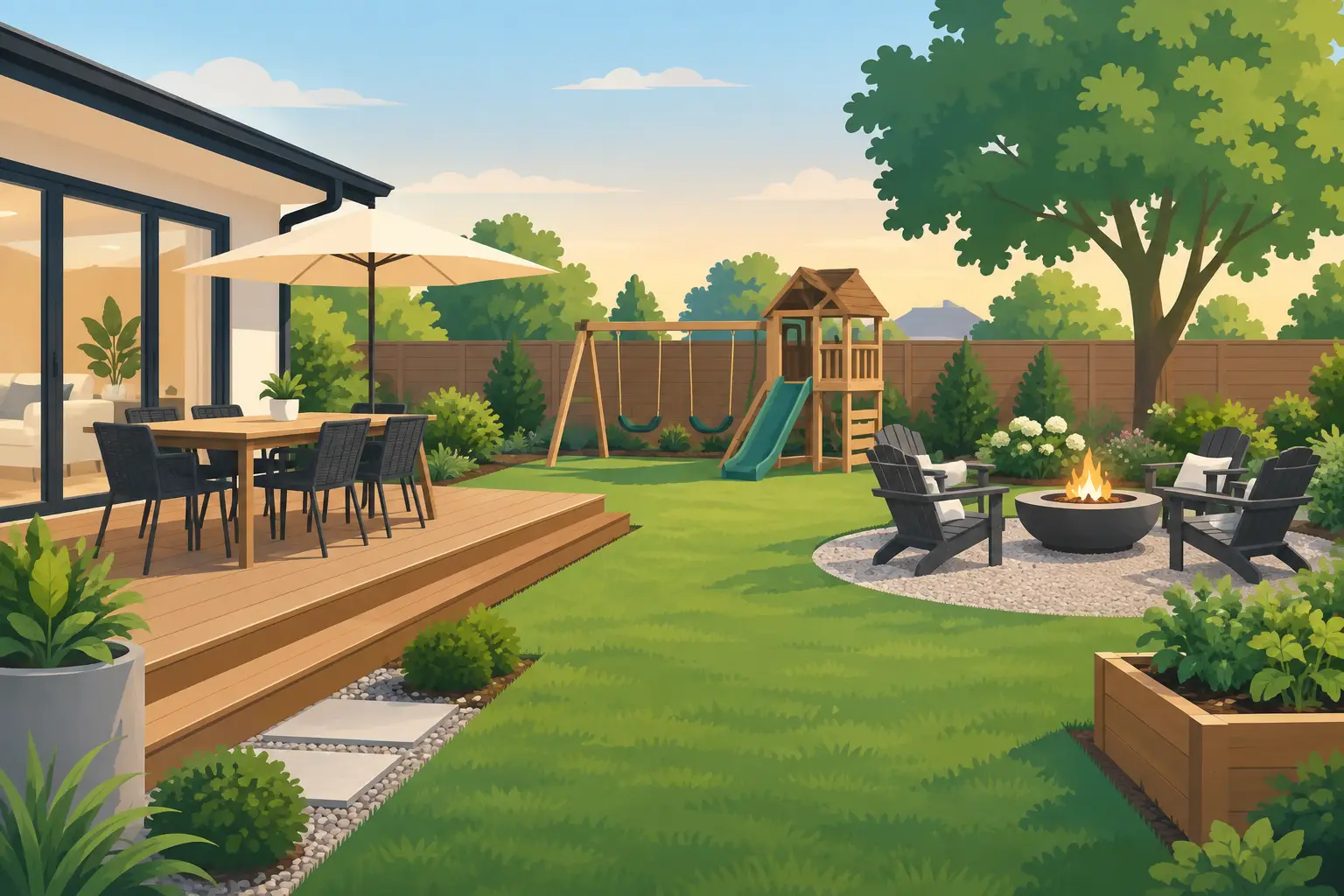
If the area is for kids and pets, drainage becomes a major factor. You also want a surface that is comfortable underfoot and easy to clean. In these cases, softness matters, but so does recovery. Turf that mats down too easily can look worn fast in high-traffic spots.
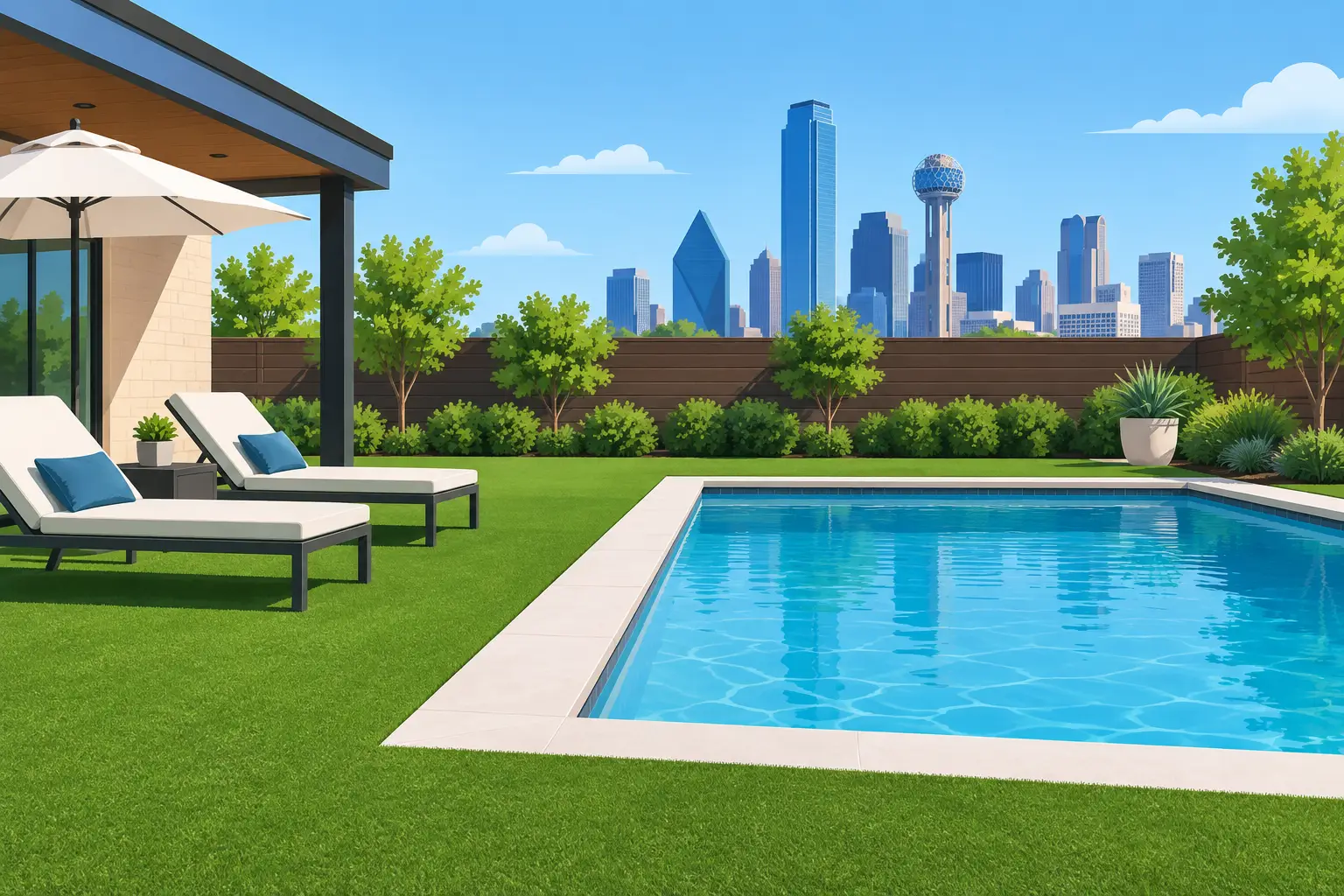
For pool areas, you need more than a good look. You want a turf system that drains fast, stays usable, and holds up to repeated foot traffic. Around pools, the right base prep matters just as much as the turf itself. A good install keeps the surface even and helps prevent soggy edges or movement over time.
If you are building a putting green, that is its own category. Ball roll, firmness, and speed all matter. This is not the place to choose based on appearance alone.
Look Past the Sample Board
Small samples are helpful, but they do not tell the whole story. Almost every turf sample looks decent in your hand. The difference shows up after installation, especially once the product sees heat, foot traffic, and weather.
When comparing options, pay attention to blade shape, not just color. Some blade designs are built to spring back better after being walked on. Others are softer but may flatten more quickly. There is always a trade-off. A softer product may feel great at first touch, while a more durable one may hold its appearance better over time.
Color also deserves a closer look. Natural-looking turf usually blends several shades of green with some brown or tan thatch near the base. That mix helps it resemble real grass instead of a flat green carpet. In Texas neighborhoods where curb appeal matters, that detail makes a noticeable difference.
Pile Height, Face Weight, and Density
These are the specs many buyers hear about first, but they only help if you know what they mean.
Pile height refers to how tall the blades are. Taller is not automatically better. Very tall turf can look lush in photos, but it may also flatten faster in active areas. A medium pile height is often the safest choice for homeowners who want a balance of appearance and function.
Face weight refers to how much yarn is used per square yard. In simple terms, a higher face weight usually means a fuller product. But this number should not be judged by itself. A turf with strong blade construction and good density can outperform a heavier product that lacks structure.
Density is how closely packed the fibers are. Denser turf generally looks fuller and can feel more substantial. It can also help with durability. At the same time, going too heavy for the application is not always necessary. A low-traffic decorative area may not need the same build as a family backyard with dogs and daily use.
This is where many homeowners get stuck. They compare one spec line to another and assume the highest number wins. It does not work that way. The right choice depends on traffic, visual goals, budget, and the quality of the install underneath it.
Drainage Is Not Optional
In North Texas, drainage can make or break a turf project. A beautiful product installed over a weak base is still a problem waiting to happen.
If the yard already holds water, replacing the grass alone will not fix it. The base may need grading work or additional drainage planning before the turf goes down. This is one reason specialist installers matter. A surface can look finished on day one and still fail later if water management was ignored.
Pet owners should be especially careful here. Good drainage helps with cleanup and odor control. If that is a priority, ask about the backing system and how quickly water moves through the turf into the base below. It is not just about whether the product drains. It is about whether the entire system drains well.
Choose Turf That Fits Texas Heat
Not every product performs the same under strong sun. In Dallas-Fort Worth, heat is part of the job. Your turf should be selected with that in mind.
Some products hold their shape better through hot summers. Some show wear faster. Some feel better underfoot than others depending on the yarn and infill used. There is no artificial turf that stays as cool as natural grass in every condition, so it helps to be realistic. If the space gets full afternoon sun, material choice and layout both matter.
This is another reason to think in terms of use. If the turf is mostly for looks, heat may be less of a concern than it would be in a backyard where kids and pets spend hours outside.
Installation Quality Matters as Much as the Turf
Homeowners often spend a lot of time picking the product and not enough time looking at the crew installing it. That is backwards.
Artificial turf is only as good as the base preparation, seaming, edging, and finishing work underneath it. A poor install can lead to wrinkles, uneven spots, visible seams, drainage trouble, and premature wear. Even a premium product will not hide bad workmanship.
A professional install should start with proper excavation and base compaction. From there, the turf should be cut and seamed cleanly, secured correctly, and finished in a way that looks tight and natural. The edges around patios, walkways, flower beds, and fences should be crisp. The job site should also be left clean when the work is done. That part matters more than people think.
For many homeowners, choosing the right contractor is really part of how to choose artificial turf. The product and the installation are not separate decisions. They work together.
Budget: Where to Spend and Where to Be Careful
Everyone wants value, and that is reasonable. But the cheapest quote is often cheap for a reason.
Sometimes the product quality is lower. Sometimes the installer cuts corners on excavation, base material, or seam work. Sometimes the quote leaves out details that show up later as change orders. Turf should be a long-term improvement, not a project you have to revisit because it was rushed or underspecified.
That does not mean you need the most expensive option on the market. It means you should match the product to the project and make sure the installation scope is solid. In many cases, a mid-range turf installed by an experienced crew will outperform a premium turf installed poorly.
Questions Worth Asking Before You Decide
Before moving forward, ask what the turf is recommended for, how it handles traffic, and what kind of drainage system is planned underneath. Ask whether the area needs extra grading work. Ask how seams and edges will be handled. Ask what maintenance will still be needed, because low maintenance is not the same as zero attention forever.
You should also ask to see examples of completed work, especially projects similar to yours. A front yard, dog area, putting green, and pool surround all have different demands. The right contractor should be able to speak clearly about those differences without making the process complicated.
That is where a specialist stands out. Companies that work with turf every day tend to catch issues early, recommend the right product faster, and build the system to last. At Sod Green, that practical approach is a big part of why homeowners choose professional installation instead of guessing their way through product samples alone.
The best artificial turf is not the one with the flashiest sample or the tallest blades. It is the one that fits your yard, your traffic, your expectations, and your budget – then gets installed the right way the first time. If you keep your focus on performance instead of hype, the right choice gets a whole lot clearer.


Leave A Comment