 Skip to content
A front yard can make your home look sharp or drag down the whole property. In North Texas, it can also turn into a weekly chore fast. This low maintenance front yard guide is built for homeowners who want strong curb appeal without spending every weekend mowing, edging, watering, and fighting bare spots.
The good news is you do not have to settle for a plain yard just to make it easier to manage. A lower-maintenance front yard can still look clean, high-end, and welcoming. The key is choosing the right mix of surfaces, plant material, and layout for the way you actually live.
What a low-maintenance front yard really means
Low maintenance does not mean no maintenance. It means cutting down the constant work, the recurring costs, and the problem areas that keep coming back. For most homeowners, that usually means less turf to mow, fewer thirsty plants, better drainage, and materials that hold up in Texas heat.
It also means being honest about what creates work in the first place. Large natural grass areas need regular mowing, fertilizing, watering, and seasonal repair. Messy planting beds invite weeds. Poor grading leads to runoff and muddy spots. A good front yard design solves those issues before they become routine frustration.
Start with the biggest maintenance problem
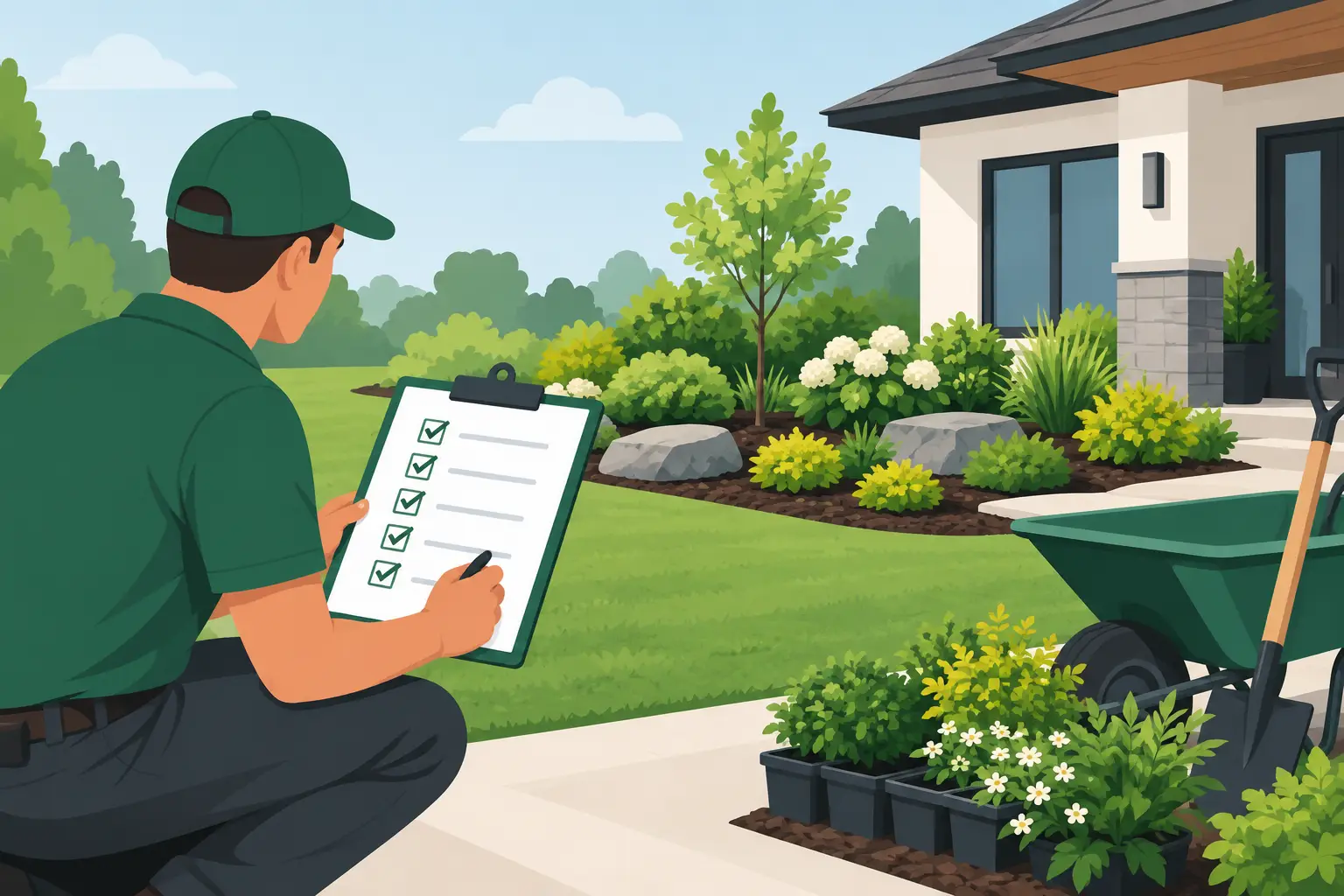
Before choosing plants or materials, take a hard look at what is failing now. If your front lawn is patchy from heat and foot traffic, replacing it with the same setup may only restart the same cycle. If water pools near the walkway, adding more plants will not fix the root issue. If your beds always look overgrown, the problem may be the layout, not your effort.
The best low-maintenance projects start by identifying the one or two elements causing the most upkeep. For some homes, that is struggling grass. For others, it is weed-prone beds, poor drainage, or too many different materials competing in one small space.
The low maintenance front yard guide to better layout
A simple layout is easier to maintain and usually looks better from the street. Too many curves, small islands, and narrow bed lines create extra trimming, more edging, and more places for weeds to grow. Cleaner shapes tend to reduce labor while giving the yard a more finished look.
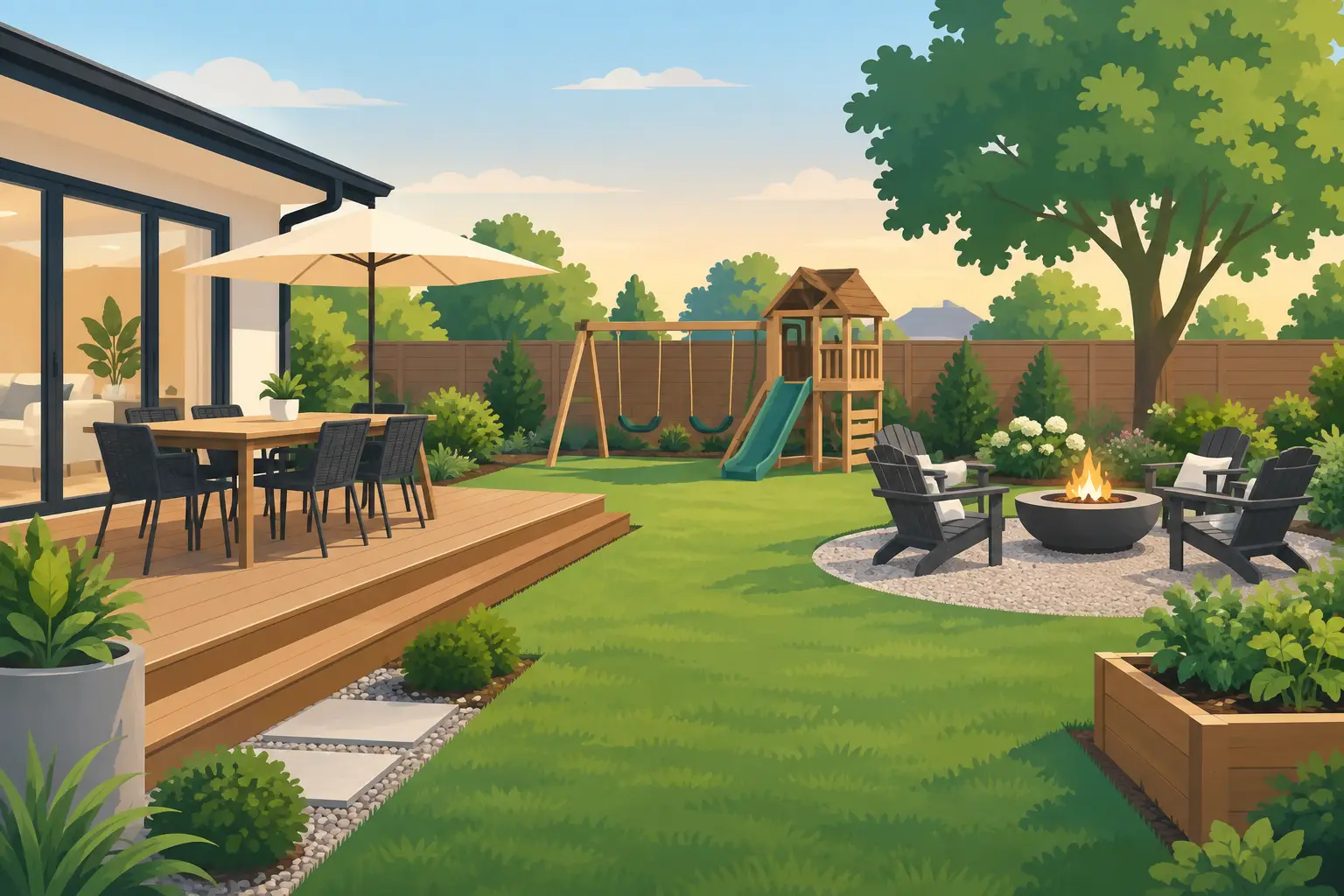
A strong front yard usually combines three zones: a main surface, planting beds, and hardscape. The main surface might be natural sod or artificial turf. The planting beds frame the home and soften the edges. The hardscape includes walkways, borders, stone accents, or decorative gravel areas. When these zones are balanced, the whole property feels intentional instead of pieced together.
If you want the lowest maintenance option possible, reducing the square footage of natural grass is usually the first move. That does not mean eliminating green space entirely. It means being strategic about where grass belongs and where another surface would perform better.
Artificial turf for year-round curb appeal
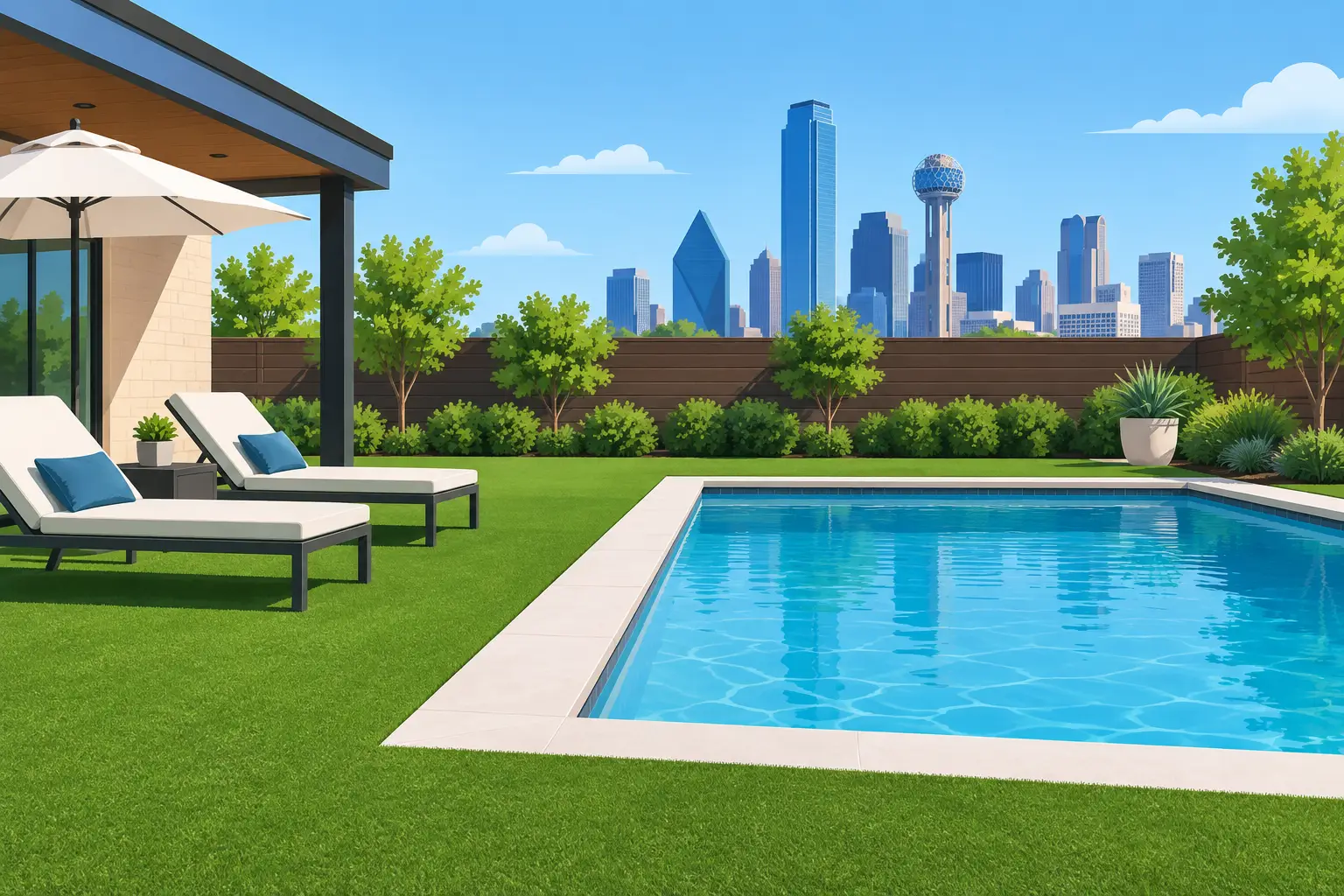
For many Dallas-area homeowners, artificial turf is the cleanest answer to front yard maintenance. It stays green through heat, drought, and heavy use. There is no mowing, no mud, and no seasonal patch repair. It also gives the home a polished look right away, which matters when the front yard is the first thing people see.
That said, not every turf product or install is equal. A front yard needs proper base preparation, clean edges, and attention to drainage. If those details are ignored, even a premium product can look off. Done right, synthetic turf gives you a consistent, durable lawn surface with far less upkeep than natural grass.
Natural sod still works in the right setting
If you prefer real grass, sod can still be a practical option, especially when the area is not oversized and the irrigation is solid. Fresh sod gives an immediate transformation and can work well when paired with smaller planting beds and simple borders.
The trade-off is ongoing maintenance. Even a healthy sod lawn will need mowing, watering, feeding, and seasonal care. For homeowners who enjoy a natural lawn and do not mind some upkeep, sod makes sense. For those trying to cut maintenance as much as possible, turf or a reduced-lawn layout may be the better fit.
Choose plants that can handle Texas conditions
A low-maintenance front yard lives or dies by plant selection. If the plants constantly need extra water, frequent trimming, or replacement after weather swings, the yard will never feel easy.
The better approach is to use a smaller number of hardy plants that suit the site. Foundation shrubs, drought-tolerant grasses, and heat-friendly perennials usually outperform fussier varieties. Keeping the palette tighter also creates a cleaner, more professional look. A front yard packed with too many plant types often ends up looking busy and harder to maintain.
Mulch helps, but only if the bed is built well. Defined bed edges, proper spacing, and weed control under the surface matter just as much as the mulch on top. Stone can also work in selected areas, especially where you want a crisp finish and minimal refresh over time. The choice depends on the style of the home and how much heat reflection the area gets.
Hardscaping does more than improve looks
Walkways, borders, paver accents, and stone features are not just decorative. They reduce maintenance by replacing problem areas with stable surfaces that do not need mowing or constant cleanup. They also help direct traffic, protect planting beds, and make the front yard feel more structured.
This is especially useful for narrow side strips, sloped sections, and awkward corners where grass struggles. Instead of forcing turf to work everywhere, a smart hardscape plan puts durable materials where they make more sense. Flagstone paths, edging, and decorative gravel can clean up a yard fast when they are installed with the right base and drainage.
The caution here is overdoing it. A front yard that is all rock and concrete can feel harsh, especially in Texas sun. The best results usually come from balance – enough green to keep the home inviting, enough hardscape to cut down the work.
Drainage is part of maintenance
If water does not move correctly, the yard will keep creating problems. Standing water kills grass, stains surfaces, washes out mulch, and encourages erosion. It also makes the front yard look neglected even when the design itself is good.
That is why drainage should be part of any serious front yard upgrade. Sometimes the fix is subtle, like grading adjustments or better flow around beds. Other times it involves more direct solutions. Either way, solving drainage early protects the rest of the investment and keeps the yard easier to manage long term.
Keep the design clean, not crowded
One of the most common mistakes in front yard landscaping is adding too much. Too many small plants, too many colors, too many decorative pieces. It may look full on day one, but it often turns into trimming, replacing, and cleaning by month six.
A cleaner design usually wins. Fewer materials. Stronger lines. Plants with room to mature. A clear path from the curb to the entry. That approach not only lowers maintenance, it also gives the home a more upscale appearance.
This is where working with a specialist matters. Good installation is not just about putting in grass or stone. It is about building a front yard that looks right now and still works a few years from now.
A practical front yard plan for Dallas homeowners
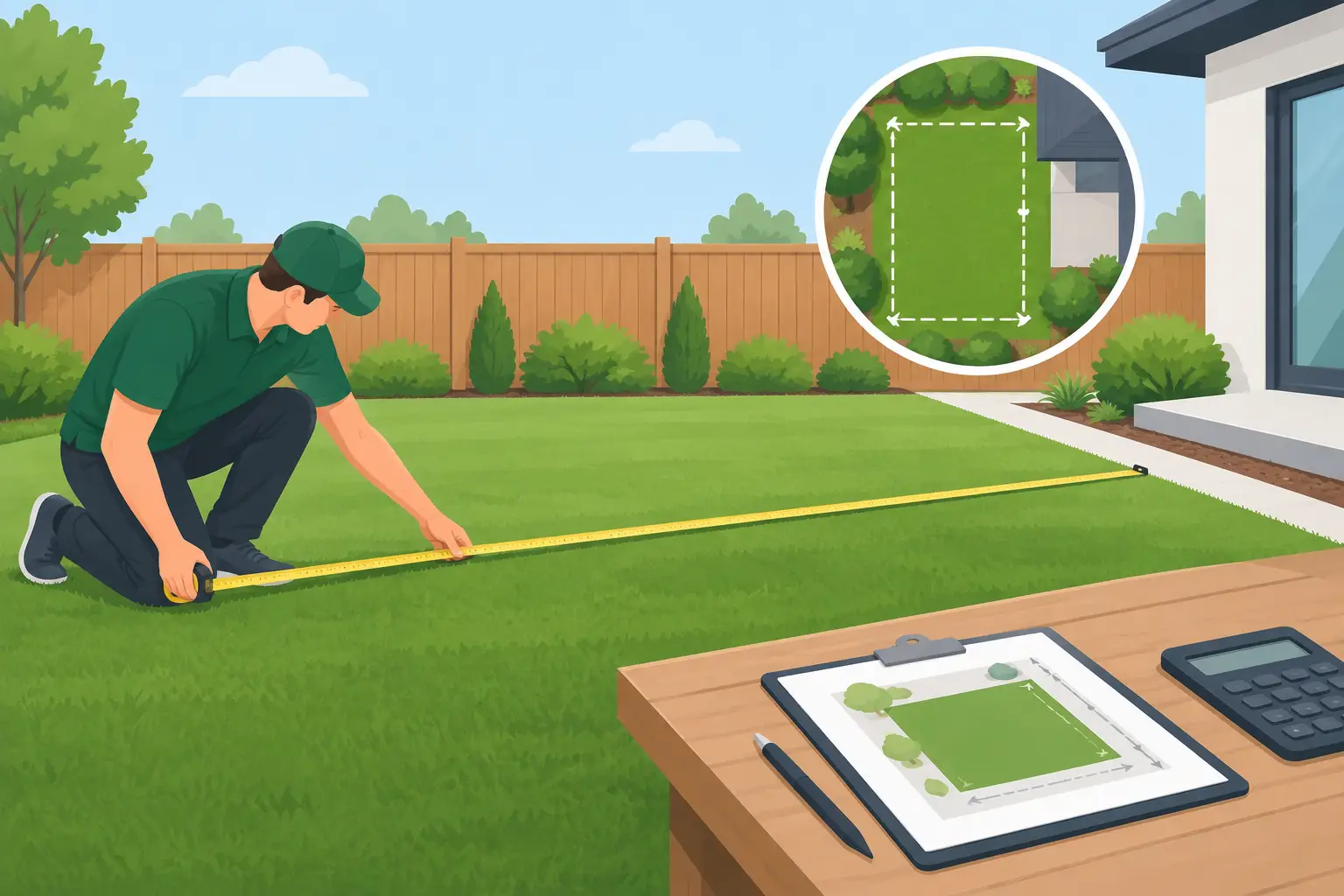
If you are using this low maintenance front yard guide to plan your own project, think in terms of performance first and style second. Decide how much lawn you truly want to maintain. Look at where drainage needs attention. Choose whether real sod or artificial turf fits your goals better. Then build around that with simple beds and durable hardscape.
For many homes, the winning formula is straightforward: a defined lawn area, a few well-chosen planting beds, and stone or paver elements that cut down on upkeep while sharpening the look of the property. That combination gives you curb appeal without turning the front yard into a second job.
At Sod Green, we see the same thing over and over – homeowners do not mind investing in the front yard when the result is cleaner, easier, and built to last. If your current setup is costing you time every week and still not looking the way you want, it may be time to stop patching it and start redesigning it.
The right front yard should work for your schedule, your home, and your climate. When those pieces line up, maintenance drops and curb appeal takes care of itself.


Leave A Comment