
A new lawn can look finished in a day, but the wrong grass variety can leave you fighting thin spots, weeds, and high water bills for years. This sod varieties review looks at the grasses Dallas-Fort Worth homeowners ask about most, with a clear focus on heat, shade, traffic, and the real maintenance each option requires.
What Matters Most When Choosing Sod in North Texas
North Texas gives lawns a demanding job. Summer heat is intense, rainfall can be unpredictable, and many yards have a mix of full sun, mature trees, compacted soil, and heavy family use. A sod variety that thrives in one part of your yard may struggle only a few feet away under a canopy of live oaks.
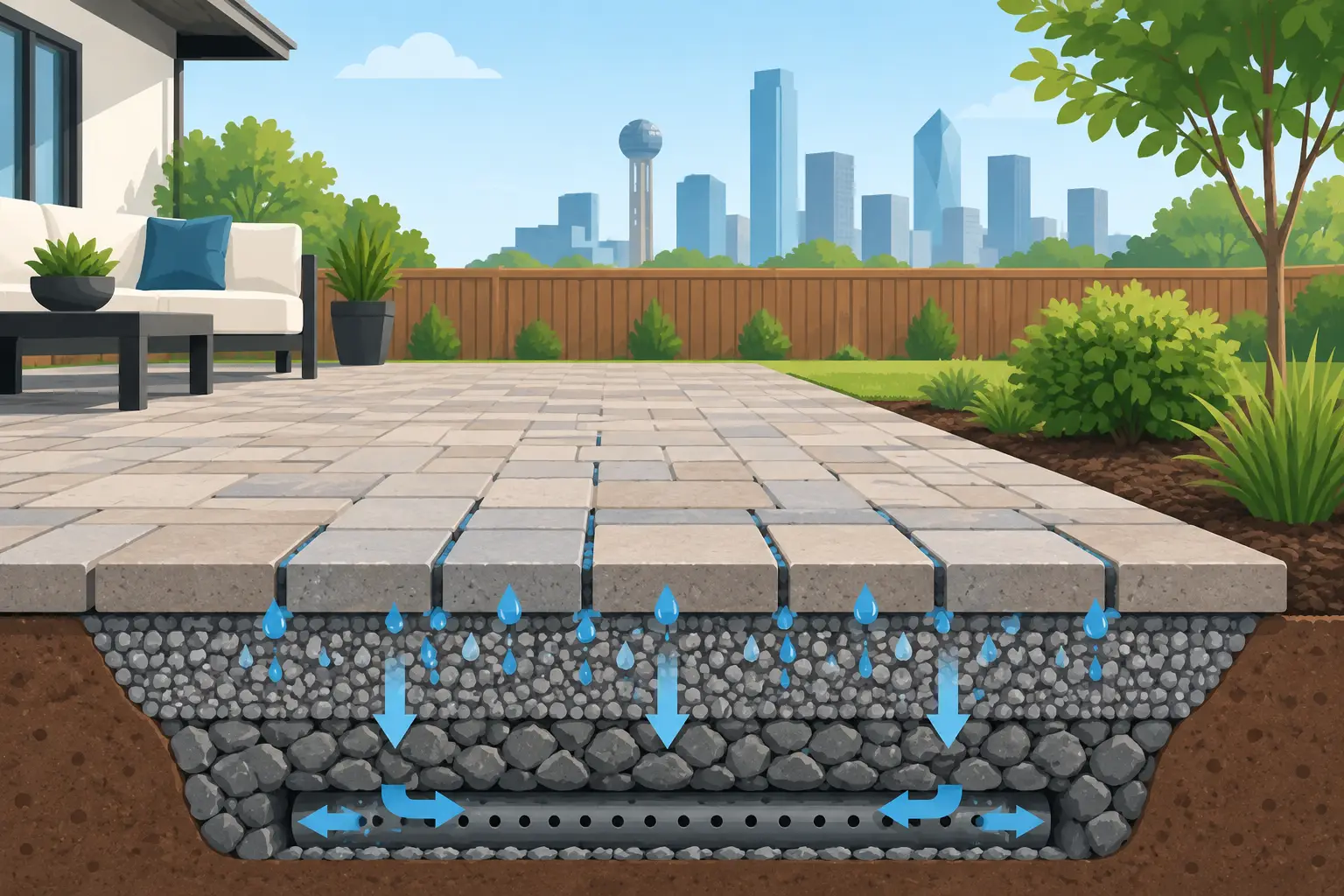
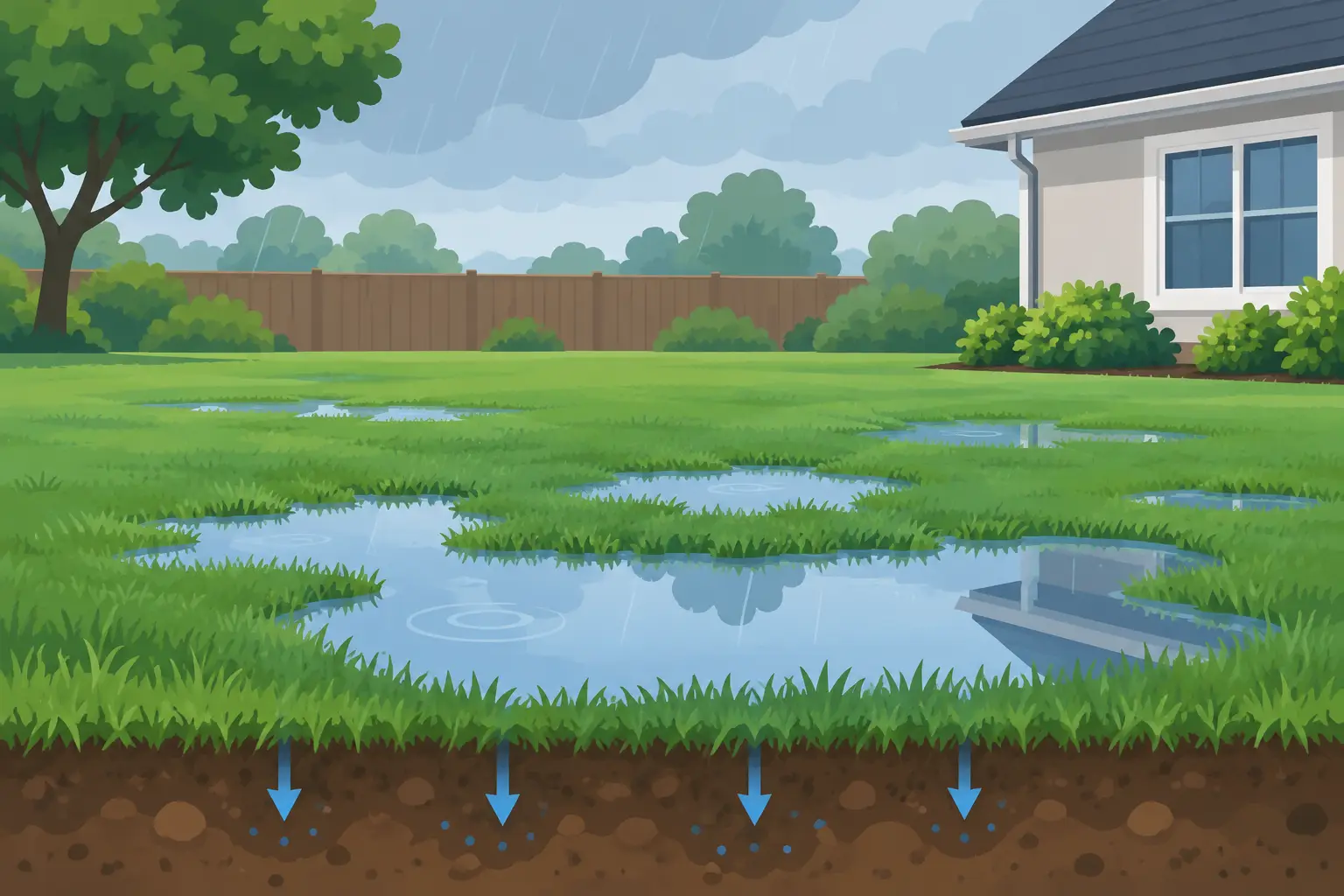
Before choosing by color alone, consider how much direct sun the lawn receives, how often kids or pets use it, and whether you are prepared to water and mow consistently. Drainage matters, too. If water stands after a storm, installing new sod without fixing the grade or drainage issue can produce disappointing results no matter which variety you choose.
Sod Varieties Review: The Best Options for Local Yards
Bermuda: Best for Sun, Traffic, and Active Lawns
Bermuda is one of the strongest choices for Dallas-Fort Worth properties with full sun. It grows quickly, handles foot traffic well, and recovers faster than most grasses after kids, dogs, or backyard gatherings wear down an area. Its fine texture and dense growth also create the clean, manicured look many homeowners want for a front lawn.
The trade-off is shade. Bermuda needs plenty of direct sunlight, typically six hours or more, to stay thick. It can thin significantly beneath trees or along the shaded side of a home. It also grows aggressively during warm weather, so regular mowing is part of owning a Bermuda lawn. For open yards, though, its toughness and drought tolerance make it a dependable value.
St. Augustine: Best for Yards With Partial Shade
St. Augustine is known for its broad blades, rich green color, and better shade tolerance than Bermuda. It is a common choice for established neighborhoods where large trees block part of the afternoon sun. If your lawn gets morning light but remains shaded later in the day, St. Augustine may hold its coverage better than a sun-loving variety.
It is not the best match for high-traffic areas. St. Augustine can be damaged by repeated play, pets pacing the same path, or frequent foot traffic near gates and patios. It also needs more consistent moisture than Bermuda, especially during a hot Texas summer. Homeowners who choose it should expect to follow a steady watering and fertilization plan.
Zoysia: Best for a Dense, Upscale Look
Zoysia offers a dense, soft lawn with a refined appearance. It tolerates more shade than Bermuda and generally handles traffic better than St. Augustine, which makes it an appealing middle ground for many residential yards. Its thick growth can help crowd out weeds once the lawn is established and properly maintained.
The main consideration is cost and establishment. Zoysia sod often costs more than common Bermuda, and its slower growth means it may take longer to recover from damage. It still needs sunlight, so it is not a solution for deep shade. For homeowners who want a polished lawn and are willing to invest in professional installation and routine care, Zoysia can be an excellent choice.
Buffalo Grass: Best for Low-Water, Natural-Looking Areas
Buffalo grass is a warm-season native option valued for its low water needs once established. It has a softer, lighter green appearance than Bermuda or St. Augustine and can work well in open, lower-use areas where a more natural lawn style fits the property.
This is not usually the first choice for a heavily used backyard or a formal front lawn. Buffalo grass does not handle frequent traffic as well as Bermuda, and it needs full sun to perform well. Still, for homeowners focused on reducing irrigation and mowing, it can be worth discussing for the right section of the landscape.
How These Sod Types Compare in Real Life
For a sunny family yard, Bermuda is usually the practical leader. It stands up to activity, repairs itself quickly, and gives strong results when mowed and watered correctly. For a front yard with afternoon shade from trees, St. Augustine or Zoysia may produce more reliable coverage.
Zoysia is often the choice for homeowners who want an upgraded lawn texture without giving up all durability. It is more forgiving than Bermuda in partial shade, but it will not perform like a shade plant under dense tree cover. Buffalo grass serves a narrower purpose: sunny, lower-traffic spaces where lower water use matters more than a perfect golf-course finish.
No sod can overcome conditions that work against it. A lawn receiving only two or three hours of filtered sun is likely to struggle with natural turf regardless of the variety. In those areas, selective tree trimming, a redesigned planting bed, decorative stone, or artificial turf may be a better long-term answer.
Installation Quality Has a Major Impact on Results
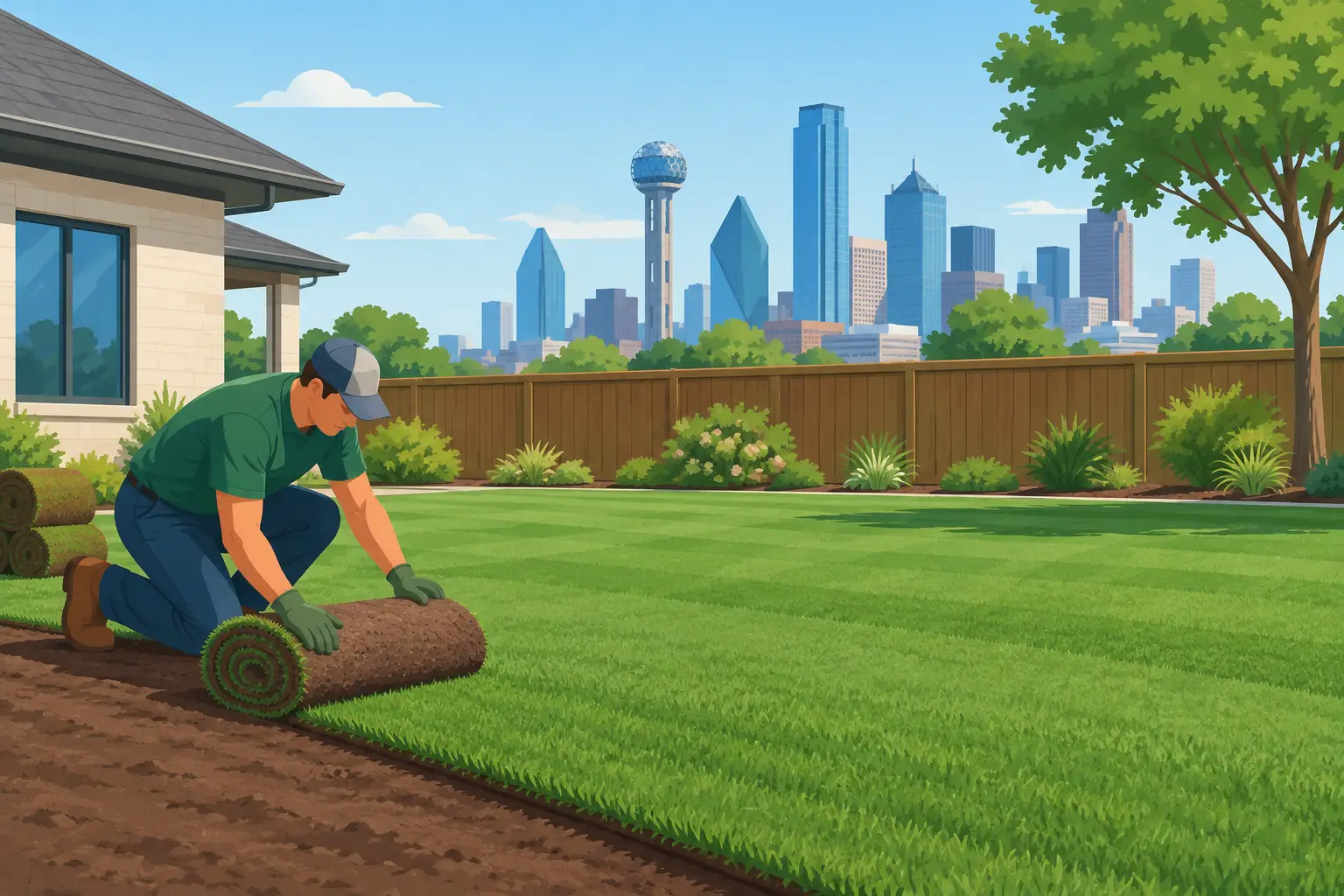
Even premium sod can fail when it is laid over poor soil, uneven grades, or an old lawn that was not properly removed. A successful installation starts with site preparation. That means clearing existing grass and weeds, addressing drainage concerns, leveling low spots, and preparing a clean surface for strong root contact.
Fresh sod should be installed tightly with staggered seams, then watered correctly from the first day. New sod needs consistent moisture while roots establish, but overwatering can create soft ground, disease pressure, and weak root growth. The schedule should adjust based on the season, weather, soil type, and grass variety.
Mowing also matters more than many homeowners realize. Cutting too much at once stresses new turf. Once the lawn is rooted, use a sharp mower blade and keep the grass at the proper height for its variety. A clean, professional installation gives the sod the best possible start, but proper care protects that investment.
When Artificial Turf Makes More Sense Than Sod
Natural sod remains the right choice for many Dallas-area properties, especially when homeowners enjoy a living lawn and have the sunlight needed to support it. But artificial grass is worth considering in areas where natural sod repeatedly fails, such as narrow side yards, heavily shaded spaces, pet runs, pool surrounds, and high-use backyard play areas.
Quality synthetic turf eliminates mowing, reduces water use, and stays green through heat and drought. It also requires proper base preparation and drainage to perform well. The goal is not to replace every lawn with turf. It is to choose the surface that fits how each part of your property is actually used.
A professional site evaluation can save you from installing a grass variety that looks great for one season but does not match your yard. Sod Green can assess sun exposure, drainage, traffic, and your maintenance goals before recommending a lawn solution built to last.


Leave A Comment