 Skip to content

A Dallas yard can look great in the spring and worn out by late summer. Heat, water restrictions, muddy paws, pool traffic, and busy family schedules are hard on natural grass. Professional turf installation gives homeowners a cleaner, greener surface that stays ready for everyday use without the weekly mowing, watering, and patch repair.
Artificial grass is not the right answer for every property, but it is a strong option when you want a polished yard with less upkeep. The difference between a turf lawn that looks natural for years and one that starts to ripple, hold water, or fade early comes down to the installation beneath the blades.
Turf Installation Starts Below the Surface
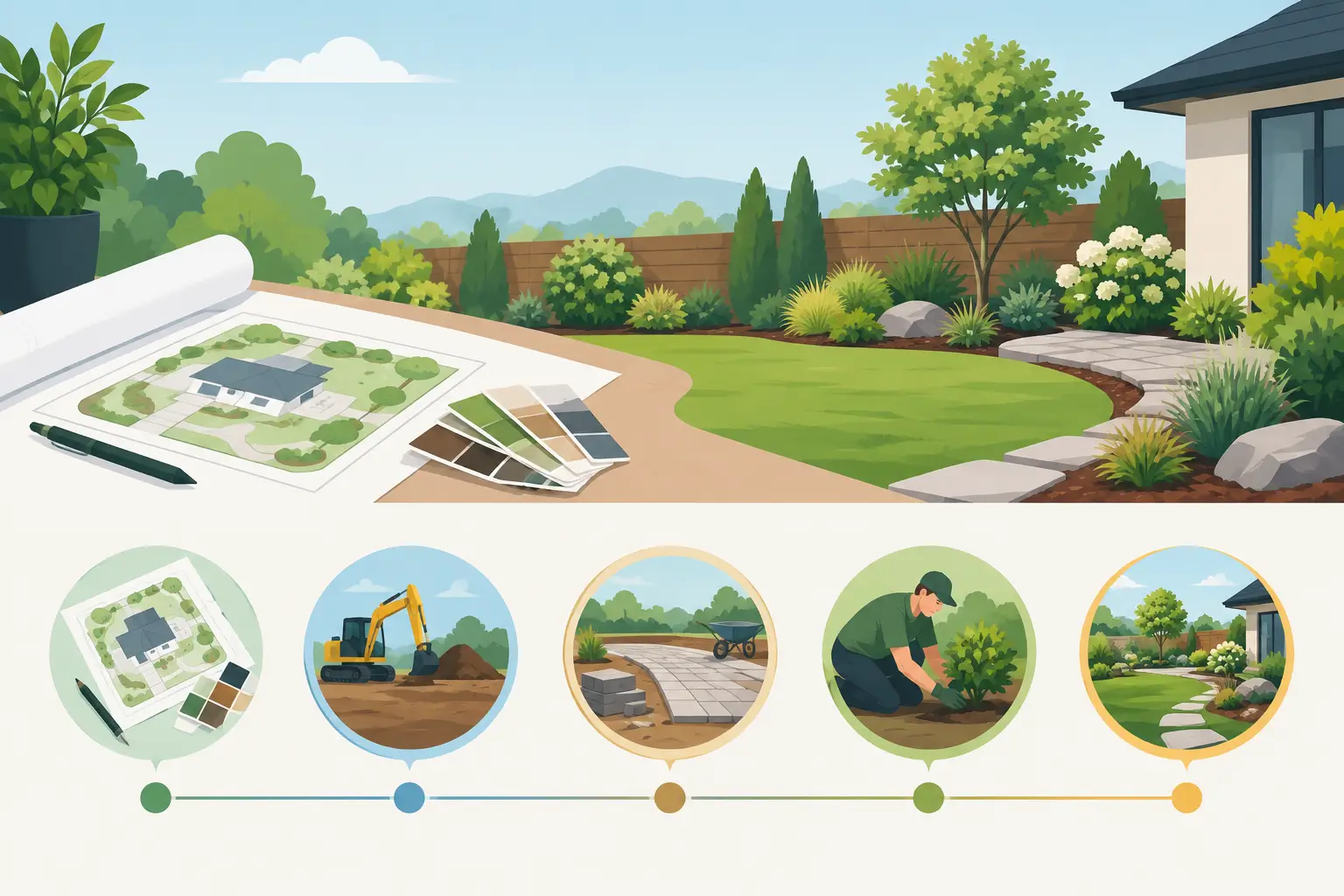
The visible turf matters, but the base is where the job is won or lost. A quality installation begins by removing existing grass, weeds, loose soil, and debris. The area is then graded to create a stable surface and direct water away from the home, patio, pool deck, or other structures.
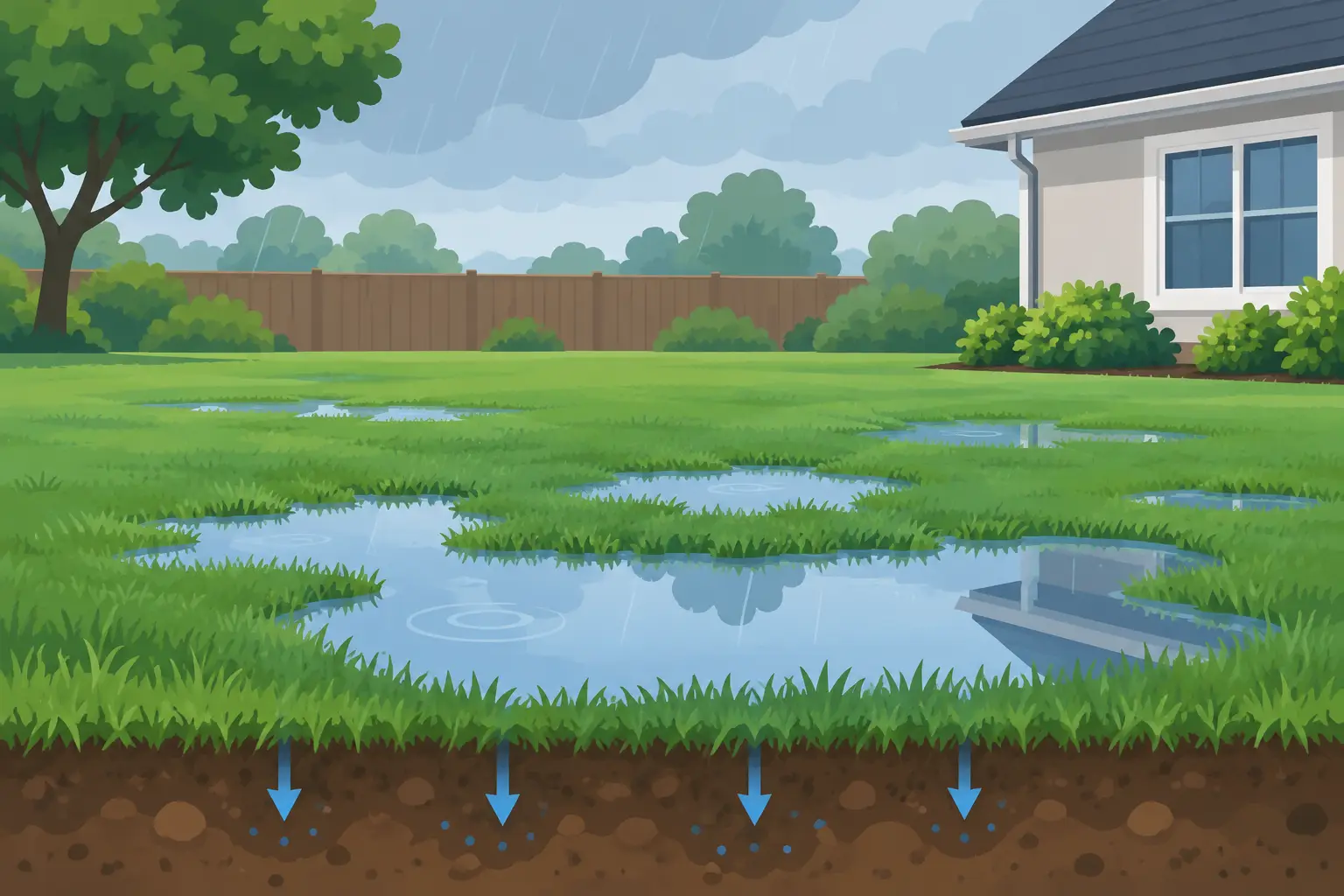
In North Texas, drainage deserves real attention. Heavy rain can expose low spots fast, while clay soil can hold water longer than homeowners expect. If water already gathers near a fence line, under a downspout, or along the foundation, installing turf over the problem will not fix it. The drainage plan should be addressed before the new surface goes in.
After grading, installers build and compact a proper aggregate base. This creates a firm, level foundation that supports the turf, helps water move through the system, and reduces shifting over time. Edge restraints keep the perimeter secure, especially around curved beds, walkways, and high-traffic areas. The turf is then carefully cut, seamed, secured, and finished with the infill that fits the product and how the yard will be used.
A fast project does not mean rushed work. With the right crew, equipment, and preparation, a residential lawn transformation can move quickly while still getting the details right.
Choosing the Right Turf for Your Yard
Not every artificial grass product belongs in every space. A front yard needs curb appeal and a natural appearance from the street. A backyard for children and dogs needs durability, drainage, and a comfortable feel underfoot. A putting green needs a completely different surface, base, and contour plan.
Pile height, blade shape, color blend, face weight, and backing construction all affect how turf looks and performs. Taller turf can create a lush residential appearance, but extremely tall blades may show more matting in busy areas. Shorter, denser products often handle traffic well and can be a practical choice for pet zones, side yards, or outdoor play spaces.
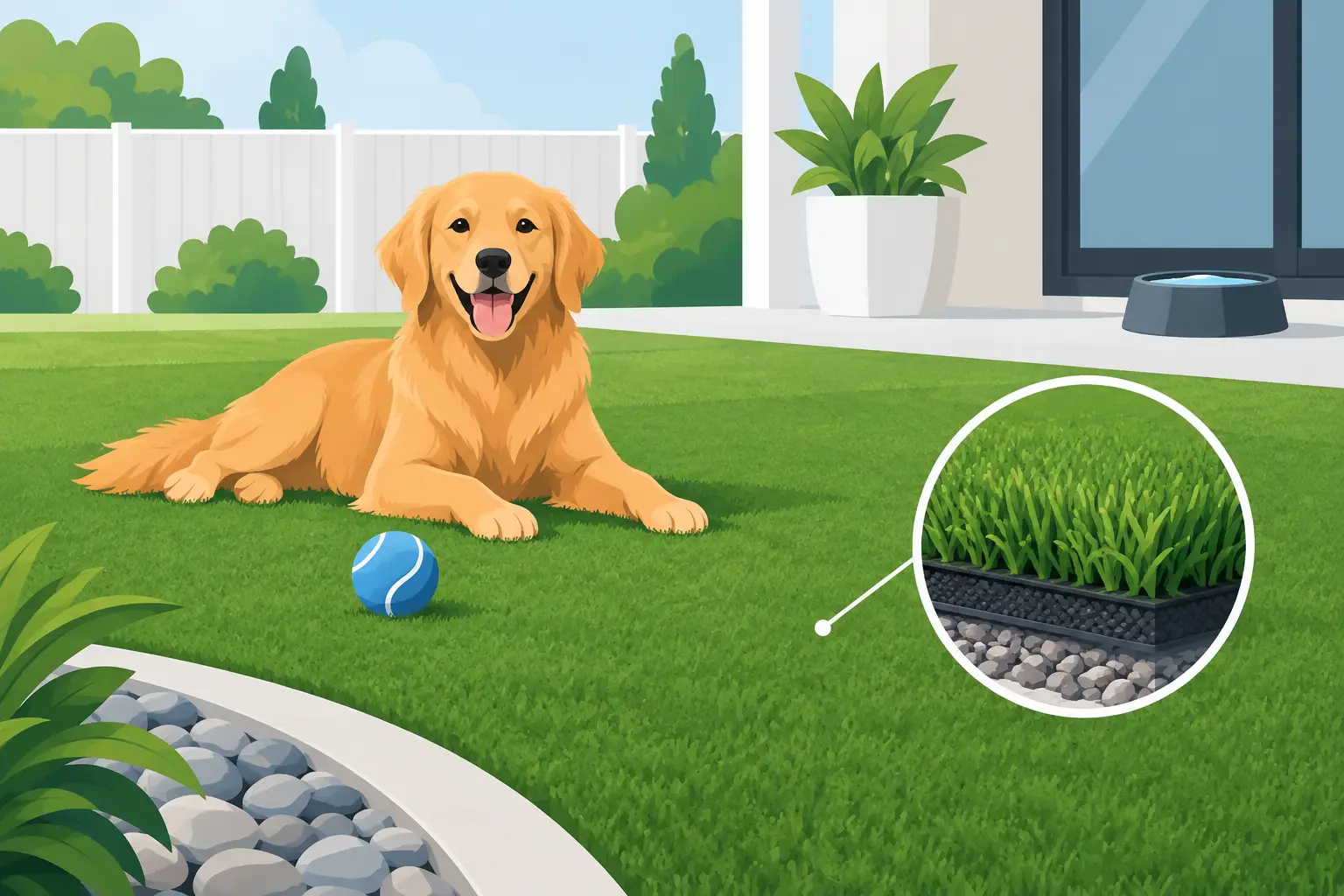
For homeowners with dogs, drainage and odor control should be part of the conversation from the start. Pet-friendly turf systems typically use permeable backing, a properly prepared base, and infill selected for the application. Waste still needs to be picked up, and the area should be rinsed as needed, especially during dry Dallas summers. Artificial grass reduces mud and dead patches, but it is not a no-cleaning surface.
If your goal is a backyard putting green, avoid treating it like a regular turf lawn. Putting greens require a specialized turf product and precise base preparation to create a consistent roll. Contours, fringe turf, cup placement, and chipping areas can turn a simple practice space into a feature your family and guests will actually use.
What a Professional Turf Installation Should Include
A dependable contractor does more than roll out turf and staple the edges. Before work starts, you should know what will be removed, how the base will be prepared, where water will drain, and how the turf will be secured.
A thorough proposal should also account for access to the yard, demolition needs, existing irrigation components, tree roots, utilities, and transitions to concrete, pavers, gravel, or landscape beds. These are the details that affect both the final appearance and the cost of the project.
Expect a professional crew to protect surrounding areas as much as possible, keep the job site organized, and remove construction debris when the work is complete. Clean edges matter. So do tight seams, smooth transitions, and a surface that does not feel soft or uneven when you walk across it.
At Sod Green, turf projects are approached as complete outdoor upgrades, not quick cover-ups. That means looking at the lawn, drainage, hardscape, and how the family intends to use the space before recommending a system.
Artificial Turf vs. Sod: The Practical Decision
Many Dallas homeowners compare artificial turf with fresh sod because both create an immediate visual change. The better choice depends on how you use the property and how much maintenance you want to take on.
Natural sod provides the look and feel of real grass, stays cooler in direct sun, and can be a great choice for larger lawns where homeowners are willing to water, mow, fertilize, and manage seasonal care. It also makes sense when a property has good sunlight, workable soil, and a reliable irrigation plan.
Artificial turf costs more upfront in many cases, but it can reduce ongoing water use and eliminate mowing, fertilizing, and most lawn treatments. It is especially useful in small backyards, shaded areas where grass struggles, dog runs, poolside spaces, narrow side yards, and high-traffic areas that repeatedly turn into dirt or mud.
There are trade-offs. Turf can become warm under full summer sun, particularly on exposed south- and west-facing areas. Shade, hose rinsing, and the right product selection can help, but homeowners should have realistic expectations. A mixed design is often the best answer: turf where maintenance is difficult and natural sod or landscape beds where living plants add value.
Avoid the Shortcuts That Cause Expensive Problems
The lowest estimate is not always the lowest-cost project. Thin turf, inadequate base material, poor compaction, weak seams, and ignored drainage issues can lead to repairs that cost more than doing the work correctly from the start.
Be cautious if a proposal does not explain the base, edge restraint, drainage approach, or disposal of old material. Ask what product is being installed, how seams will be handled, whether the turf is designed for pets or heavy traffic, and what the finished surface will look like around concrete and landscape borders.
Homeowners should also be careful about laying turf directly over existing grass, loose dirt, or uneven surfaces. It may look acceptable on day one, but organic material breaks down, weeds can return, and the surface can settle. Proper excavation and preparation are not glamorous parts of the job, but they protect the investment.
Planning a Yard That Works Beyond the Lawn
Turf often looks best when it is part of a larger backyard plan. Stone paths can keep traffic off the lawn. A flagstone patio can create a clean transition from the house to the yard. Retaining walls can solve grade changes, while decorative gravel and planting beds soften the edges of a low-maintenance landscape.
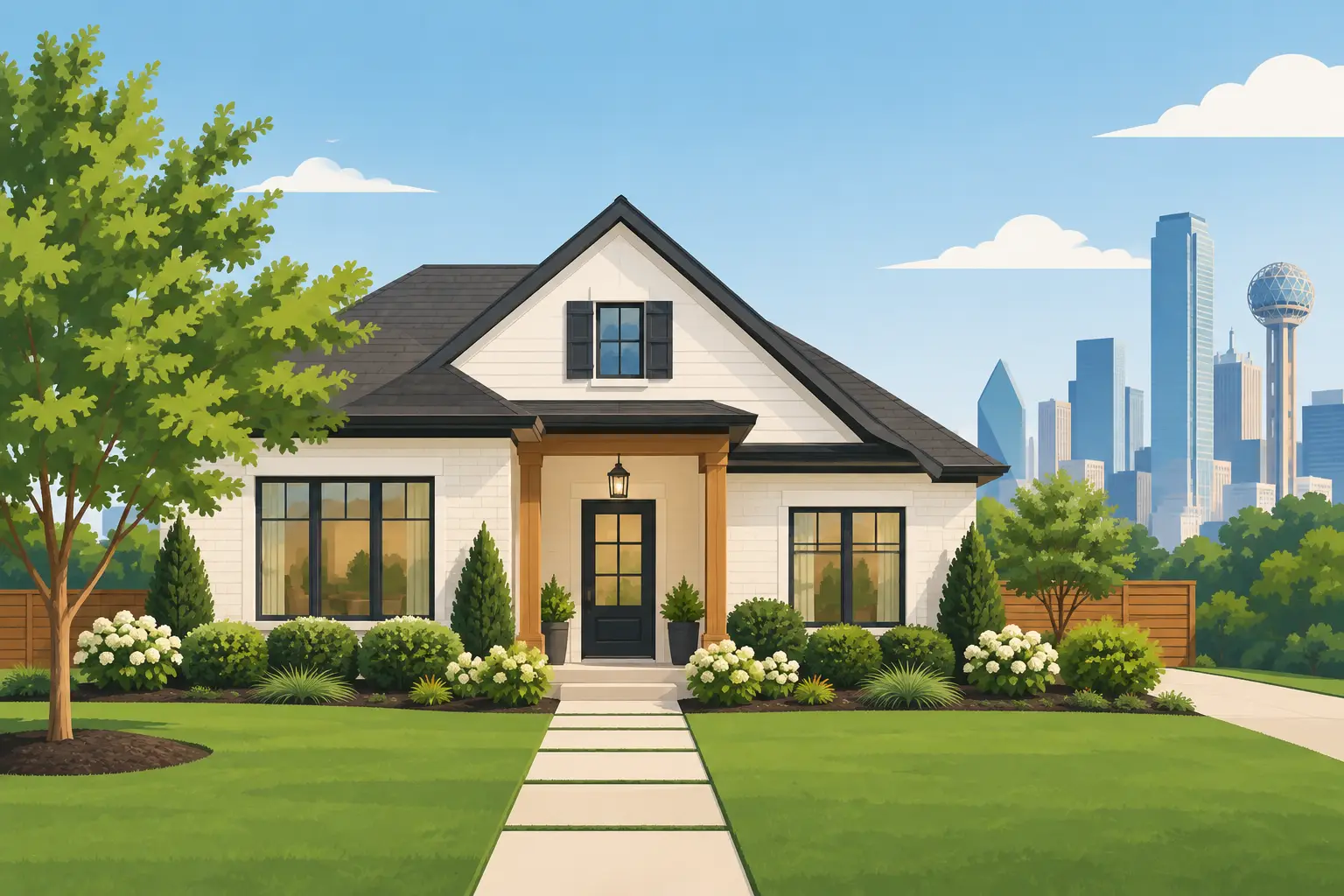
For pool owners, turf can replace muddy grass around the deck and create a more finished space for lounge chairs and outdoor games. For families, it can provide a dependable play area without tracking dirt inside after a storm. For homeowners preparing to sell, a clean and consistent front yard can improve the first impression before buyers ever step through the door.
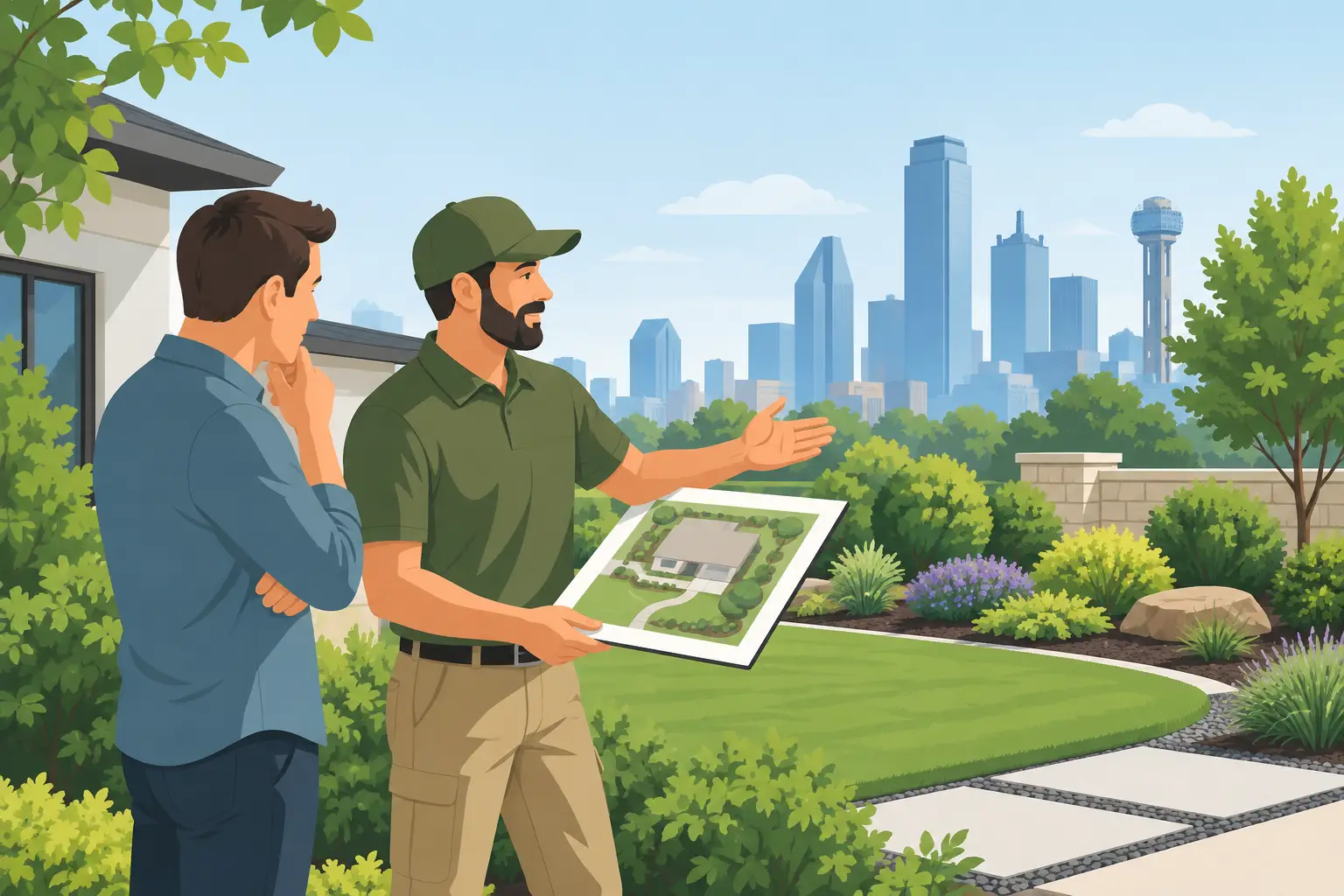
The best turf installation is the one that fits your property, drainage needs, budget, and daily routine. Walk the yard with a specialist, point out the trouble spots, and build the project around how you want to use the space. A well-prepared lawn can give you more time enjoying your backyard and far less time trying to rescue it.


Leave A Comment