 Skip to content
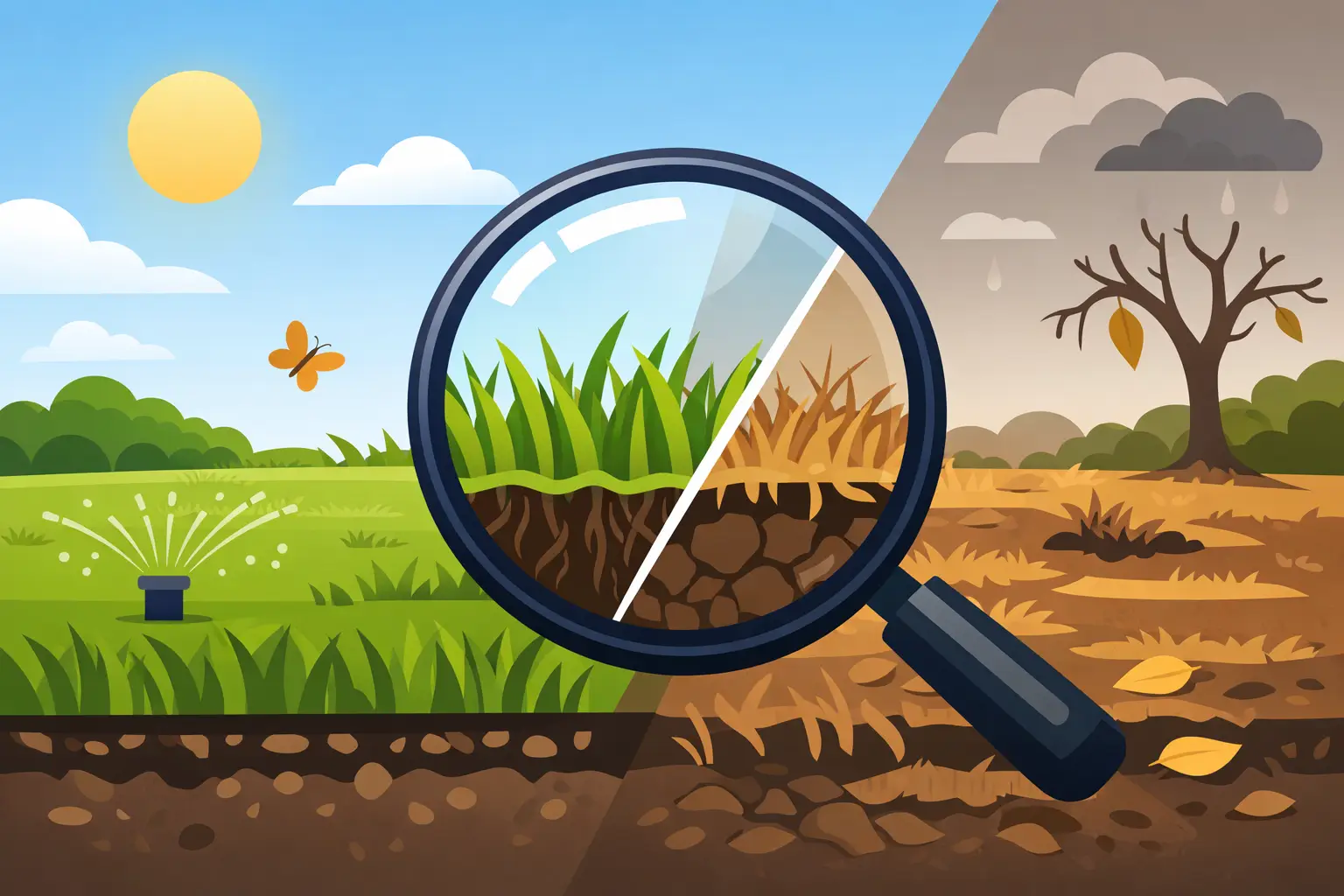
A family lawn gets tested differently than a showpiece lawn. It has soccer balls, sprinkler runs, dogs racing the fence line, pool traffic, muddy shoes, and weekends when nobody has time to mow. The best grass for busy families is not simply the greenest option on install day. It is the surface that keeps looking good after real life happens.
For Dallas-Fort Worth homeowners, heat, clay soil, long dry spells, and high foot traffic make the decision even more important. Natural sod can create a beautiful, comfortable yard, but the right variety matters. Artificial turf can reduce weekly upkeep dramatically, but it needs a professional system underneath it to drain and perform correctly. The right answer depends on how your family uses the space.
What Busy Families Need From a Lawn
A practical family lawn should be durable, safe, and easy to maintain. It should recover from activity, hold up through a Texas summer, and give kids and pets a clean place to play. It also needs to fit the amount of time you are willing to spend watering, mowing, fertilizing, and repairing bare spots.
Start by looking at your yard honestly. A front lawn may need curb appeal more than it needs all-day play durability. A backyard with young children or large dogs needs a tougher surface. Areas under mature trees may not receive enough sun for some warm-season grasses, while a poolside lawn may benefit from a cleaner, lower-maintenance option.
Drainage belongs in this conversation, too. Water that sits after a storm can damage sod, create mud, and turn a favorite play area into a problem. Before choosing grass, make sure the grade, soil, and drainage plan support it.
Best Natural Grass for Busy Families
For most North Texas yards, Bermudagrass is the strongest natural-sod choice for active households. It loves full sun, handles heat well, and recovers quickly from foot traffic. That makes it a dependable option for backyards where kids play hard and dogs have a regular running path.
Bermuda does require routine mowing and watering, especially during hot, dry weather. It also does not perform well in shade. If your backyard is open and sunny, that trade-off is usually worthwhile. With proper installation and care, Bermuda delivers the dense, durable lawn many families want.
Bermuda Sod for Sunny, Active Yards
Bermuda is built for movement. It establishes quickly, spreads to repair minor damage, and provides a soft but resilient surface for play. Homeowners who want a traditional Texas lawn and do not mind a regular mowing schedule often get excellent long-term results with Bermuda sod.
The key is sunlight. Bermuda needs several hours of direct sun each day. In a shaded yard, it can thin out, allowing weeds and bare patches to take over. It is also an aggressive grower, so it may need edging along flower beds, walkways, and hardscape borders.
Zoysia Sod for a Polished Look
Zoysia is another strong choice for families who want a dense, refined lawn with somewhat lower mowing needs than Bermuda. It has a thick, cushion-like feel underfoot and generally tolerates light to moderate shade better than Bermuda. Its tight growth pattern can also help limit weeds once it is established.
The trade-off is recovery speed. Zoysia is durable, but it does not bounce back from heavy wear as quickly as Bermuda. If one spot receives constant traffic from a trampoline, gate, or dog run, it may eventually show wear. Zoysia works best for families who use the yard regularly but do not concentrate all activity in one small area.
St. Augustine for Shadier Areas
St. Augustine can be a good fit for yards with more shade, especially where the priority is a broad-leaf, lush appearance. It is not the first choice for a heavily used play lawn, but it can solve a common problem: getting natural grass to grow where Bermuda struggles.
It needs consistent watering and a careful maintenance plan in North Texas. St. Augustine can be less forgiving during drought conditions and may not handle heavy traffic as well as Bermuda. In many properties, it makes more sense as part of a mixed landscape plan rather than the main surface for an active backyard.
Is Artificial Turf the Best Grass for Busy Families?
For families who want a consistently green yard without weekly mowing, artificial turf is often the best grass for busy families. Quality synthetic turf does not need watering, fertilizing, mowing, or reseeding. It stays ready for play after a hectic workweek, and it eliminates many of the mud and bare-spot issues that come with natural grass.
This is especially valuable in high-use backyards, around pools, on side yards, and in spaces where dogs have worn out natural grass. Turf can also be a practical answer for shaded areas where sod repeatedly fails. A properly installed system includes base preparation, grading, drainage, weed control, and secure finishing details. Those steps matter as much as the turf product itself.
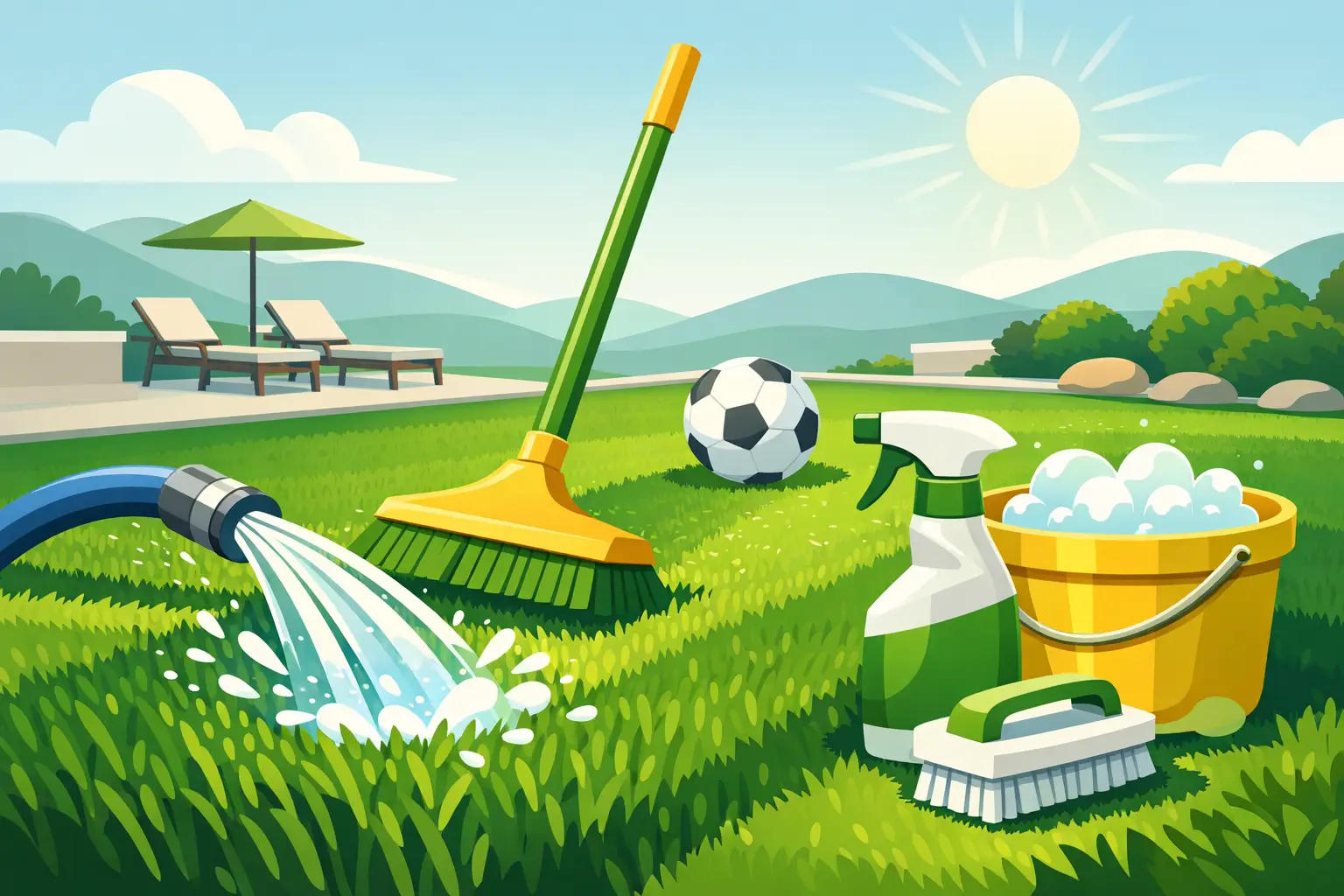
Artificial grass is not maintenance-free. It should be rinsed when needed, especially in pet areas, and brushed occasionally to keep fibers standing well. Leaves and debris still need to be removed. But compared with the ongoing work of a natural lawn, the maintenance load is much lower.
There is also an upfront cost difference. Artificial turf generally costs more to install than sod, but it can reduce ongoing water use and lawn-care expenses over time. Homeowners planning to stay in their home for several years often see the value in a durable surface that looks finished every day.
Choosing Between Sod and Turf
The best choice comes down to how you want to spend your time and how hard your yard works. Natural sod gives you the authentic feel of living grass, cooler surface temperatures, and a lower initial investment. It is a great option when you have adequate sunlight and are comfortable with seasonal care.
Artificial turf gives you a cleaner, more predictable surface with less routine work. It is especially useful for families with dogs, kids, pools, or demanding schedules. In many Dallas-Fort Worth homes, the strongest solution is not one or the other across the entire property. Bermuda sod may be ideal in the front yard, while artificial turf creates a reliable play zone in the backyard.
A family that entertains often may also benefit from pairing turf or sod with stone walkways, patios, or defined seating areas. Hardscape reduces wear in the paths people naturally use and gives the yard a more intentional layout. It also keeps guests from cutting across the lawn and creating the same worn track every weekend.
Installation Makes the Difference
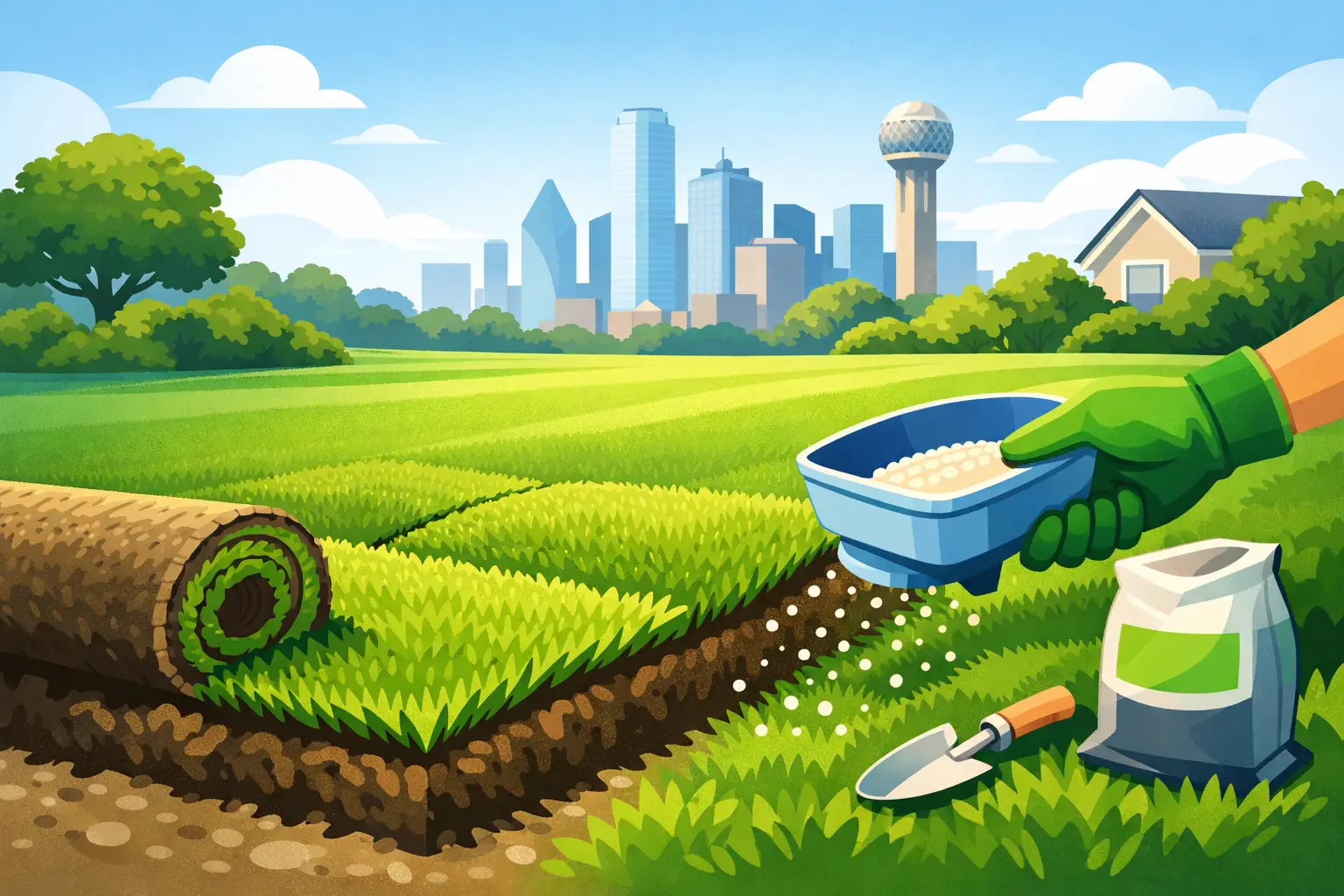
Even the right grass will disappoint if the preparation is poor. New sod needs proper soil preparation, grading, and a watering plan from day one. Turf needs a stable base and drainage system so rainwater moves through the surface instead of collecting beneath it.
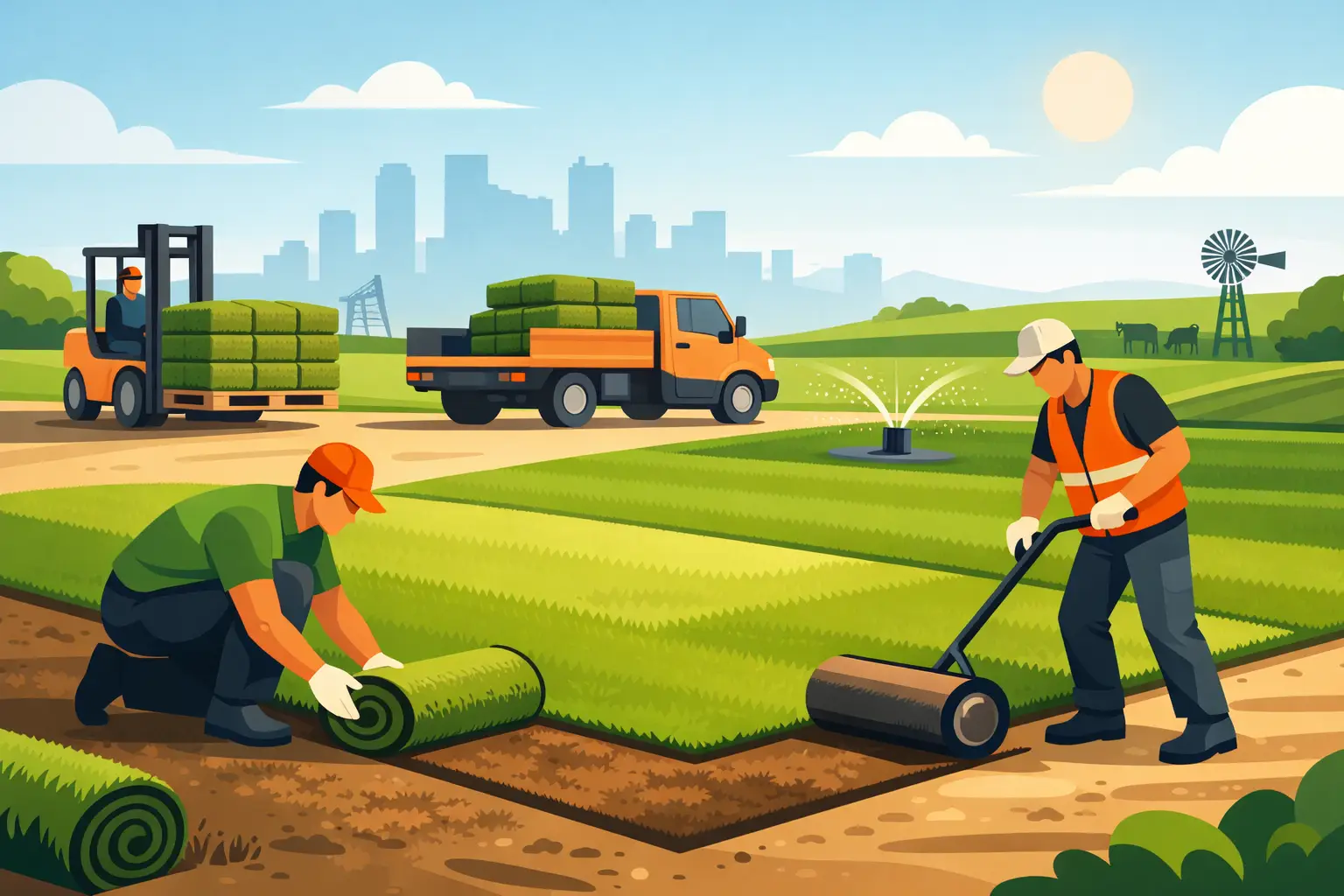
A professional installer should assess sun exposure, drainage, soil conditions, traffic patterns, and the way your family uses the yard before recommending a solution. That is how you avoid installing a shade-sensitive grass beneath trees or putting turf over a drainage problem that should have been corrected first.
Sod Green helps North Texas homeowners build lawns that fit real family routines, from durable sod installation to custom artificial turf and drainage solutions. The goal is not to sell the same surface for every property. It is to install a yard that looks sharp, performs well, and does not add another chore to your weekend.
If your lawn has become a cycle of mud, thinning grass, and constant maintenance, choose the surface based on the life happening on it. A well-planned yard should make it easier to send the kids outside, welcome friends over, and enjoy your home without worrying about what the lawn will look like afterward.



Leave A Comment