 Skip to content
A commercial lawn has to do more than look good on opening day. It needs to hold up to foot traffic, Texas heat, irrigation limits, and the day-to-day demands of tenants, customers, employees, or residents. This commercial sod installation guide covers the work that makes the difference between a lawn that establishes quickly and one that turns patchy, uneven, or expensive to repair.
Start With the Site, Not the Sod
Commercial sod installation is often planned around a deadline: a property opening, tenant turnover, inspection, event, or renovation closeout. Fast results are one of sod’s biggest advantages, but laying grass over an unprepared site only creates problems faster.
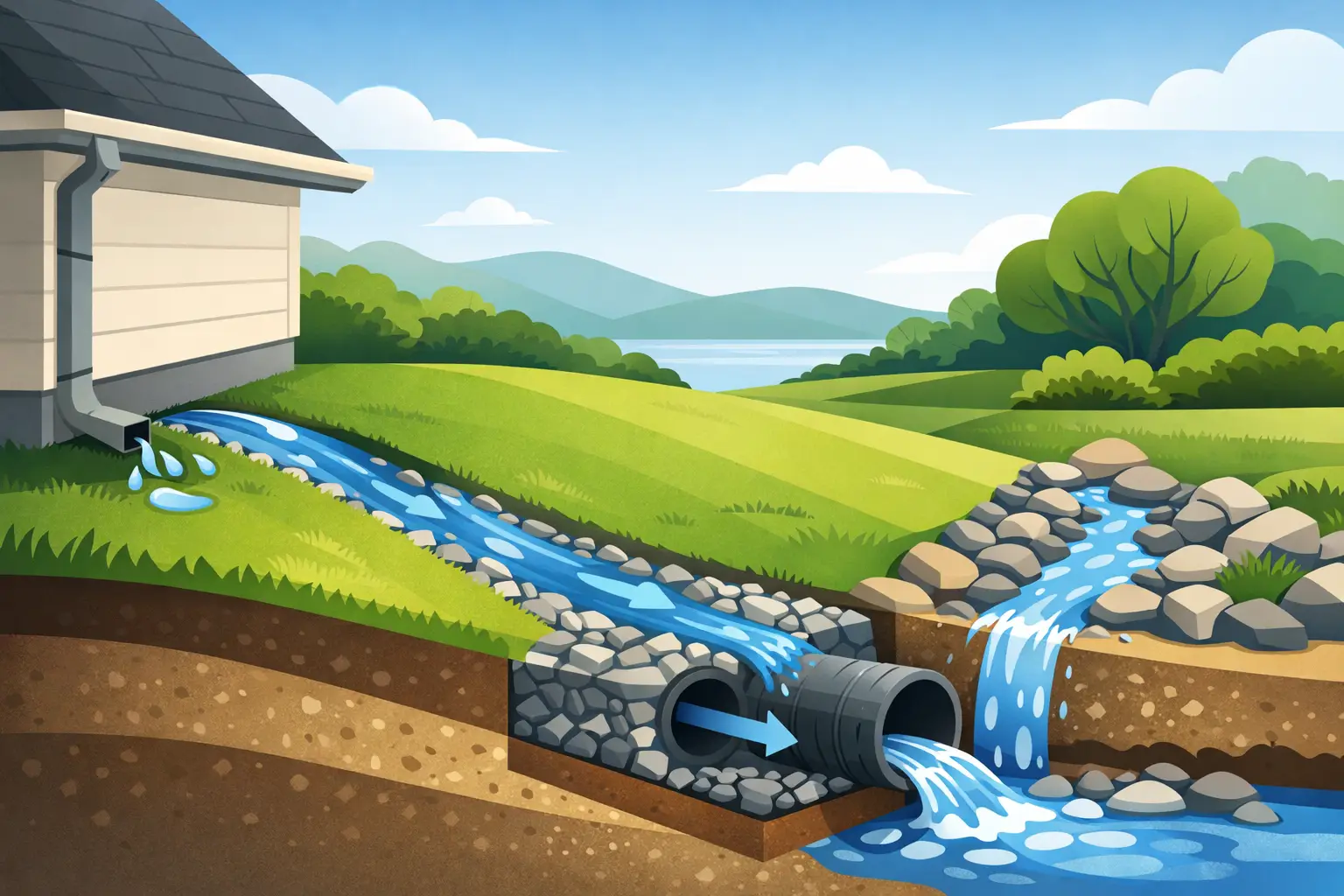
Walk the property before ordering materials. Look for low spots, areas where downspouts discharge, compacted soil near parking lots, shaded entrances, and slopes that can wash out during a heavy rain. Drainage is especially critical in North Texas, where a dry stretch can quickly turn into a hard storm. Water that stands on top of new sod can weaken roots, create disease pressure, and leave muddy bare spots.
The site should also be accessible for crews, pallets of sod, soil deliveries, and irrigation repairs. On a larger commercial property, logistics matter. Having materials staged in the right place keeps the project moving and reduces disruption around active buildings, sidewalks, and parking areas.
Choose Grass for the Property’s Real Conditions
The right sod is not simply the greenest option available. It depends on sun exposure, traffic, irrigation coverage, maintenance expectations, and the look the property owner wants to maintain.
Bermuda sod is a strong choice for open, sunny commercial areas because it handles heat and wear well. It establishes aggressively and recovers from traffic, making it a practical option around office parks, athletic areas, apartment common spaces, and retail properties with full sun.
St. Augustine generally delivers a fuller, broader-bladed appearance and performs better in areas with moderate shade. It can be a good fit for entryways, courtyards, and properties with mature trees, provided irrigation and drainage are properly managed. Zoysia offers a more refined look and good density, but it may cost more and can establish more slowly than Bermuda.
A professional installer should be straightforward about the trade-offs. No natural grass variety stays perfect without water, mowing, and seasonal care. If a location has deep shade, repeated pet use, heavy foot traffic, or poor drainage, artificial turf, hardscape, or a redesigned planting plan may be the more durable long-term solution.
Commercial Sod Installation Guide: Prepare the Soil Correctly
Soil preparation is where dependable installations are won or lost. A clean, level surface helps sod make direct contact with soil, root faster, and drain as intended.
First, remove existing grass, weeds, construction debris, rocks, and old landscape material. This is not a cosmetic step. Leftover roots, buried concrete, plastic, and uneven fill can prevent sod from sitting flat and cause visible failures after the project is complete.
Next, rough-grade the area to direct water away from foundations, walkways, and building entrances. The final grade should be smooth enough for mowing equipment while still allowing water to move naturally. Low spots should be corrected before sod arrives, not after the lawn has already rooted.
Compacted clay soil is common throughout Dallas-Fort Worth. Depending on the condition of the site, the crew may need to loosen the top layer, add quality topsoil, or incorporate soil amendments. The goal is not to create a deep bed of loose material that settles later. It is to build a stable, workable root zone that holds moisture without trapping water.
Irrigation should be inspected before installation. Repair broken heads, adjust spray patterns, and make sure coverage reaches edges, corners, and slopes. A commercial lawn can fail even when the irrigation system runs daily if half the zone receives too little water and another area gets soaked. This is the right time to address drainage corrections, sprinkler changes, and hardscape transitions as part of one coordinated project.
Install Fresh Sod Without Gaps or Dry Edges
Sod is a living product. Once it is cut, time matters. Schedule delivery as close to installation as possible, especially during hot Texas weather, and install the rolls the same day whenever conditions allow.
Crews should start along a straight edge such as a sidewalk, curb, or building line. Lay each row tightly against the next, staggering seams like brickwork. Avoid stretching rolls to make them fit. Gaps dry out quickly, invite weeds, and leave an unfinished appearance as the sod settles.
Trim edges cleanly around trees, beds, signs, drains, and hardscape. Then roll the newly laid lawn to press roots firmly against the prepared soil. This simple step removes air pockets and improves the sod’s ability to take in water.
Water should begin immediately after installation, not at the end of a long weekend. The sod and the soil beneath it both need moisture. A light spray that only dampens the grass blades will not establish roots. The objective during the first stage is consistent moisture through the sod and into the upper layer of native soil.
Manage Water and Traffic During Establishment
The first two to four weeks determine whether the lawn becomes a durable landscape feature or a recurring maintenance issue. Exact watering needs depend on the grass type, weather, soil, and irrigation system, but new sod needs close attention from the start.
For the first several days, water often enough to keep the sod moist without allowing water to pool. As roots begin to knit into the soil, watering can gradually shift to longer, less frequent cycles. This encourages roots to grow deeper instead of staying near the surface.
Do not treat a newly sodded commercial lawn like an established one. Limit foot traffic, keep equipment off the area, and avoid placing temporary signage or heavy materials on the grass. On multifamily and retail properties, it helps to notify tenants and staff that the area is under establishment. A few weeks of protection can prevent months of repairs.
Mow only after the sod has rooted enough that it does not lift when gently tugged. Use a sharp mower blade, follow the recommended height for the selected grass, and never remove too much leaf blade in one pass. Fertilizer should follow the needs of the grass and the project schedule, rather than being applied heavily just to force quick color.
Plan Around Texas Weather and Project Deadlines
Spring and early fall are often favorable periods for sod installation, but commercial projects can be completed throughout much of the year with proper planning. Summer installations require fast placement and disciplined watering. Winter installs may establish more slowly, particularly with warm-season grasses, but they can still be successful when soil conditions, weather, and aftercare are managed correctly.
The bigger question is whether the property can support establishment. If irrigation is not operational, drainage work is unfinished, or construction crews will continue crossing the lawn, it may be wiser to sequence the project differently. Saving a few days on the schedule is rarely worth replacing stressed sod later.
For Dallas-Fort Worth commercial properties, Sod Green approaches sod as part of the full site system. Grading, drainage, irrigation conditions, turf selection, and clean installation all need to work together for the finished lawn to last.
A new sod lawn should make a property look ready, not create another item on the maintenance list. Give the ground the preparation it needs, protect the sod while it roots, and the result will be a cleaner, stronger landscape that makes the right first impression every day.




Leave A Comment