 Skip to content
A Dallas yard can look great in March and worn down by August. Between high heat, water demands, clay soil, foot traffic, pets, and busy schedules, homeowners are looking for outdoor upgrades that stay attractive without taking over every weekend. That is why low maintenance landscape trends are moving away from thirsty, high-input lawns and toward durable surfaces, smarter planting, and spaces built for real use.
The goal is not to eliminate every living plant or cover an entire property in hardscape. It is to put the right material in the right place, reduce the chores that never seem to end, and create a yard that looks finished in every season.
Low Maintenance Landscape Trends Built for Texas
The strongest landscape trend is practical, not flashy: designing a yard around how your family actually uses it. A front yard needs curb appeal. A backyard may need room for kids, dogs, grilling, pool traffic, or a place to practice putting. Those areas do not all need the same surface.
Dallas homeowners are increasingly choosing a combination of artificial turf, natural sod where it makes sense, stonework, defined planting beds, and drainage improvements. This layered approach gives a property more visual interest than one large stretch of grass while cutting mowing, watering, mud, and bare spots.
It also makes maintenance more predictable. Instead of constantly trying to rescue stressed turf, you have a plan for each part of the yard.
Artificial Grass for High-Use Areas
Artificial grass remains one of the most practical choices for areas that receive constant traffic. It is especially popular around pools, on side yards, beneath play equipment, in dog runs, and in backyards where natural grass struggles to recover from shade or heavy use.
A quality synthetic turf system provides consistent green color without weekly mowing, regular fertilizing, or the watering demands of a traditional lawn. For families, the biggest benefit is often simple: the yard is ready when they are. Kids can play, pets can run, and guests can walk through the space without tracking mud inside.
Not every property should be fully turfed. Artificial grass can feel warmer in direct Texas sun, and proper base preparation and drainage are essential. But when it is installed in the places that take the most abuse, it can remove some of the most frustrating lawn problems from the equation.
Smaller, Better-Defined Natural Lawns
Low maintenance does not have to mean no natural grass. Many homeowners still want the feel of a real lawn in a front yard or a dedicated backyard play area. The smarter approach is reducing lawn to a manageable, useful size and installing sod that fits the property’s sunlight, soil, and intended use.
A clean rectangle or a gently shaped lawn framed by stone, mulch, or planting beds is easier to edge, mow, and irrigate than a patchwork of narrow grass strips. It also looks intentional. Rather than maintaining grass in every corner, reserve it for the areas where it delivers the most value.
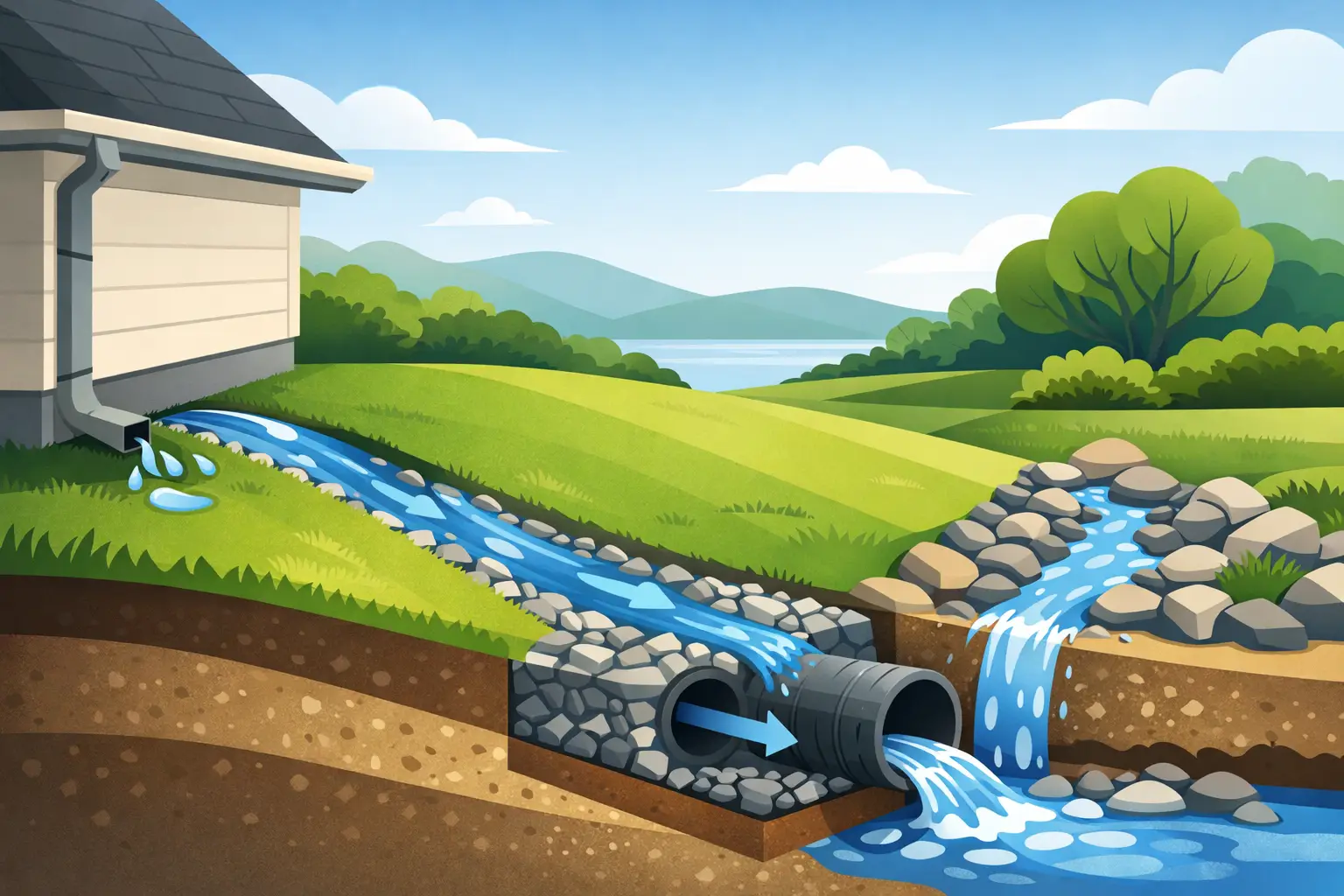
For Dallas properties, drainage should be part of that decision. Water that sits along a fence line or runs toward the foundation can damage both turf and hardscape. Addressing grades, drains, and runoff before installing sod helps protect the investment and prevents repeat repairs.
Hardscapes Are Doing More of the Work
Patios, flagstone paths, retaining walls, gravel zones, and stone borders are showing up in more low-maintenance yards because they create structure that does not need to be mowed. A well-built hardscape gives homeowners usable square footage outdoors while making the landscape easier to manage.
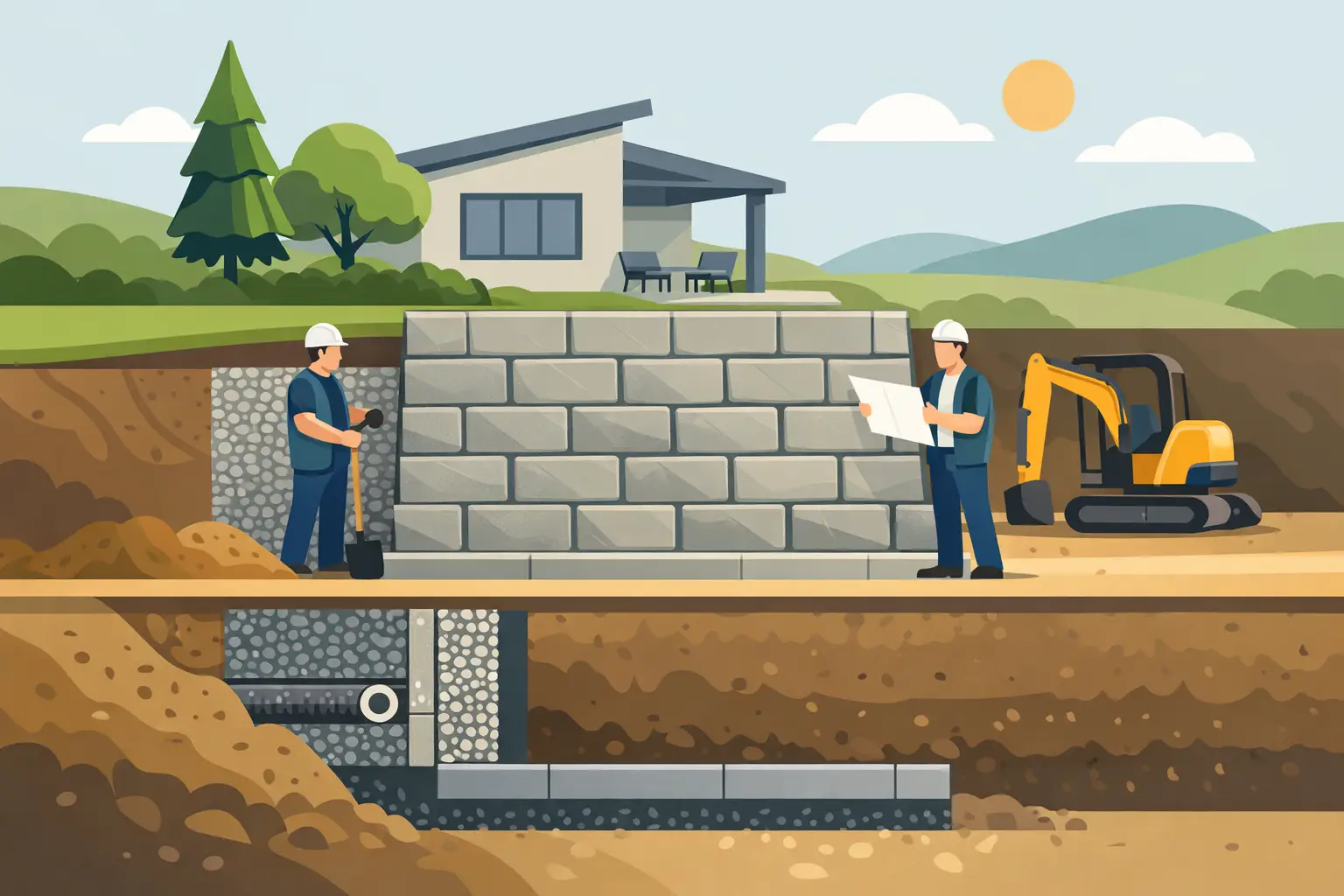
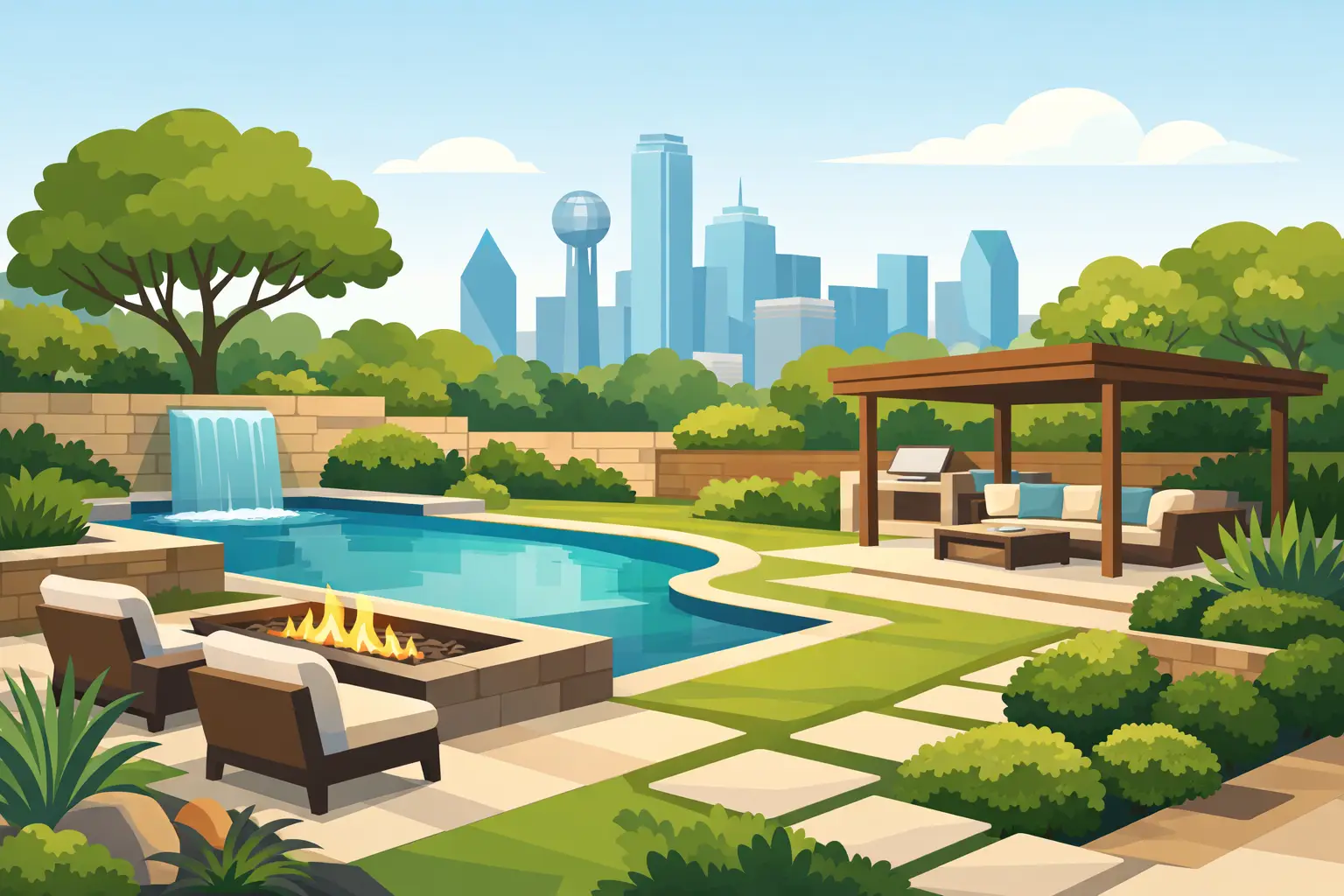
A larger patio can replace an underused portion of lawn with a space for dining, seating, or a fire feature. A flagstone walkway keeps traffic from wearing a dirt path through the grass. Retaining walls can solve slope issues while creating level planting areas that are easier to care for.
The key is not to overbuild. Too much concrete or stone can make a yard feel harsh and can increase heat around the home. The best designs balance hard surfaces with turf, shade, and planting beds so the space remains comfortable as well as durable.
Clean Borders and Fewer Fussy Details
One overlooked trend is the return to simple, clear edges. Crisp turf lines, steel or stone edging, and contained beds reduce the constant spread of mulch, grass, and gravel into places where they do not belong.
Small details make a major difference in upkeep. A properly edged bed takes less time to refresh than a loose, undefined area. A path that is wide enough for normal foot traffic will hold up better than stepping stones placed too far apart. Materials should be selected for the way people will use the yard, not just for a photo on installation day.
Water-Wise Planting With Real Staying Power
The best low-maintenance planting plans use fewer plant varieties, placed in groups, rather than dozens of individual plants that each need separate attention. This gives beds a cleaner look and makes seasonal care simpler.
In North Texas, drought-tolerant shrubs, ornamental grasses, perennials, and native-adapted plants can provide texture and color with less irrigation once established. Mulch helps hold moisture in the soil, limits weed growth, and gives beds a finished appearance. Rock can also work in select areas, but it is not maintenance-free. Leaves, weeds, and debris still need to be removed, and light-colored stone can create extra glare and heat.
Plant selection should account for sun exposure. A plant that handles full afternoon sun in one part of the yard may struggle along a shaded wall or under mature trees. This is where a site-specific plan beats copying a landscape trend from another region.
Irrigation That Supports, Not Wastes
Low maintenance landscaping still needs a water strategy. Smart controllers, drip irrigation in beds, and properly aimed sprinkler heads can reduce waste and prevent dry spots or overspray onto patios and driveways.
Automation helps, but it is not a substitute for correct installation. Broken heads, poor coverage, and runoff can waste water quickly. A landscape designed around practical irrigation zones will be easier to maintain and more dependable during long stretches of summer heat.
Outdoor Living Spaces That Replace Yard Work
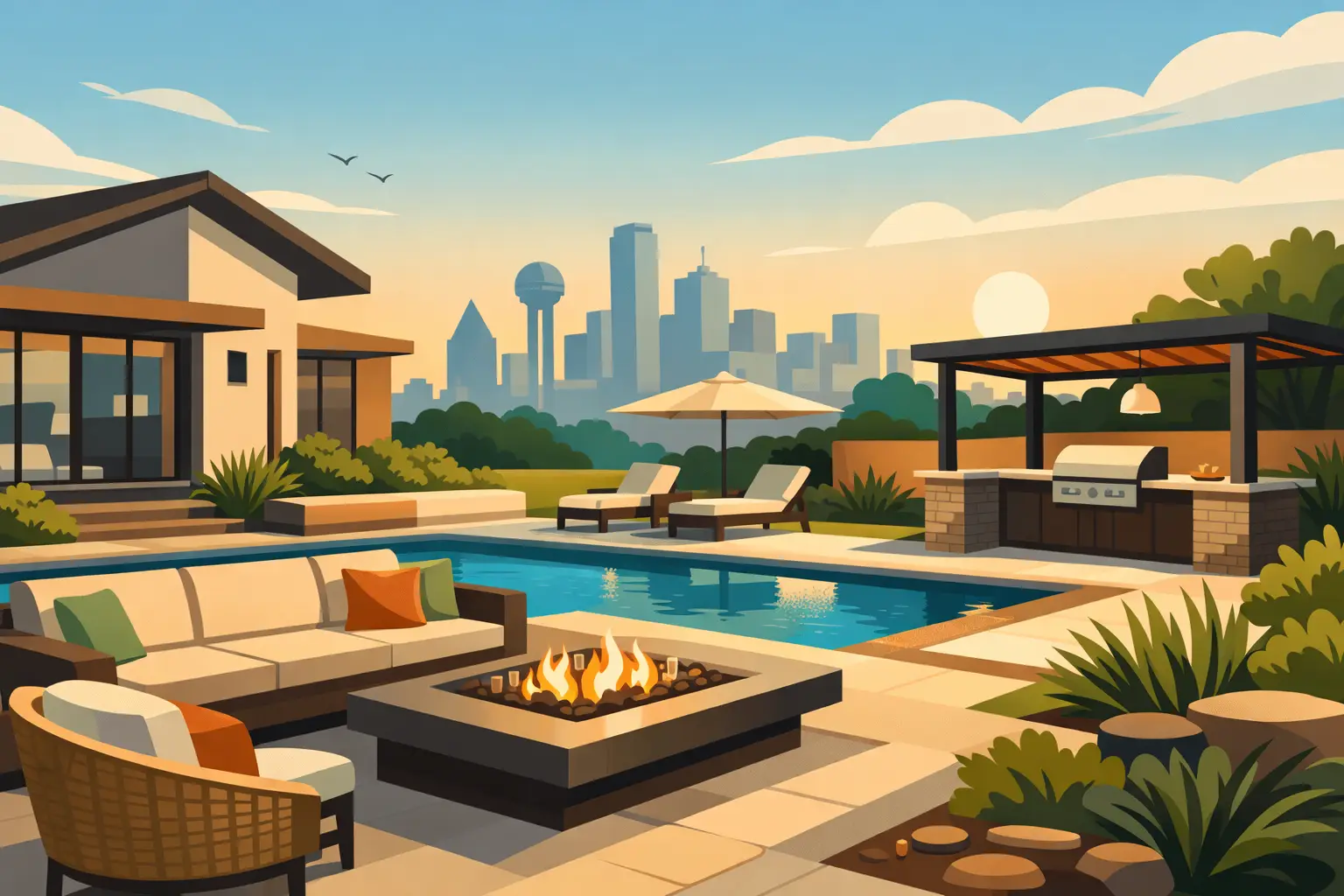
Homeowners are putting more budget into areas they can enjoy immediately. Backyard putting greens, pet-friendly turf areas, expanded patios, and defined lounge spaces create a reason to use the yard instead of just maintaining it.
A custom putting green is a good example. It turns an awkward slope, a narrow side area, or a patch of grass that never grows well into a durable feature for golf practice and entertaining. Likewise, a compact turf play zone can give children a clean place to play without requiring a large natural lawn.
These projects work best when the installation is built from the ground up. Base materials, grading, drainage, seams, edging, and surface selection all affect how the finished space performs over time. A low-maintenance surface is only low maintenance if it is installed correctly.
Choose Trends That Fit Your Property
The right landscape is not the one with the most features. It is the one that solves the problems you have now: a patchy lawn, standing water, muddy pets, an unused backyard, or too many hours spent mowing and watering.
Before making changes, think about where people walk, where water collects, how much direct sun the yard receives, and which parts of the property you want to enjoy most. That information helps determine whether artificial turf, fresh sod, stonework, drainage work, or a combination of services will give you the best return.
Sod Green helps Dallas-area homeowners build outdoor spaces that look clean, hold up to daily life, and require less work after installation. A practical design and quality installation can turn a demanding yard into a space you are ready to use, not another job waiting for Saturday morning.



Leave A Comment