 Skip to content
A drainage problem rarely stays in one corner of the yard. Water that pools beside a patio can soften soil, stain hardscape, kill sod, undermine turf edges, and work its way toward the foundation. That is why drainage contractor reviews deserve more than a quick star-rating check. Dallas homeowners need to know whether a contractor actually solves water movement problems or simply installs a pipe and hopes for the best.
North Texas storms can dump a lot of water in a short window, and the area’s clay-heavy soil does not always absorb it quickly. A good drainage installation should fit the property, the soil, the slope, and the finished look of the landscape. Reviews can help you find that level of workmanship, but only when you know what to look for.
Start With Reviews That Describe the Actual Drainage Work
A five-star rating is a good sign, but it does not tell the whole story. Read the written comments, especially reviews from homeowners who had standing water, muddy lawn areas, erosion, downspout runoff, or water collecting against the home.
The strongest reviews describe a clear before-and-after result. Look for details such as water no longer pooling near the house, a French drain correcting a soggy side yard, or a regraded lawn draining properly after heavy rain. Specifics matter because they show the contractor addressed a real site condition rather than just provided friendly service.
Pay attention to whether customers mention the initial evaluation. Drainage work starts with diagnosis. A contractor should inspect elevations, identify where water starts and where it can safely exit, consider existing gutters and downspouts, and account for patios, fences, pools, utility lines, and planting beds. Reviews that mention thoughtful planning are usually more valuable than reviews that only say, “Great job.”
What Good Drainage Contractor Reviews Usually Mention
Reliable drainage contractor reviews often repeat the same themes: clear communication, a clean job site, workmanship that held up after rain, and a crew that treated the property with respect. Those are not small details. Drainage work often requires trenching through established lawns, landscaping, and hardscape areas. A proper repair matters just as much as the drain itself.
Look for comments about how the contractor handled the following:
- Explaining the recommended solution in plain language before work begins
- Providing a written scope that identifies drain locations, discharge points, grading, and restoration work
- Protecting existing landscaping, irrigation lines, fencing, and outdoor surfaces
- Showing up when promised and keeping the homeowner informed if weather affects the schedule
- Restoring sod, turf, mulch, gravel, or stone areas so the yard looks finished
- Returning to address legitimate questions or concerns after installation
A contractor does not need hundreds of reviews to be qualified. A newer company may have fewer reviews and still do excellent work. What matters is whether the feedback is consistent, detailed, recent, and relevant to drainage projects similar to yours.
Separate Drainage Expertise From General Landscaping
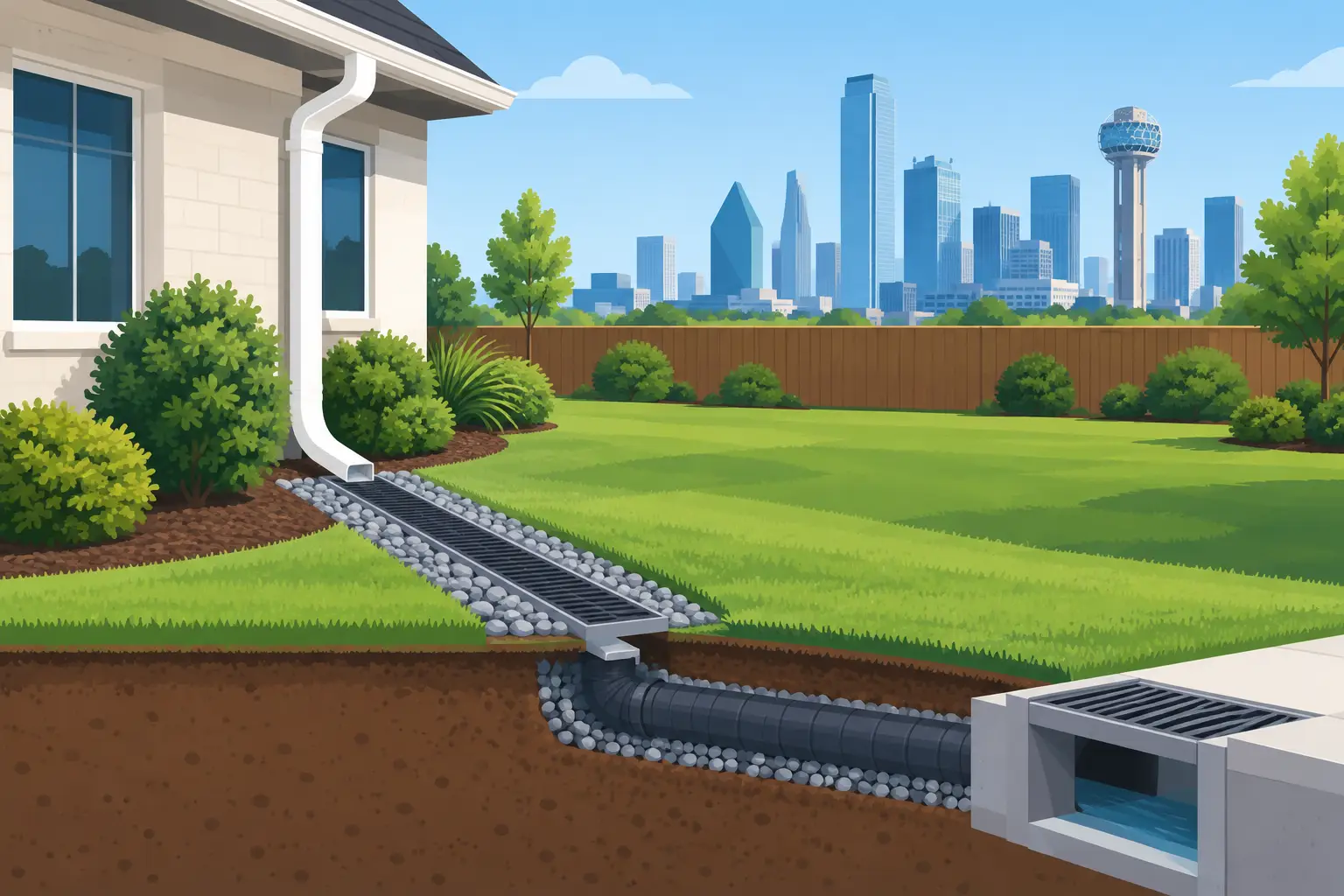
Many landscape companies offer drainage, but not every company approaches it with the same level of care. Installing a catch basin or trench drain is only one part of the job. The system needs enough slope, properly sized materials, protected discharge areas, and a route that does not send water toward a neighbor’s property or create a new low spot.
For some yards, a French drain is the right answer. For others, surface drains, channel drains, downspout extensions, regrading, swales, or a combination of solutions make more sense. A flat backyard with a pool deck has different needs than a sloped front lawn where runoff cuts through mulch beds.
Reviews should show that the contractor recommends solutions based on the property, not based on one service they sell most often. Be cautious if every review sounds like the same drain was installed regardless of the problem. Good contractors explain trade-offs. A buried drain may be more effective but require more excavation. Regrading may improve surface flow but can affect existing planting beds or turf. The best approach is the one that manages water without creating unnecessary disruption.
Read the Photos Along With the Words
Project photos can reveal a lot that star ratings cannot. In before-and-after images, look for clean drain placement, straight edging, restored turf, and discharge areas that appear intentional rather than hidden behind a loose pile of rock.
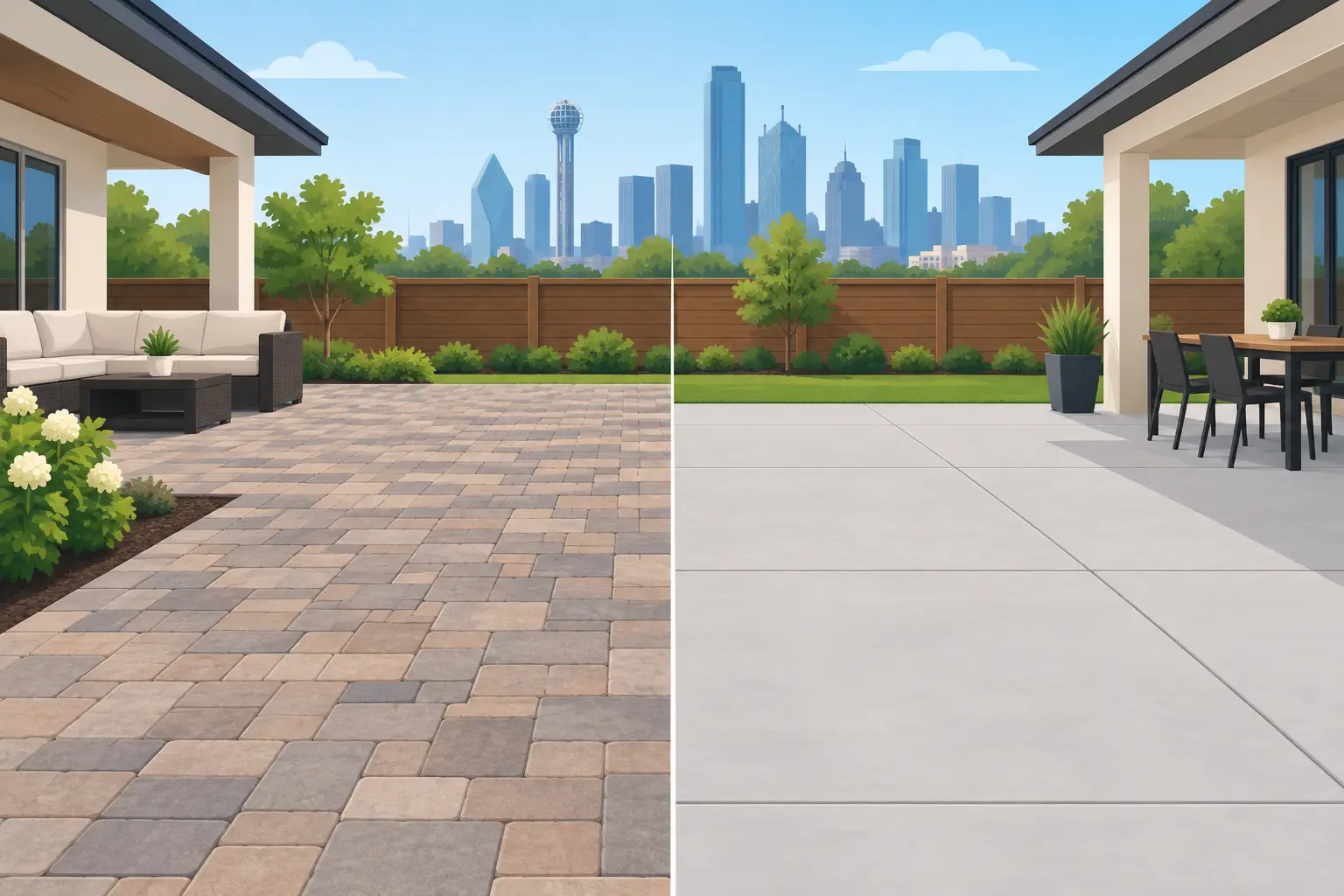
Photos should also help you see whether the contractor can work around finished outdoor spaces. If your home has artificial grass, flagstone, a paver patio, a retaining wall, or a putting green, you need a team that understands how drainage affects those investments. Poor water management can cause settling, shifting, washout, and uneven surfaces over time.
At the same time, do not expect every drainage project to look untouched on day one. Fresh sod needs time to root, soil may need a settling period, and new landscaping can take a few weeks to fill in. What you should expect is a tidy site, a clear restoration plan, and no abandoned trenches, debris, or unexplained damage.
Watch for Review Patterns That Signal Trouble
One negative review does not automatically rule out a contractor. Construction work involves weather delays, material availability, and occasional misunderstandings. The key is the pattern and the response.
Repeated complaints about missed appointments, vague pricing, poor cleanup, or contractors disappearing after payment should get your attention. So should reviews describing drainage systems that failed during the first significant rain. A contractor cannot control every extreme storm, but they should stand behind the design and explain what the system is built to handle.
Be especially careful with reviews that mention surprise charges after excavation begins. Unforeseen issues can happen, including buried concrete, old irrigation lines, or utility conflicts. A professional contractor explains those possibilities upfront, documents the issue when it appears, and gets approval before expanding the work.
Generic reviews can also be less useful than they appear. A long list of “fast and affordable” comments may be encouraging, but it does not prove drainage expertise. Give more weight to reviews that describe the property issue, the solution, the installation experience, and how the yard performed afterward.
Questions Reviews Cannot Answer for You
Reviews are part of the hiring process, not the entire process. Once you narrow your choices, ask each contractor to walk the property and explain where the water is coming from, where it will go, and why the proposed system fits your yard.
Ask whether the quote includes restoration. Some drainage bids cover excavation and pipe only, while others include sod replacement, mulch, gravel, stone, irrigation adjustments, or repairs to disturbed landscape areas. The lower quote is not always the better value if it leaves you responsible for rebuilding the yard afterward.
You should also ask about the discharge point. Water needs a legal, practical place to go. Depending on the property, that may be a lower part of the yard, a properly designed swale, a curb outlet where allowed, or another approved drainage path. No contractor should promise to make water disappear. The goal is to collect, direct, and release it responsibly.
If the issue is close to the foundation, get clear on whether the contractor sees signs of a broader structural or plumbing concern. Landscape drainage can solve many water problems, but it should not be used to cover up a damaged gutter system, leaking pipe, or foundation issue that needs separate attention.
Compare Quotes With the Same Standard
When comparing contractors, do not compare only the final number. Compare the scope. One estimate may include deep trenching, fabric, gravel, solid pipe, catch basins, connections to downspouts, and full landscape restoration. Another may mention only “install drain.” Those are not equal proposals.
A detailed estimate is a sign of a contractor who has thought through the work. It should identify the general system type, approximate route, materials, discharge plan, restoration expectations, and payment terms. You do not need a complicated engineering report for every residential project, but you do need enough clarity to understand what you are buying.
For Dallas-area homeowners planning a broader yard upgrade, it can also help to work with a team that understands drainage before installing new sod, artificial turf, flagstone, patios, or landscape beds. Sod Green approaches outdoor improvements with the finished property in mind, because a beautiful lawn or hardscape performs better when water is moving where it should.
The right review will not just tell you that a crew was pleasant. It will give you confidence that the contractor listened, diagnosed the problem, protected the property, and left the yard ready for the next hard rain.





Leave A Comment