
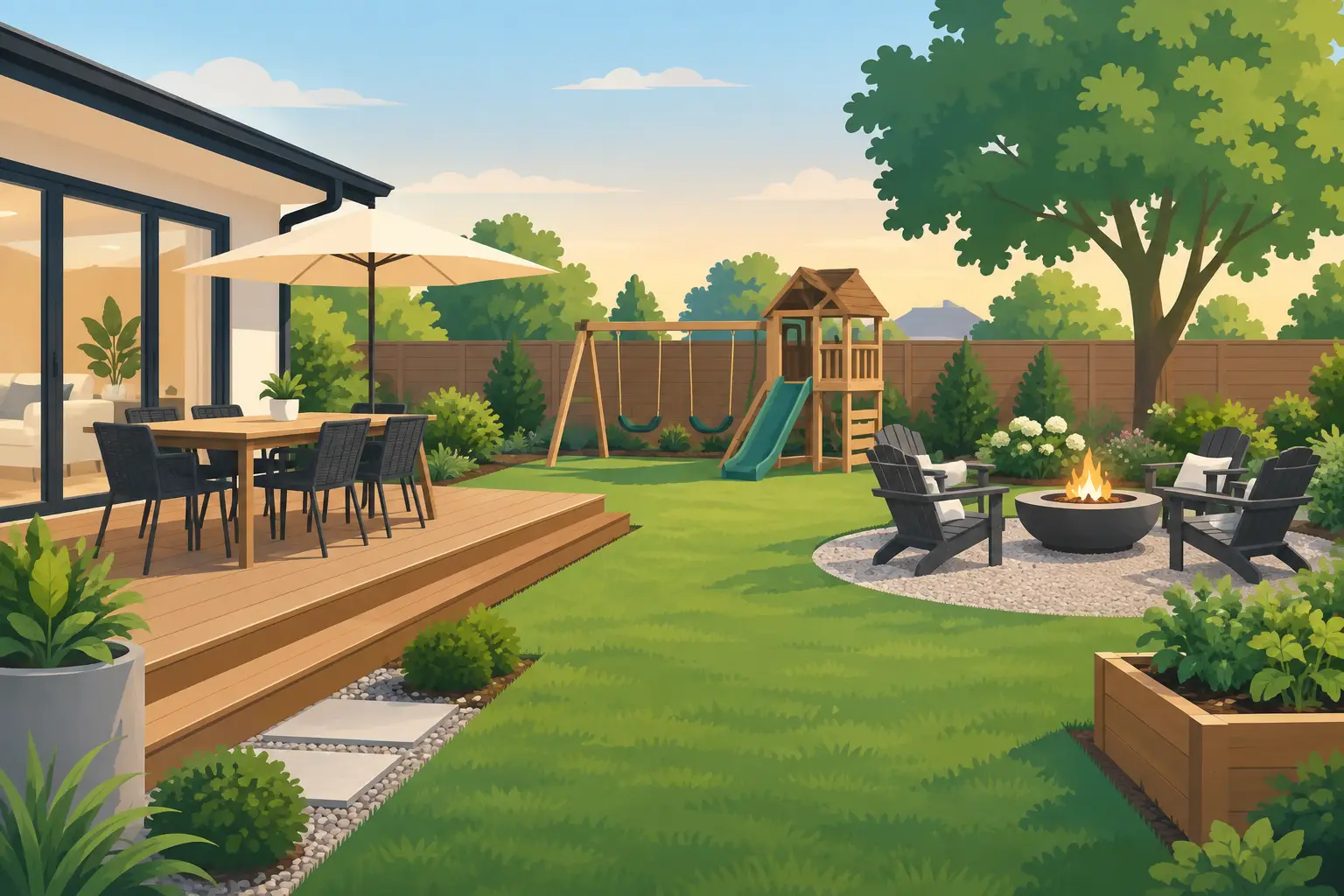
A new lawn can look finished in a day, but the sod installation process behind that result is where the real quality shows. If the ground is not graded correctly, if drainage is ignored, or if the sod sits too long before installation, even fresh grass can struggle. Homeowners across Dallas-Fort Worth usually want the same thing – a yard that looks clean, green, and ready to use without waiting through a full grow-in cycle. That starts with doing the job right from the ground up.
What the sod installation process really involves
Good sod work is not just rolling out grass and spraying it with water. A proper installation starts well before the first pallet arrives. The existing lawn or weeds need to be removed, the soil needs to be loosened and graded, and the surface has to be prepared so the sod can make strong contact with the ground.
That prep work matters even more in North Texas, where heat, compacted clay soil, and drainage issues can make a lawn fail fast. A yard that looks level from the patio may still have low spots, runoff problems, or hard-packed areas that keep new roots from taking hold. That is why experienced installers treat sod installation as a full surface project, not a quick cosmetic fix.
Site prep sets the pace for the whole job
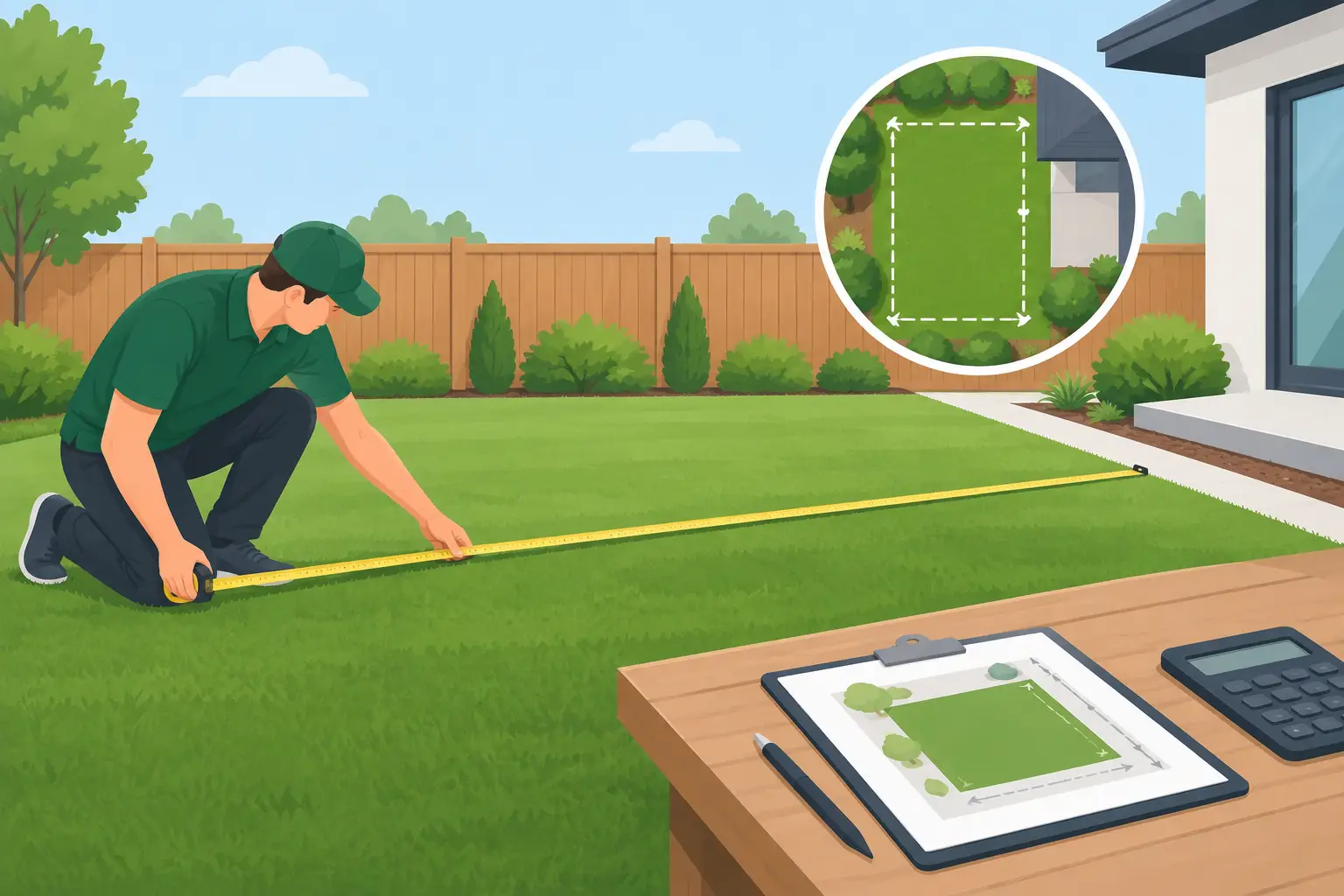
The first step is clearing the area. That means removing old grass, weeds, roots, rocks, and debris so the new sod is not competing with what is already there. In many yards, this also includes cutting out dead patches, scraping thin turf, or removing lawn sections that never recovered from pets, shade, or heavy foot traffic.
After the area is cleared, the soil is loosened. This gives the new root system a better chance to anchor quickly. If the ground is hard and compacted, the sod may look good on day one but struggle to establish in the weeks that follow. Loosening the top layer helps with root penetration, water movement, and overall stability.
Grading comes next, and this is one of the most overlooked parts of the job. The yard should slope correctly away from the home, patios, and other structures. Water should not collect near the foundation or sit in low spots after rain. Sometimes the grade only needs minor correction. In other cases, more reshaping is needed to solve standing water or uneven surface issues before the new grass goes down.
If soil quality is poor, an added layer of topsoil or soil amendment may be worked in. It depends on the condition of the yard. Some properties already have a decent base. Others need improvement to support healthy rooting and long-term growth.
Choosing the right sod matters too
Not every grass type performs the same way in every yard. Sun exposure, irrigation, traffic, pets, and maintenance expectations all play a role. In the Dallas area, bermudagrass and St. Augustine are common choices, but the better option depends on how the property is used.
Bermuda usually works well in full sun and high-traffic areas. It recovers quickly and creates a dense, durable lawn. St. Augustine tends to be a better fit for yards with more shade, though it has its own care requirements. The point is simple – the best-looking lawn is not always about the freshest sod roll. It is about matching the grass to the conditions on the property.
This is also where professional guidance helps. A homeowner may be focused on appearance, which makes sense, but installation crews also have to think about survivability, watering demands, and how the lawn will perform through a Texas summer.
Laying sod the right way
Once the surface is prepped and the sod arrives fresh, installation moves quickly. Timing matters because sod is a living product. The longer it sits on a pallet in warm weather, the more stress it takes on. That is why a tight installation schedule is a big advantage.
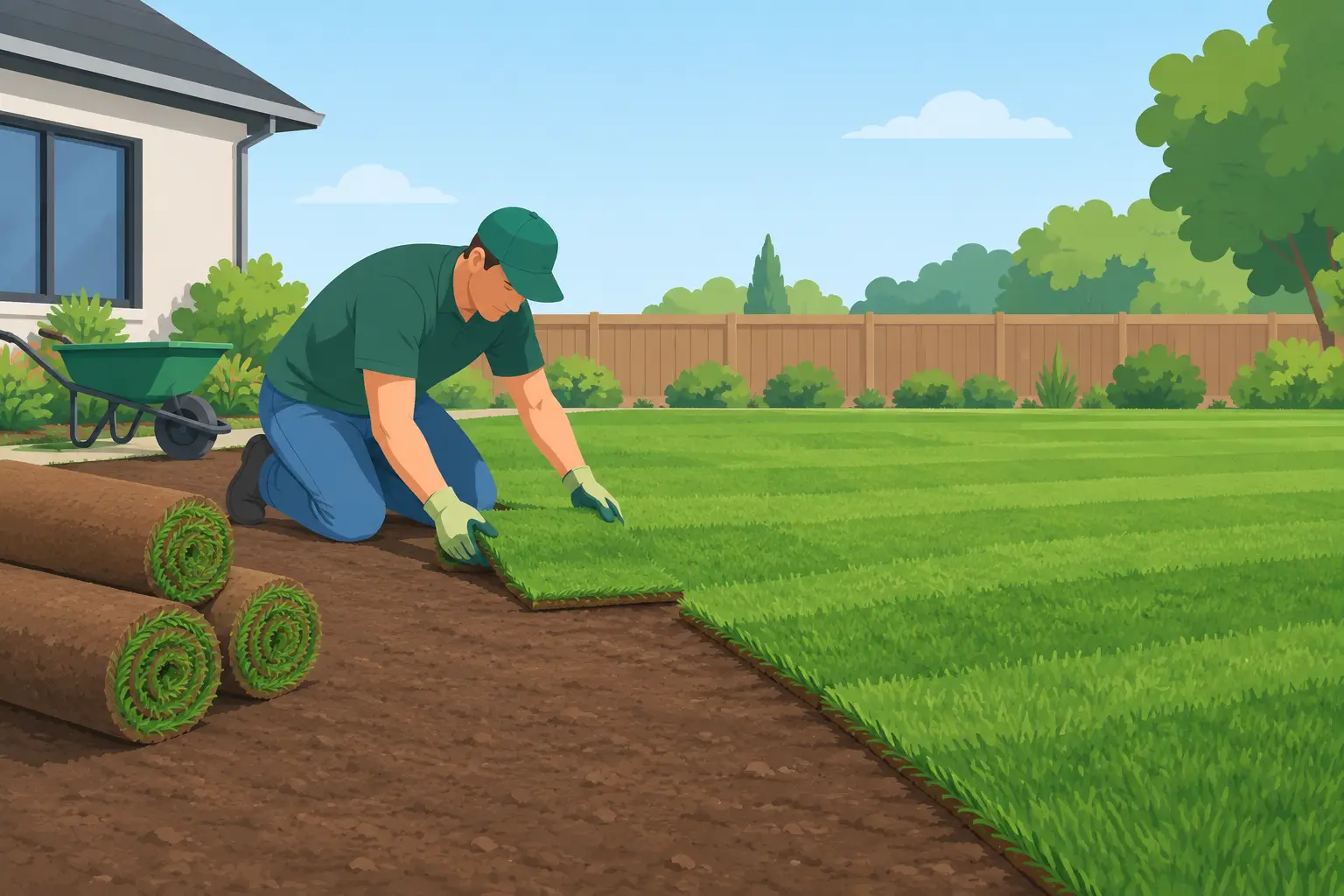
The sod is laid in a staggered pattern, similar to brickwork, so seams do not line up in long rows. This creates a tighter finished look and helps the lawn establish more evenly. Each piece should fit snugly against the next without overlapping or leaving gaps. Gaps can dry out and create visible lines later, while overlap causes uneven rooting and surface bumps.
Installers cut around borders, trees, beds, walkways, and hardscape edges so the lawn looks clean and intentional. A well-installed sod lawn should not look patched together. It should look like it belongs there.
After the sod is placed, it is usually rolled to improve contact between the roots and the soil beneath. That contact is critical. If air pockets remain under the sod, roots may dry out before they establish. Rolling helps settle everything into place and gives the lawn a more even finish.
The first watering is not optional
One of the biggest mistakes after installation is waiting too long to water. New sod needs moisture right away. The goal is to keep both the grass and the soil beneath it consistently moist during the early rooting period. In hot Dallas weather, that can mean more frequent watering than many homeowners expect.
The exact watering schedule depends on the season, temperature, sun exposure, and the type of sod installed. A shaded backyard in spring will not need the same schedule as a full-sun front yard in July. Too little water dries the roots before they bond with the soil. Too much water can create runoff, fungus issues, or a soggy base that slows rooting.
This is where clear post-installation guidance matters. A reliable contractor should not just finish the job and leave. Homeowners need to know how often to water, when to reduce frequency, and when the lawn is ready for normal use.
What happens in the first few weeks
The first two weeks are about establishment. During that time, the sod is still vulnerable. It may look complete, but the roots are just beginning to grow into the soil below. Heavy foot traffic, pets, and mowing too early can shift pieces or interrupt that rooting process.
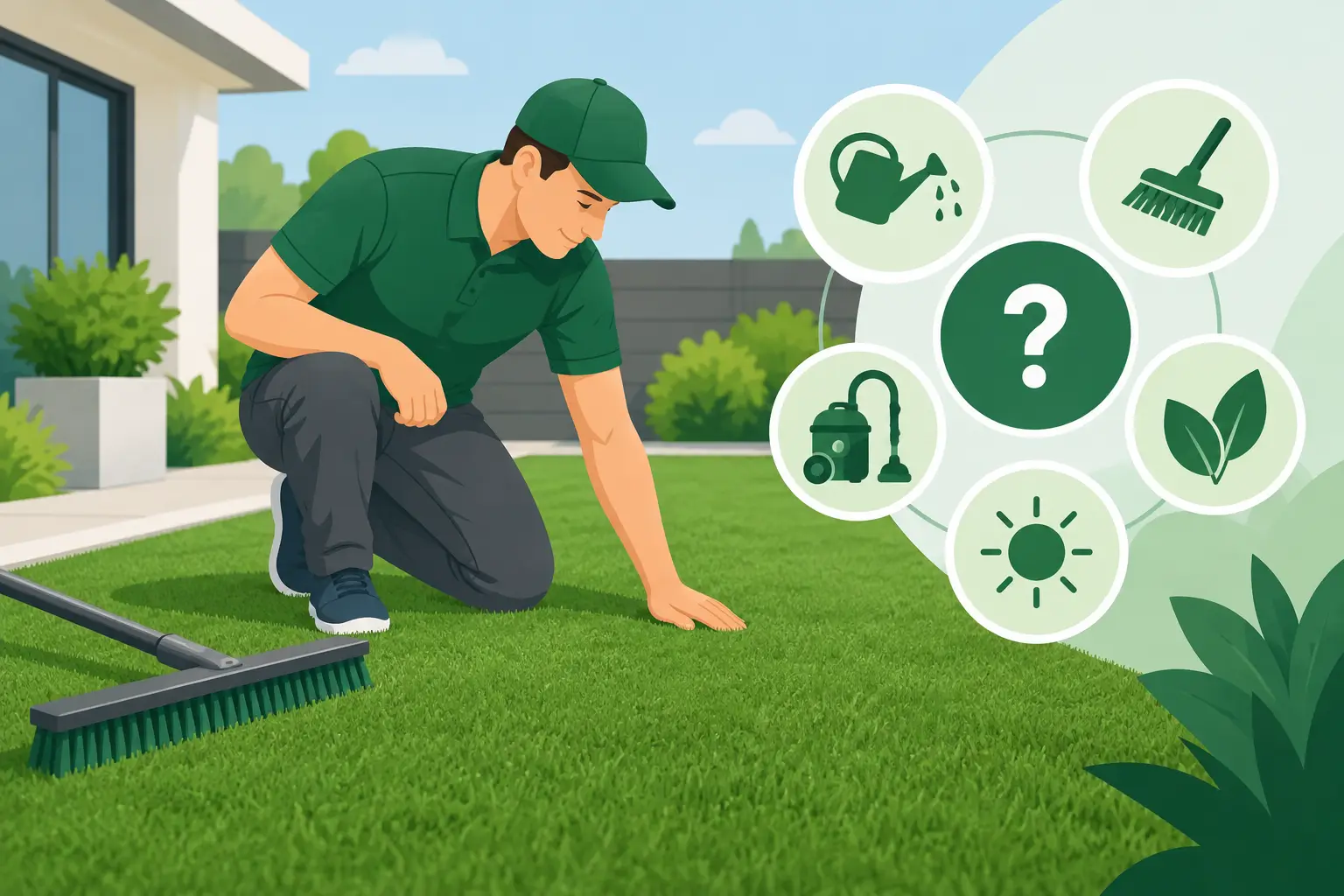
By the second or third week, depending on conditions, the sod should begin to knit into the ground more firmly. A light tug on a corner can give a rough idea – if it resists, roots are starting to take hold. That does not mean the lawn is fully mature, but it is moving in the right direction.
Mowing usually begins once the grass is rooted enough to stay in place and the blade height is appropriate for the turf type. Cutting too soon can stress the lawn. Waiting too long can also create problems if the grass gets overgrown and uneven. Like most parts of the sod installation process, timing matters.
Common problems that come from rushed work
When sod jobs fail, the cause is often not the sod itself. It is usually poor prep, bad grading, weak watering practices, or installation that was rushed to save time. Visible seams, lifting corners, yellowing patches, and soft low areas usually point back to something that was missed earlier.
Drainage is a major one. If water has nowhere to go, a new lawn can struggle no matter how healthy it looked on install day. The same goes for yards with sprinkler coverage problems. If one area gets soaked and another stays dry, the finished lawn will reflect it fast.
That is why many homeowners prefer to work with a specialist instead of a general crew that treats sod like a simple add-on service. Companies that handle outdoor surface work every day are more likely to catch grading concerns, edge details, and site conditions before those issues become expensive corrections later.
Why professional installation pays off
A professional sod job saves time, but that is only part of the value. The bigger benefit is getting a lawn that roots well, drains correctly, and holds up through weather, use, and seasonal change. Clean prep work, accurate grading, fresh materials, and proper follow-through are what make the difference between a quick improvement and a lasting one.
For homeowners who want a fast lawn transformation without the guesswork, working with a dedicated installer like Sod Green can make the process much easier. The right crew shows up on time, prepares the surface properly, installs with care, and leaves the property looking sharp when the job is done.
If you are planning to replace a patchy lawn, improve curb appeal, or start fresh with a new outdoor layout, the best results come from treating sod as a full installation project, not just a delivery of grass. Get the foundation right, and the finished lawn has a much better chance to stay green, even, and ready to enjoy.

Leave A Comment