
If you have ever stepped onto a soggy patch of yard after a Texas storm, you already know why an artificial turf drainage guide matters. Turf can absolutely help solve muddy lawns, worn-out grass, and high-maintenance yard problems, but only if the drainage underneath is built the right way from the start.
A lot of homeowners focus on the look of synthetic grass, which makes sense. They want a clean lawn, a pet-friendly yard, or a putting green that stays sharp year-round. What gets missed is the part you cannot see after installation – the base, the grading, and the way water moves through the system. That hidden work is what decides whether your new turf performs like a finished surface or traps water like a bad patch job.
How artificial turf drainage actually works
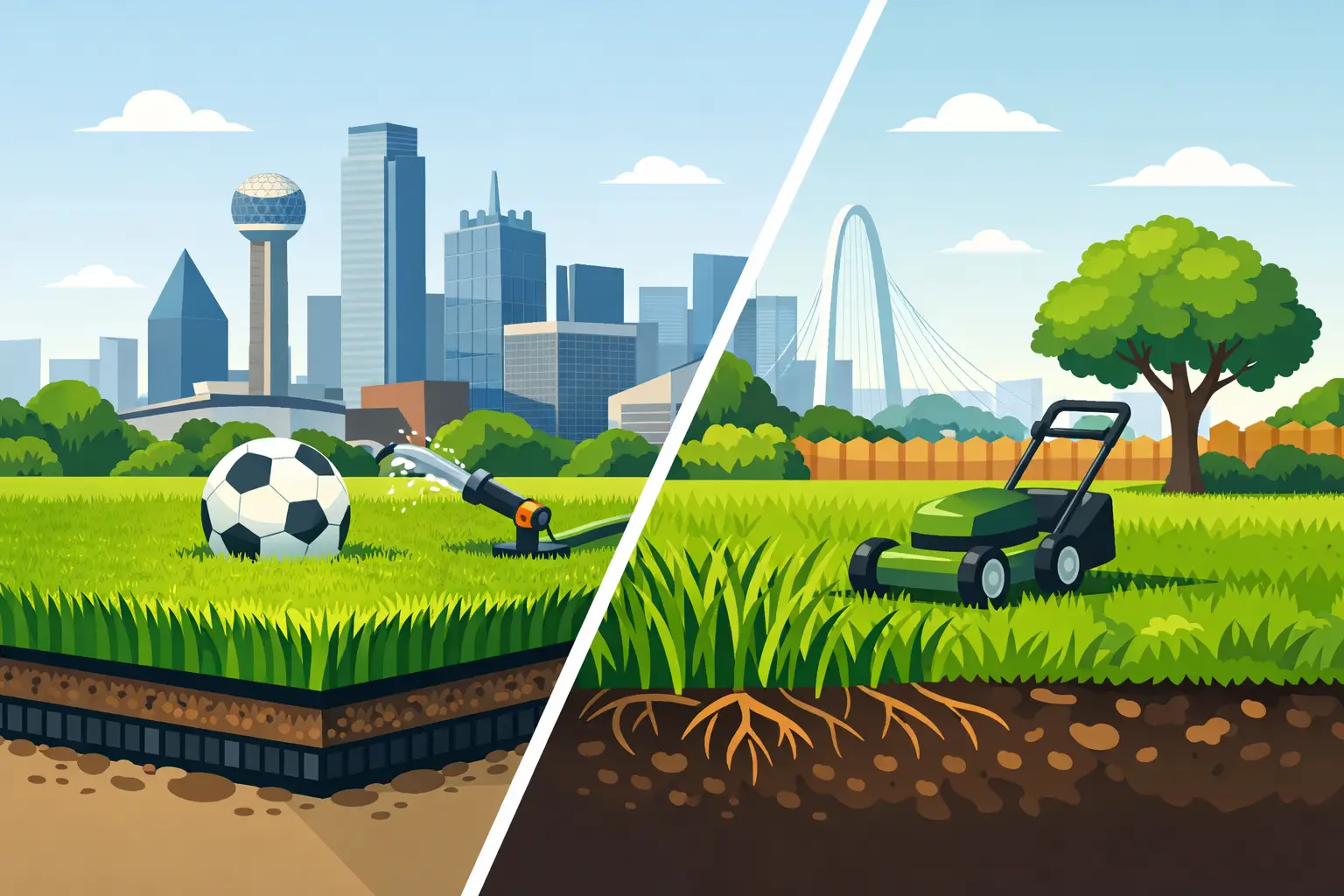
Artificial turf does not drain the same way natural grass does. With natural grass, water filters through living roots and existing soil structure, which may or may not be healthy. With turf, the drainage depends on the backing of the material and the compacted base below it.
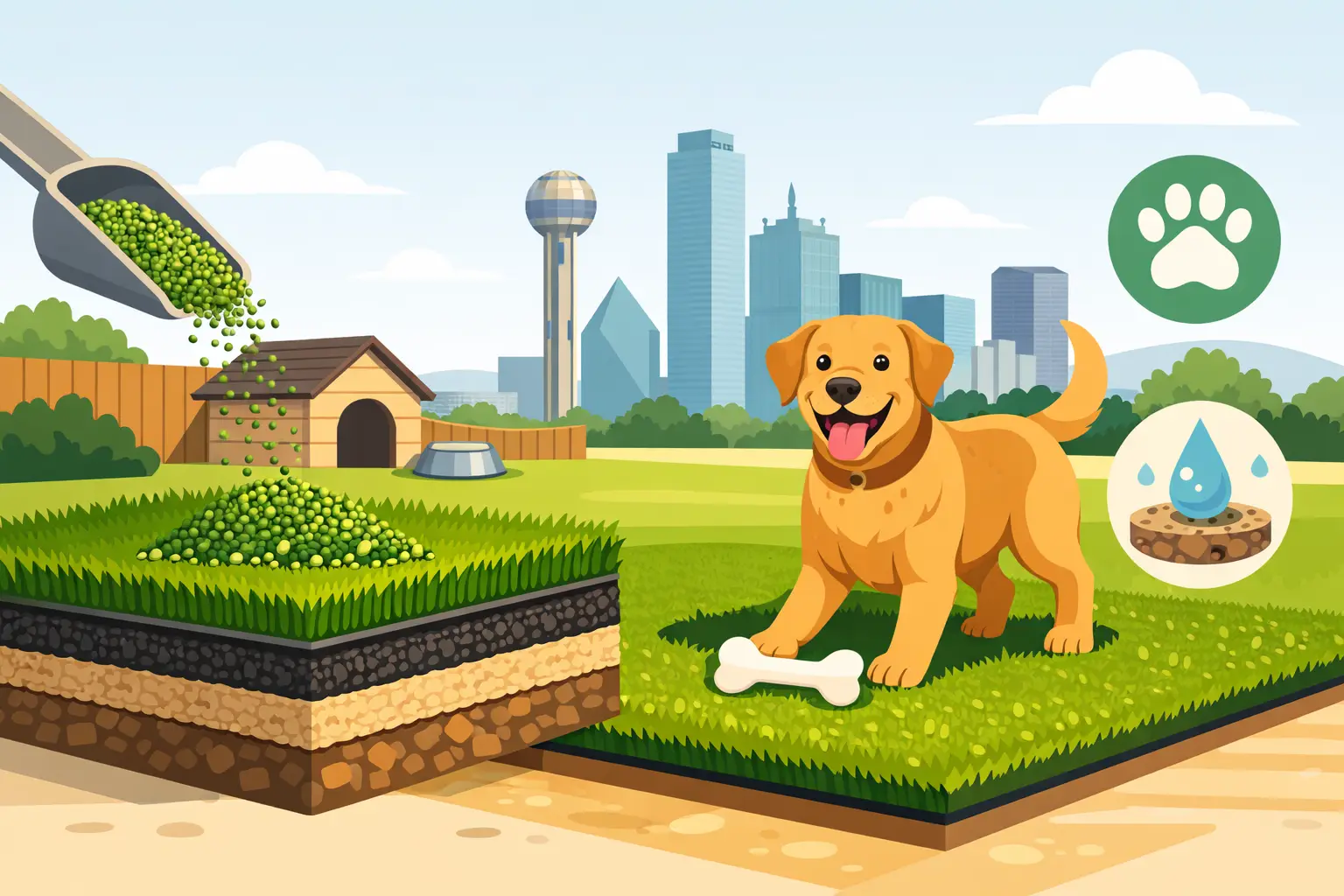
Most quality turf products have perforated backing that lets water pass through. That part is only half the story. Once the water gets through the turf, it needs somewhere to go. A properly built system includes a prepared sub-base made from crushed aggregate that allows water to move down and out instead of pooling under the surface.
That is why drainage problems are usually not caused by the turf itself. They are caused by poor grading, the wrong base material, weak compaction, or skipping drainage solutions in areas that already hold water. If the installer treats turf like carpet over dirt, the results usually show up after the first heavy rain.
Artificial turf drainage guide: what matters most below the surface
The most important part of any turf project is site prep. If the yard is not graded correctly before installation, no amount of brushing or rinsing will fix standing water later. The base needs to create a stable surface while still allowing drainage.
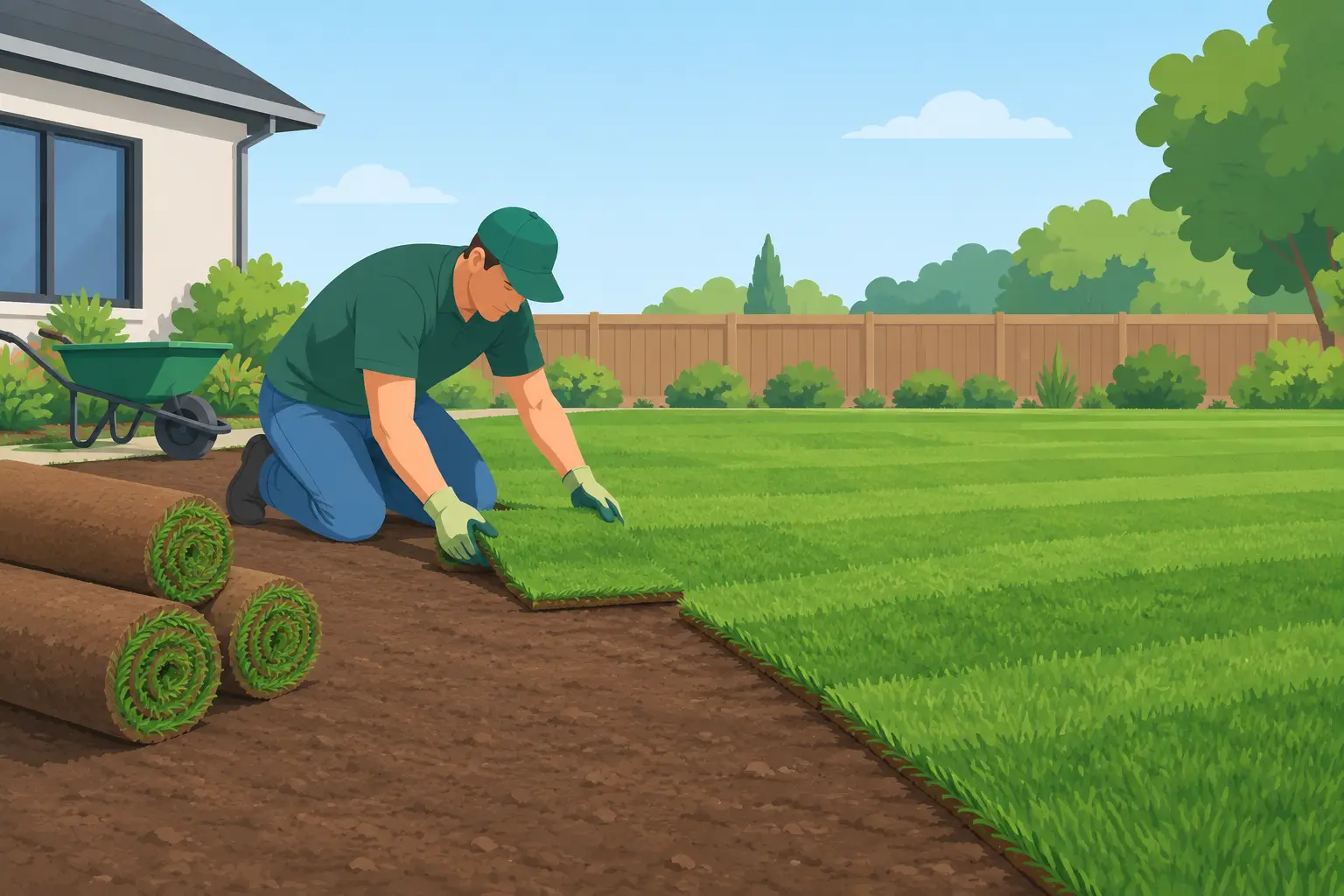
In most residential projects, that starts with removing existing grass, organic material, and soft soil. From there, the area is shaped to encourage water movement away from the home and toward a natural exit point. Then a compacted aggregate base is installed in layers. This base supports the turf, keeps the surface from shifting, and creates space for water to pass through.
In a simple, flat backyard with decent native drainage, that may be enough. In a low spot, near a pool, or along a side yard where runoff collects, more drainage planning is often needed. That can mean adding drain lines, catch basins, or tying the area into an existing drainage system.
This is where experience matters. A clean-looking installation can still fail if the crew does not understand runoff patterns, surrounding elevations, or how water behaves on that particular property.
Why some turf yards still get puddles
Homeowners are sometimes told that artificial grass automatically fixes drainage. That is not always true. Turf helps when it is installed over a properly built system. It does not magically correct a yard that already has slope issues or drainage bottlenecks.
One common problem is an uneven or shallow base. Water settles in low spots, and those dips become visible after rain. Another issue is compacting the base too tightly with the wrong material, which can reduce permeability. Fine particles can also clog the system over time if the base blend is poor or if the subgrade was not prepared correctly.
Edges matter too. If water can move through the turf but gets trapped by hardscape, curbing, or poor transitions, it has nowhere to go. That is why patios, walkways, pool coping, and adjacent beds should be considered as part of the same drainage plan.
Pet areas bring another layer to the conversation. Turf designed for pets can drain well, but if the yard has poor airflow or inadequate base prep, odors and moisture can linger. Good drainage helps with more than rainwater. It also helps the yard stay cleaner and easier to maintain.
Drainage needs depend on the yard
There is no one-size-fits-all formula for turf drainage. A small front yard in North Dallas may need basic grading and a compacted base. A large backyard in Fort Worth with clay-heavy soil may need a more involved system. Texas soil conditions can be tough, especially when you combine hard-packed clay, sudden downpours, and areas that already struggle with runoff.
That is why a professional quote should include more than turf pricing. It should account for excavation depth, base thickness, grading adjustments, and whether added drainage components are needed. A lower quote sometimes means the drainage work is being minimized, and that usually becomes expensive later.
If your property has had standing water before, mention it during the consultation. If gutters discharge near the install area, that matters. If the lawn slopes toward the house, that matters too. Good installers ask those questions because they know the performance of the finished turf starts long before the grass rolls out.
What a proper installation should include
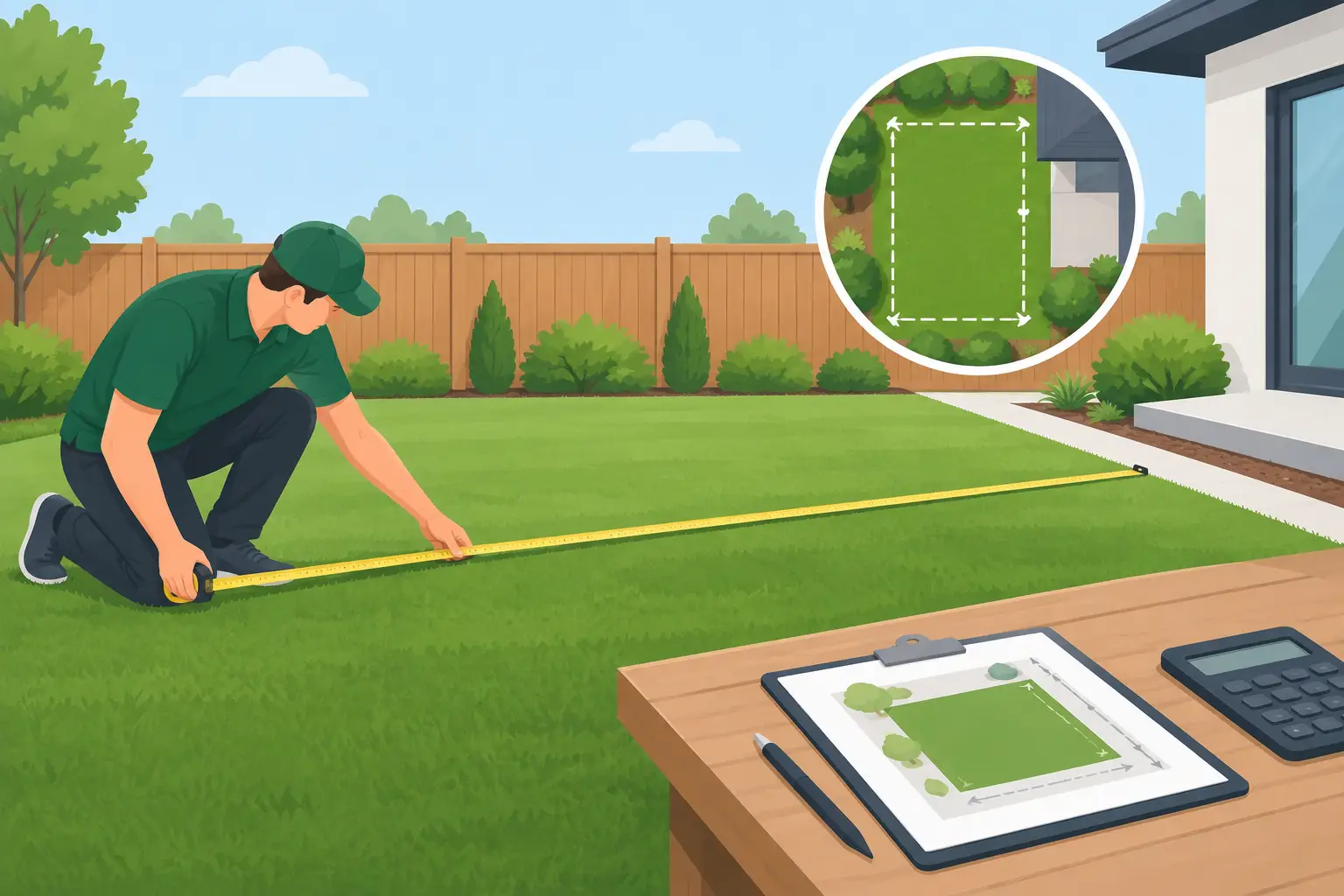
A reliable turf installation should start with a real site evaluation, not a quick measurement and a price. The crew should look at slopes, low areas, roof runoff, nearby hardscape, and how the yard is currently draining. If there is an existing drainage problem, it should be addressed directly instead of covered up.
Excavation depth should match the project. The base should be thick enough to support traffic and allow water movement. The surface should be graded intentionally, not just made to look flat. In many cases, a slight slope is exactly what keeps the yard usable after rain.
The turf itself should also fit the application. Landscape turf, pet turf, and putting green systems can have different drainage characteristics depending on the backing and infill. The best choice depends on how the space will be used and how much water exposure it gets.
At Sod Green, this is where specialized installation makes a difference. A turf project is not just about replacing grass. It is about building a clean, durable surface that looks right and drains right for years.
Signs your current turf drainage is failing
If you already have artificial grass and suspect drainage issues, a few warning signs usually show up early. Puddles that stay longer than expected after rain are one. Another is a spongy feeling underfoot, especially in the same spots over and over.
You may also notice seams shifting, edges lifting, or visible low areas forming across the surface. In pet spaces, persistent odor can point to trapped moisture below the turf. If water runs across the top instead of draining through, the backing may be clogged or the base may not be functioning as it should.
Some problems can be improved with maintenance, but many trace back to the original installation. If the base and grading were not done correctly, surface fixes only go so far.
Maintenance helps, but it does not replace proper drainage
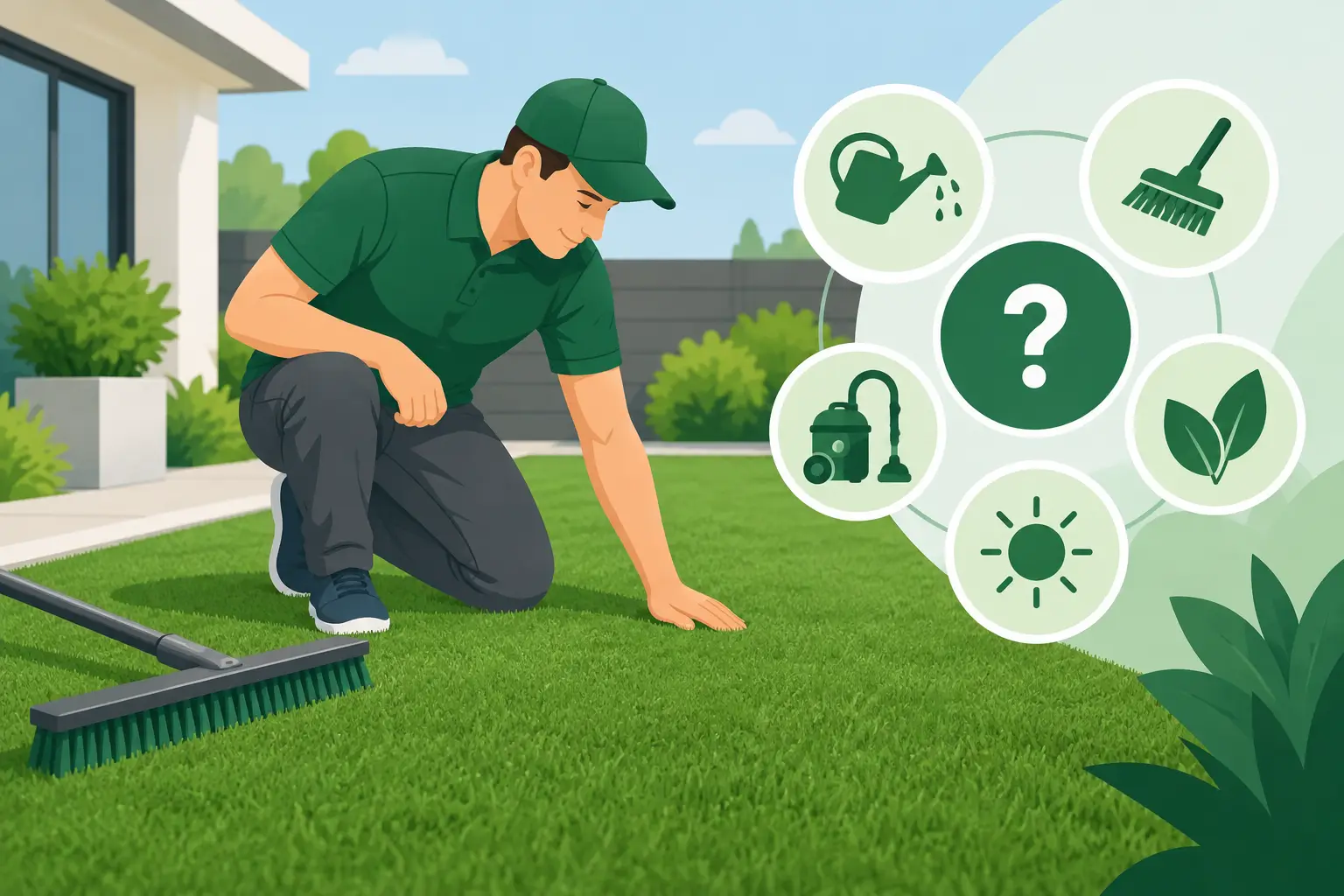
Artificial turf is low maintenance, not no-thought-required. Rinsing, brushing, and keeping debris off the surface all help the system perform better. Leaves, dirt, and organic buildup can slow drainage over time, especially in shaded areas or pet zones.
Still, maintenance should support a well-built system, not compensate for a bad one. If the yard was installed over weak prep, regular cleaning will not solve recurring water problems. The best long-term result comes from combining solid installation with simple upkeep.
For homeowners, that is good news. When drainage is handled correctly on the front end, turf stays cleaner, dries faster, and holds its shape better through everyday use and rough weather.
Choosing the right contractor for a drainage-conscious turf project
If you are comparing turf installers, ask direct questions about drainage. Ask what base material they use, how they handle grading, and what they do when a yard already has standing water. Ask whether they install drains when needed or coordinate turf work with larger landscape and hardscape improvements.
The right contractor will not brush past those details. They will explain the process clearly, set realistic expectations, and build the project around how your property actually works. That is especially important in Dallas-Fort Worth, where stormwater can expose every shortcut.
A good-looking turf lawn should do more than photograph well on install day. It should stay usable after rain, hold up under foot traffic, and keep your yard cleaner with less hassle. When drainage is taken seriously, that is exactly what artificial turf can deliver.
If you are planning a turf project, think past the surface. The grass you see matters, but the drainage underneath is what makes the investment pay off.

Leave A Comment