 Skip to content
If your yard is full of bare spots, mud after every rain, or grass that never seems to stay green through a Texas summer, the choice between artificial turf vs sod gets real fast. Homeowners across Dallas-Fort Worth usually want the same thing – a lawn that looks sharp, holds up to kids and pets, and does not turn into another weekend job.
The right answer depends on how you use your yard, how much maintenance you want, and what kind of long-term result matters most to you. Both options can look great when they are installed correctly. But they perform very differently once the heat, foot traffic, shade, dogs, and sprinkler bills start adding up.
Artificial turf vs sod: the biggest difference
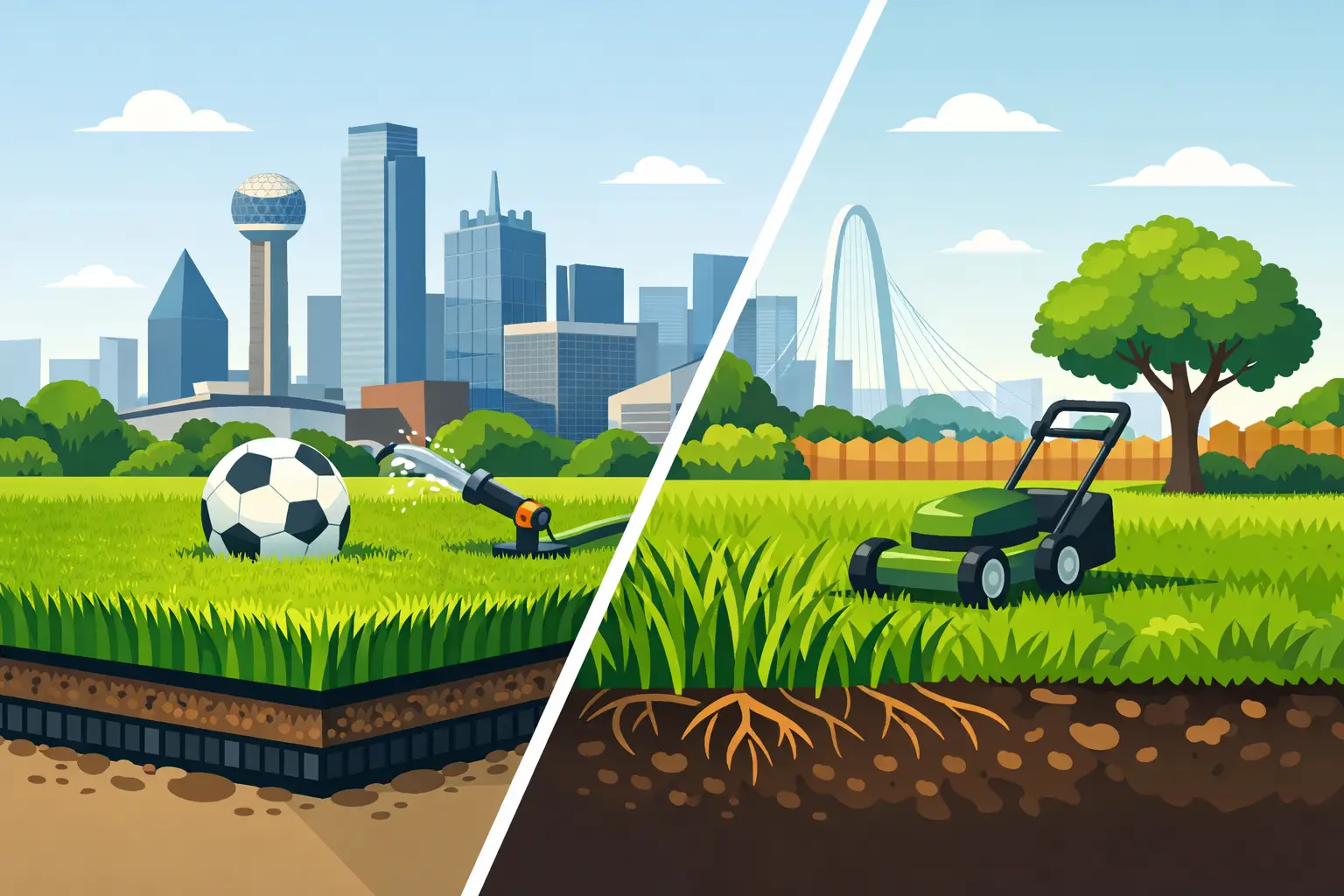
At a glance, sod gives you real grass with a natural feel and living root system. Artificial turf gives you a clean, green lawn surface without mowing, fertilizing, or watering like a traditional yard.
That sounds simple, but the day-to-day experience is where the difference really shows. Sod needs care from day one. It has to root, it needs the right watering schedule, and it can struggle in tough areas like deep shade, heavy pet zones, and narrow side yards. Turf does not need that grow-in period. Once installed, it gives you an immediate finished look and stays consistent across the whole surface.
For many homeowners, this is not just a grass decision. It is a maintenance decision, a durability decision, and in some cases a drainage decision too.
When sod makes more sense
Sod is still the right fit for plenty of properties. If you want the smell and feel of real grass underfoot, there is no synthetic product that fully replaces that. A healthy sod lawn also stays cooler than artificial turf in direct sun and gives your yard a more traditional natural look.
Sod can be a strong choice if your lawn gets good sunlight, you have irrigation in place, and you do not mind regular mowing, edging, feeding, and seasonal care. Some homeowners simply enjoy having a real lawn and are willing to put in the work to keep it looking right.
It can also make sense for larger front yards where the look of natural grass is part of the neighborhood standard. If the area is not getting pounded by dogs or constant foot traffic, sod can establish well and give you a beautiful result.
The trade-off is that sod is not a one-time decision. Installation is only the beginning. You are also signing up for water use, lawn treatments, possible weed issues, and the reality that some sections may thin out or die off over time. In North Texas, weather swings can be hard on natural grass. A lawn can look full one month and stressed the next.
When artificial turf is the better investment
Artificial turf works especially well when homeowners are tired of fighting the same lawn problems over and over. If your grass never grows evenly, your dog has worn a dirt track through the yard, or your pool area stays muddy, turf solves problems that sod often cannot solve for long.
This is where synthetic grass stands out. It gives you a finished, usable surface almost immediately. There is no muddy grow-in period, no dead patches from repeated use, and no mowing crew showing up every week. For busy families, pet owners, and homeowners who want a clean look year-round, that matters.
Turf is often the stronger value in backyards, side yards, dog runs, playground areas, and around pools. These are spaces where appearance and performance matter more than having living grass. If the main goal is a polished yard that stays clean and usable, turf usually wins.
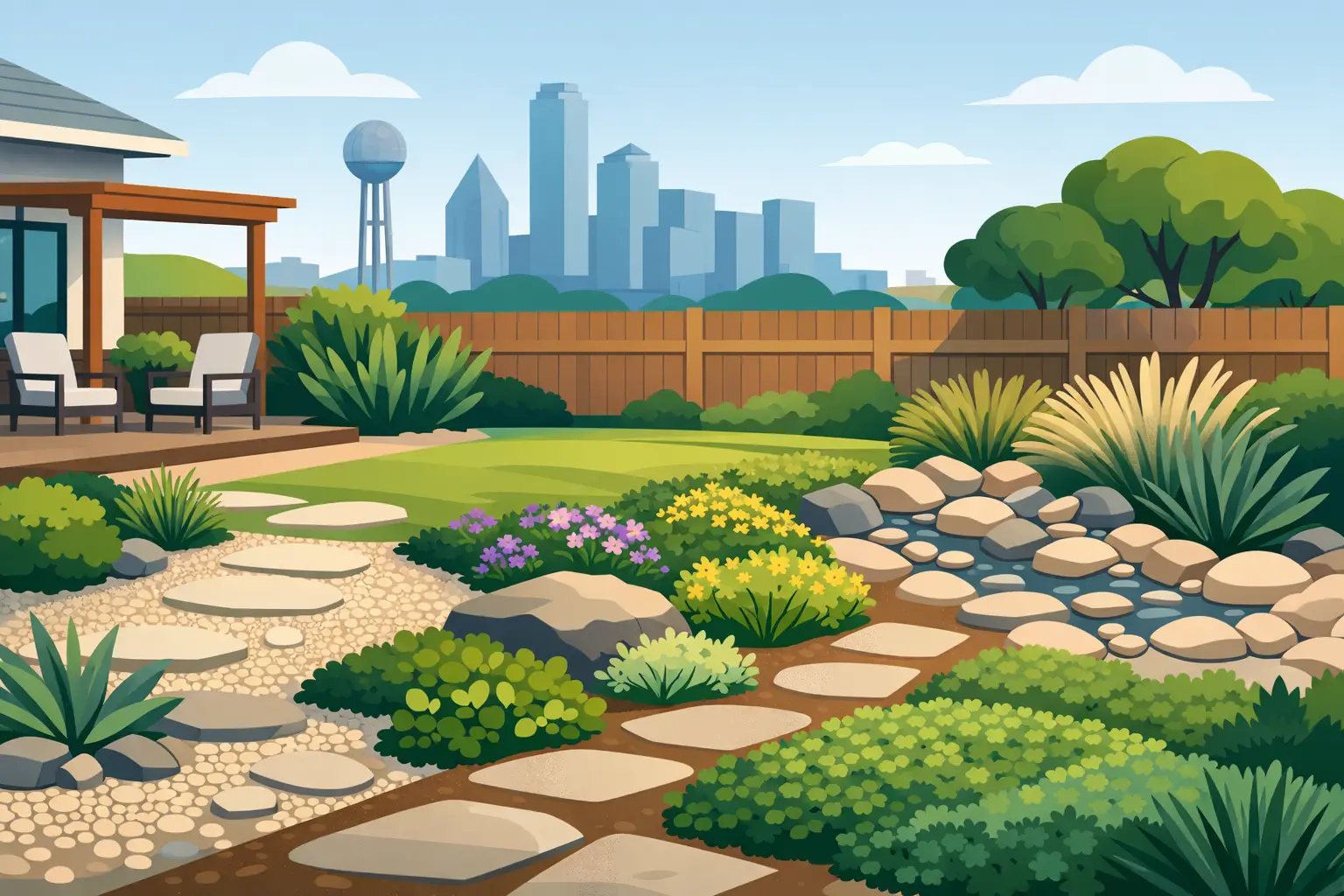
A well-installed turf system also does more than replace grass. It can improve drainage, reduce tracked-in dirt, and help create a more finished outdoor living space. That is a big reason homeowners pair turf with patios, walkways, putting greens, and hardscape upgrades.
Cost is not just the install price
A lot of homeowners start with the upfront price, and that makes sense. In many cases, sod costs less to install than artificial turf. If you are comparing day-one numbers only, sod often looks like the budget-friendly option.
But the smarter comparison is total cost over time.
Sod keeps generating expenses after installation. Water, mowing, fertilizer, weed control, pest treatment, reseeding, and seasonal repair all add to the real price of a natural lawn. If your yard has problem areas, you may end up paying to fix the same spots again and again.
Artificial turf usually costs more at the beginning, but maintenance is dramatically lower. You are not paying for regular mowing or trying to revive stressed grass every season. For many homeowners, especially in Texas, that long-term savings starts to matter more after the first few years.
The exact numbers depend on yard size, site conditions, drainage needs, and the type of turf or sod being installed. But if your main concern is long-term value instead of the cheapest first step, turf deserves a serious look.
Maintenance is where homeowners feel the difference
This is often the deciding factor.
Sod needs ongoing attention. Even a good-looking natural lawn takes work to keep it that way. You have to mow it, water it properly, edge it, manage weeds, and respond to weather. Miss a few weeks in the wrong season, and the lawn can start slipping fast.
Artificial turf is much easier to live with. It still needs occasional cleaning, especially with pets or leaves, but the maintenance is minor compared to real grass. There is no mowing, no fertilizing, and no mud to deal with after rain.
For families with a packed schedule, low maintenance is not just a nice feature. It is the whole reason they switch. They want the yard to look finished without having to babysit it.
Appearance and feel matter too
There is no point pretending these two surfaces feel exactly the same. They do not.
Sod gives you the soft, natural feel of real grass. For some homeowners, that alone settles the decision. If you love a traditional lawn and enjoy the natural variation that comes with it, sod has an advantage.
Artificial turf, on the other hand, gives you consistency. It looks trimmed, even, and green every day. There are no brown spots, no patchy sections, and no seasonal drop-off in curb appeal. Modern turf products look far better than the old fake grass people remember, but product quality and installation make all the difference. Cheap turf or poor prep work can look artificial fast. Professional installation is what gives it the clean, realistic finish homeowners want.
Heat is worth mentioning too. In direct summer sun, artificial turf can get hotter than natural grass. That does not make it a bad choice, but it is part of the real comparison. In some yards, design choices like shade, surrounding hardscape, and intended use should factor into the decision.
Pet traffic, kids, and everyday use
If your yard gets used hard, artificial turf usually holds up better.
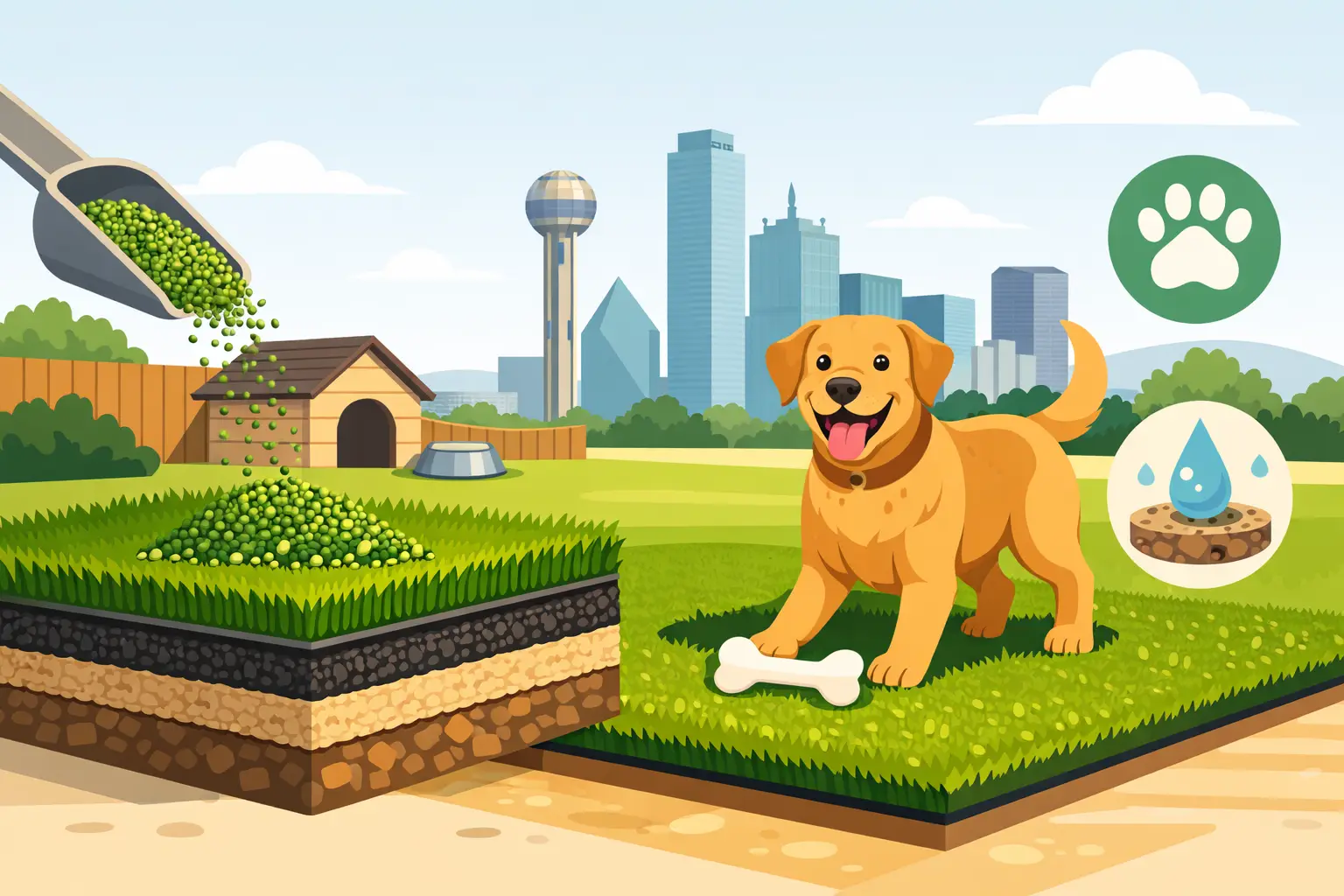
Dogs can be rough on natural grass. Repeated urine spots, digging, pacing, and worn paths can quickly turn a backyard into a patchwork of mud and thin grass. Kids do the same in play zones where the same area gets used every day. Sod can recover in lighter-use spaces, but heavy-use yards often stay in repair mode.
Turf is built for repeated use. That is why it is so popular for pet areas, family backyards, and putting greens. It stays cleaner, more durable, and easier to manage. For homeowners who care less about having live grass and more about having a yard that actually works, that is a major advantage.
The installation quality matters either way
This part gets overlooked too often. Neither turf nor sod performs well when the installation is rushed.
Bad sod installation can lead to poor rooting, uneven ground, drainage issues, and sections that fail early. Bad turf installation can create wrinkles, visible seams, weak drainage, and a surface that looks fake no matter how expensive the product was.
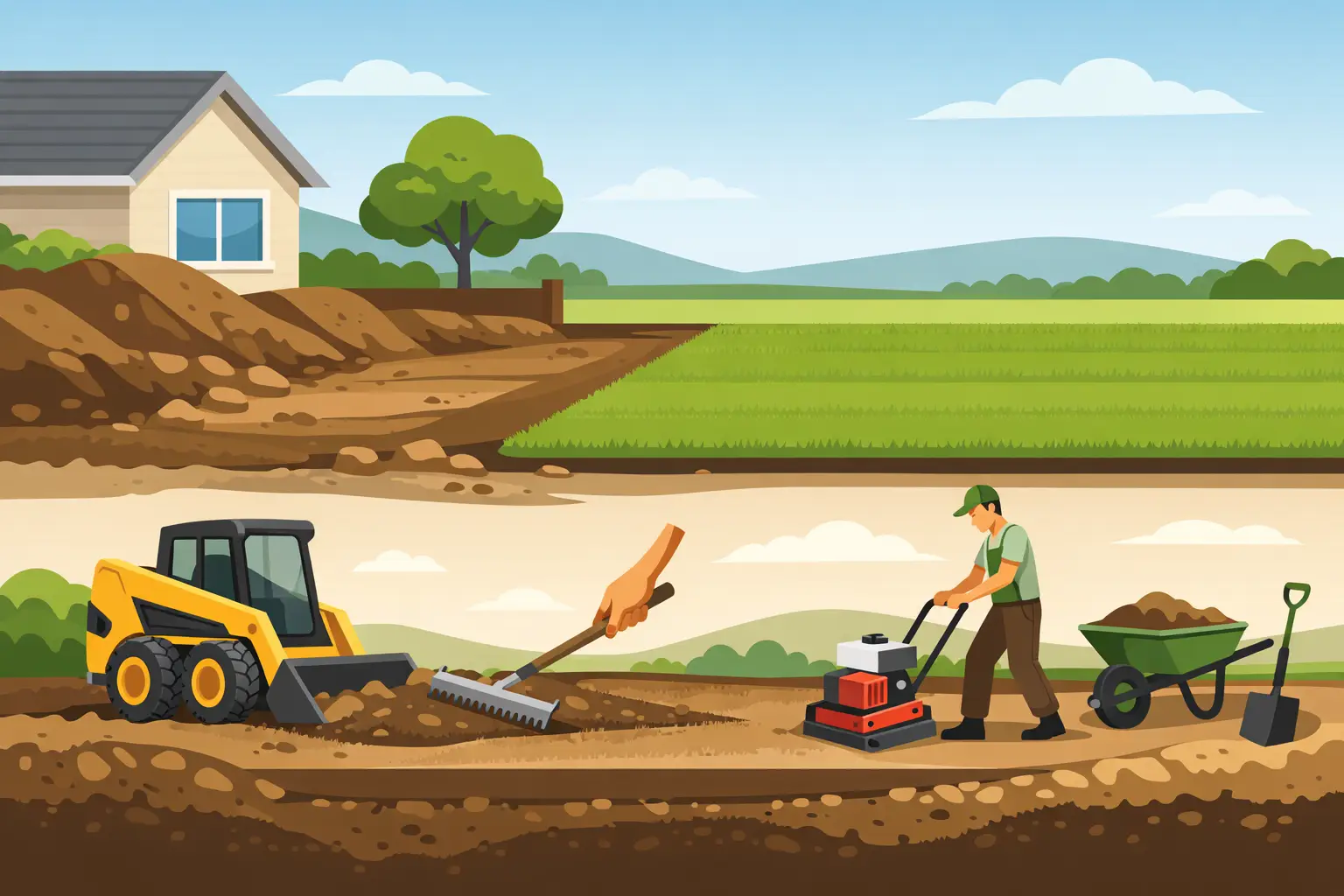
Proper base prep, grading, drainage planning, and clean finishing are what separate a lawn that lasts from a lawn that becomes a problem. That is why working with a specialist matters. A contractor who understands both materials and how they behave in Texas conditions can guide you toward the right fit instead of pushing a one-size-fits-all answer.
So, which one should you choose?
If you want a real lawn, do not mind regular upkeep, and have the right conditions for healthy grass, sod can absolutely be the right move. It offers a natural look and feel that many homeowners still prefer.
If you want a cleaner, lower-maintenance yard that stays green with less effort and holds up to pets, play, and daily use, artificial turf is often the better long-term solution. That is especially true in high-traffic areas and yards where natural grass has already proven difficult.
For many Dallas-Fort Worth homeowners, the best answer is not about what sounds better on paper. It is about how you actually want to use your yard. If you are ready for a lawn that looks finished and works harder for your family, Sod Green can help you choose the surface that fits your property, your budget, and the way you live outdoors.
A good lawn should make your home easier to enjoy, not harder to maintain.


Leave A Comment