 Skip to content
A backyard should not feel like a second job. If you are tired of mowing in the Texas heat, fighting bare spots, or dealing with muddy areas after every storm, the best low maintenance backyard ideas usually come down to one thing – choosing materials and layouts that look sharp without demanding constant work.
For Dallas-area homeowners, that means thinking beyond grass seed and weekend chores. A low-maintenance yard is built, not wished into existence. The right combination of artificial turf, hardscape, drainage, and simple planting can turn a high-effort backyard into a clean, usable space that holds up through heat, foot traffic, kids, pets, and busy schedules.
What makes a backyard truly low maintenance?
Low maintenance does not mean plain or boring. It means fewer weak points. Natural grass struggles when soil conditions are poor, watering is inconsistent, or heavy use wears it down. Mulch beds can wash out. Cheap pavers can shift. Plants that are wrong for the climate become a constant replacement project.
A better approach is to reduce the parts of the yard that need weekly attention. That often means replacing thirsty lawn areas, increasing hard surfaces where it makes sense, and solving drainage before it becomes a long-term headache. The best results come from a full plan, not random upgrades done one at a time.
Best low maintenance backyard ideas that work in Texas
1. Replace problem lawn areas with artificial turf
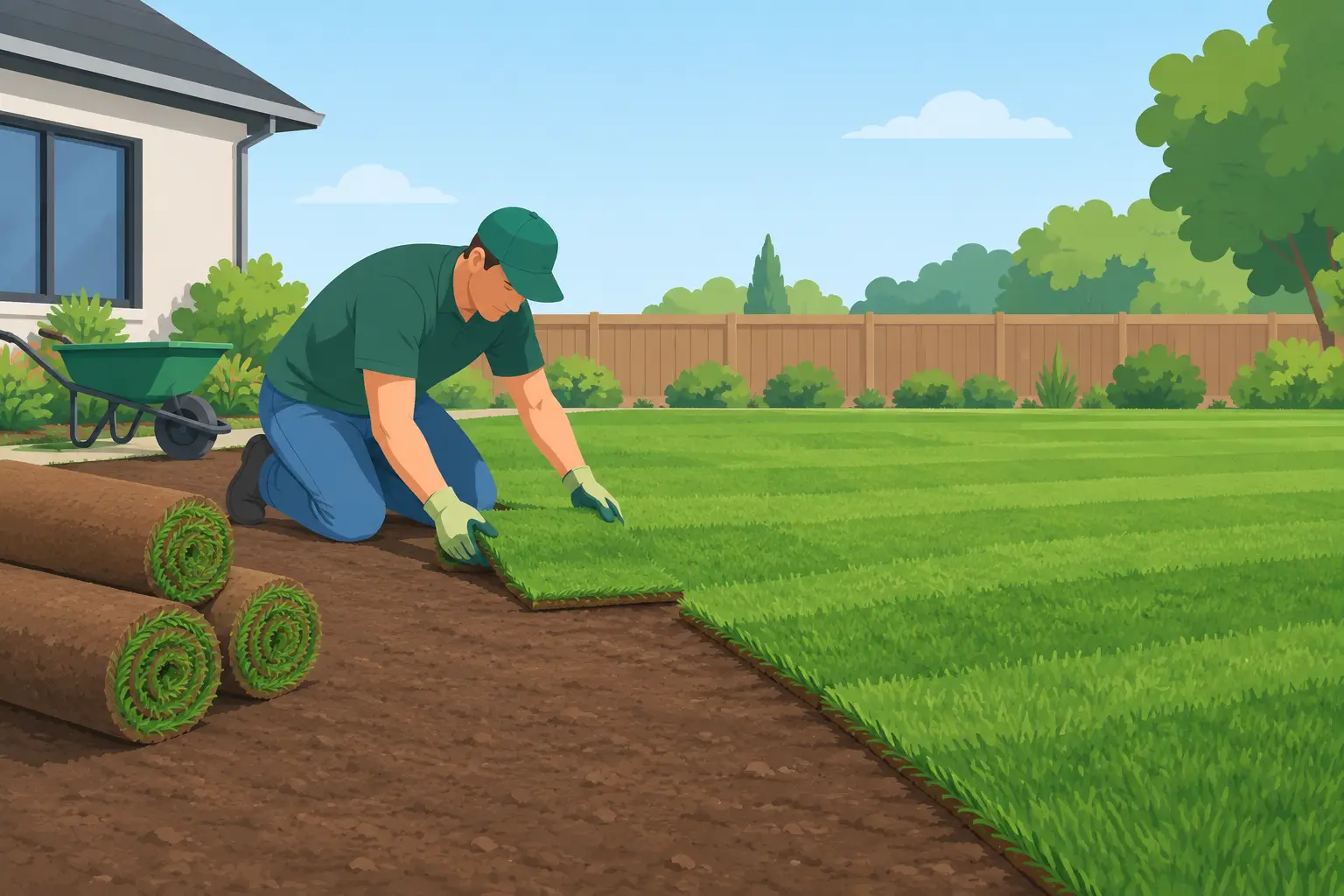
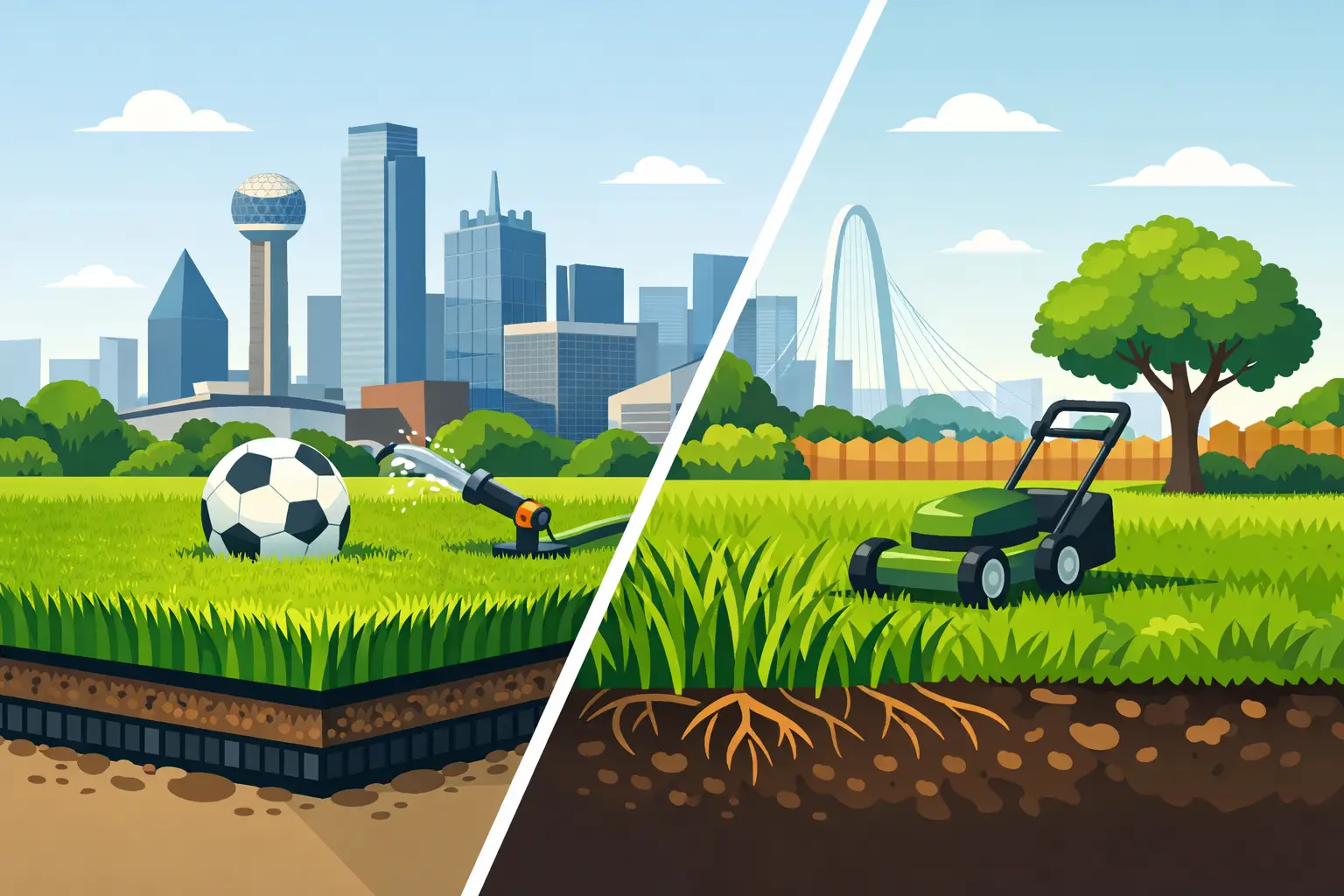
If your backyard has patchy grass, shaded dead zones, pet damage, or areas that stay muddy, artificial turf is one of the strongest upgrades you can make. It gives you a green, finished look without mowing, fertilizing, edging, or trying to keep up with seasonal stress.
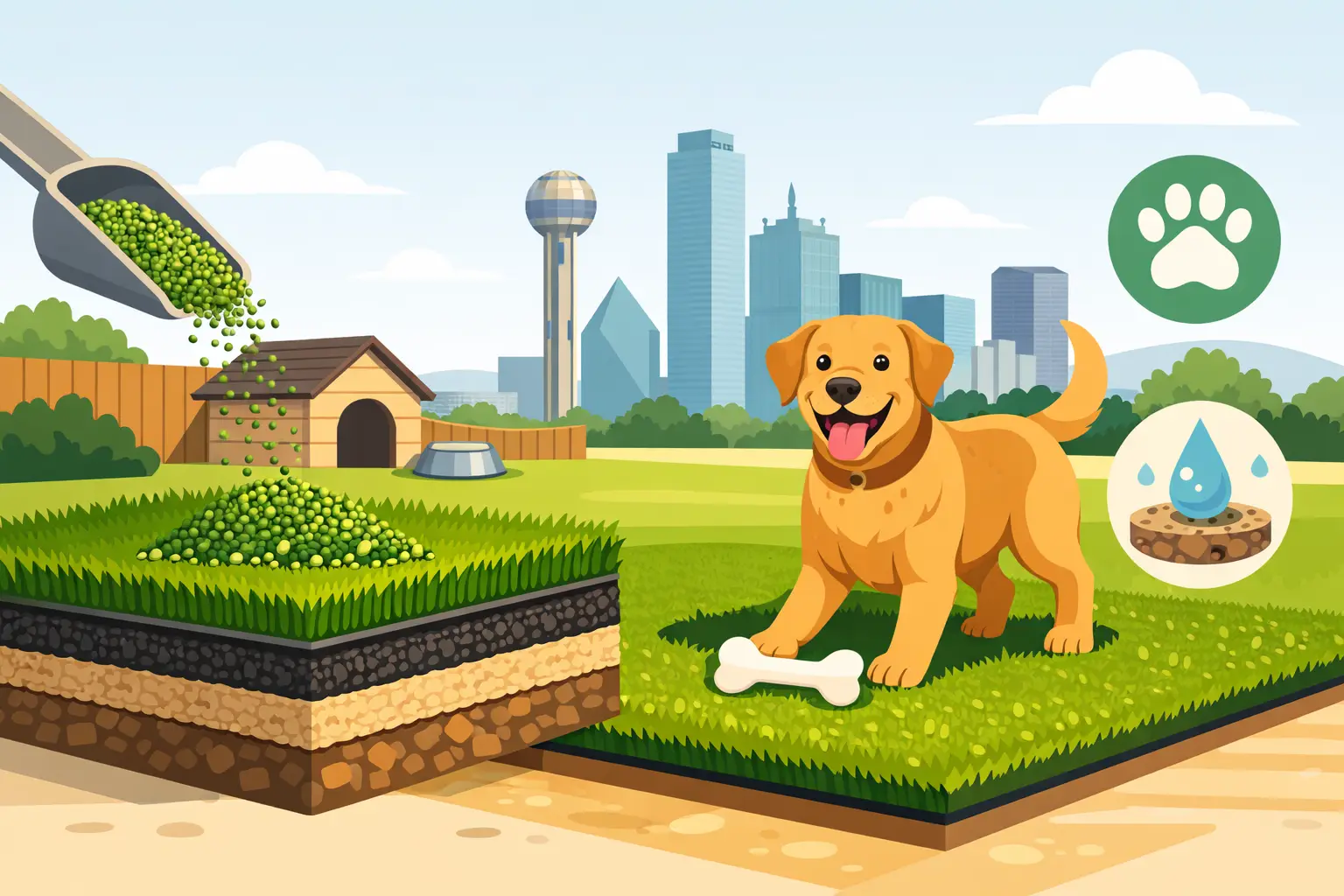
For families and pet owners, turf is especially practical. Kids can play on it, dogs can use it, and the yard still looks clean. It also works well around pools, side yards, and narrow spaces where natural grass rarely performs well. The trade-off is upfront installation cost, but many homeowners prefer paying once for a durable surface instead of pouring time and money into a lawn that never looks right.
2. Add a patio that takes pressure off the lawn
One of the smartest low-maintenance moves is giving people a place to gather that is not the grass. A flagstone patio, paver patio, or other hardscape surface instantly creates usable square footage and cuts down on wear in the yard.
This matters more than people think. Many backyards get damaged because all activity happens on the lawn – grilling, seating, games, foot traffic, and furniture. A solid patio keeps the yard more organized and easier to maintain. It also adds structure, which makes the whole backyard feel more finished even if the overall design stays simple.
3. Build clean walkways through high-traffic areas
If everyone cuts the same path from the back door to the gate, pool, or patio, that path will eventually turn into dirt or mud. Installing walkways in those traffic zones is a practical fix that saves the lawn and keeps the yard cleaner.
Stone walkways and paver paths are easy to maintain and make the yard feel intentional. They also help with drainage and usability during wet weather. This is one of those upgrades that does not seem flashy at first, but homeowners usually notice the difference right away.
4. Keep planting simple and climate-appropriate
Low-maintenance landscaping does not mean no plants at all. It means choosing plants that can handle Texas conditions without constant babying. That usually means using fewer plant varieties, grouping them in defined beds, and avoiding anything that needs excessive watering or nonstop trimming.
Simple planting layouts are easier to maintain than packed, complicated beds. A clean border with a few durable shrubs or ornamental accents often looks better than an overcrowded design that starts strong and then becomes hard to manage. If you like color, it is better to use it strategically than to build your whole backyard around plants that need constant replacement.
Hardscape usually does more work than people expect
Homeowners often focus on lawn first, but hardscape is what gives a low-maintenance backyard its backbone. Patios, stepping paths, retaining walls, edging, and seating areas reduce the amount of living material that needs constant care.
That does not mean you should pave over the whole yard. A backyard still needs balance. Too much hard surface can feel harsh and hot, especially in full sun. But when hardscape is placed in the right areas, it lowers maintenance and makes the entire yard more usable. It also holds up well over time when installed correctly with proper base work.
5. Use stone borders and edging to control sprawl
One reason yards start looking messy is that materials bleed into each other. Gravel drifts into beds, grass creeps into borders, and mulch spreads into the lawn. Defined edging helps keep every area where it belongs.
Stone or hard edging creates a clean visual line and reduces cleanup. It is a small detail, but it keeps the whole backyard looking tighter with less effort. This is especially helpful if you are combining turf with planting beds or hardscape features.
6. Install a backyard putting green for a usable focal point
For homeowners who want something more custom, a backyard putting green can be a strong low-maintenance centerpiece. It delivers year-round use, looks polished, and avoids the maintenance demands of natural grass in a specialty area.
This idea is not for every yard, and it works best when the homeowner will actually use it. But for golf enthusiasts or families who want an interactive feature, it can add both function and visual appeal without creating a maintenance burden.
Drainage is one of the most overlooked low-maintenance upgrades
A backyard cannot be low maintenance if it stays wet, floods near the patio, or collects standing water after a storm. Poor drainage leads to dead grass, muddy traffic areas, erosion, mosquitoes, and damage to outdoor surfaces.
7. Fix drainage before spending money on cosmetics
This is one of the best low maintenance backyard ideas because it protects every other improvement you make. If water is not moving correctly, even a great-looking installation will struggle over time.
The right drainage solution depends on the yard. Some properties need grading adjustments. Others need channel drains, French drains, or better runoff planning around patios and turf. The key is to solve the source of the problem instead of covering it up with new material and hoping for the best.
Less lawn, more usable zones
A low-maintenance backyard performs better when it is broken into practical zones instead of one large patch of grass. That might mean a turf play area, a patio for seating, a walkway to the side gate, and a planting bed along the fence line.
8. Design for how your family actually uses the space
This sounds obvious, but many yards are set up around appearance alone. A better plan is based on use. If your kids run in one area, reinforce it. If your dog destroys the side yard, upgrade that section. If the backyard is mainly for entertaining, prioritize surface space and circulation.
When each part of the yard has a purpose, there is less wasted space and less maintenance attached to it. That also makes future upkeep easier because every material is doing a job.
9. Add low-maintenance lighting for a finished look
Backyard lighting is not just about style. It improves safety, extends use into the evening, and makes the yard feel complete. Path lights, accent lighting, and patio lighting require very little day-to-day upkeep but make a big difference in how the space feels.
For homeowners investing in turf or hardscape, lighting helps those upgrades stand out after dark. It is one of the easiest ways to increase the value of the finished yard without adding another maintenance chore.
10. Choose quality installation over quick fixes
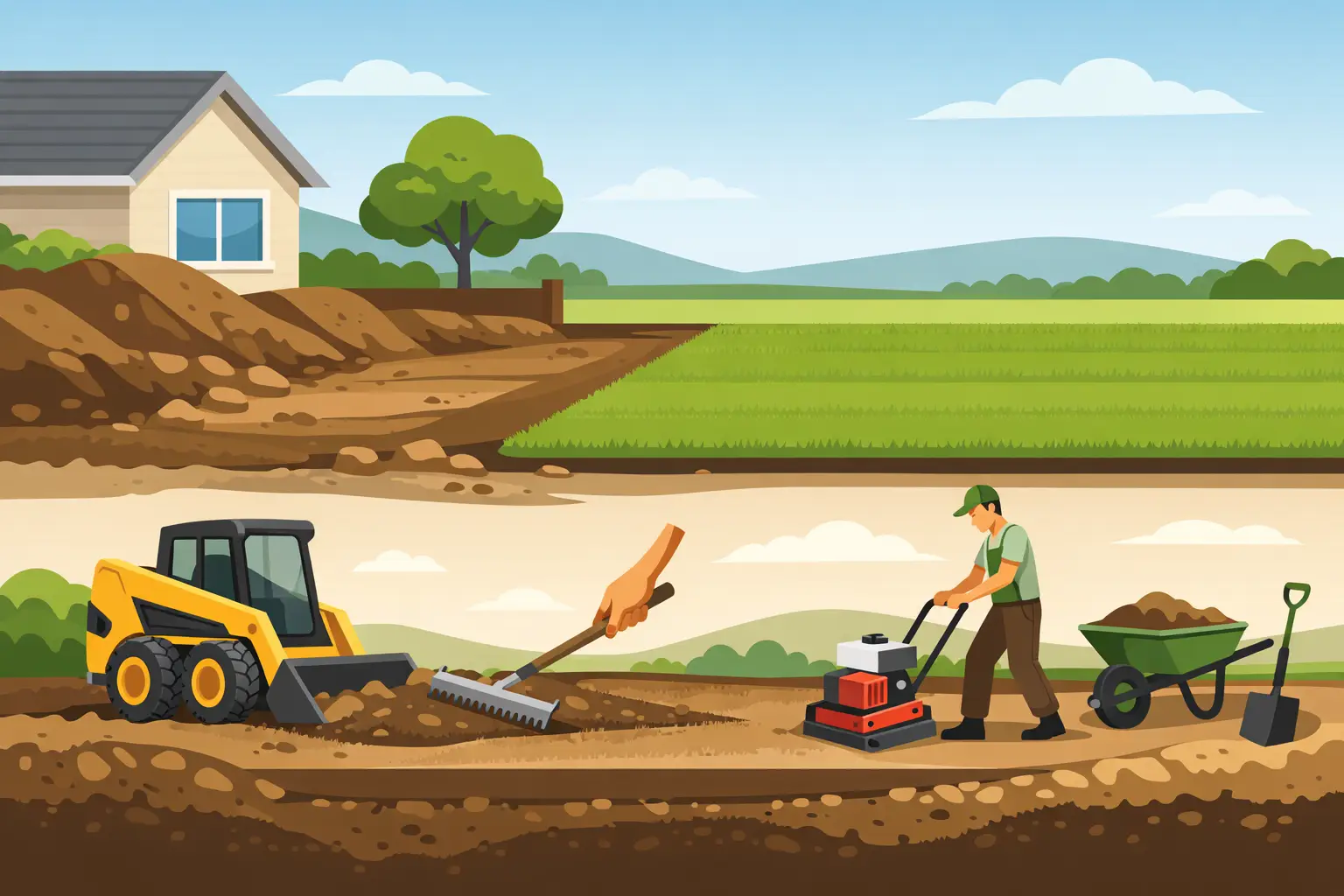
A lot of backyard maintenance problems start with poor installation. Turf that was not based correctly can settle. Patios can shift. Drainage can fail. Cheap work often looks affordable at first, but it usually costs more when it has to be corrected.
That is why the best long-term choice is working with installers who understand grading, drainage, surface prep, and material performance in North Texas conditions. Sod Green handles these kinds of backyard upgrades with a focus on clean workmanship, durable results, and practical designs that homeowners can actually live with.
The best low maintenance backyard ideas are the ones that solve your real problem
If your biggest issue is mowing and dead grass, turf may be the clear answer. If your yard gets destroyed by traffic, a patio and walkway may matter more. If water sits in the yard every time it rains, drainage should come first. There is no single formula that fits every property.
The right backyard plan should lower your workload, improve how the space looks, and hold up through real use. When those pieces come together, you stop spending weekends managing the yard and start enjoying it. That is the kind of upgrade worth making.


Leave A Comment