 Skip to content
A backyard should not turn into a mud pit every time your dog gets the zoomies. For Dallas homeowners, pet friendly backyard turf offers a clean, green surface that stands up to digging, running, rain, and long stretches of North Texas heat. The difference comes down to more than choosing artificial grass that looks good. The right turf system has to manage drainage, control odor, feel comfortable under paws, and stay firmly in place through daily use.
Why Dallas Pet Owners Choose Artificial Turf
Natural grass can be hard to maintain when dogs use the same small areas every day. Urine can leave yellow or brown spots, paws wear paths into bare dirt, and rain quickly turns those worn spots into mud. Add Dallas heat, watering restrictions, and a busy family schedule, and keeping a natural lawn looking presentable can become a weekly chore.
Artificial turf removes many of those frustrations. Dogs can run outside without tracking dirt across the patio and into the house. Homeowners do not have to mow around toys, reseed damaged areas, or worry that a dead patch will spread before guests come over. A properly installed turf yard also looks consistent year-round, whether it is August or January.
That does not mean every artificial grass product is right for pets. Basic landscape turf may look fine on day one but can hold odor, drain slowly, or flatten under active dogs. Pet areas need materials and installation methods chosen for the way animals actually use the space.
What Makes Pet Friendly Backyard Turf Different?
A pet-ready yard is a complete system, not just a roll of synthetic grass. The turf, infill, base material, edging, and drainage all work together. Skipping one of those details can lead to standing water, loose edges, or odors that are difficult to fix after installation.
Fast Drainage Comes First
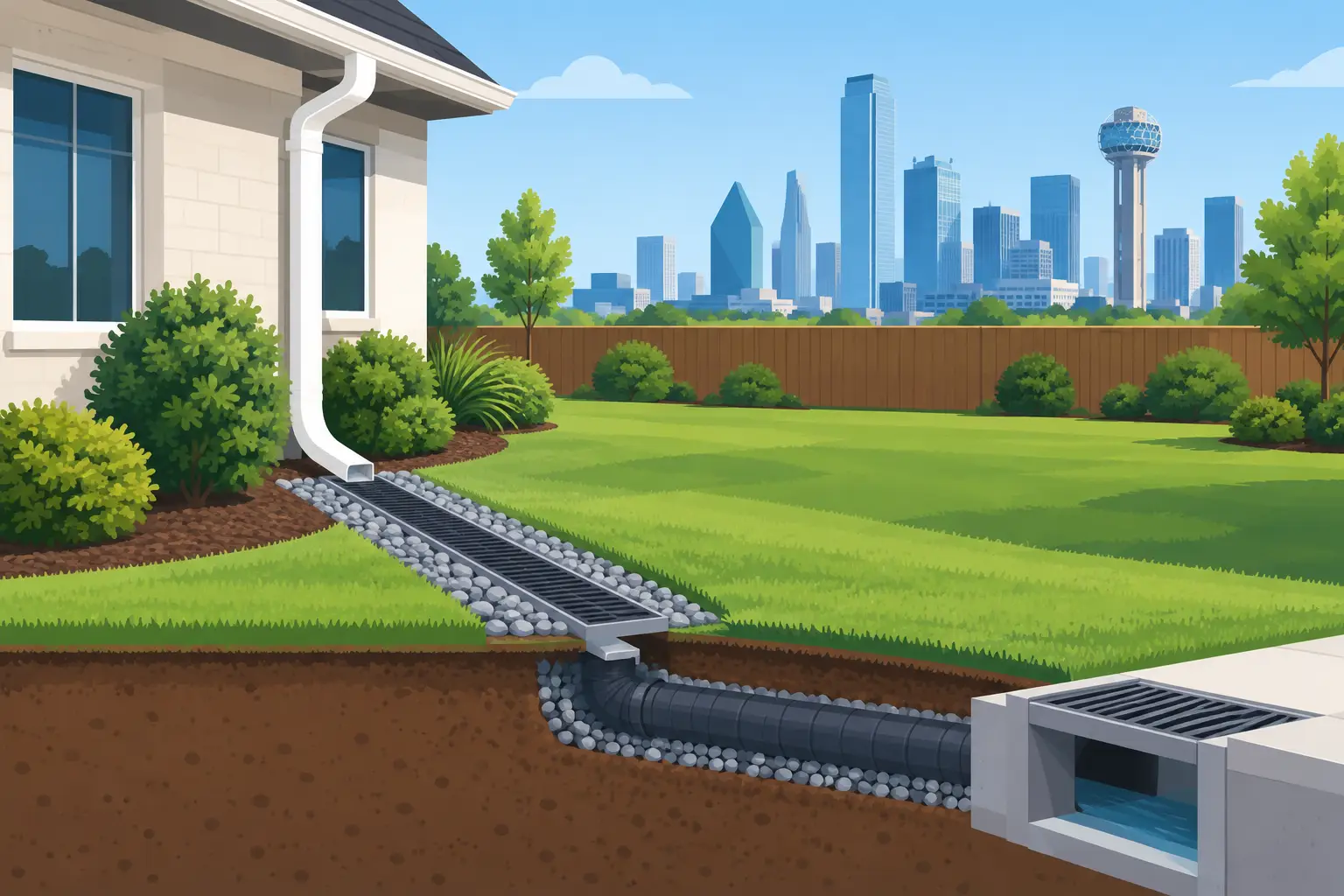
Dog urine and Texas rain need a direct path out of the turf. For pet applications, fully permeable backing is often the better choice because liquids can drain through the entire surface instead of only through small holes in the backing. Beneath the turf, a properly prepared aggregate base helps water move away rather than collect beneath the lawn.
Drainage needs vary by property. A flat backyard with clay-heavy Dallas soil may require more planning than a yard with a natural slope. Existing low spots, pool deck runoff, downspout discharge, and neighboring properties all affect where water goes. A qualified installer should inspect the grade before promising that a turf surface will solve a drainage problem on its own.
The Right Infill Helps Control Odor
Infill is the material brushed between turf fibers. It supports the blades, adds weight, and can make the surface feel more natural underfoot. In a pet yard, it also plays a major role in odor management.
Odor-control infill is designed to help reduce ammonia smells from urine. It is especially useful for homes with multiple dogs, smaller yards, or dogs that return to the same spot repeatedly. It is not a substitute for cleaning, but it provides another layer of protection that standard sand infill may not offer.
Some homeowners prefer less infill for a softer feel, while others need more support for high-traffic dog runs. There is no one-size-fits-all answer. The best recommendation depends on the turf style, the number and size of pets, and how the yard will be used by the rest of the family.
Durable Fibers Hold Up to Play
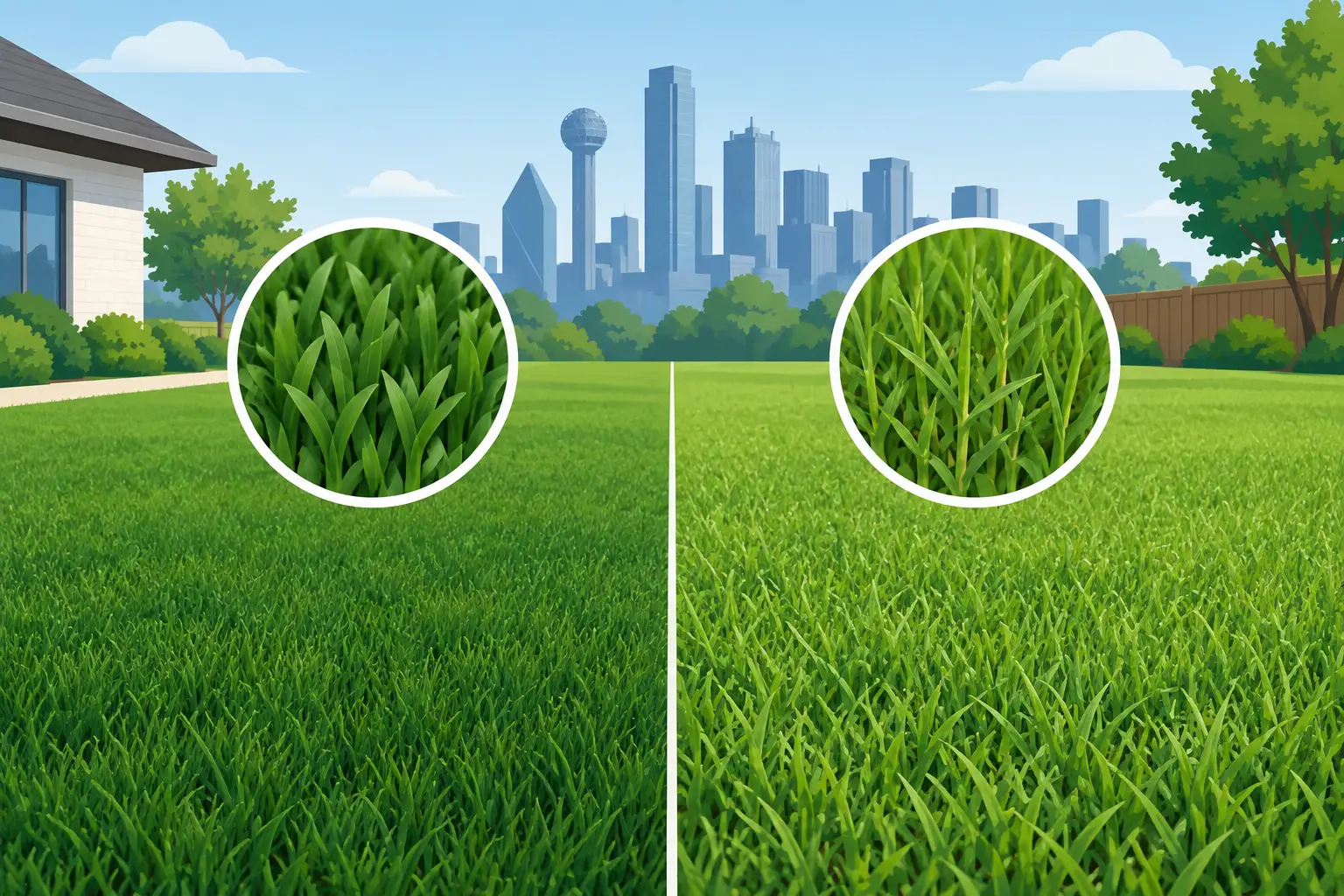
Dogs do not walk carefully across a lawn. They sprint, pivot, wrestle, and sometimes dig. Pet turf should have resilient fibers that can recover after repeated activity without looking crushed or worn down. A medium-height turf is often a practical choice because it provides a natural appearance while remaining easier to clean than very tall, dense grass.
Face weight matters too. In simple terms, a heavier turf product generally has more material packed into it, which can improve durability and appearance in active areas. Still, heavier is not automatically better. A very dense product may require more attention during cleaning, and a lower-pile turf may perform better in a dedicated dog run. Product selection should match the job, not just a showroom sample.
Secure Edges Prevent Lifting and Digging
Dogs are curious, especially around corners and fence lines. Proper edging and secure installation help prevent the turf from lifting where a dog may try to dig underneath it. This also protects the finished look of the yard and reduces trip hazards for people.
An experienced crew prepares the perimeter before the turf is cut and secured. Where needed, they can coordinate turf edges with pavers, flagstone, concrete borders, or landscape beds for a cleaner transition. This is one reason professional installation pays off: the details at the edges often determine how the project holds up over time.
How to Keep Turf Clean With Dogs
Artificial grass is low maintenance, not no maintenance. A few regular habits keep a pet yard fresh and ready for use.
Solid waste should be picked up as soon as practical, just as it would be on natural grass. For urine, occasional rinsing with a hose helps flush the surface, particularly during hot, dry weather. Homes with one small dog may need only a light rinse from time to time, while households with several large dogs may benefit from more frequent cleaning.
Use an artificial turf cleaner made for pet areas when odors begin to build. These products are generally designed to break down odor-causing bacteria without damaging the turf. Avoid harsh chemicals, bleach, or products that could be unsafe for pets or affect the turf backing.
Brushing is also useful in high-traffic sections. A stiff, nonmetal broom can lift turf fibers and redistribute infill after heavy use. If your dog has a favorite path from the back door to the fence, give that area extra attention. Small maintenance steps are far easier than waiting until the turf looks flat or starts holding odors.
Planning a Turf Yard That Works for the Whole Family
The best pet yard does not have to look like a kennel run. Many Dallas homeowners want a space where dogs can play, children can sit on the ground, and adults can enjoy the patio without staring at worn grass. Planning zones makes that possible.
Consider where your dog naturally runs, rests, and uses the bathroom. A sunny open area may be perfect for play, while a shaded side yard may become the preferred relief area. Designating a specific potty zone can make cleaning easier and keep the main lawn area fresher. Some homeowners choose a different turf style or a small decorative gravel section for this purpose, depending on their dog’s habits.
Think about heat as well. Turf can become warm in direct Texas sun, especially on exposed south- and west-facing yards. Quality turf products, shade from trees or pergolas, and access to water all help make the space more comfortable. On the hottest afternoons, dogs should still have a shaded place to rest. Artificial turf is durable, but pet comfort should always guide the design.
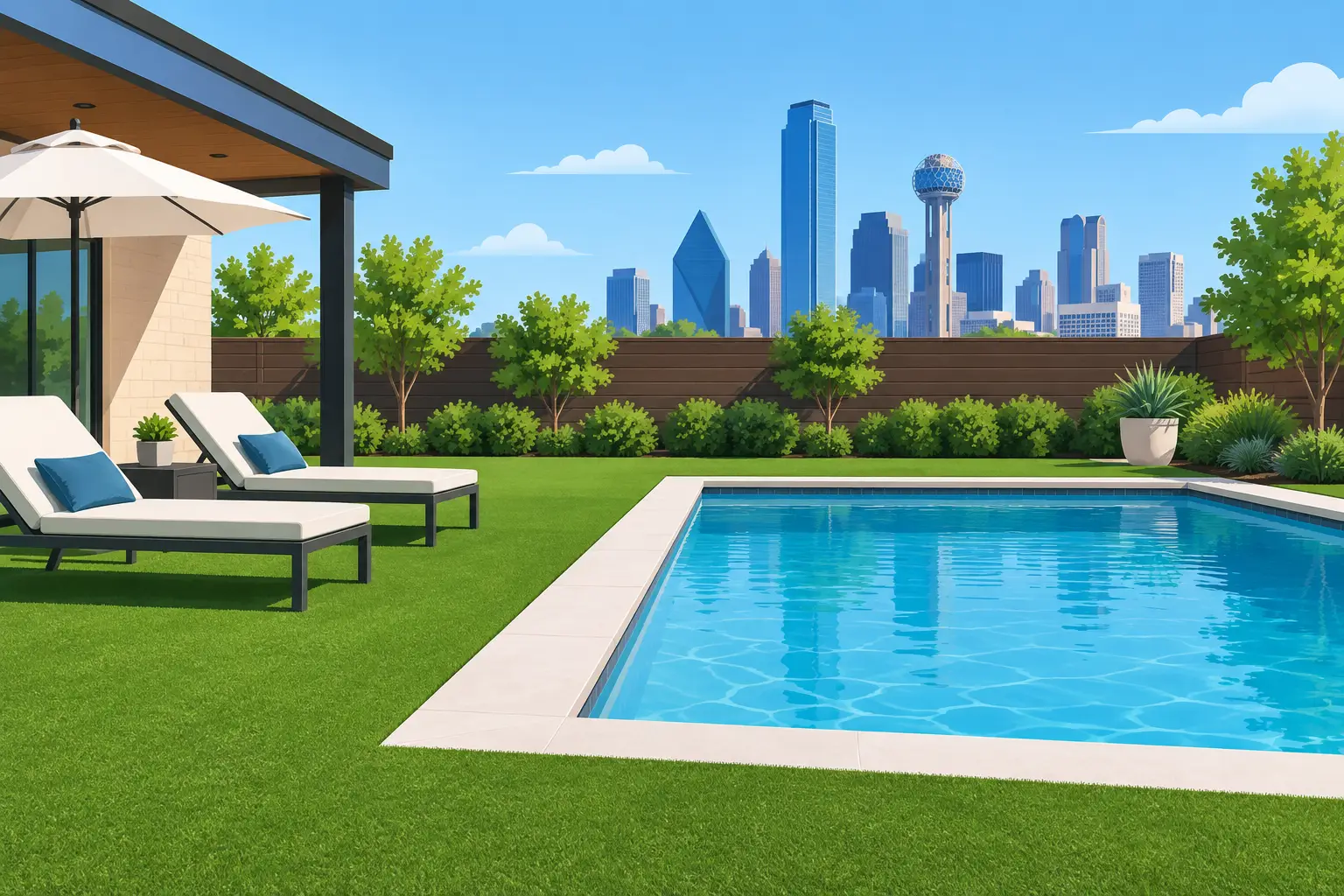
If your project includes a pool, patio, putting green, or new hardscape, the installation sequence matters. Turf should be planned with drainage lines, concrete elevations, gates, and outdoor living features in mind. Completing the work as one coordinated project can avoid unnecessary cuts, uneven transitions, and rework later.
Professional Installation Makes the Difference
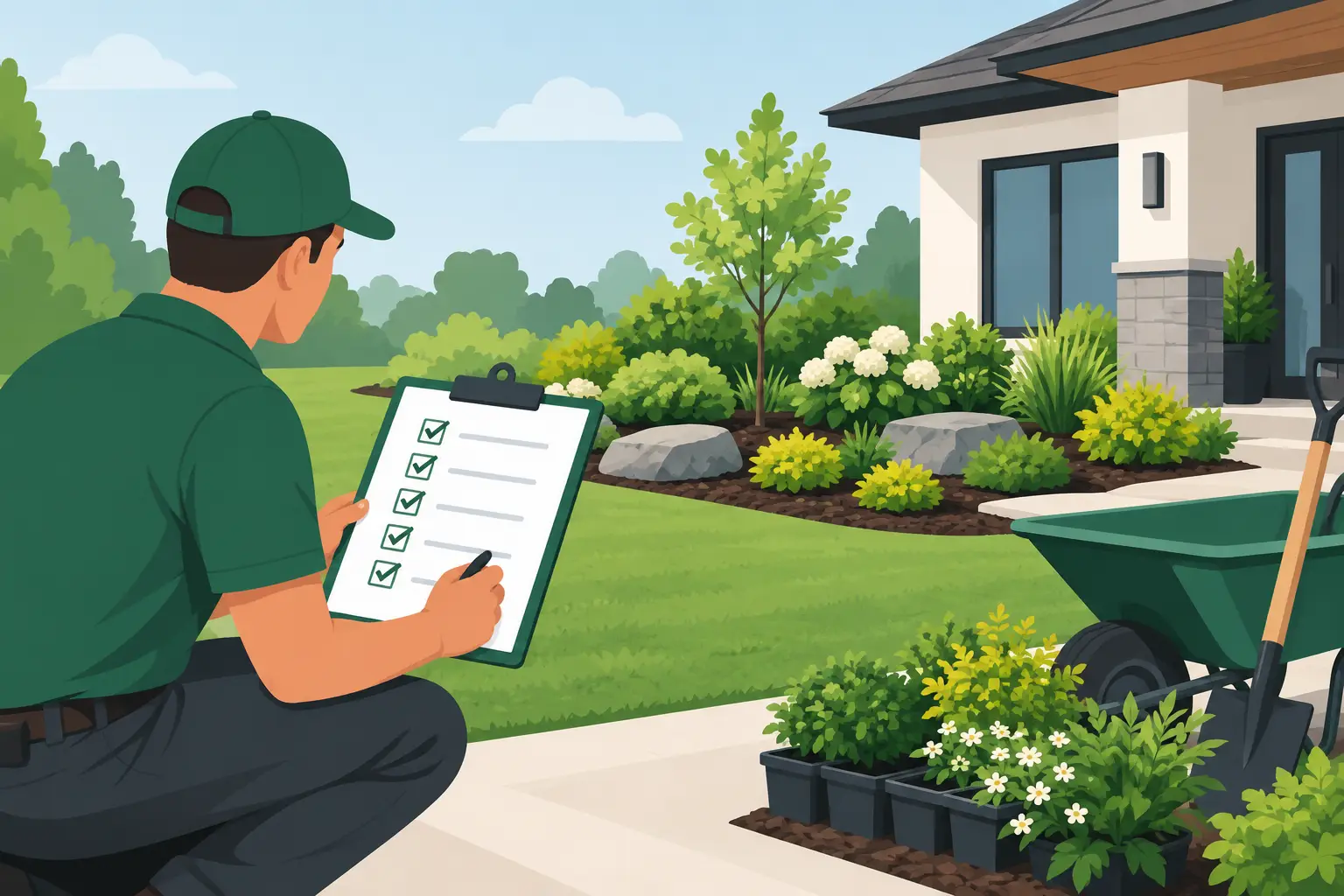
A turf project can look simple from the surface, but long-term performance depends on what is underneath. Old grass and debris need to be removed. The base must be shaped, compacted, and graded correctly. Seams should be tight, and the finished turf needs to be secured without visible wrinkles or loose edges.
For homes with pets, these steps are even more important. Poor base preparation can lead to soft spots and drainage issues. Inadequate odor-control planning can leave a backyard smelling unpleasant even when it looks clean. A professional installer can assess the property, recommend a pet-appropriate system, and build the surface around the way your family uses the yard.
Sod Green helps Dallas-Fort Worth homeowners create durable outdoor spaces with expert turf installation, drainage planning, and clean job-site standards. Whether the goal is a compact dog run or a complete backyard transformation, the right crew can help you avoid shortcuts that become expensive later.
Before choosing a turf product, spend a few minutes watching how your dog uses the yard. Those daily habits – the running route, the digging corner, the favorite sunny spot – are the best starting point for a backyard that stays clean, looks sharp, and gives every member of the household room to enjoy it.


Leave A Comment