
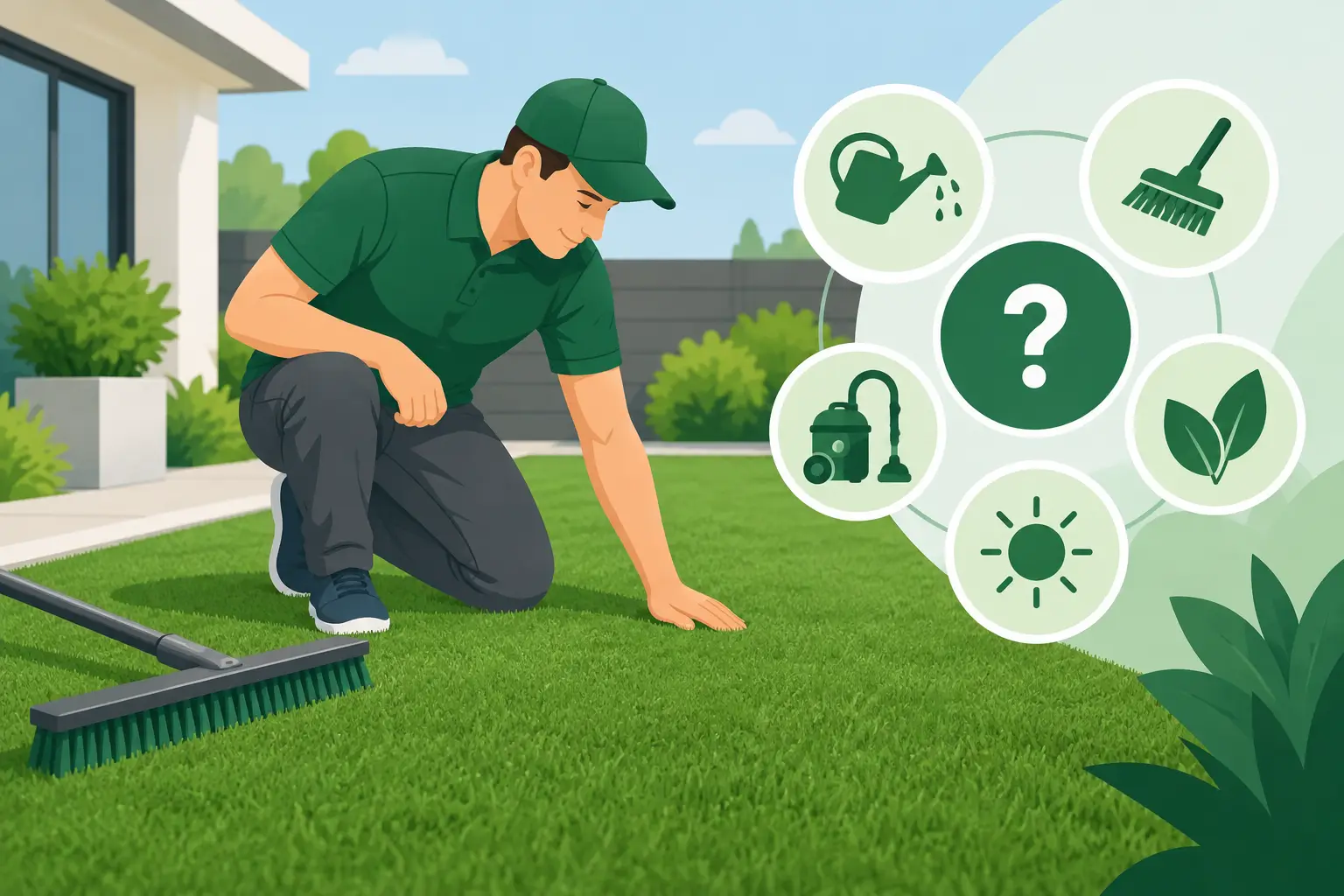
A lot of homeowners ask the same question after getting tired of bare spots, muddy paws, and weekends lost to yard work: is it hard to install artificial grass? The honest answer is yes – it can be. Not because rolling out turf is complicated on paper, but because a great-looking, long-lasting result depends on what happens underneath it.
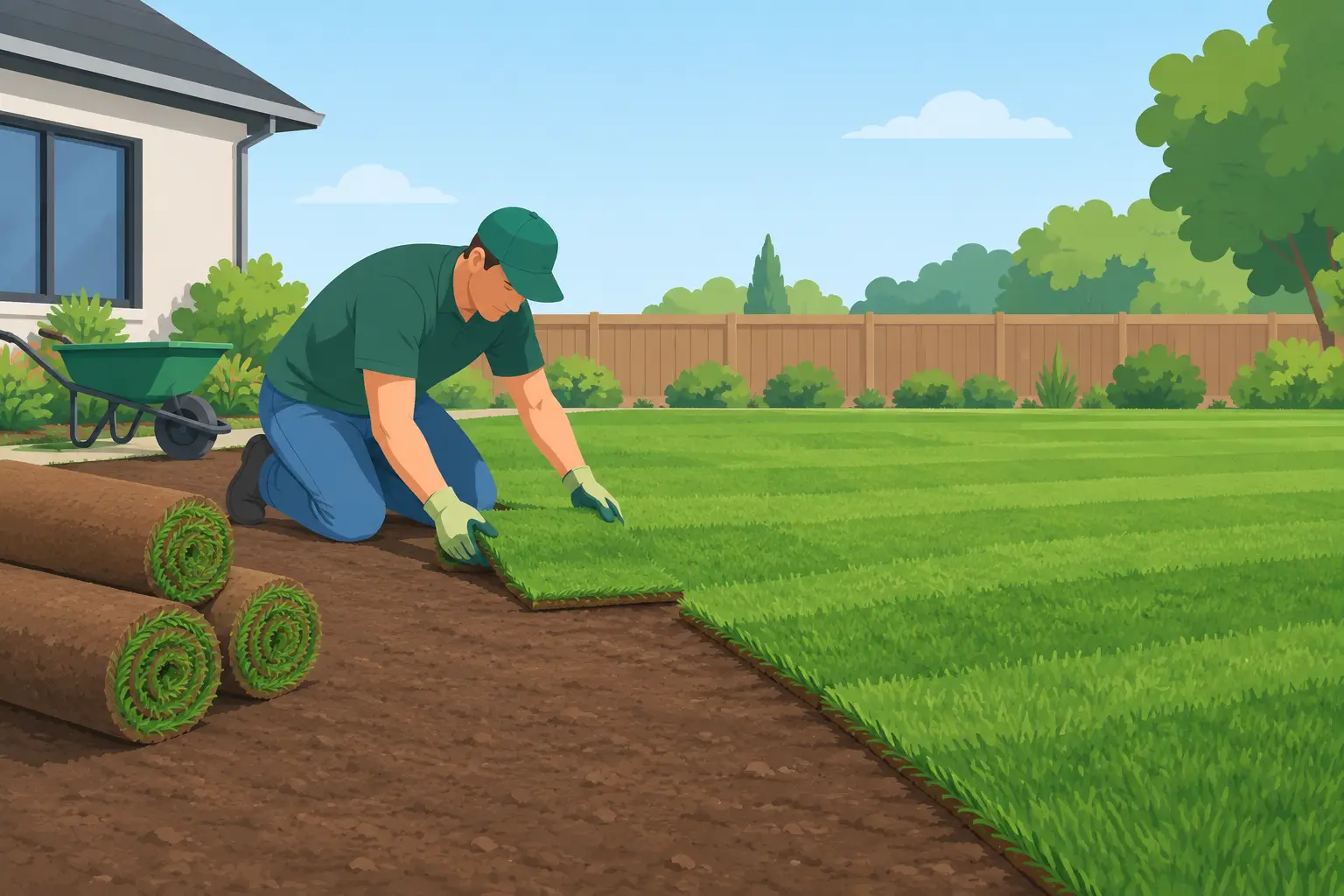
Artificial grass installation is one of those projects that looks simple from the street. You remove the old lawn, put down a base, roll out the turf, secure it, and brush it up. That sounds manageable until you hit real-world issues like uneven grades, soft soil, drainage problems, seams that show, edges that lift, or low spots that collect water after the first rain.
Is It Hard to Install Artificial Grass or Just Time-Consuming?
Usually, it is both. A small, flat area with easy access is much more forgiving than a large backyard with curves, trees, irrigation lines, pets, or drainage concerns. Homeowners often underestimate how physical the work is and how much precision it takes to make artificial turf look natural instead of obviously installed.
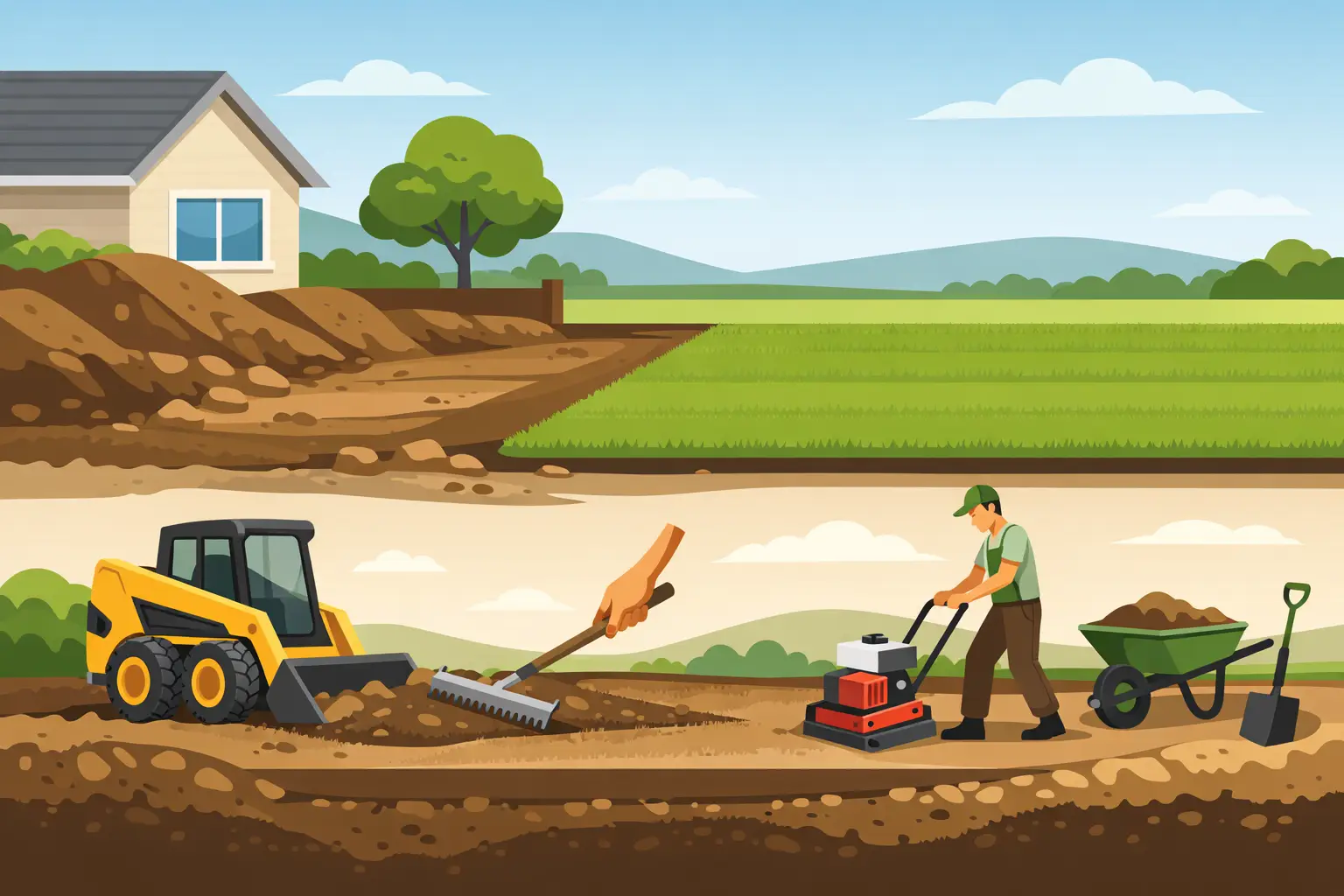
The hard part is not laying down the grass itself. The hard part is excavation, base prep, grading, compaction, and finishing details. If those are done right, the turf performs well and looks clean. If they are rushed, even premium turf can end up looking uneven, loose, or worn out much faster than it should.
That is why some DIY installs turn out decent, while others become expensive do-overs. The difference is almost always in the groundwork.
What Makes Artificial Grass Installation Difficult
The first challenge is removing the existing surface properly. Natural grass, weeds, roots, and old sod all need to come out. In some yards, that is straightforward. In others, the soil is packed hard, the grade is off, or there are sprinkler lines and tree roots in the way.
Next comes building the base. This is where many problems start. Artificial grass needs a stable, compacted foundation so it does not wrinkle, shift, or develop dips over time. The base also helps with drainage. If the wrong material is used, or if it is not compacted evenly, the finished lawn may look good for a few weeks and then start showing flaws.
Cutting and fitting the turf is another spot where experience matters. Straight lines, curves around beds, edges near patios, and seams between turf sections all need to be handled carefully. A bad seam can stand out from across the yard. Misaligned grain direction can make one section look darker than another. Poor edge work can make the whole project look unfinished.
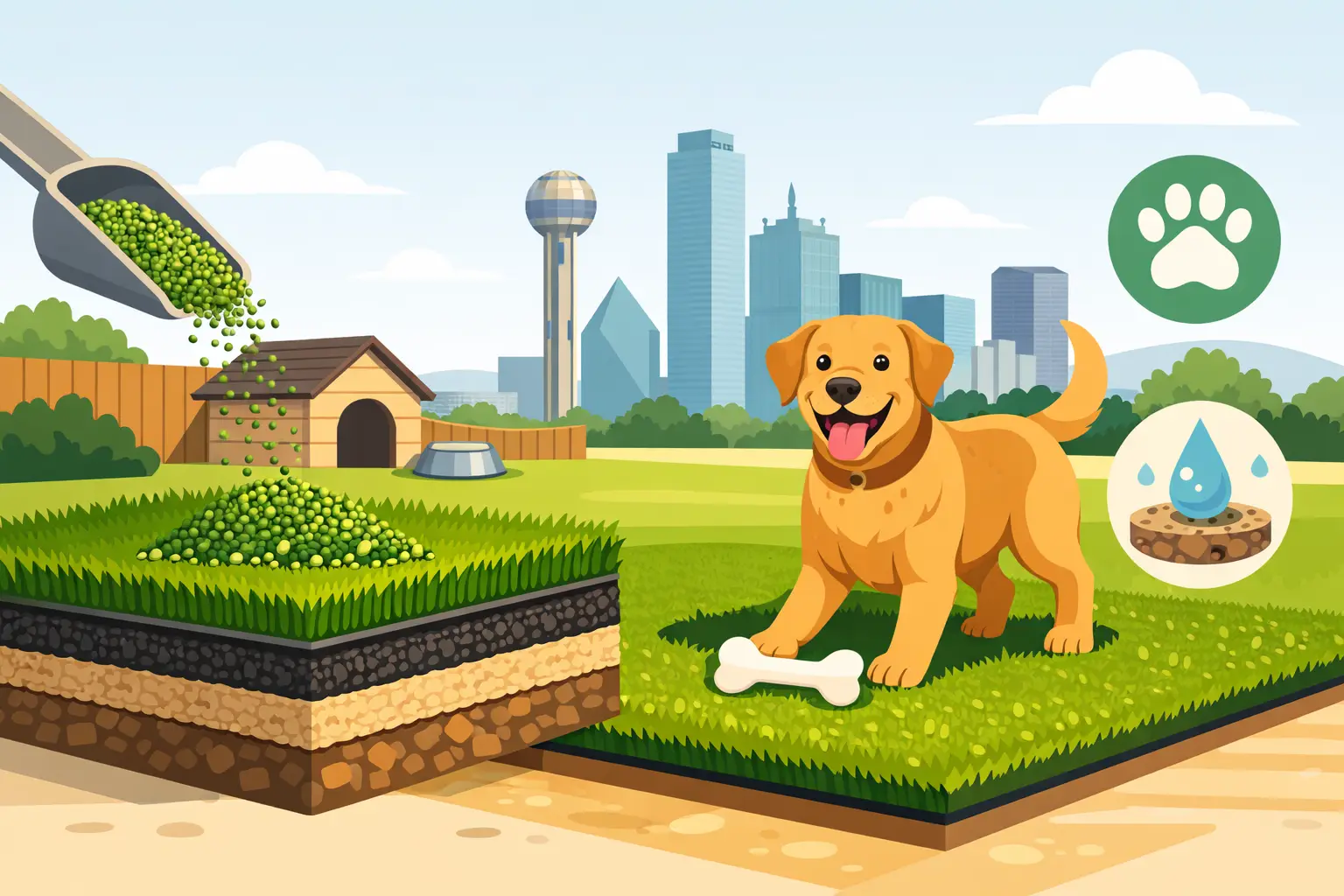
Then there is infill and final grooming. Different turf products call for different finishing approaches depending on the application. A pet area, family lawn, and backyard putting green are not all installed exactly the same way. The right finish affects drainage, appearance, stability, and how the turf feels underfoot.
The Part Most Homeowners Do Not See
When people ask if it is hard to install artificial grass, they are often thinking about the visible surface. Contractors think about the subgrade. That is where the job is won or lost.
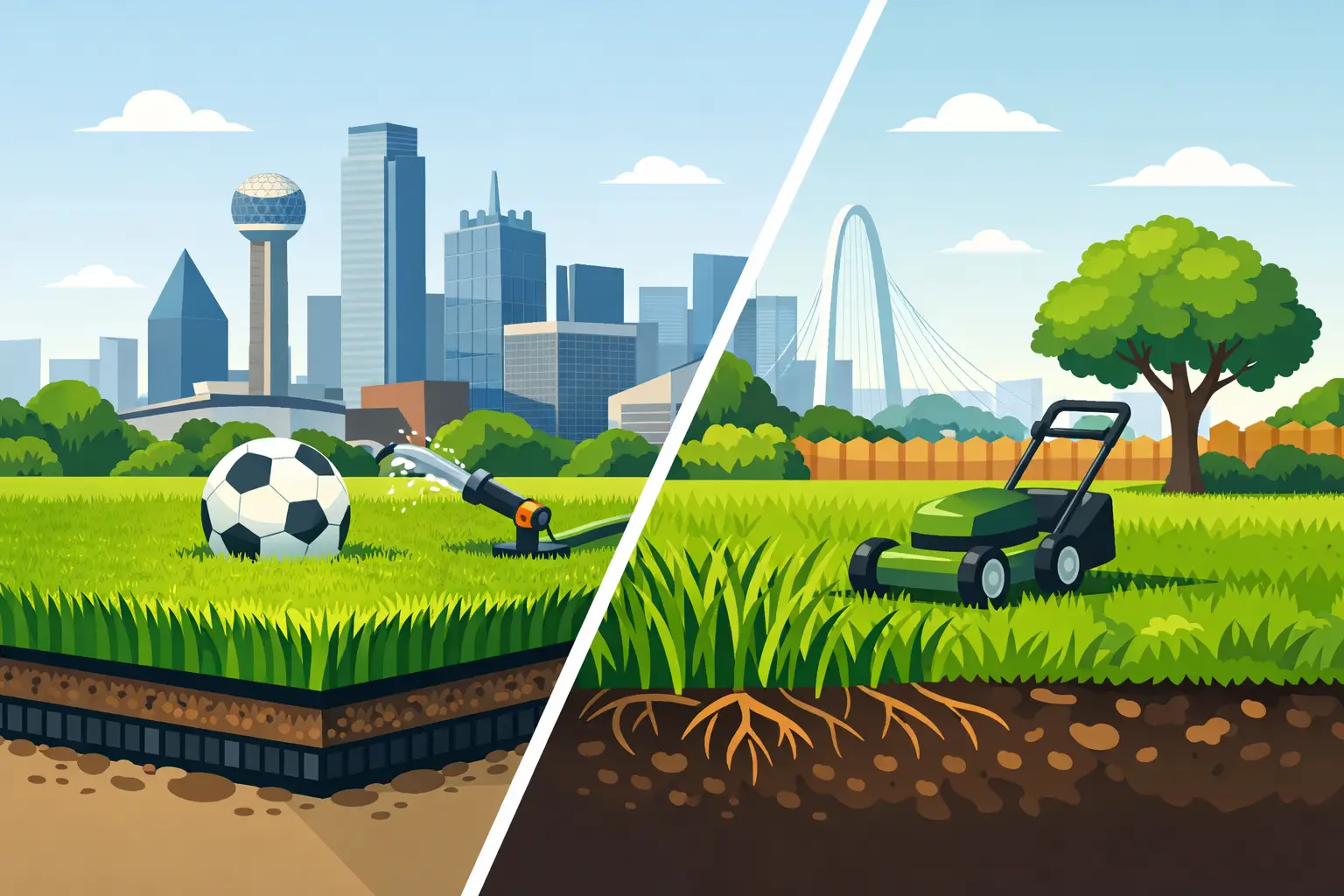
A properly prepared sub-base helps the turf stay level, drain well, and hold up through weather, foot traffic, pets, and daily use. In Texas, where heat, heavy rain, and shifting soil can all be factors, the prep work matters even more. A yard that looks flat on a sunny day can still have hidden drainage issues that show up later.
That is one reason professional installations tend to last better. You are not just paying for labor. You are paying for trained eyes that know where water is going to move, where a base needs more attention, and how to avoid shortcuts that create callbacks.
Can a Homeowner Install Artificial Grass Successfully?
Yes, some can. If you are handy, have the right tools, and are working with a simple space, a DIY installation is possible. Smaller side yards, narrow dog runs, or basic rectangular sections are easier than large backyards with multiple contours and transitions.
Still, possible does not always mean practical. Artificial grass rolls are heavy. Excavation is labor-intensive. Base materials need to be hauled, spread, wetted, compacted, and checked for level. You may also need to handle weed barrier, nails or staples, seam tape, adhesive, edging, and infill. That is before you factor in cleanup and hauling away debris.
For many homeowners, the bigger issue is not whether they can do it. It is whether they want to spend several days doing hard physical work and still risk a result that may not look professional.
When DIY Makes Sense and When It Does Not
DIY makes the most sense when the area is small, access is easy, drainage is already good, and your expectations are realistic. If the goal is a simple utility area and not a showcase lawn, there is more room for minor imperfections.
It makes less sense when curb appeal matters, the yard has slope issues, there are visible focal points near a pool or patio, or the space needs to perform well for kids and pets. In those cases, details matter more. Uneven turf, bad seams, and weak edges are harder to ignore when the lawn is front and center.
If your project also involves pavers, stone borders, retaining walls, drainage correction, or blending turf into a larger landscape plan, bringing in a specialist is usually the smarter move. Those jobs require coordination, not guesswork.
Why Professional Installation Often Pays Off
A professional crew brings speed, equipment, and process. That matters because artificial grass is not just a product purchase. It is a finished surface system. Every layer underneath affects the final result.
A good installer knows how deep to excavate for the conditions on site, how to create a base that compacts properly, how to shape for drainage, and how to hide seams so the lawn looks clean from every angle. They also know how to keep the job site organized and get the work done without dragging the project out for a week.
For homeowners in Dallas-Fort Worth, hiring a company that works with turf and outdoor surfaces every day can save time, frustration, and repair costs later. Sod Green, for example, handles turf as part of a broader outdoor upgrade process, which matters when your lawn project also touches drainage, hardscape, or overall yard layout.
Common Mistakes That Make Artificial Grass Look Bad
The most common problem is poor base preparation. If the base is too soft or uneven, the turf will telegraph those flaws. You may notice lumps, waves, or sinking spots after a short time.
Another issue is bad seam work. Turf should look like one consistent surface, not several pieces joined together. Seams that gap, overlap, or show a change in blade direction can make even expensive material look cheap.
Edge fastening is another weak point. If the perimeter is not secured correctly, corners and borders can lift. That not only looks rough, but can also become a tripping hazard.
Drainage mistakes are costly too. Artificial turf should not trap water on the surface. If the grade is wrong or the base does not drain well, puddles can show up fast.
So, Is It Hard to Install Artificial Grass?
If you want it to simply cover the ground, it is manageable. If you want it to look sharp, drain correctly, stay put, and hold up for years, then yes, installing artificial grass is hard enough that experience matters.
That does not mean every homeowner should avoid DIY. It means you should be realistic about what makes a turf project successful. The product on top gets the attention, but the prep work underneath does the heavy lifting.
A well-installed artificial lawn should feel like a finished upgrade to your home, not a project you keep noticing for the wrong reasons. If you want a yard that looks clean on day one and still looks right later, the best move is to treat installation as the main investment, not the easy part.
If you are weighing whether to tackle it yourself or hire it out, start with the condition of your yard, the visibility of the space, and how much room you have for mistakes. That usually tells you the answer faster than any instruction sheet will.

Leave A Comment