 Skip to content
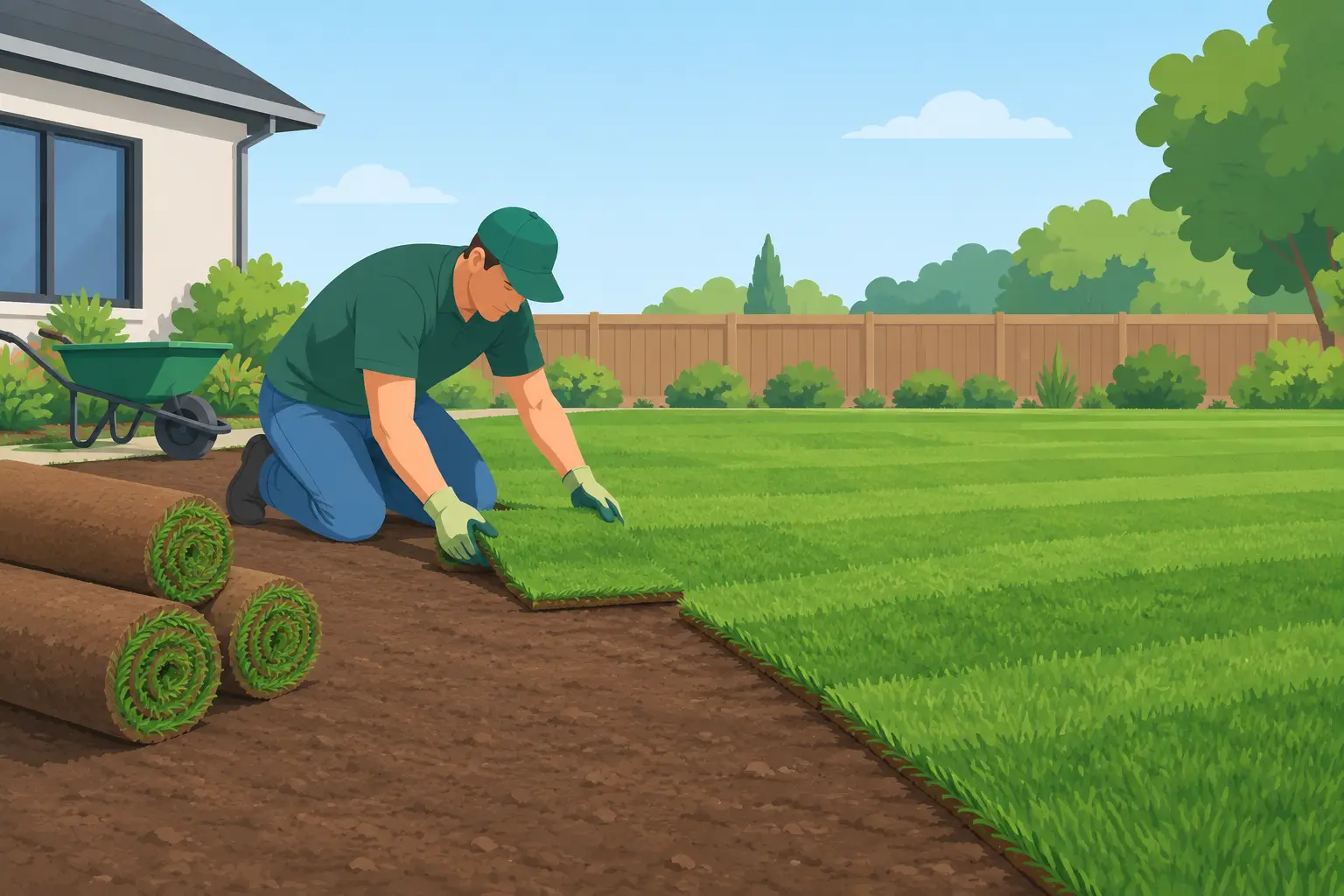
If you want your new turf to look clean, drain right, and hold up for years, the prep work matters just as much as the grass itself. Homeowners searching for how to prepare for artificial grass installation are usually focused on the finished look, but the real success of the project starts before the first roll of turf is ever laid down.
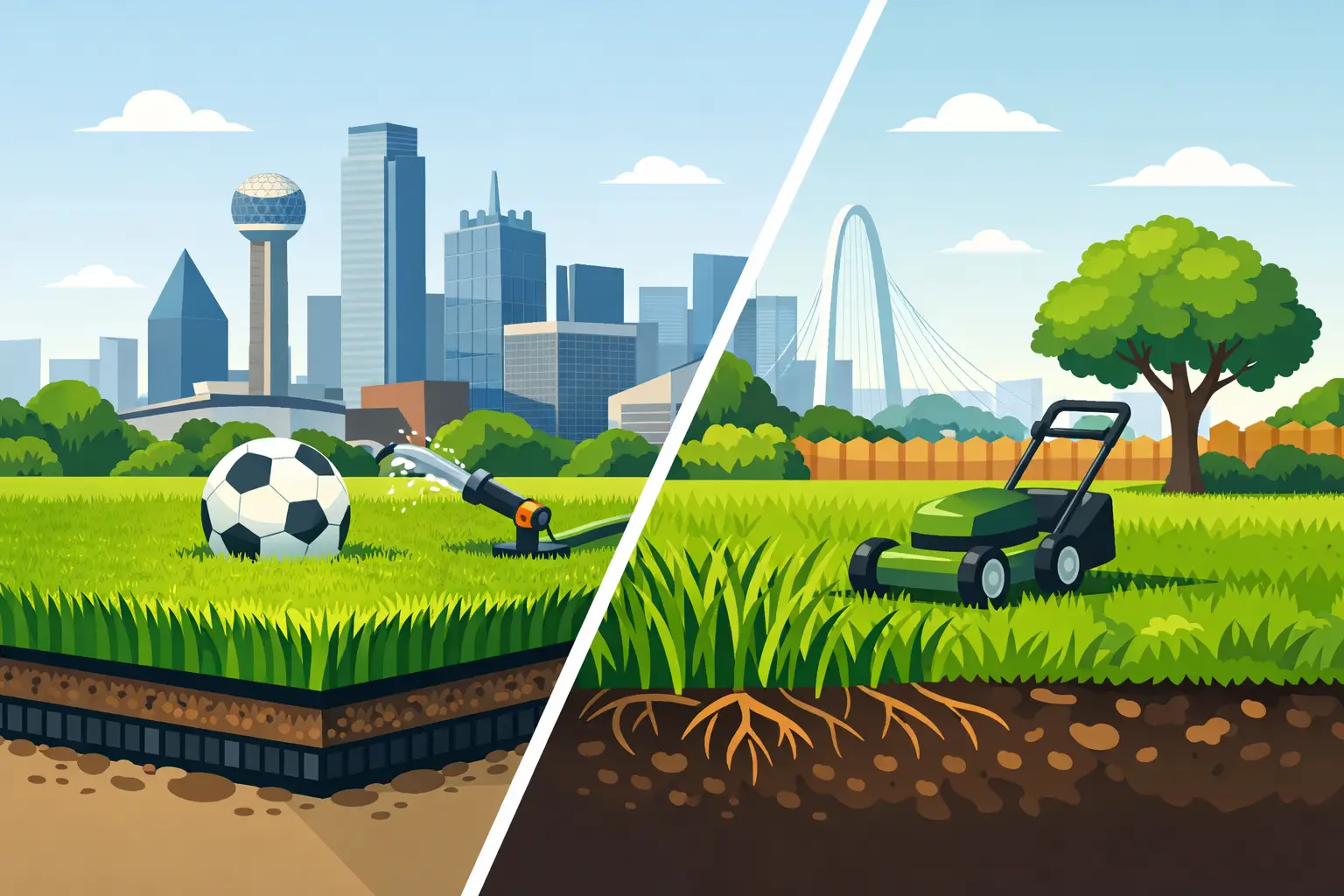
Artificial grass can completely change a yard. It gives you a green, finished lawn without the constant mowing, watering, mud, and patch repairs that come with natural grass in North Texas. But a great result does not happen by accident. Proper preparation protects your investment and helps avoid common problems like uneven spots, poor drainage, wrinkling, and edge separation later on.
How to prepare for artificial grass installation the right way
The first step is getting clear on what you want the space to do. A front yard built for curb appeal is different from a backyard meant for kids, dogs, or a putting green. Traffic level, sun exposure, slope, nearby hardscapes, and drainage all affect how the area should be prepared.
That is why the planning stage should be practical, not rushed. Measure the area, think about how you use it now, and decide what problems you are trying to solve. Maybe your lawn stays muddy after every storm. Maybe grass will not grow under heavy shade. Maybe you are tired of brown spots and wasted weekends. Those details help shape the installation approach.
If your project includes more than turf, such as edging, pavers, drainage improvements, or a patio connection, it is smart to address everything up front. Combining those upgrades during one project usually creates a cleaner finish and avoids tearing into the yard twice.
Start with a clear, accessible work area
Before installation day, clear the space as much as possible. Outdoor furniture, planters, toys, garden décor, hoses, and movable fixtures should be out of the way. If the crew has to work around scattered items, the job slows down and the surface prep can become less efficient.
You should also think about access. Artificial grass installation involves hauling out old material and bringing in base materials, tools, and turf rolls. Narrow gates, locked side yards, parked vehicles, or crowded paths can create delays. In some cases, limited access changes labor needs and may affect the timeline.
Pets and children should be kept away from the work zone once the project starts. There will be excavation, compacting equipment, sharp tools, and loose materials on site. A safe, open work area helps the crew stay efficient and keeps the process cleaner for everyone.
Remove existing grass and address the soil below
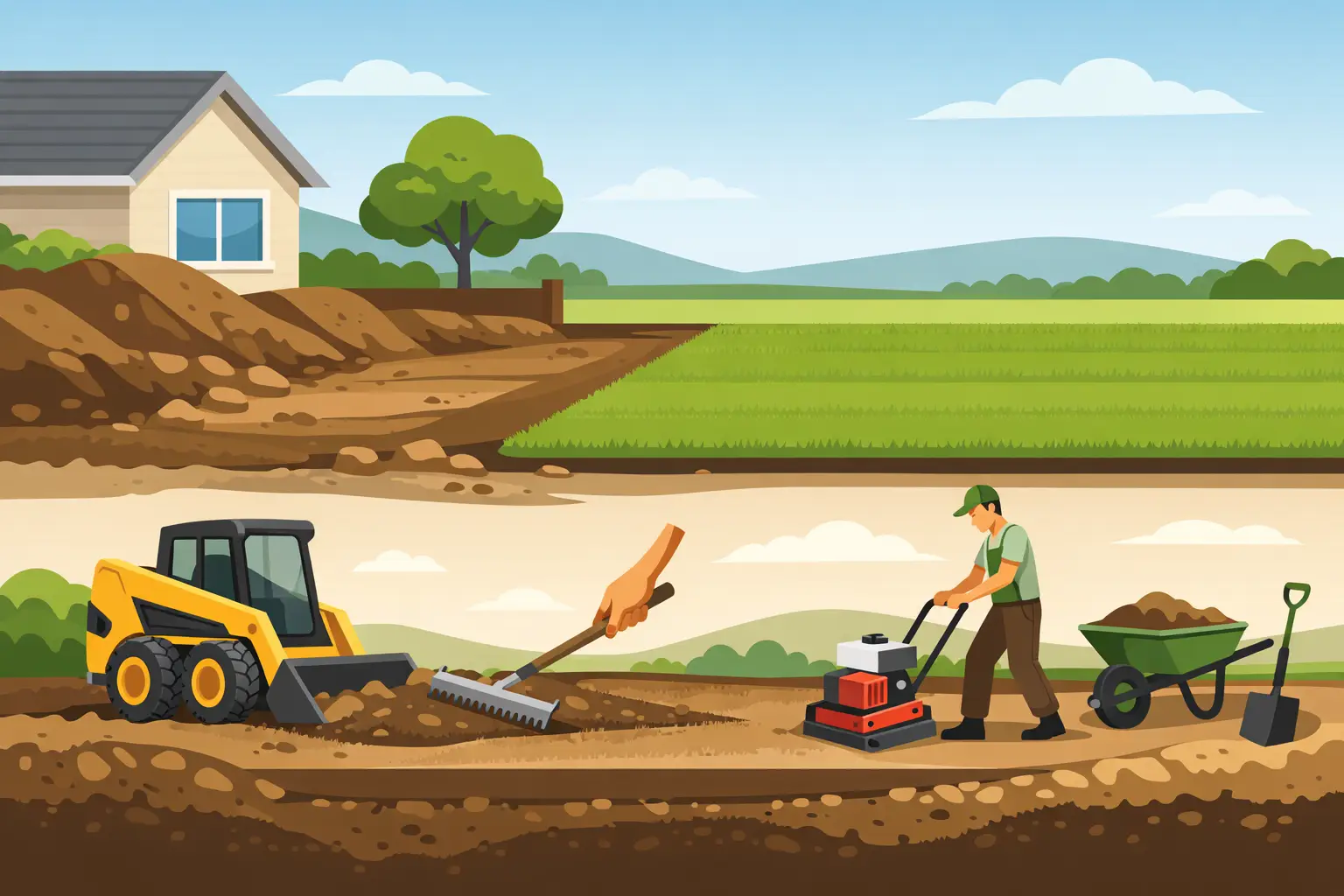
One of the biggest mistakes in turf projects is assuming artificial grass can simply go over existing lawn with minimal prep. In reality, the old grass, weeds, roots, and organic material need to be removed. If they are left behind, the ground can settle unevenly over time.
The goal is to create a stable foundation, not just cover a problem. That usually means cutting out existing sod and excavating to the proper depth so the base layer can be installed correctly. The exact depth depends on the site, the soil conditions, and the intended use of the space. A pet area, a decorative side yard, and a putting green may all require different preparation standards.
In North Texas, clay-heavy soil can add another layer of complexity. Clay expands and contracts with moisture changes, which is one reason sub-base preparation is so important. If the surface below is not handled correctly, you may end up with dips, shifting, or drainage trouble after installation.
Check drainage before turf goes in
Drainage is one of the most overlooked parts of how to prepare for artificial grass installation, and it is one of the most important. If water already sits in the yard, artificial grass alone will not magically fix that issue. The drainage problem needs to be identified and addressed during prep.
Walk the area after a heavy rain if you can. Notice where water collects, how it moves, and whether it runs toward the house, fence line, patio, or pool deck. Low spots and grading problems should be corrected before the base is installed.
Some properties only need minor slope adjustments. Others benefit from added drainage solutions, especially in yards with runoff issues or compacted soil. The right answer depends on the site. What matters is making sure water has a path to move out instead of getting trapped under or around the turf system.
A professional installer should look at this early, not after the surface is already down. That is especially true if you are replacing grass in an area that has always been messy, soggy, or difficult to maintain.
Build a strong base for a better finish
The base is what gives artificial grass its long-term performance. A smooth-looking turf lawn is not just about the product on top. It comes from what is underneath.
After excavation, the area needs a compacted aggregate base that creates stability and promotes drainage. The base should be spread evenly, graded carefully, and compacted in lifts so the finished surface does not feel soft or uneven. If this stage is rushed, the flaws often show up later when the lawn starts settling or developing low spots.
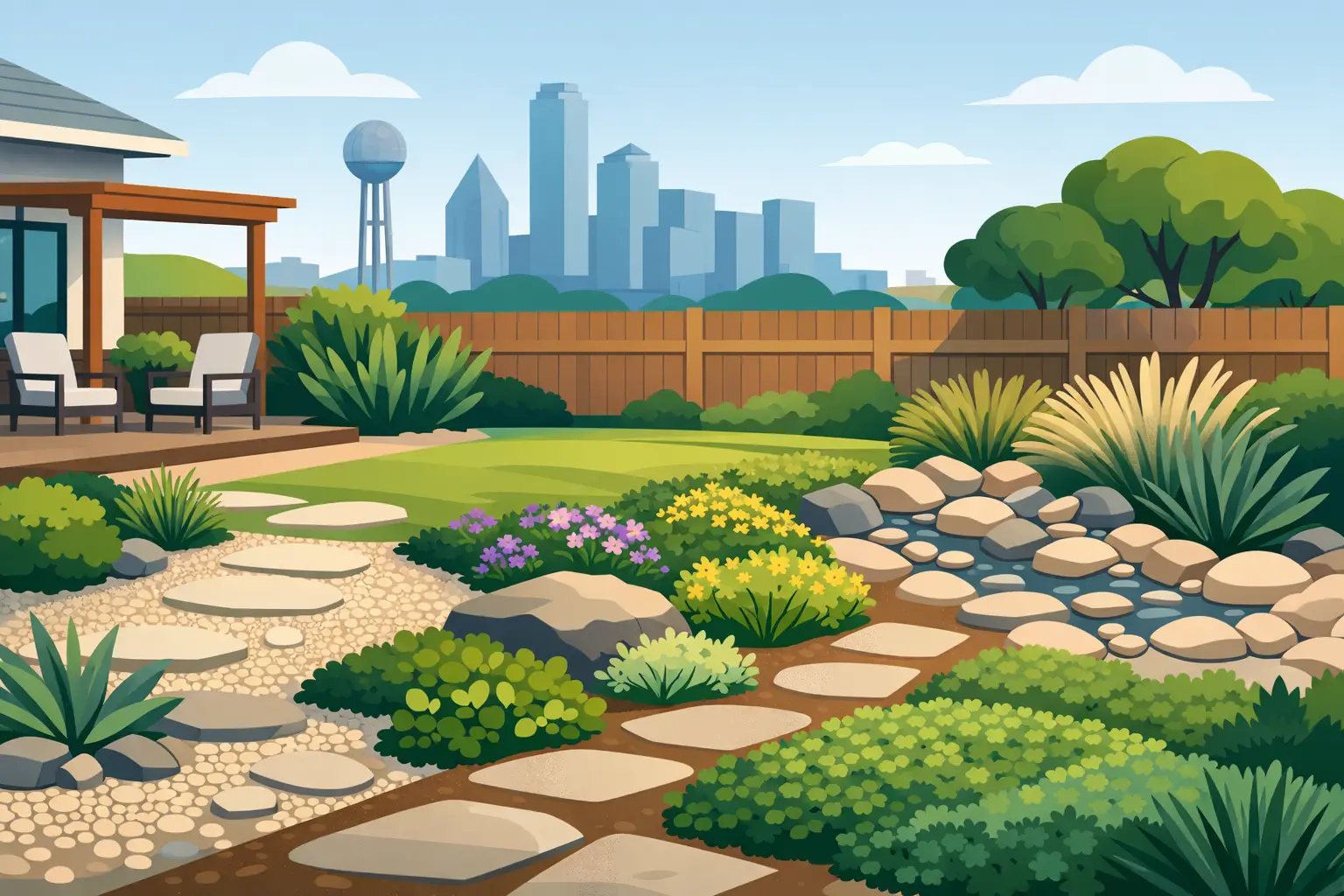
This is also where clean edges matter. Borders, bender board, hardscape transitions, and perimeter fastening all depend on solid prep. Whether the turf meets a flower bed, sidewalk, pool coping, or stone path, those transitions should be planned before installation begins. Good prep makes the final result look intentional, not patched together.
Plan for sprinklers, utilities, and obstacles
Many homeowners forget that their yard includes more than grass. Sprinkler heads, valve boxes, drains, utility covers, tree roots, AC units, and fence lines all need to be considered before the work starts.
If you have an irrigation system, decide whether it will stay active in nearby planting beds or be capped off in the turf area. There is no reason to keep watering artificial grass, but the surrounding landscape may still need irrigation. Making that decision during prep helps avoid wasted water and future service headaches.
Tree roots are another area where it depends. Mature trees can create shade that makes turf a great replacement for struggling natural grass, but roots near the surface may affect grading and base work. A good installer will work around those conditions without creating unnecessary damage.
Utility access is important too. Clean installation means planning for valve covers, cleanouts, and drains so they remain usable after the turf is in place.
Talk through expectations before installation day
Preparation is not only about the ground. It is also about making sure everyone is aligned on the result. Before the crew starts, you should know the project scope, the material being used, how seams and edges will be handled, and what the cleanup process looks like.
Ask practical questions. Will the old grass and debris be hauled away? How will the crew protect nearby surfaces? Will there be dust, noise, or equipment access through a side gate? How long will the project take? A dependable installer should be able to answer those questions clearly.
This is also the right time to mention pets, heavy foot traffic, or any special use for the area. If the space needs to stand up to dogs, play, or golf practice, that should shape the installation plan from the start.
For homeowners in Dallas-Fort Worth, working with a specialist matters. Companies like Sod Green handle turf projects with the prep, grading, and installation experience needed for a clean result that fits the property instead of fighting against it.
Get your home ready for the crew
A few simple steps can make installation day go more smoothly. Move vehicles away from the main access route. Unlock gates. Mark anything fragile in the yard that should be protected. If you have pets, plan to keep them inside or away from the work area until the job is complete.
If the crew needs access to power or water, confirm that ahead of time. You should also expect some noise and movement during excavation and base preparation. That is normal. The messy phase is part of getting to a finished lawn that looks sharp and performs the way it should.
The good news is that when prep is handled correctly, the rest of the project tends to move fast. You are not just installing artificial grass. You are building a surface that should stay attractive, usable, and low-maintenance for years.
A better lawn starts before the turf arrives, and that is where smart preparation pays off. When the ground is right, the drainage is right, and the installation team is thorough, the finished yard does what homeowners want it to do – look great, stay clean, and make outdoor life easier.



Leave A Comment