 Skip to content
A yard that stays soggy for days after a North Texas storm is not just annoying. It kills grass, creates muddy traffic paths, washes out beds, attracts mosquitoes, and can start pushing water toward your patio or foundation. If you are wondering how to improve yard drainage, the right fix starts with figuring out where the water is coming from, where it is getting trapped, and how fast you need it moved.
In Dallas-Fort Worth, drainage problems usually show up fast. Heavy clay soil holds water, sudden downpours overwhelm flat lots, and older yards often have low spots that were never graded correctly in the first place. The good news is that most drainage issues can be corrected. The key is choosing a solution that fits your property instead of throwing gravel at the problem and hoping it works.
How to improve yard drainage starts with diagnosis
Before you install anything, watch your yard during or right after a hard rain. You want to know if water is pooling in one low area, running off a driveway, backing up near a fence line, or collecting at the base of your home. These details matter because drainage is not one-size-fits-all.
Some problems come from surface water that has nowhere to go. Others are caused by compacted soil that refuses to absorb moisture. In some yards, both are happening at once. A backyard with pets and kids may also have worn-out turf or bare dirt that gets slick and muddy every time it rains. If that sounds familiar, the fix may involve both drainage improvements and a better surface system on top.
The biggest mistake homeowners make is treating the symptom instead of the source. A wet patch in the lawn may actually be caused by runoff from a neighbor’s grade, a disconnected downspout, or a patio edge that sends water straight into the yard. If you do not solve the reason water is collecting, the same problem keeps coming back.
Regrading is often the fix that matters most
If your yard is flat or sloped the wrong way, regrading can do more for drainage than almost any other upgrade. Proper grading creates a controlled path so water moves away from your house and toward a safe discharge point instead of settling into low spots.
This is especially important near foundations, patios, walkways, and pool decks. Even a small slope change can make a major difference. The trade-off is that grading has to be done carefully. Too much slope can create erosion, and poor reshaping can move water problems from one area to another.
For many homes, the best result comes from combining light grading with another drainage element like a catch basin or French drain. That way, the yard does not just shed water better on the surface. It also has a place for excess water to go during heavy rain.
French drains, channel drains, and catch basins
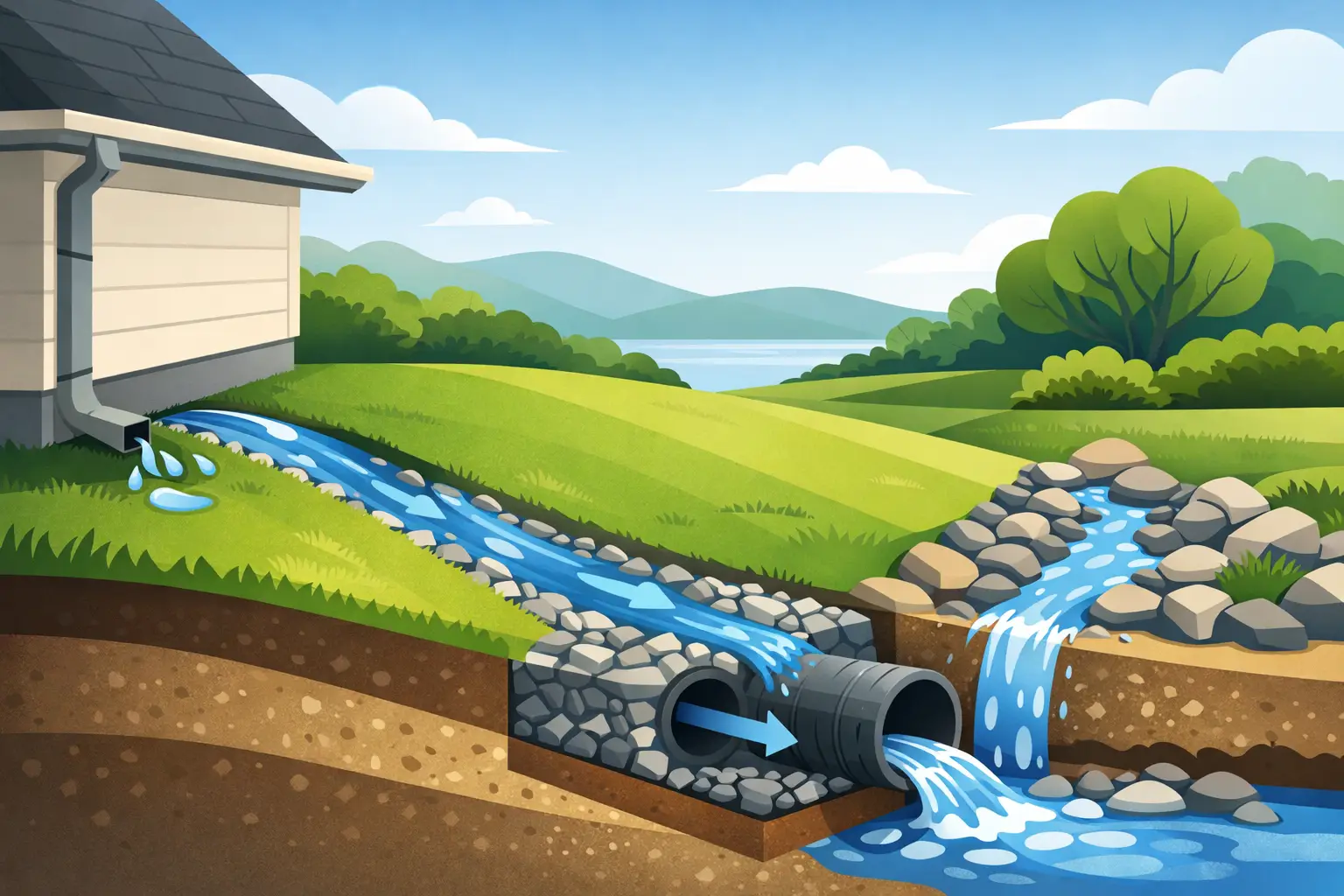
When homeowners ask how to improve yard drainage, they usually picture a French drain. In many cases, that is the right move. A French drain is designed to collect and redirect water below the surface using a perforated pipe surrounded by gravel. It works well in areas where water repeatedly pools in the lawn or along the edge of a house.
But French drains are not the answer to every drainage issue. If water is rushing across a hard surface like a patio, driveway, or pool deck, a channel drain is often the better fit. It collects surface runoff quickly before it sheets into the yard or toward the home.
Catch basins help in low spots where water naturally gathers. They are useful when the problem is concentrated in one section of the yard and you need a direct collection point connected to a drainage line.
The important part is design. A drain that is too shallow, undersized, or discharged into the wrong area will underperform when you need it most. Good drainage work is not just about installing pipe. It is about making sure the system can actually handle local rain events and the way your property sheds water.
Soil, aeration, and why clay makes everything harder
North Texas clay soil is tough on lawns and tough on drainage. It compacts easily, drains slowly, and can leave water sitting on the surface long after the rain stops. If your yard feels hard underfoot in dry weather and swampy after storms, compacted soil is probably part of the problem.
Core aeration can help improve absorption in some lawns by opening the soil and reducing compaction. Topdressing with compost or sand-based blends may also improve surface conditions, depending on the lawn type and existing soil structure. These steps can help, but they are not miracle fixes for severe drainage issues.
If the yard has major grading problems or standing water that lasts for days, soil amendments alone will not solve it. They work best as part of a bigger plan, not as a substitute for proper drainage design.
Dont ignore downspouts and hardscapes
Sometimes the simplest fix is the one that gets missed. If roof runoff is dumping next to the house, no amount of lawn work will fully solve the issue. Downspout extensions or buried drain lines can move that water away before it saturates the soil near your foundation or floods a planting bed.
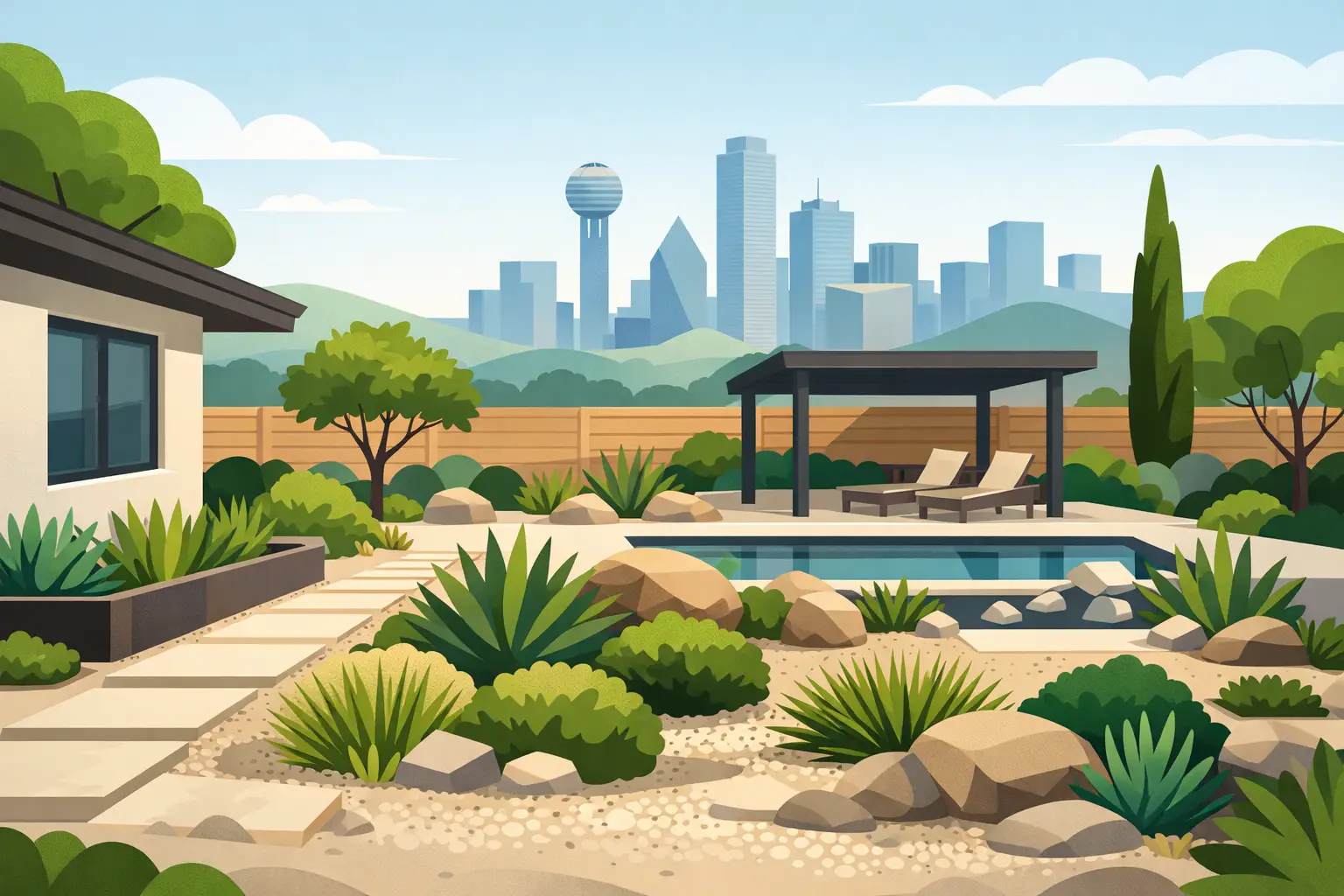
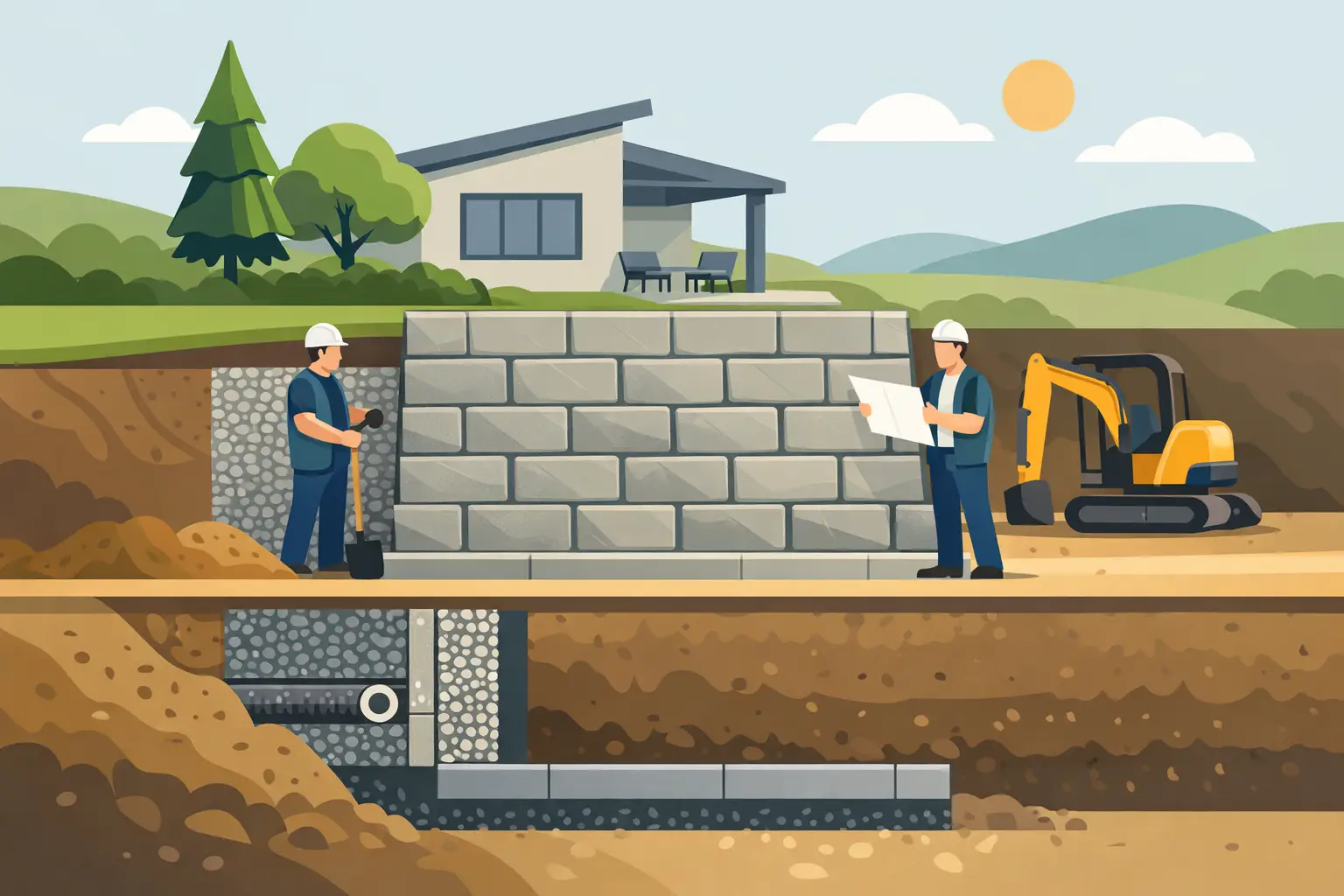
Hardscape features matter too. Patios, walkways, retaining walls, and edging can all redirect water in ways that are not obvious until a storm hits. A beautiful backyard can still fail if the surfaces are trapping runoff or sending it into the wrong part of the lot.
That is why drainage should be considered anytime you are updating the landscape. If you are installing stone, turf, sod, or a new patio, it makes sense to address water flow at the same time. It is more efficient, and the finished space performs better in real weather.
Can artificial turf help with drainage?
Yes, if it is installed correctly. Artificial turf is not just a cosmetic upgrade. In problem areas, a properly built turf system can help create a cleaner, more usable yard by pairing a stable surface with a drainage-ready base underneath.
This matters for pet areas, side yards, muddy play zones, and backyards that stay torn up after rain. The turf itself is only part of the system. The base preparation, grading, and drainage layers below it are what determine whether water moves through properly or gets trapped.
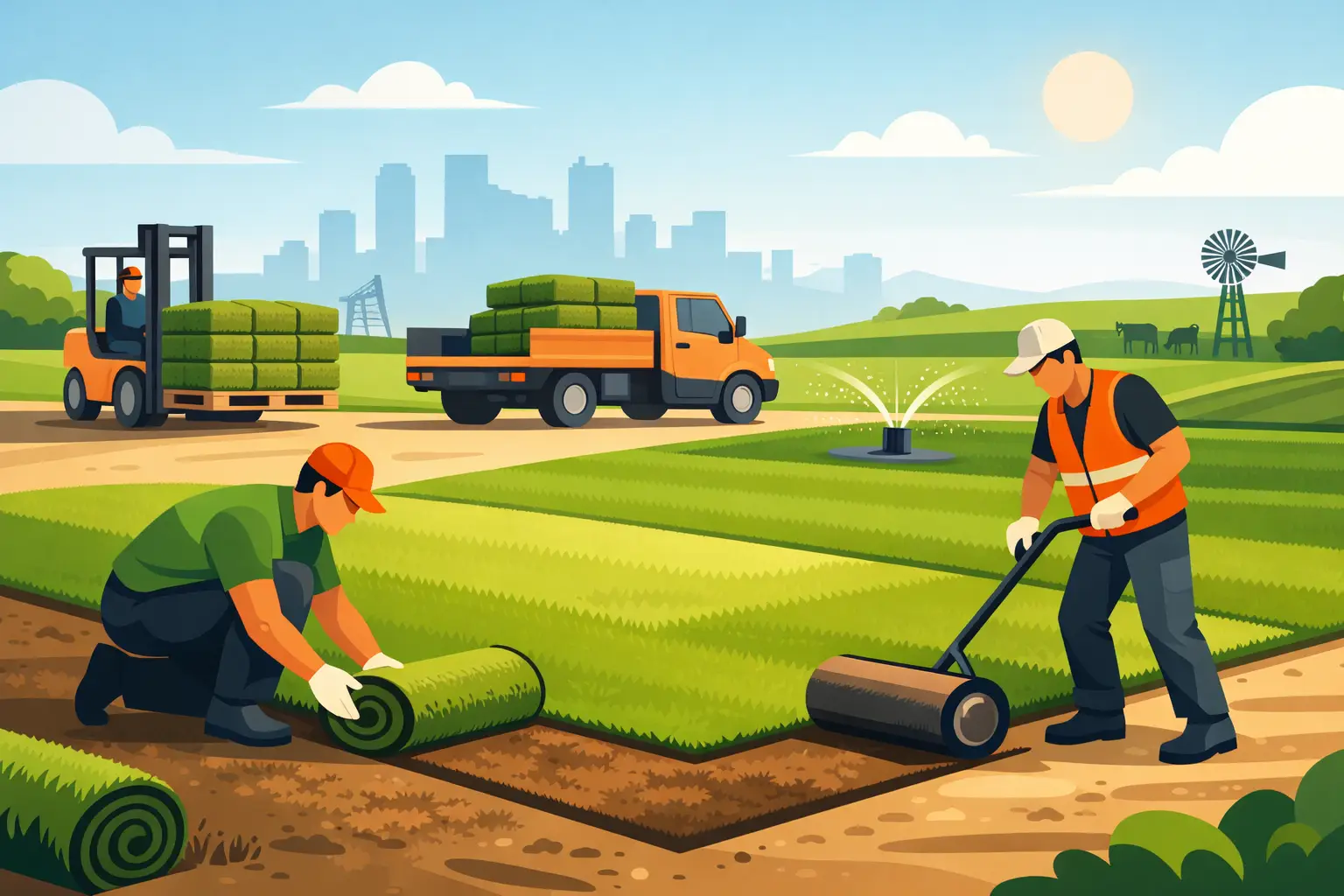
The same goes for natural sod. Fresh sod on top of poor drainage usually looks good for a short time, then struggles because the root zone stays too wet. A lawn replacement should never ignore what is happening underneath.
For homeowners who want a polished, lower-maintenance yard, combining drainage corrections with a new surface can be the smartest long-term investment. It solves the functional issue and improves curb appeal at the same time.
When a DIY fix is enough and when it is not
There are a few cases where a homeowner can make real progress on their own. Cleaning gutters, extending downspouts, filling a small depression, or improving drainage in a flower bed may be manageable weekend projects.
But if water is sitting near the house, flooding a large section of lawn, damaging hardscapes, or making the yard unusable after every storm, it is usually time for a professional solution. Drainage mistakes are expensive because they affect more than grass. They can shorten the life of patios, stain concrete, destabilize pavers, and put pressure on foundations over time.
A proper assessment saves guesswork. It also helps you avoid overbuilding. Some yards need a full drainage system. Others just need better grading and one targeted collection point. The right answer depends on your layout, soil, slope, and how you use the space.
A better yard should stay usable after it rains
The best drainage plan does not just move water. It protects the value of the work around it. That means your lawn stays healthier, your patio stays cleaner, your kids and pets are not tracking mud inside, and your backyard actually works the way it should.
For homeowners across Dallas-Fort Worth, drainage is usually not a standalone issue. It is tied to lawn failure, muddy surfaces, and outdoor spaces that never quite perform the way they should. Fixing it the right way can change the whole yard. Companies like Sod Green often address drainage as part of a larger landscape upgrade, which is why the finished result tends to last longer and look better.
If your yard turns into a mess every time it rains, do not settle for another temporary patch. Water always tells the truth. Once you control where it goes, the rest of the yard gets a whole lot easier to enjoy.



Leave A Comment