 Skip to content
A worn-out lawn at a business sends the wrong message fast. If customers see bare patches, mud at the entry, or grass that looks half-dead in the Texas heat, it affects how they see the whole property. That is why more owners and managers are looking at commercial artificial turf solutions for a cleaner appearance, lower upkeep, and a landscape that holds up day after day.
For commercial properties, the goal is not just to make the outside look better for a week or two. It is to create a surface that stays sharp, handles foot traffic, and cuts down on the constant cost of watering, mowing, fertilizing, and repairs. When turf is installed the right way, it gives you a practical upgrade that also improves curb appeal.
Where commercial artificial turf solutions make sense
Artificial turf is a strong fit for more than one type of commercial space. Office buildings use it to improve front entries and common areas. Retail centers use it to keep outdoor spaces clean and attractive without fighting dead grass or irrigation problems. Apartment communities and HOAs often choose turf for pet areas, courtyards, play spaces, and shared lawn sections that are hard to maintain naturally.
It can also work well for restaurants with patios, daycare centers, churches, event venues, and other properties that need a polished look with less maintenance. In many of these settings, natural grass struggles because of compacted soil, poor drainage, shade, heavy use, or long stretches of summer heat. Turf solves a lot of those issues, but only when the project is planned around how the space will actually be used.
That part matters. A decorative lawn area in front of an office has different needs than a dog run at an apartment complex or a recreation area at a school. The right product, base prep, drainage design, and installation method depend on the traffic level and the purpose of the space.
What good commercial artificial turf solutions actually include
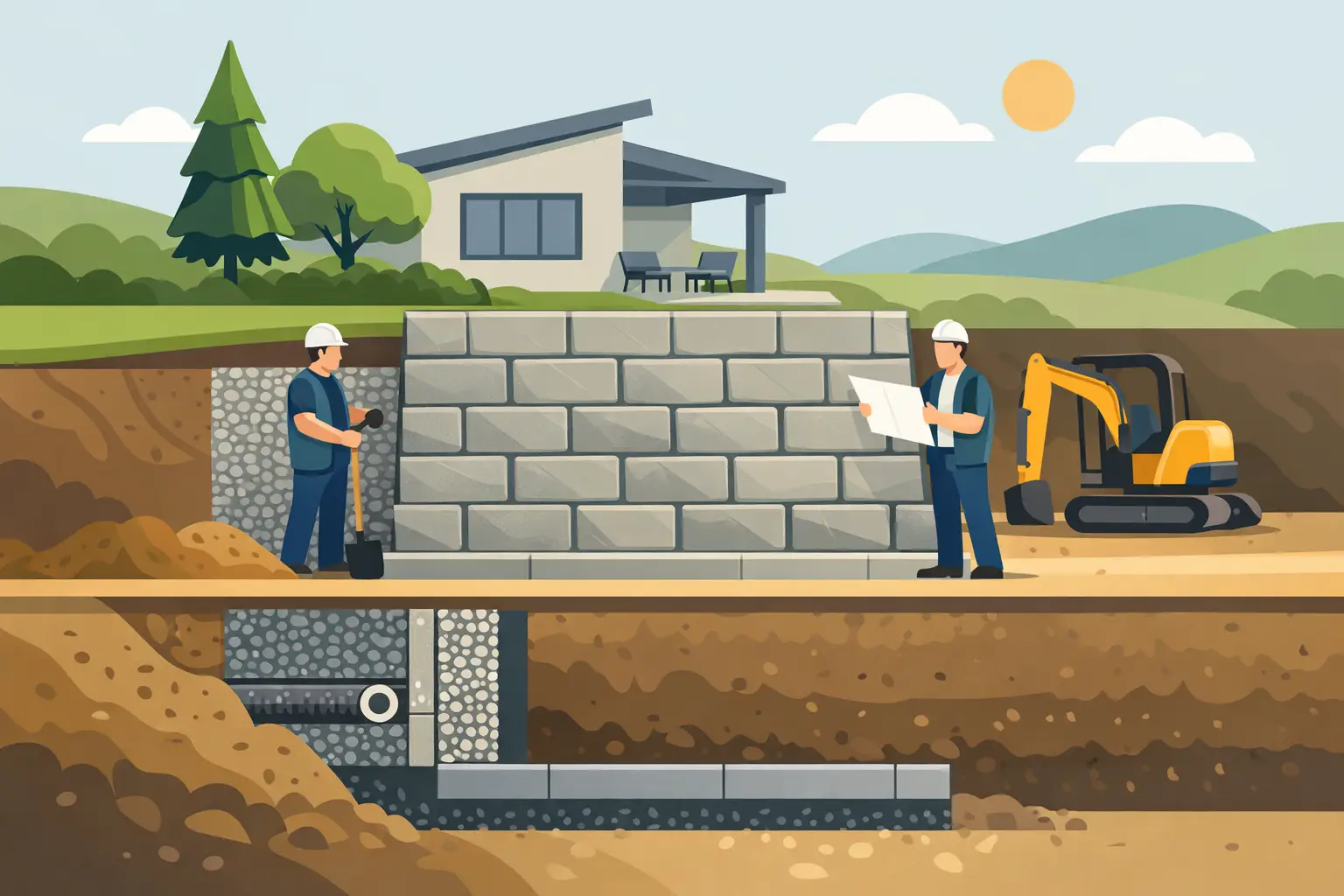
A quality commercial turf project is more than rolling out synthetic grass over dirt. The finished look depends on what happens underneath. Proper excavation, grading, base installation, compaction, and drainage are what help the surface stay level, drain correctly, and hold up over time.
That is one of the biggest differences between a quick cosmetic fix and a real long-term improvement. If the ground is uneven or drainage is ignored, even high-quality turf can end up looking bad sooner than it should. You may see ripples, low spots, edge failure, or standing water after rain.
For many commercial properties, installation also includes detail work around curbs, concrete, planters, walkways, and hardscape features. Clean transitions matter. They affect appearance, safety, and how professional the job looks when it is done. A commercial space needs a finished result that looks intentional, not patched together.
In some cases, turf is part of a broader outdoor upgrade. Property owners may pair it with stone borders, walkways, patio improvements, drainage corrections, or updated landscape design. When one contractor can handle those pieces together, the end result usually looks more consistent and the project moves faster.
Why businesses choose turf over natural grass
The biggest reason is simple. Natural grass can be expensive and unpredictable, especially in North Texas. Water bills rise, brown spots spread, and regular maintenance never really stops. Even with steady lawn care, commercial grass areas often wear out near sidewalks, entrances, and gathering spaces.
Turf gives owners and managers more control. It creates a green, finished look without the weekly upkeep that comes with a traditional lawn. That means no mowing crews disrupting the property, no muddy areas after irrigation problems, and no trying to recover dead grass in peak summer.
It also helps with consistency. Commercial properties are judged by appearance every day. Customers, tenants, and visitors notice whether a property looks cared for. Artificial turf keeps that clean look in place through heat, drought, and regular use.
That said, turf is not a one-size-fits-all answer for every inch of a property. There are cases where a mix of hardscape, planting beds, and turf makes more sense than replacing every lawn area. The best results usually come from looking at how people move through the space, where maintenance problems keep happening, and which areas need the biggest improvement.
Durability matters more than marketing
A lot of turf products sound similar on paper. What matters in the field is whether the system can handle the job. Commercial areas usually deal with more foot traffic, more wear at edges, and more pressure to keep everything looking clean. That means durability should come before chasing the softest feel or the lowest price.
Pile height, face weight, backing strength, and infill all play a role. So does the base underneath. A product that looks great in a sample may not be the best fit for a high-traffic commercial setting. On the other hand, a turf system built for heavier use may be the better investment because it keeps its shape and appearance longer.
This is where working with a specialist helps. A contractor who installs turf regularly can recommend the right system for the use case instead of pushing a generic option. For a property owner, that means fewer surprises after installation.
Drainage and site prep are where projects succeed or fail
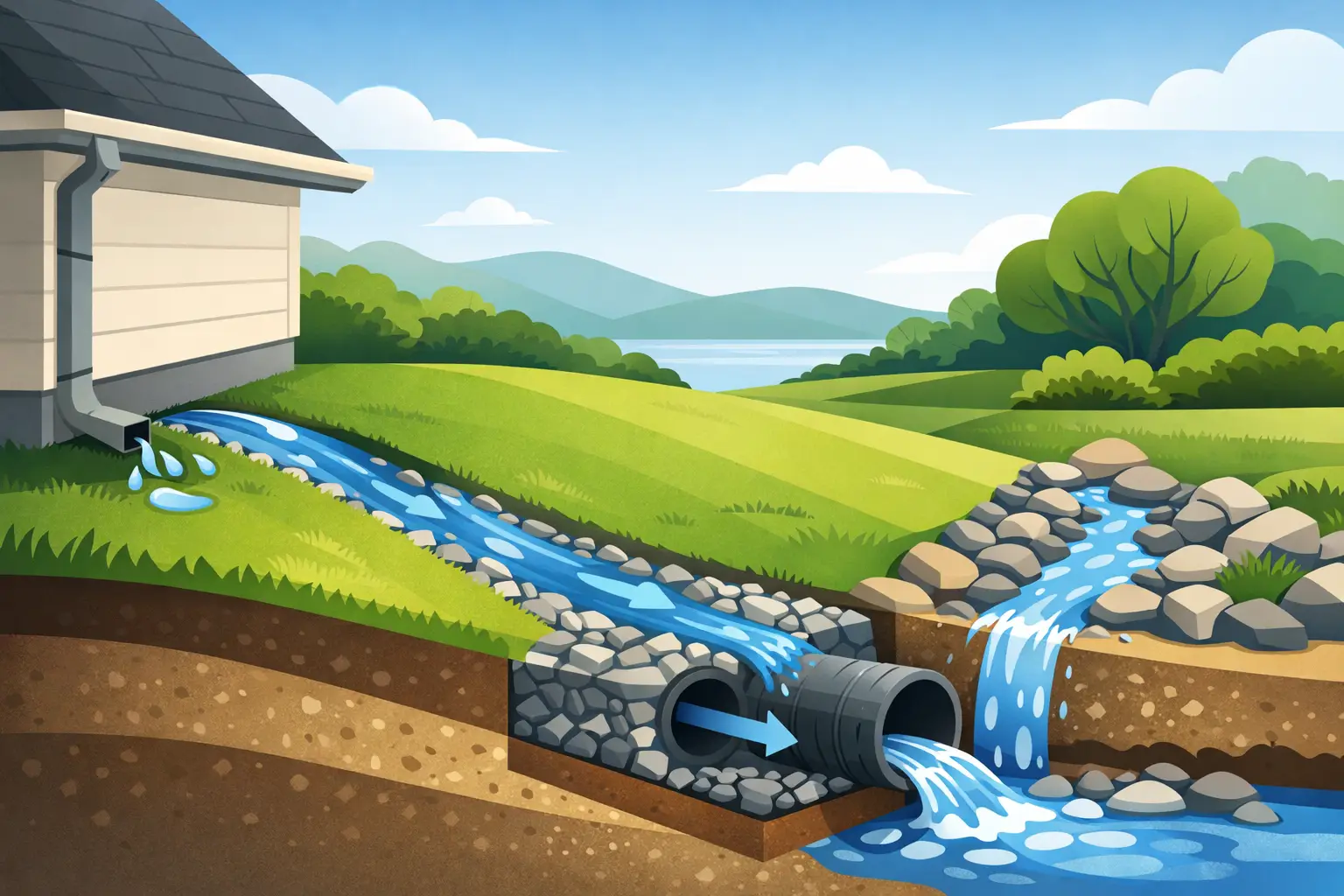
If there is one thing commercial clients should not overlook, it is drainage. Many properties already have low spots, runoff issues, or compacted areas that cause trouble during storms or irrigation cycles. Turf does not magically erase those conditions. It has to be installed with drainage in mind.
Good site prep starts with evaluating the grade and understanding where water needs to go. Some sites need minor correction. Others need more involved drainage work before turf ever goes down. Skipping that step may lower the initial quote, but it often creates bigger problems later.
This is especially true around entrances, pool areas, pet spaces, and courtyards. These are the spots where standing water and muddy conditions can become a daily headache. A properly built turf system helps the area stay cleaner and more usable, but only if the foundation is done right.
The value is in lower maintenance and better appearance
For many commercial properties, the return on turf is not just about replacing grass. It is about reducing recurring labor and keeping the site presentable with less effort. Crews are not constantly mowing small lawn sections, fighting irrigation issues, or reseeding worn areas that never fully recover.
That time savings matters. So does the visual impact. A clean green surface can sharpen the look of a storefront, improve common areas in multifamily communities, and help outdoor amenities feel more finished. In competitive markets, appearance plays a real role in attracting tenants, customers, and guests.
There is also a practical side to maintenance. Turf still needs occasional cleaning and inspection, but it is far less demanding than natural grass. For busy owners and managers, that makes the property easier to manage over the long haul.
Choosing the right installer for commercial artificial turf solutions
A commercial turf project should be handled by a contractor who understands more than the material itself. You want a team that can manage excavation, grading, drainage, edge detail, and final cleanup without turning the property into a mess. Reliability counts just as much as product quality.
Ask direct questions. How will the base be built? What happens if the site has drainage issues? What turf product fits the traffic level? How will edges meet sidewalks, curbs, or patios? A dependable installer should answer those clearly and walk you through the process without confusion.
It also helps to work with a company that knows outdoor construction beyond turf alone. If your project includes hardscape, drainage improvements, or landscape updates, coordination becomes much easier when the crew can handle the full scope. That is often where a specialist like Sod Green stands apart.
The right commercial artificial turf solutions should make your property easier to maintain and better to look at, not create new problems down the road. If you are planning an upgrade, focus on installation quality first. A good surface starts below the turf, and the payoff is a property that stays clean, usable, and ready to impress.



Leave A Comment