 Skip to content
A patio that shifts after one Texas summer is not a patio problem. It is an installation problem. The same goes for walkways that hold water, retaining walls that start to lean, and stone borders that looked sharp on day one but never really settled in. That is why hardscape installation services matter so much. The materials get the attention, but the real value is in the prep work, grading, drainage, base, and finish details that decide whether your outdoor space looks great for years or starts showing issues fast.
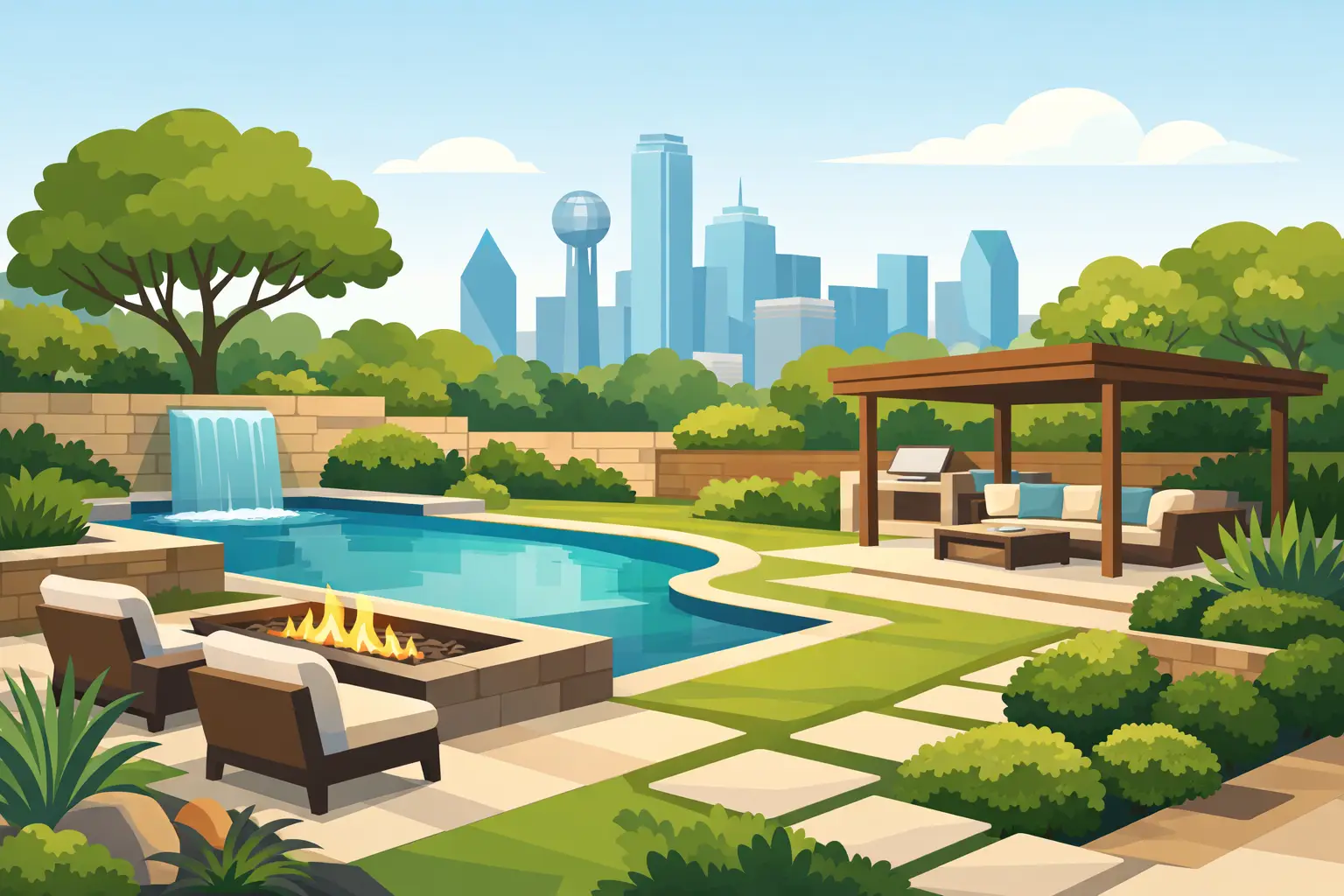
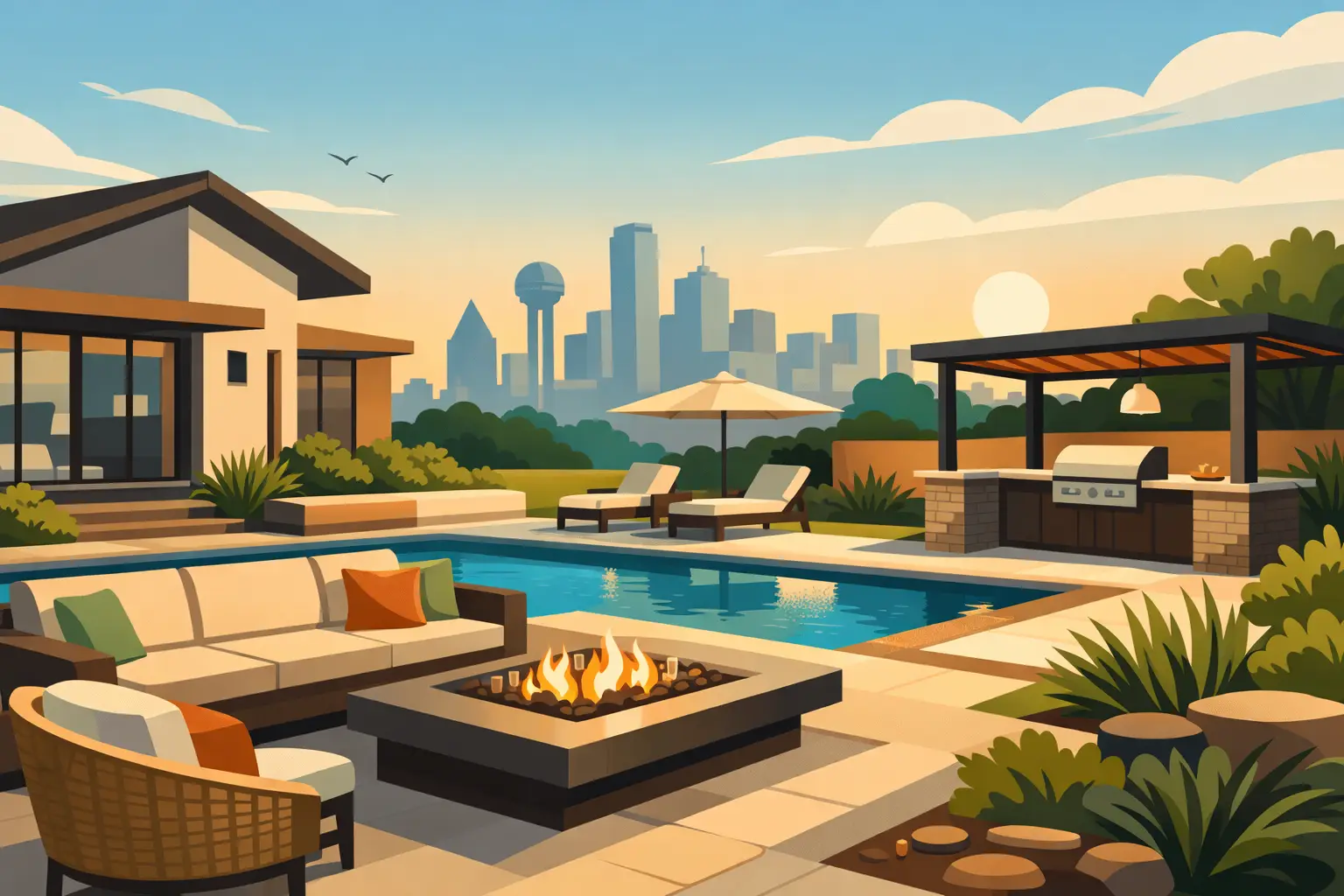
For Dallas-area homeowners, hardscaping is usually about more than appearance. You may want a better backyard layout, cleaner transitions around turf, less mud after rain, or a more usable space near a pool, grill, or putting green. Good hardscaping solves those problems while giving your property a more finished look. Done right, it also reduces maintenance and helps tie the entire landscape together.
What hardscape installation services actually include
Hardscape installation services cover the non-living parts of your landscape. That can mean a flagstone patio, paver walkway, retaining wall, edging, steps, gravel areas, decorative rock, or a custom surface built to improve how your yard works. In many projects, hardscaping is also what makes artificial grass, sod, planting beds, and drainage systems perform better.
A lot of homeowners think first about the visible surface, but the installation process is where the project is won or lost. Proper excavation, compaction, grading, and base preparation are what keep pavers from shifting and stone from settling unevenly. If water is not handled correctly, even a great-looking project can become a problem after the next heavy rain.
That is one reason a specialist matters. A contractor who understands turf, drainage, grading, and stonework can build a yard that works as one system instead of a few separate features dropped into the same space.
Why homeowners invest in hardscape installation services
Most customers are not looking for stone just for the sake of stone. They are trying to fix something. Maybe the side yard turns into a muddy track every time the dog runs through it. Maybe the backyard has no clean place for seating, or the front entry feels plain and unfinished. In some cases, grass simply is not the best surface for a high-traffic area.
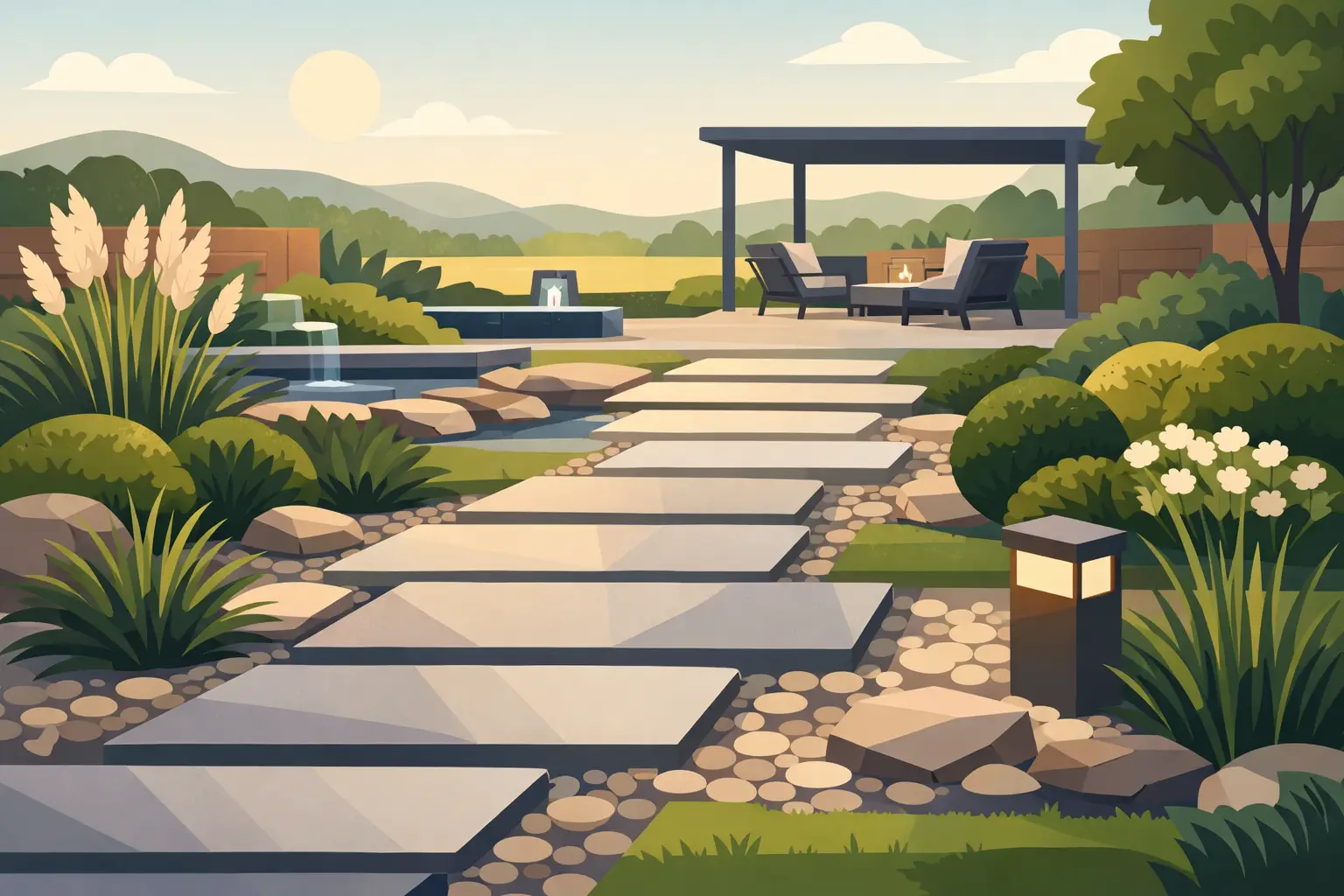
Hardscaping gives those spaces structure. A walkway creates a clear path and protects surrounding lawn or turf. A patio turns empty square footage into usable living space. Retaining walls can manage slope and create level zones that are easier to enjoy and maintain. Even simple borders and edging can make a yard look cleaner and more intentional.
There is also the curb appeal factor. Stone, pavers, and decorative surfaces add contrast and definition that plain lawn cannot provide on its own. For homeowners who care about resale value, that finished look matters. Buyers notice when an outdoor space feels complete.
The most popular hardscape features for Texas properties
In North Texas, some hardscape features make more sense than others. Heat, rain patterns, soil movement, and daily use all play a role.
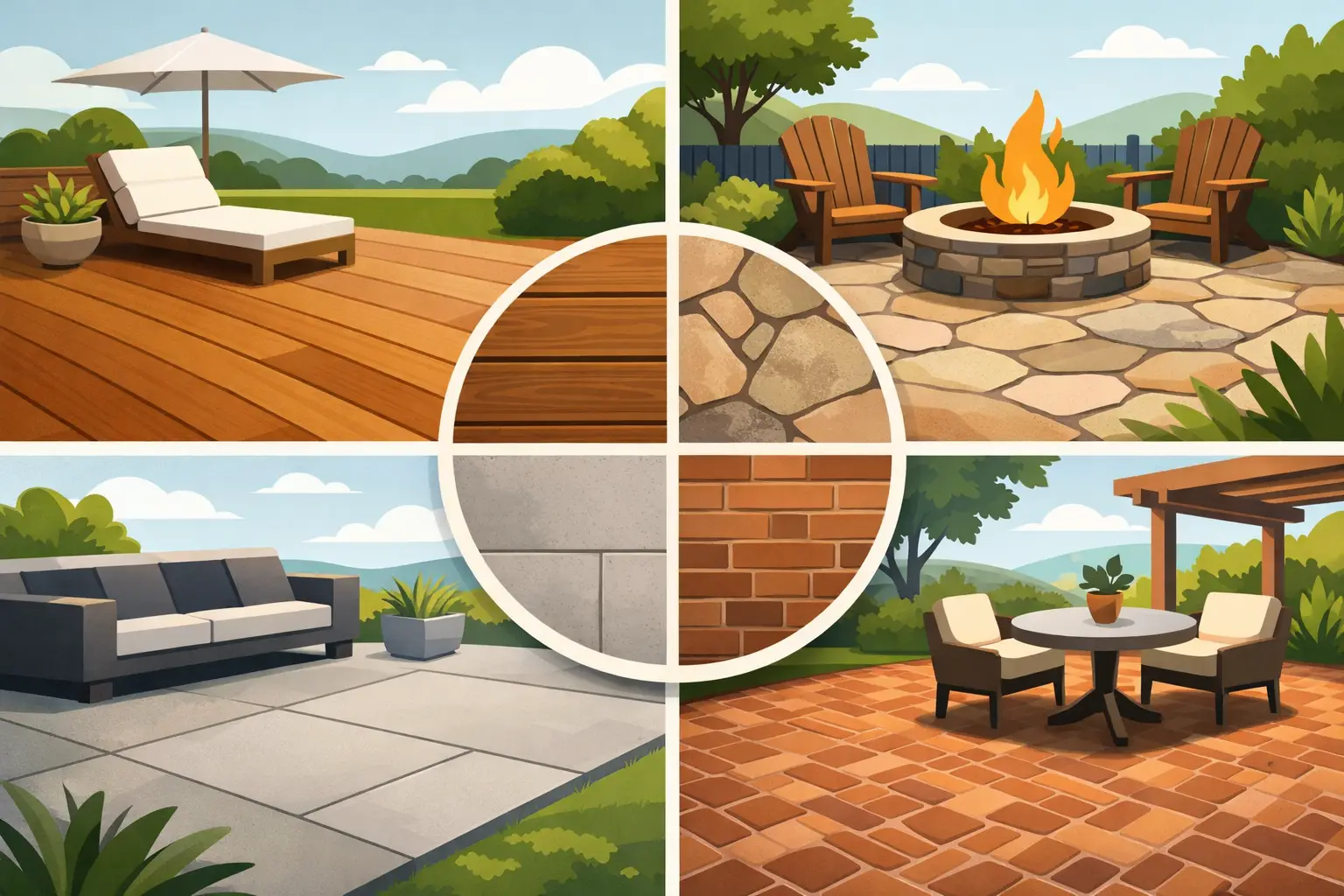
Patios are one of the most requested upgrades because they add immediate function. A good patio creates a place to sit, grill, entertain, or relax without tracking dirt through the yard. Paver patios are popular for their clean look and design flexibility, while natural stone gives a more custom, high-end feel.
Walkways are another smart investment. They improve flow through the property and reduce wear on grass or turf. Around a pool, side yard, or backyard access point, a walkway often solves a problem that homeowners have been dealing with for years.
Retaining walls are common where grading needs attention. They can be decorative, but they often have a practical job to do. When designed correctly, they help stabilize soil, manage elevation changes, and create more usable space.
Stone borders, stepping paths, and gravel sections are simpler installs, but they still make a big impact. These features help define planting beds, create transitions, and reduce maintenance in problem spots where grass struggles.
Hardscape installation services and drainage go together
This is where a lot of projects either hold up or fail early. A beautiful patio that traps water against the house is not a successful patio. A walkway that becomes slick and puddled after every storm is not doing its job.
Drainage should be part of the plan from the start. That does not always mean a major drainage system, but it does mean the installer should be thinking about slope, runoff, base material, and where water moves after the project is complete. In Dallas and Fort Worth, clay-heavy soils and sudden rain can expose shortcuts fast.
It also depends on what else is in the yard. If you are combining turf with hardscaping, the edges, elevations, and drainage details need to work together. That is one reason full-service outdoor contractors can offer a real advantage. They are not just installing one surface. They are looking at how the whole yard performs.
What to expect from a quality installation process
A reliable hardscape project should not feel rushed or disorganized. It should start with a clear plan based on your property, how you use the space, and what conditions need to be addressed. Measurements, layout, material selection, and drainage review all matter before any digging begins.
From there, site prep is the real backbone of the job. That includes excavation to the proper depth, a stable base, correct grading, and careful placement of the material. The final fit and finish matter too. Clean edges, tight joints, and a tidy worksite say a lot about the crew doing the work.
Homeowners should also expect realistic communication. Not every yard is straightforward. Tree roots, drainage issues, access limitations, and uneven grades can affect the timeline or design. A good contractor explains those trade-offs clearly instead of glossing over them.
How to choose the right hardscape installer
If you are comparing contractors, look beyond the surface photos. Nice pictures matter, but they do not tell you how the base was built or whether the crew handled drainage properly.
Start by asking what the installer recommends for your specific yard and why. A dependable company should be able to explain material options, drainage concerns, and the prep work required without making it complicated. You want direct answers, not vague promises.
It also helps to choose a company that already works across related services like turf, sod, stone, and drainage. That kind of experience usually leads to better planning and fewer gaps between trades. For many Dallas-area homeowners, that means a cleaner project, faster turnaround, and one team accountable for the result.
Responsiveness matters too. If a company is hard to reach before the job starts, that usually does not improve once the work is underway. You want a crew that shows up, keeps the site orderly, and treats your property with respect.
When hardscaping works best with turf or sod
Some of the best outdoor transformations are not all hardscape and not all grass. They are a balanced mix of surfaces. A paver patio paired with artificial turf can create a clean, low-maintenance backyard that still feels comfortable and inviting. A stone walkway through fresh sod can improve access without overwhelming the lawn.
This is especially useful for families, pet owners, and homeowners who want a polished look without constant upkeep. Hardscape provides structure, while turf or sod softens the space and keeps it from feeling too rigid. The key is making sure the transition points are installed correctly.
That combination approach is where a company like Sod Green can be especially useful. When one team understands both surface installation and landscape function, the finished yard tends to look more cohesive and perform better over time.
Cost, value, and what affects the price
Hardscape pricing depends on the size of the project, the material chosen, site access, grading conditions, and the amount of prep work required. A simple path is different from a full patio with retaining walls and drainage improvements. Natural stone typically costs more than basic pavers, but the right choice depends on your goals, style, and budget.
The cheapest bid is not always the best value. If a lower price comes from cutting corners on excavation, base work, or drainage, you may end up paying again to repair movement, pooling, or edge failure. On the other hand, not every yard needs the most expensive material. A good installer helps you spend where it counts and avoid upgrades that do not add much practical benefit.
If you are planning a larger outdoor makeover, it often makes sense to think in phases. Start with the surfaces that solve the biggest problems first, then build from there. A solid patio or walkway can set the foundation for future turf, planting, or entertainment upgrades.
A well-built hardscape project should make your yard easier to use, easier to maintain, and better to look at every day. If you choose the right team, you are not just adding stone or pavers. You are fixing weak spots in the layout and turning wasted space into something that finally works.


Leave A Comment