
A new sod lawn can look finished in a day, but that does not mean it is fully established. If you’re asking how long does sod root, the short answer is that most new sod begins attaching to the soil within 10 to 14 days and develops stronger roots in about 4 to 6 weeks. In Texas, that timeline can move faster or slower depending on heat, soil prep, watering, shade, and foot traffic.
That matters because the first few weeks are where a great-looking install either takes hold or starts slipping backward. A lawn that roots properly becomes more durable, greener, and easier to maintain. A lawn that struggles early can develop dry spots, seams, or weak areas that never quite catch up.
How long does sod root under normal conditions?
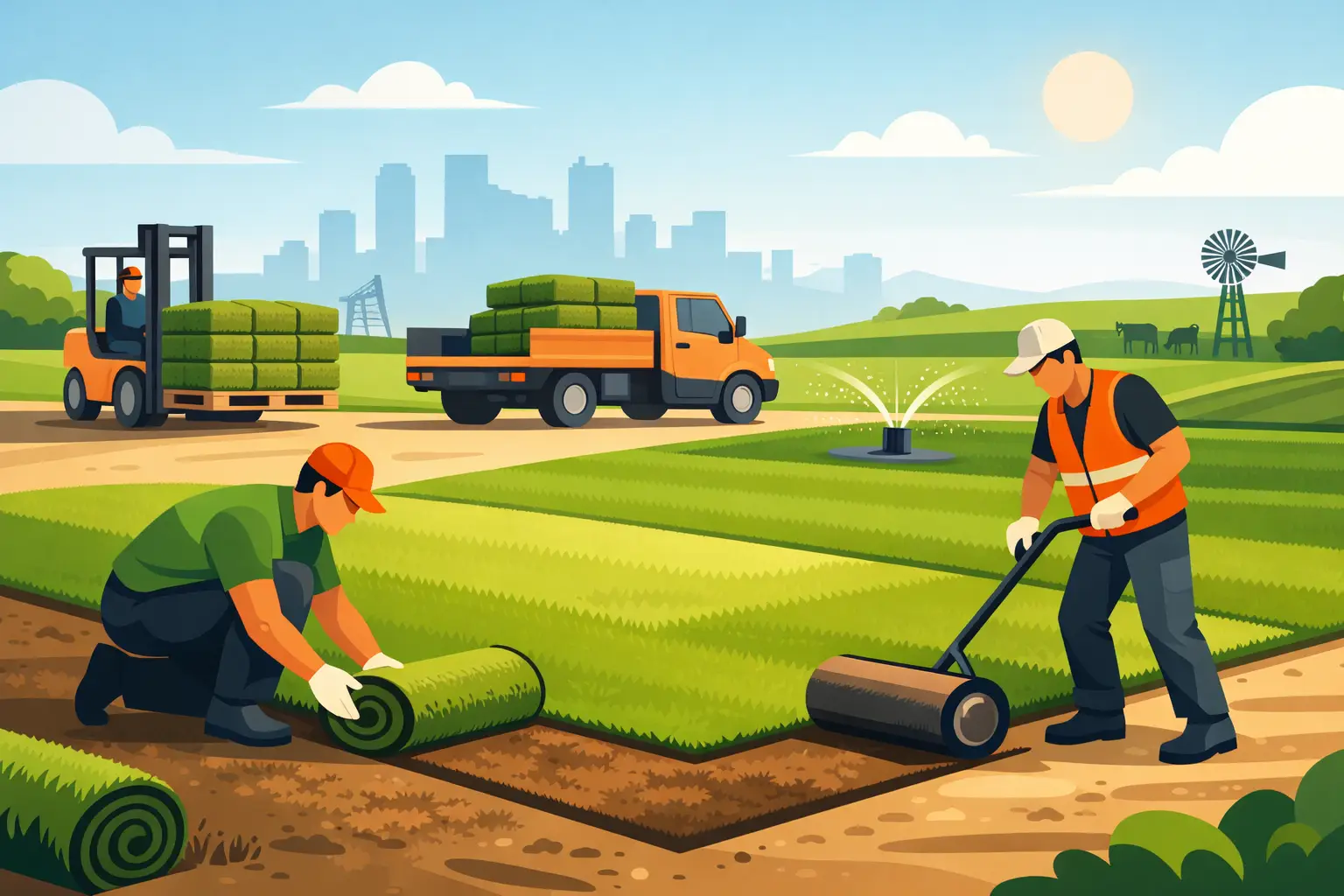
Fresh sod does not root all at once. It goes through stages. During the first several days, the grass is mostly living off the moisture stored in the sod itself and whatever water reaches the soil below. At this point, the roots are not deep, and the sod can still shift if pulled or stepped on too much.
Around days 10 to 14, you will usually see the first real signs of attachment. If you gently lift a corner and feel resistance, that is a good sign the roots are starting to knit into the ground beneath. This is the early rooting stage, not full establishment.
By week 3 or 4, the sod should be noticeably more secure if it has been watered correctly and installed over properly prepared soil. By week 4 to 6, many lawns have enough root development to handle normal use, though that depends on grass type and weather. In extreme summer heat, sod may need extra attention even if it appears rooted.
What affects how long sod takes to root?
The timeline depends on more than just the calendar. Installation quality is a big factor. Sod laid over compacted, poorly graded, or dry soil often struggles because the roots have a harder time penetrating the surface.
Watering is the next major piece. New sod needs consistent moisture, especially right after installation, but too much water can be a problem too. If the ground stays swampy, roots may stay shallow and the lawn can become vulnerable to fungus or soft spots.
Temperature also plays a role. In the Dallas-Fort Worth area, warm weather helps grass grow, but intense summer heat can stress new sod if watering and timing are off. Spring and early fall are often ideal because the soil is warm enough for rooting without the same level of extreme heat stress.
Sun exposure matters as well. Sod in full sun may dry out faster and need closer watering attention. Sod in heavy shade may stay wetter longer, which sounds helpful but can slow healthy root development if air movement is poor.
Then there is traffic. Kids, pets, lawn furniture, and even repeated walking in the same path can pull at new seams before the roots have a chance to anchor. A fresh lawn needs a little protection up front if you want it to hold up long term.
How to tell if your sod is rooting
The easiest way to check is the gentle tug test. Take hold of a corner or edge and lift lightly. If the sod comes up easily, it has not rooted much yet. If you feel resistance, the roots are beginning to attach. You are not trying to yank it loose – just checking whether it is grabbing the soil.
Another sign is how the lawn feels underfoot. Brand new sod can feel soft or spongy. As it roots, it starts to feel more stable and connected to the ground below. The color should also stay fairly even if watering is on track. Widespread browning, curling blades, or shrinking seams usually point to stress.
Some variation is normal in the early days, especially during hot weather. What you do not want is sod edges drying out fast, sections lifting, or a lawn that remains squishy for too long.
Watering new sod the right way
For most homeowners, watering is where rooting success is won or lost. New sod should be watered enough to keep both the sod and the top layer of soil beneath it moist. In the first week, that often means more frequent watering, especially in Texas heat.
The goal is not to flood the yard. It is to prevent the sod from drying out while encouraging the roots to move downward. Early on, frequent watering makes sense because the root system is shallow. As the sod starts attaching, watering should gradually shift toward deeper, less frequent cycles.
That transition is important. If you keep watering lightly forever, the roots may stay near the surface. A stronger lawn comes from deeper rooting, which improves drought tolerance and overall durability.
There is no single schedule that fits every yard. Clay-heavy soils hold water longer. Sandy soils drain faster. Sunny front lawns and shaded side yards often need different timing. A professional installer should account for those conditions instead of handing out a one-size-fits-all watering plan.
When can you walk on new sod?
Most homeowners want to use the yard right away, and that is understandable. The lawn looks finished, the kids want to play, and the dog already thinks it is business as usual. But fresh sod needs a little patience.
Light foot traffic is usually best avoided for the first 2 weeks. After that, limited walking may be fine if the sod is attaching well. Heavy use, sports, rough play, and repeated pet traffic should wait closer to the 4 to 6 week mark, sometimes longer if rooting has been slow.
If part of the yard gets used more than the rest, that area may need extra time. This is common near gates, patios, pool entries, and side yards where dogs run the same route. Even good sod can struggle if those zones get pounded too early.
Why some sod roots faster than others
Grass type plays a role. Bermuda tends to establish aggressively in warm weather, while St. Augustine can root well too but may need closer attention to moisture and shade conditions. Zoysia can form a beautiful lawn, though establishment may feel slower depending on season and variety.
Soil contact is another big deal. Sod needs firm contact with the soil below. If there are air gaps because the surface was uneven or not properly rolled, roots can dry out before they attach. This is one reason professional installation matters more than many homeowners realize.
Timing also matters. Installing during a stretch of mild weather gives sod a better shot at steady establishment. Installing right before triple-digit temperatures, water restrictions, or a week of pounding rain creates more risk. It can still be done, but the margin for error gets tighter.
Common mistakes that slow rooting down
One common mistake is under-watering in the first few days. Fresh sod dries out fast, especially at the edges and seams. Once those areas get stressed, they can pull apart or turn brown.
Another mistake is over-watering for too long. Homeowners often assume more water is always better, but soaked ground can keep roots shallow and create disease issues. If the lawn is staying mushy, something needs to be adjusted.
Mowing too early is another problem. If the sod has not attached well, turning a mower over it can shift pieces, rut the soil, or stress the grass. It is better to wait until the lawn is rooted enough and dry enough to handle the mower cleanly.
Fertilizing too aggressively can also backfire. New sod does need support, but too much fertilizer too soon can stress the lawn instead of helping it. The right timing depends on the grass, the soil, and what was done during installation.
A realistic Texas expectation
For most North Texas lawns, a realistic answer to how long does sod root is this: expect early rooting in about 2 weeks, meaningful establishment in about a month, and a stronger, more usable lawn in 4 to 6 weeks. If conditions are ideal and the installation is done right, it can move quickly. If weather is harsh or care is inconsistent, it can take longer.
That is why the first month matters so much. Good sod is only part of the job. Proper grading, tight seams, solid soil prep, and clear watering guidance make the difference between a lawn that just looks new and one that actually lasts. At Sod Green, that is the standard homeowners expect when they are investing in a better yard.
If your new lawn is in the ground now, treat these first few weeks like the setup for everything that comes next. Give the sod the water, time, and protection it needs, and it will pay you back with a lawn that looks sharp and holds up when your yard starts getting real use again.


Leave A Comment