
If you have ever looked at a patchy lawn in the Dallas heat and wondered how is artificial grass installed so it actually looks clean, drains right, and holds up for years, the answer starts below the surface. Good turf is not just rolled out and pinned down. The real quality comes from the prep work, the base, and the finish details most people never see.
For homeowners, that matters. A synthetic lawn can look sharp on day one even with a rushed install, but if the grading is off, the seams are sloppy, or the base is weak, problems show up fast. You may see wrinkles, dips, standing water, lifted edges, or a surface that feels hard underfoot instead of natural. That is why professional installation is less about speed and more about getting each layer right.
How is artificial grass installed step by step?
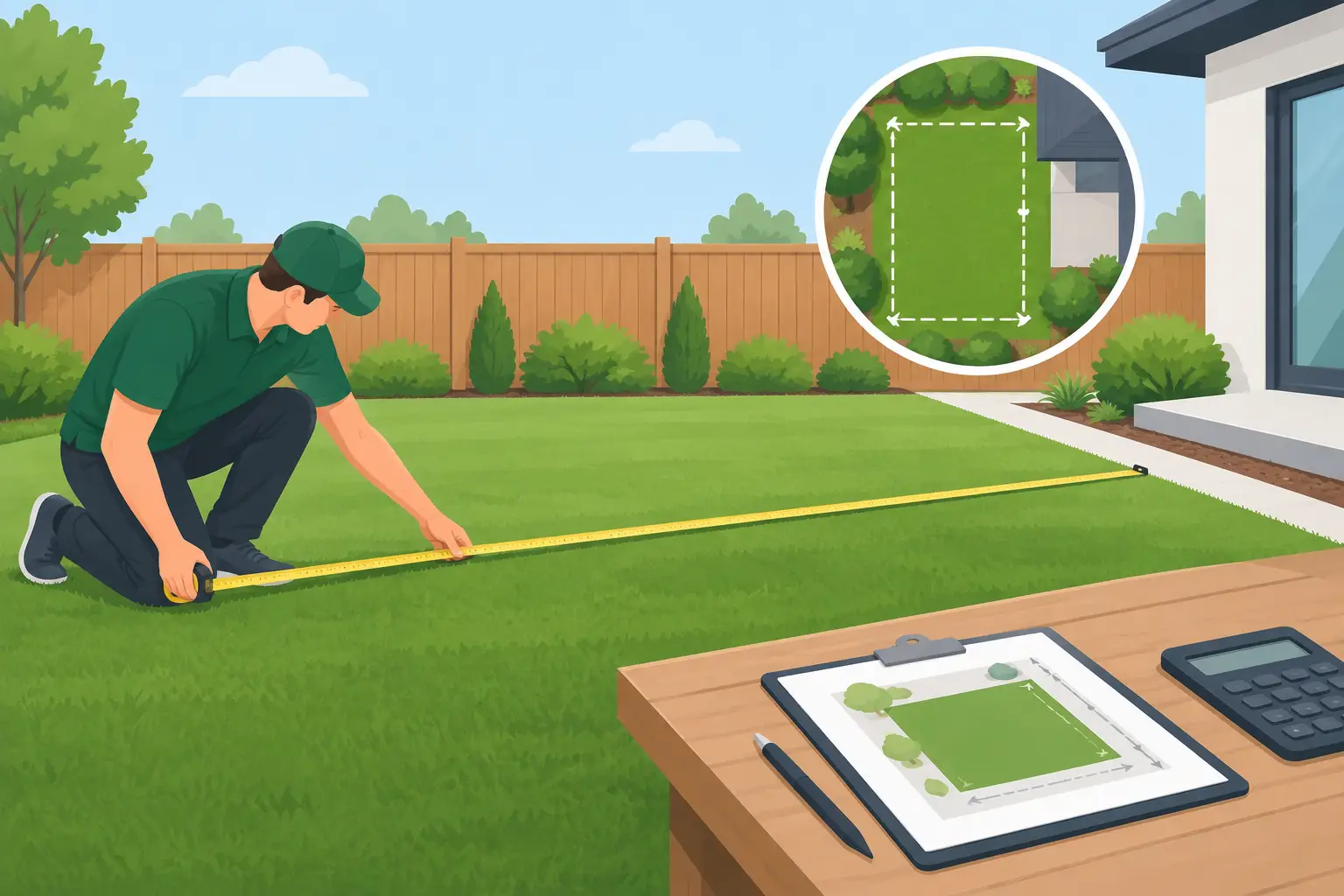
The process usually begins with a site visit and measurement. Every yard is different. A small dog run, a front lawn, and a backyard putting green all need a different approach. Installers look at the current surface, drainage, sun exposure, edge conditions, and how the area will actually be used.
Then the existing grass and top layer of soil are removed. This step is more important than many homeowners expect because turf should sit on a stable, compacted base, not on loose dirt or old organic material. If roots, mud, and soft spots are left behind, the finished lawn can shift over time.
After excavation, the team grades the area. This is where drainage is addressed. In North Texas, heavy rain can expose bad grading quickly, so the slope has to move water away from the home and prevent low spots. If a yard already has drainage issues, this is often the right time to correct them before the turf goes in.
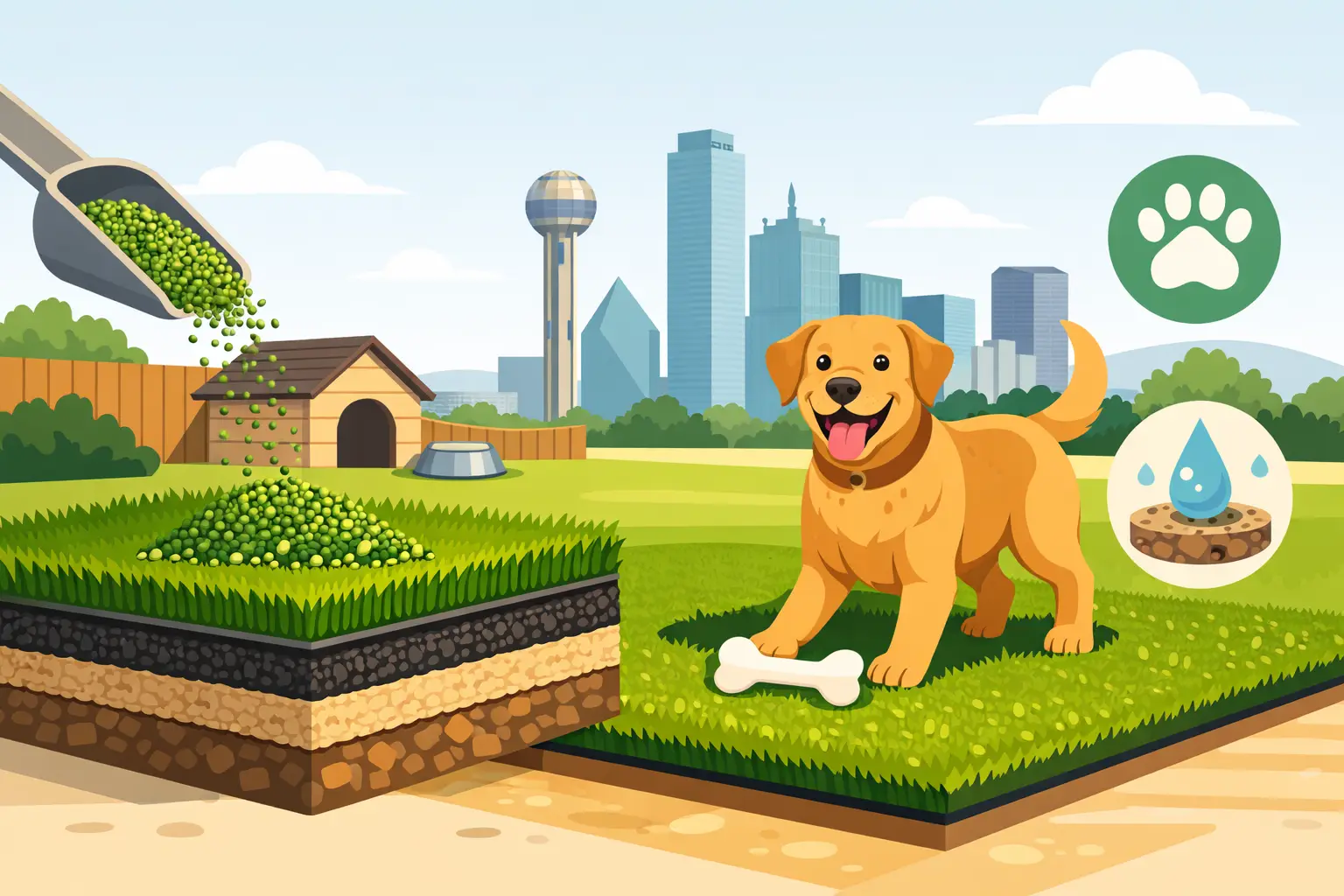
Next comes the base material, usually a compactable aggregate. It is spread in layers, leveled carefully, and compacted to create a firm, even foundation. This is what gives artificial grass a smooth finish and helps it stay stable under foot traffic, kids, pets, and patio furniture. The exact depth can vary depending on the project, soil conditions, and intended use.
In many installations, a weed barrier is added over or within the base system. This helps reduce growth underneath the turf. It is not a substitute for proper prep, but it adds another layer of protection.
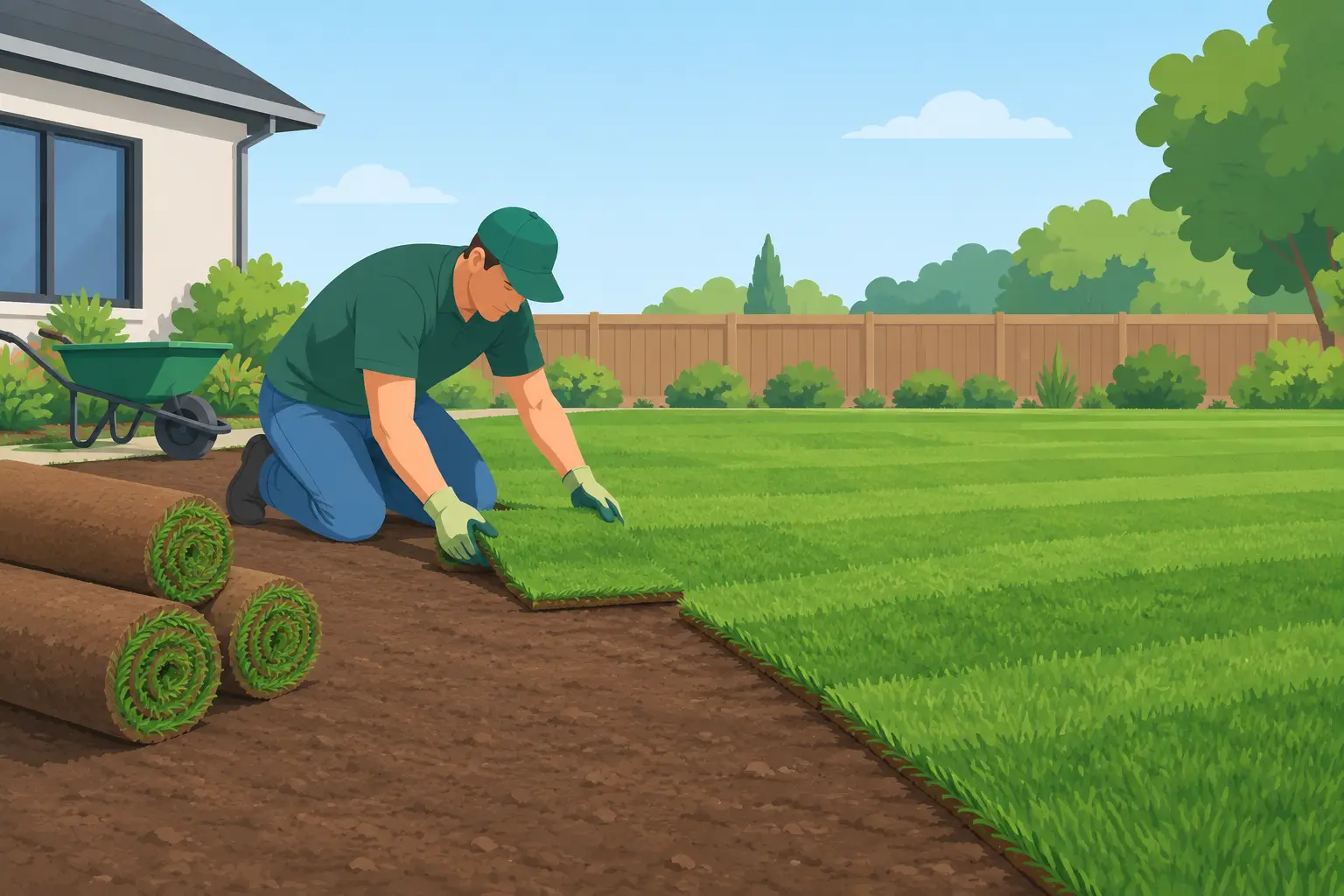
Once the base is ready, the turf is rolled out and positioned. Installers let it settle, then trim it to fit the space. This stage takes precision. Around curves, borders, trees, stepping stones, and hardscape edges, rough cuts stand out. Clean lines are one of the biggest differences between a professional result and a DIY-looking yard.
If the area needs more than one roll of turf, seams are joined together. This is one of the most technical parts of the job. The grain direction has to match, the edges have to be tight, and the seam needs to disappear into the lawn. Poor seam work is often the first thing people notice when turf installation is done cheaply.
After seaming, the turf is secured along the perimeter and at key points across the surface. Depending on the application, installers may use nails, spikes, adhesives, or a combination of methods. The goal is to hold the turf firmly without creating visible fastening patterns.
Then infill is spread and worked into the blades. Infill helps the grass fibers stand up, adds weight, improves stability, and can support drainage and performance. The type of infill depends on the product and the purpose of the space. A pet area may need a different setup than a decorative front yard or a putting green.
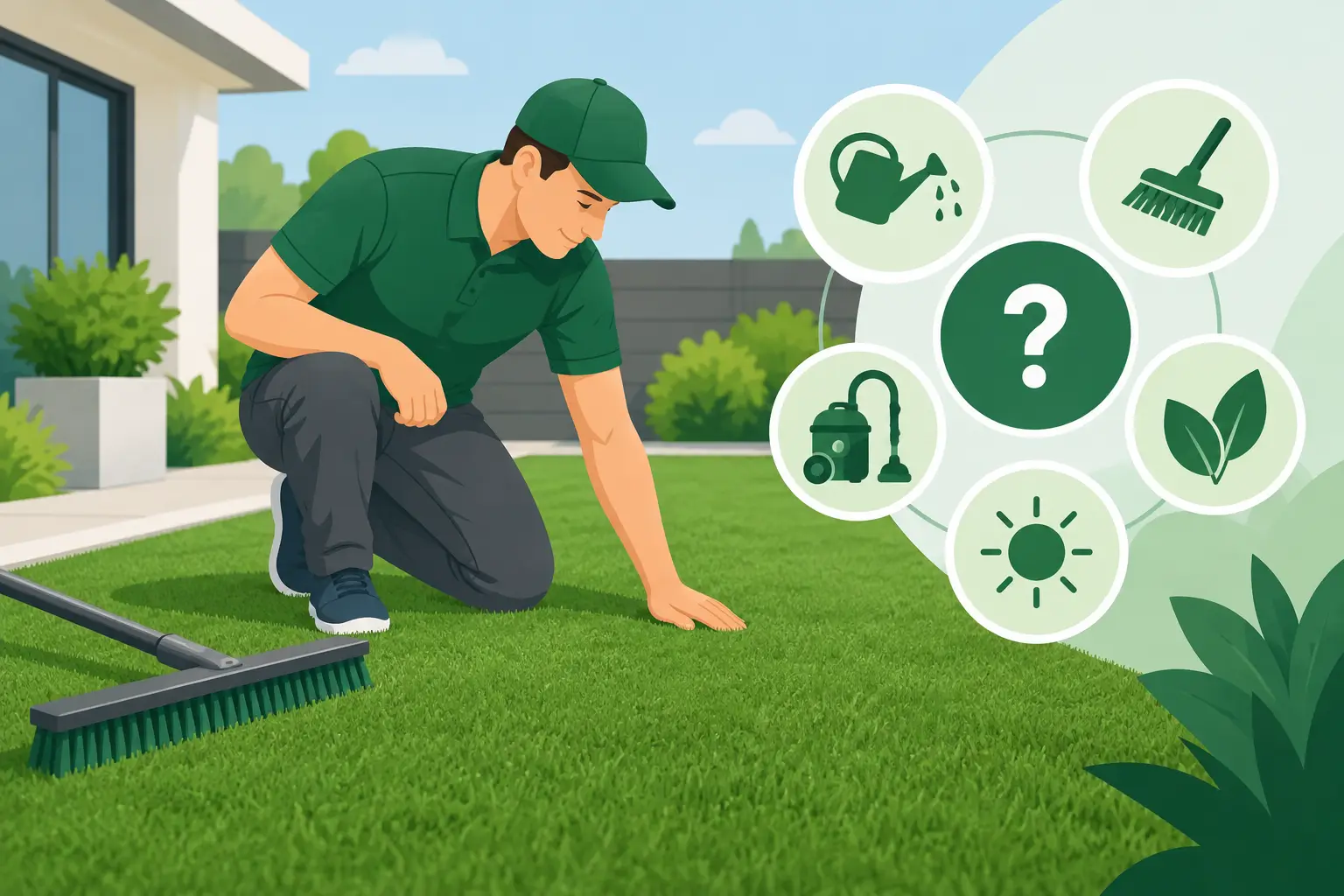
The final step is power brushing, detail trimming, and cleanup. When the job is done right, the lawn looks even, natural, and ready to use right away.
What matters most during artificial grass installation
The biggest factor is base preparation. Homeowners naturally focus on the turf product itself, but the material underneath does most of the heavy lifting. A premium turf installed over a poor base will not perform like it should. A well-built base gives you a level surface, solid footing, better drainage, and a longer lifespan.
Drainage is another major piece. Artificial grass does not turn into mud, but water still has to go somewhere. If the yard has low areas or runoff problems, those need to be handled before the finish layer goes down. In some cases, standard grading is enough. In others, extra drainage work may be needed.
Cut quality also matters more than people think. Around patios, flower beds, sidewalks, and pool decking, the edges need to be exact. Uneven trimming or loose borders can make even expensive turf look unfinished.
Then there is the question of the right turf for the job. Not all artificial grass is built the same. Some products are made for appearance first. Others are designed for pets, play areas, athletic use, or golf. The best installation starts with matching the product to the use case instead of treating every yard the same.
Why professional installation usually pays off
A lot of homeowners ask whether turf can be installed as a DIY project. It can, but the challenge is not laying out the grass. The challenge is excavation, grading, compaction, seam work, and finishing the details so the lawn still looks good a year later.
That is where experienced installers earn their keep. They know how much material to remove, how to build the base for Texas conditions, how to handle transitions against concrete and stone, and how to avoid the shortcuts that lead to callbacks. They also bring the right equipment, which makes a real difference on compaction and finish quality.
A professional crew can usually move faster too, but speed is only helpful when the work stays clean. Homeowners want a contractor who shows up, protects the property, keeps the site organized, and leaves the yard looking better than it did before. That part matters just as much as the installation itself.
How long does installation take?
Most residential projects can be completed in a few days, though the timeline depends on size, access, weather, and whether extra drainage or hardscape work is involved. A simple turf replacement in a clean, open yard moves much faster than a backyard with grading problems, tree roots, tight side access, or custom borders.
That is why realistic expectations matter. If a contractor promises a perfect install with no mention of prep, drainage, or cleanup, it is worth asking what is being skipped. Good work is efficient, but it is not careless.
Common problems after a bad install
When artificial grass is not installed correctly, the issues usually show up in familiar ways. You might notice waves in the surface, visible seams, sinking spots, poor drainage, or edges that pull loose. Pet odors can also become a problem if the base and infill are not designed for that use.
Some of these problems can be repaired, but not all fixes are simple. If the base is wrong from the start, sections may need to be pulled up and rebuilt. That is why installation quality matters more than the lowest bid.
Is artificial grass right for every yard?
Not always. It depends on how the space is used and what the homeowner wants from it. Artificial grass is a strong fit for people who want a clean look year-round, lower maintenance, less watering, and better durability in high-traffic areas. It is especially popular around pools, pet runs, shaded zones where natural grass struggles, and backyards that need a polished finish without constant upkeep.
At the same time, some yards benefit from a mix of materials. Turf may work best alongside stonework, planting beds, edging, walkways, or drainage improvements. A full-service contractor can look at the whole property instead of forcing one solution everywhere.
That is often the smartest approach. The best outdoor spaces are not built around a product. They are built around how the homeowner wants to live outside.
If you are thinking about upgrading your lawn, the real question is not just how is artificial grass installed. It is whether the company installing it is willing to do the hard part right – the prep, the grading, the finish work, and the cleanup that turn a yard into a long-term improvement instead of a quick cover-up.

Leave A Comment