
A North Texas thunderstorm can expose every weak spot in a yard fast. Water pools by the patio, runs across a worn-out lawn, and turns bare areas into mud. So, can artificial grass drain well? Yes – but the answer depends far more on professional site preparation than on the turf itself.
Quality artificial grass is designed to let water pass through its backing. When it sits on a properly graded, compacted drainage base, rain moves through the turf and away from the surface instead of collecting in your yard. Done right, synthetic turf can give Dallas homeowners a cleaner, more usable lawn after rain, with no muddy shoes, torn-up grass, or long wait for the yard to dry.
Can Artificial Grass Drain Well? Yes, With the Right Base
Artificial grass is not a waterproof carpet laid over dirt. A quality turf system includes several layers working together: the turf, a permeable backing, a drainage base, and the soil and grading underneath. If one part of that system is skipped or installed poorly, drainage can suffer.
Most residential artificial grass products have perforations in the backing that allow water to move through. Some premium products use fully permeable backings that drain across the entire surface. Either option can perform well when it is paired with the right installation method.
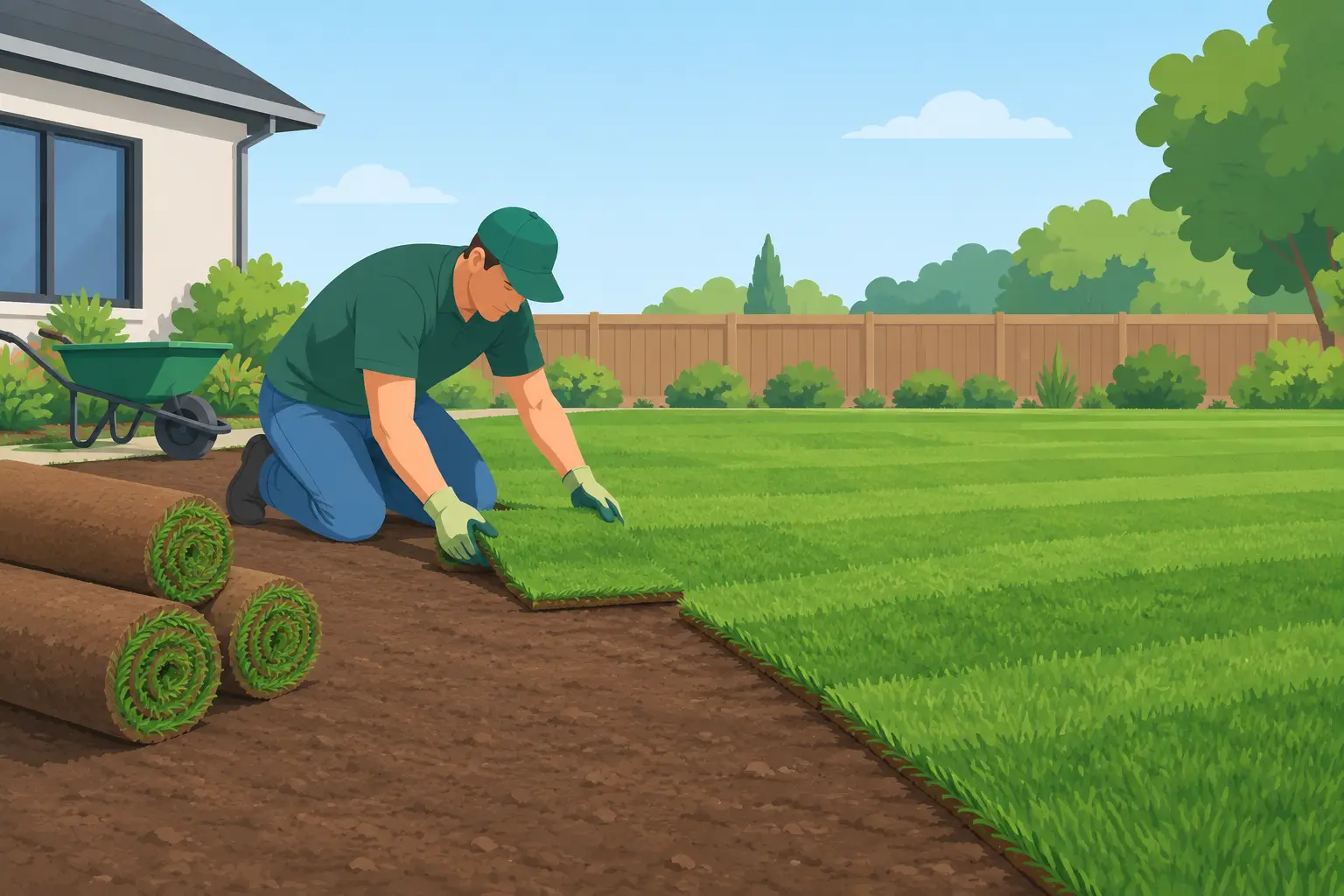
The real work happens below the turf. Professional installers remove existing grass and organic material, shape the area for proper water flow, and install a compacted aggregate base. This base creates a stable surface while giving water a path to move downward and outward. The turf is then secured, trimmed, brushed, and finished to create a clean lawn that does not shift under foot.
A homeowner may see a beautiful artificial lawn and assume the job was simple. The finished surface should look simple. The drainage plan underneath should not be an afterthought.
Why Dallas Soil Makes Drainage Planning Matter
Many Dallas-Fort Worth properties have heavy clay soil. Clay can hold water, drain slowly, and become slick or unstable after repeated rain. That is one reason a basic turf installation over compacted native soil can lead to problems.
A good installation plan accounts for the conditions already on the property. The yard may need a slight slope away from the home, retaining edges to contain the base, or a drainage solution near patios, pool decks, downspouts, and low spots. If water is already pooling against the foundation or collecting near a fence line, artificial grass alone will not solve it. The source of the water must be addressed first.
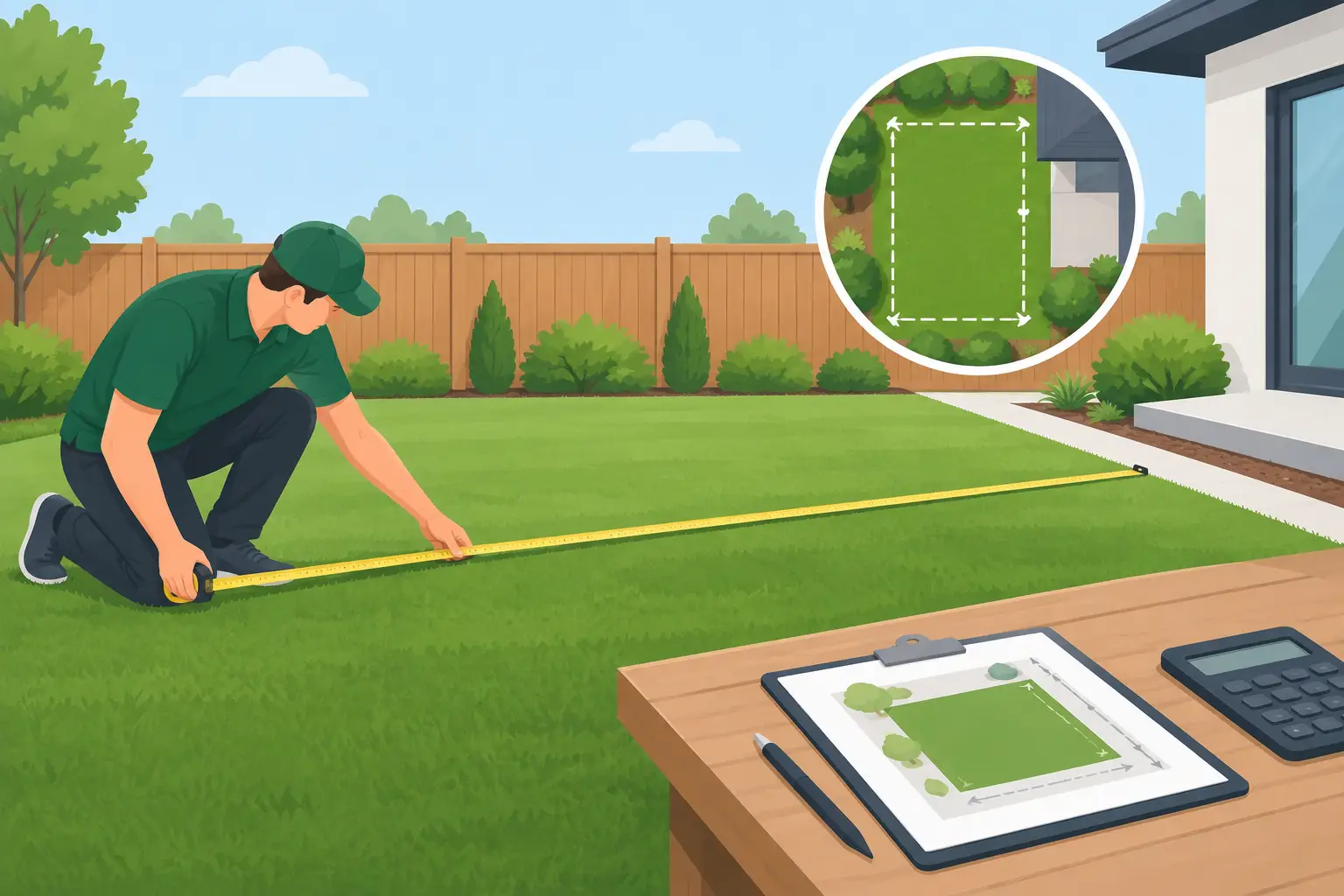
This is where working with a specialist matters. A professional should look at the entire site, not just measure the square footage of turf. Existing grade, roof runoff, soil condition, nearby hardscape, and the intended use of the yard all affect the best approach.
What a Proper Artificial Turf Drainage System Includes
There is no single base depth or drainage detail that fits every Dallas yard. A flat side yard with average runoff has different needs than a backyard below a raised patio or a play area used by two active dogs. Still, a dependable installation generally includes a few critical elements.
Correct grading
Water needs a place to go. Before the base is installed, the area should be shaped so surface water moves away from structures and does not settle in the middle of the lawn. Even a subtle grade can make a major difference during heavy rain.
Grading is especially important around foundations, pool areas, outdoor kitchens, and covered patios. Turf should support the way water naturally moves through the property, not trap it against expensive improvements.
A compacted, permeable aggregate base
The base creates the foundation for both drainage and long-term appearance. It must be deep enough for the site conditions, installed in controlled layers, and compacted correctly. A poor base can develop low spots over time, which means water can begin collecting even if the turf material itself drains well.
Compaction does not mean sealing the ground like concrete. The goal is a firm, even foundation made from materials that allow water to pass through while keeping the surface stable for foot traffic, patio furniture, and play.
Quality turf with effective backing
Not all artificial grass is built the same. The right product depends on whether the lawn is mainly for curb appeal, kids, dogs, poolside traffic, or a backyard putting green. Drainage rate, pile height, face weight, backing construction, and durability all matter.
For pet areas and high-use backyards, a turf product with strong drainage performance is often worth considering. It helps rainwater and rinse water move through the system more efficiently, which supports a cleaner surface and easier maintenance.
Drainage additions when the site requires them
Some properties need more than a standard permeable base. French drains, channel drains, catch basins, and extensions for downspouts may be needed when water concentrates in one area. These components should be planned before the turf goes in, not added after puddles appear.
A skilled contractor can also coordinate turf with stone, flagstone, walkways, retaining walls, and patio work so every part of the outdoor space works together. That approach avoids the common problem of improving one area while accidentally sending more water into another.
Signs Your Yard Needs Drainage Work Before Turf
Artificial grass can improve the look and function of a difficult yard, but it should not be used to hide a serious drainage issue. Ask for a drainage evaluation if you notice any of these conditions:
- Water stands in the yard for more than a day after normal rainfall.
- Rainwater flows toward the home, garage, or patio doors.
- Soil washes out beneath fences, along hardscape, or near downspouts.
- Your current lawn develops recurring muddy patches, deep ruts, or sinking areas.
- Water pools where a new turf lawn, pet run, or putting green is planned.
These issues do not automatically rule out artificial grass. They simply mean the preparation work needs to be more detailed. Fixing the water path first protects the new installation and can prevent larger problems around the property.
Artificial Grass Drainage for Pets, Kids, and Pool Areas
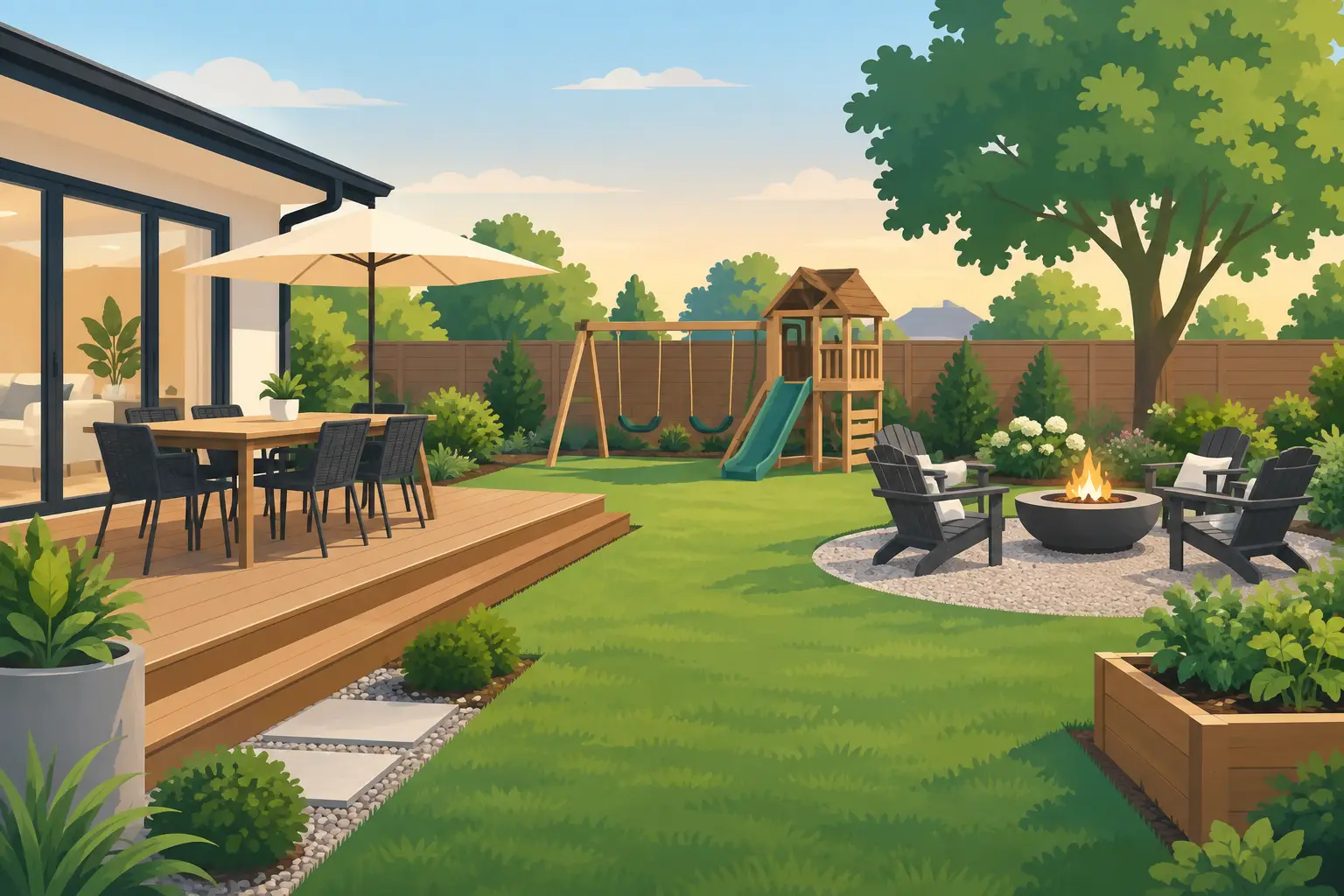
For families, drainage is about more than keeping a lawn green. It is about getting the backyard back sooner after a storm. A properly installed artificial lawn can reduce tracked-in mud, create a cleaner play surface, and make outdoor areas easier to use throughout the year.
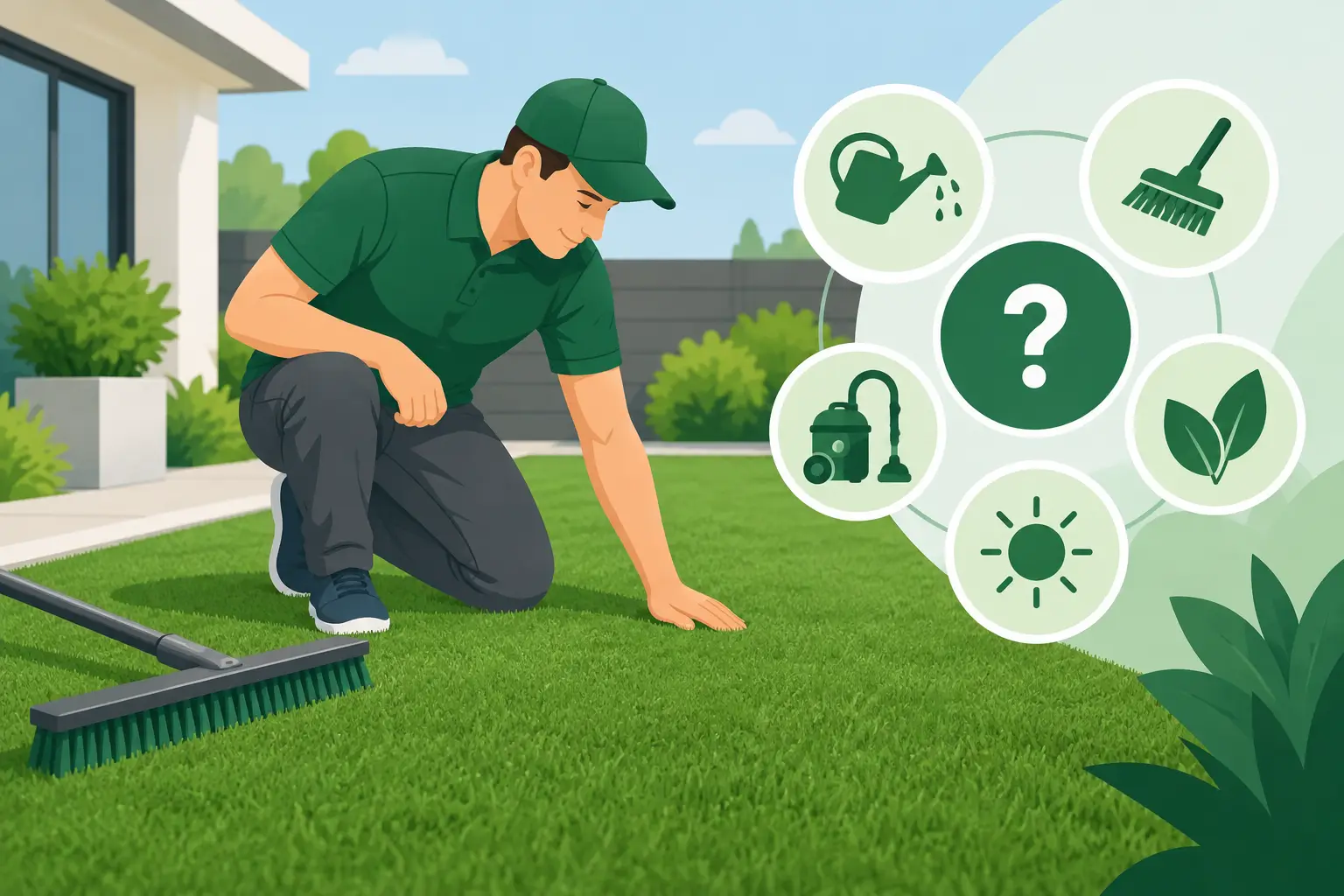
Pet owners should pay close attention to drainage and odor control. Rain and routine rinsing need to move through the turf and base efficiently. The turf should also be selected and installed with pets in mind, including appropriate infill and a plan for regular cleaning. Artificial grass is low maintenance, not no maintenance. Removing solid waste promptly, rinsing frequently used areas, and treating odors when needed will help keep the lawn fresh.
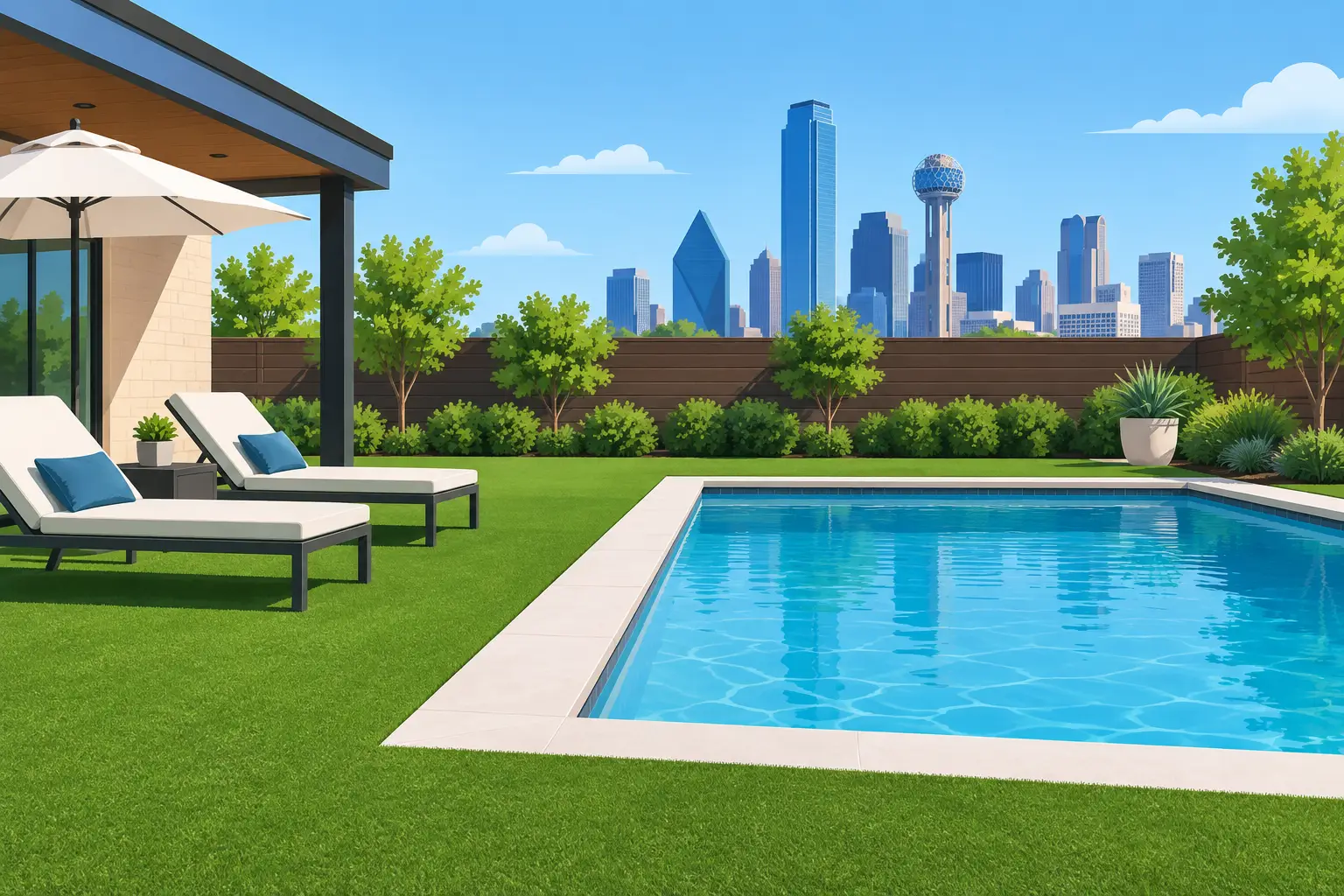
Around pools, drainage planning becomes even more important. Water splashing from the pool, wet feet, and occasional heavy rainfall all add moisture to the area. Artificial grass can provide a comfortable, attractive surface around a pool, but the grade and drainage details must keep water moving away from the house and pool equipment.
What Can Cause Artificial Turf to Drain Poorly?
When artificial grass holds water, the turf is not always the problem. The cause may be insufficient base material, poor compaction, incorrect grading, blocked drainage paths, or an existing low spot that was never corrected. In some cases, an installer may lay turf over soil that has not been properly excavated and prepared. That shortcut can save time at the start, but it can create an uneven, wet surface later.
Infill can also affect performance if too much is used or if the wrong type is selected for the application. The surface needs to be brushed and maintained so the turf fibers remain upright and water can move through as intended.
The trade-off is straightforward: a low-price installation may look acceptable on day one, while a properly built system costs more upfront because it includes excavation, base preparation, grading, and finishing work. For a lawn expected to handle Texas weather for years, the foundation is where long-term value is built.
How to Choose the Right Installer for a Drainage-Ready Lawn
Before hiring an artificial grass contractor, ask how they evaluate drainage before installation. A clear answer should cover existing grades, base materials, water flow from roofs and hardscape, and solutions for known low spots. Be cautious of anyone who offers a firm price without looking at the site or treats drainage as an optional detail.
You should also ask what happens if the project includes other outdoor work. A new patio, retaining wall, walkway, or stone border can change how water moves through the yard. Having one experienced team plan the complete outdoor surface can keep the project cleaner, more coordinated, and less likely to require rework.
Sod Green helps Dallas-Fort Worth homeowners build artificial turf systems that look sharp and perform when the weather turns. The goal is not just to cover a problem area. It is to create an outdoor space that stays stable, drains properly, and is ready for everyday life.
If your yard turns into a muddy mess every time a storm rolls through, do not settle for turf laid over the same problem. Start with a site plan that gives water a clear path, then build the lawn on a foundation made to last.

Leave A Comment