 Skip to content
A backyard can look finished on a drawing and still fail in real life. In Dallas, a patio that gets full afternoon sun can become too hot to use, a walkway can collect water after a storm, and a beautiful lawn can turn muddy where kids and dogs run most. This backyard hardscape design guide starts with the practical decisions that make an outdoor space comfortable, durable, and worth the investment.
Hardscape is the permanent framework of your yard: patios, walkways, retaining walls, stone borders, steps, fire pit areas, pool decks, and drainage features. When those pieces are planned correctly, they give artificial grass, sod, planting beds, and outdoor furniture a clean place to work together.
Start With How Your Backyard Will Be Used
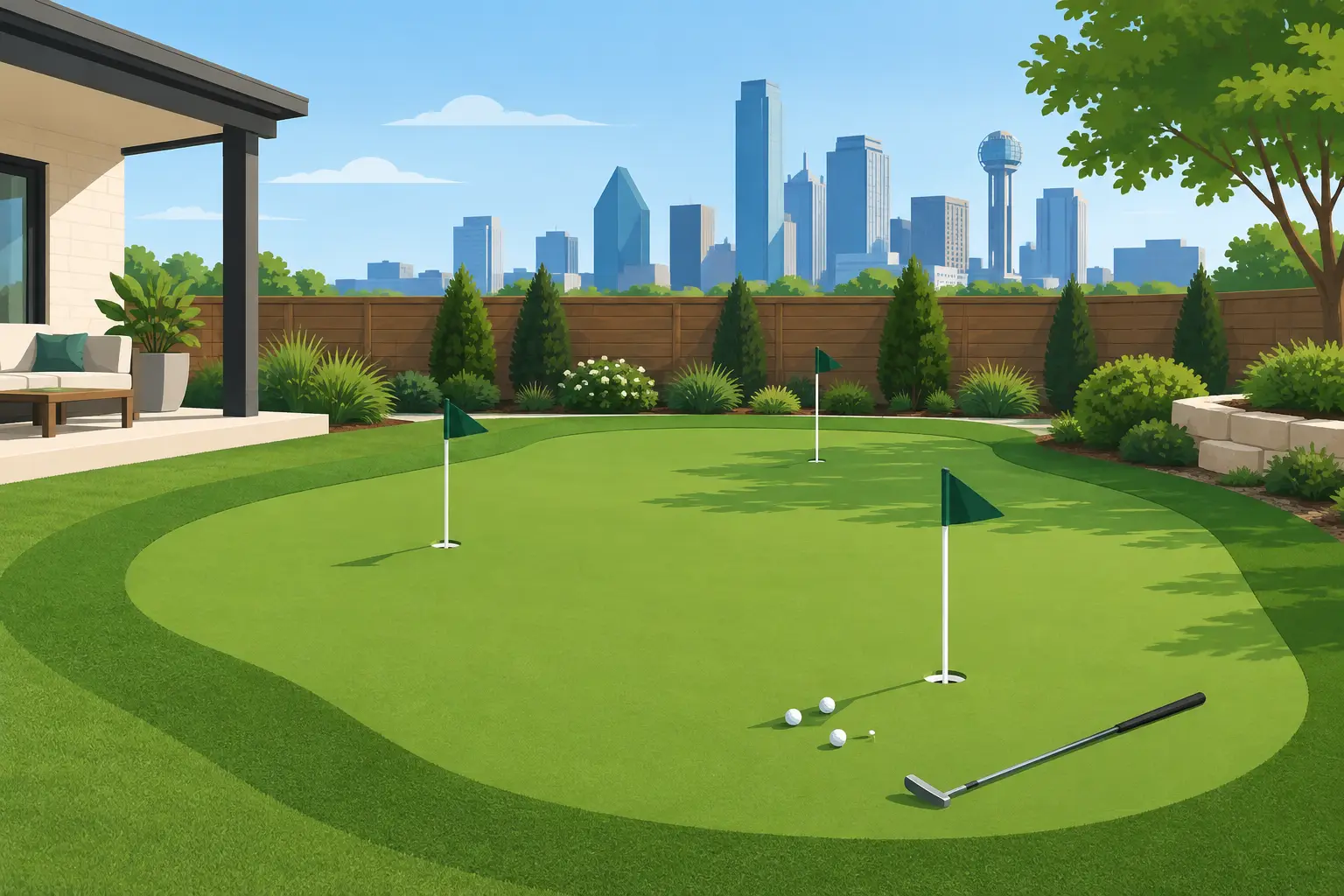
Before choosing flagstone or pavers, decide what the yard needs to do. A family with young children may need an open play area, a durable path from the back door to the gate, and a low-maintenance turf surface. A pool owner may need safer circulation around the deck, drainage that moves water away from the home, and enough patio space for chairs and grilling. A golf enthusiast may want a putting green framed by stone edging and a seating area for guests.
The best hardscape layouts are built around traffic, not just appearance. Watch where people already walk. Notice the muddy strip between the driveway and side gate or the worn grass between the patio and pool. Those are usually the right places for a walkway, stepping-stone path, or expanded patio.
It also helps to identify the parts of the yard that need to stay flexible. A large fixed patio may look impressive, but it can take away valuable play space in a smaller backyard. On the other hand, a narrow concrete pad may not be enough if you regularly host family gatherings. The right size depends on how many people will use the space at one time and how much open yard you want to keep.
Build the Backyard Hardscape Design Around Drainage
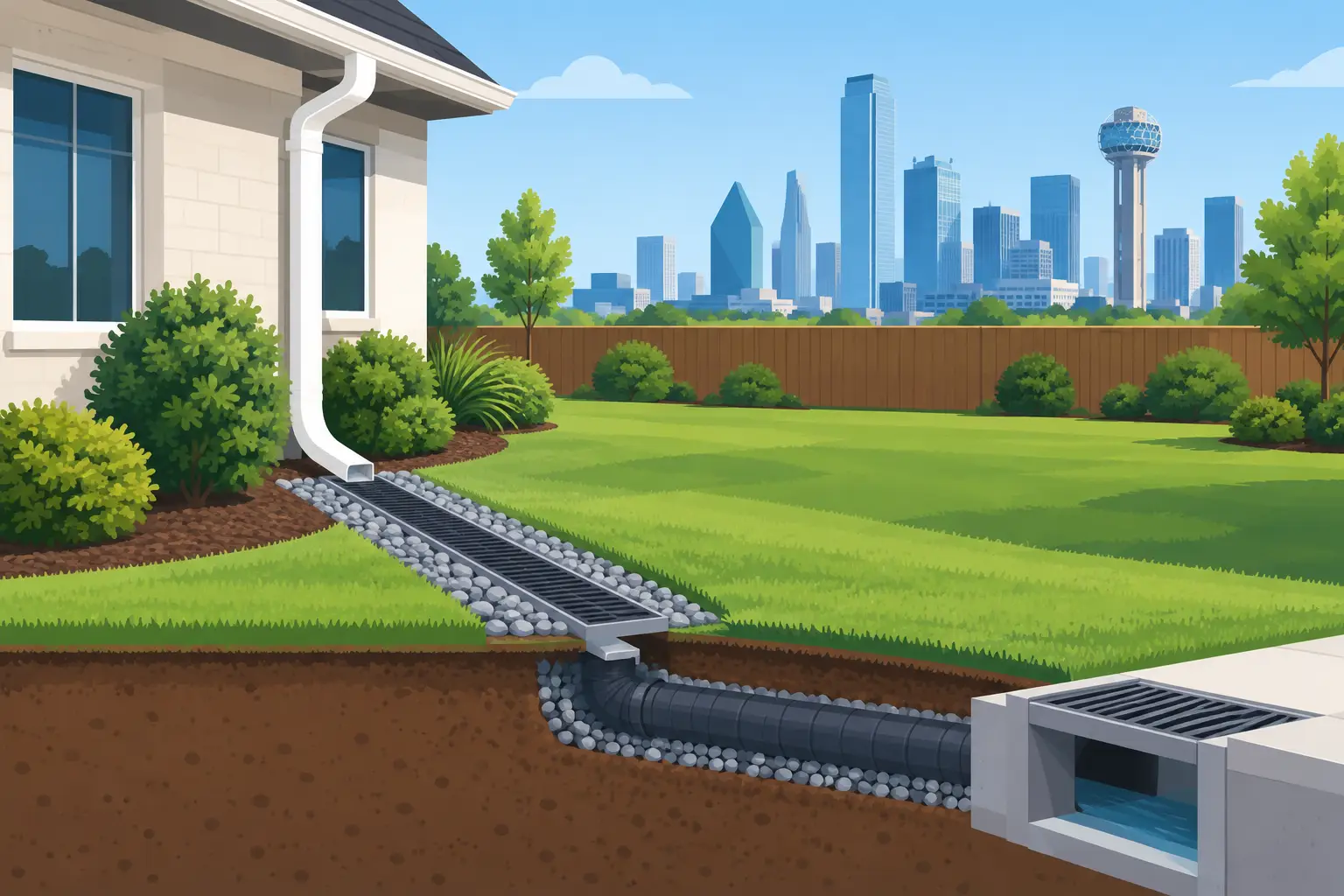
Drainage should be settled before material selection. It is much easier and less expensive to install proper grading, drains, or catch basins while a patio and turf area are being built than to tear up finished work later.
Dallas-Fort Worth weather can bring long dry periods followed by heavy rain. Water that sits against the house, pools on a patio, or runs toward a neighbor’s property can create bigger problems than an unattractive yard. A professional design considers the existing slope, downspout locations, soil conditions, fence lines, and any low spots that hold water.
Patios and walkways need a controlled slope that directs water away from the home without feeling uneven underfoot. Retaining walls may need drainage stone and proper outlets behind them. Artificial grass needs a well-prepared base and a drainage plan that fits the site. These details are mostly hidden after installation, but they are what separate a clean, long-lasting project from one that starts shifting, settling, or holding water.
Choose Materials That Fit the Home and the Texas Climate
There is no single best hardscape material. The right choice comes down to style, budget, maintenance expectations, foot traffic, and heat exposure.
Concrete can be a smart option for larger patios because it creates a solid, clean surface and is often cost-effective per square foot. It can be finished in a range of colors and textures, but it needs properly prepared soil and control joints to manage cracking over time. Decorative concrete may suit a modern backyard, while a broom finish is often a practical choice for traction near pools and outdoor kitchens.
Flagstone gives a backyard a more natural Texas look. It works especially well for patios, pathways, garden transitions, and poolside spaces. Each stone has variation, which gives the finished area character, but that also means installation takes careful layout and leveling. Flagstone can be set with tight joints for a more formal result or with wider joints that pair well with turf or groundcover.
Pavers offer a polished, organized look and are available in many shapes and colors. They are a strong choice for patios, walkways, and defined entertaining spaces. Because individual pavers can be repaired or replaced, they can be practical where soil movement is a concern. Quality base preparation still matters. Pavers installed over a weak base can shift and create uneven joints.
Gravel and decomposed granite can be useful in the right location, particularly for informal paths, side yards, or seating areas. They are usually less expensive than a full stone patio, but they are not ideal for every household. Loose material can move under heavy foot traffic, get tracked into pools or homes, and be difficult for patio furniture with narrow legs. A stabilizing system and solid edging make a major difference.
Plan Shade, Heat, and Outdoor Comfort Early
A hardscape project should not stop at the ground surface. In North Texas, shade often determines whether a backyard gets used in July and August. Consider where the sun lands from late afternoon through dinner time, especially over the main seating area.
A covered patio, pergola, shade sail, or strategically placed tree can change how a space feels. If a future pergola or outdoor kitchen is part of the plan, account for its footings, electrical needs, and gas lines before the patio is installed. Planning ahead avoids cutting into new concrete or stone later.
Surface color also matters. Darker materials can absorb more heat, while very light finishes may create glare around a pool. Texture affects comfort and safety as well. Smooth stone may look sharp, but a slip-resistant finish is usually the better call near water, exterior steps, and frequently used walkways.
Connect Hardscape to Turf, Sod, and Planting Areas
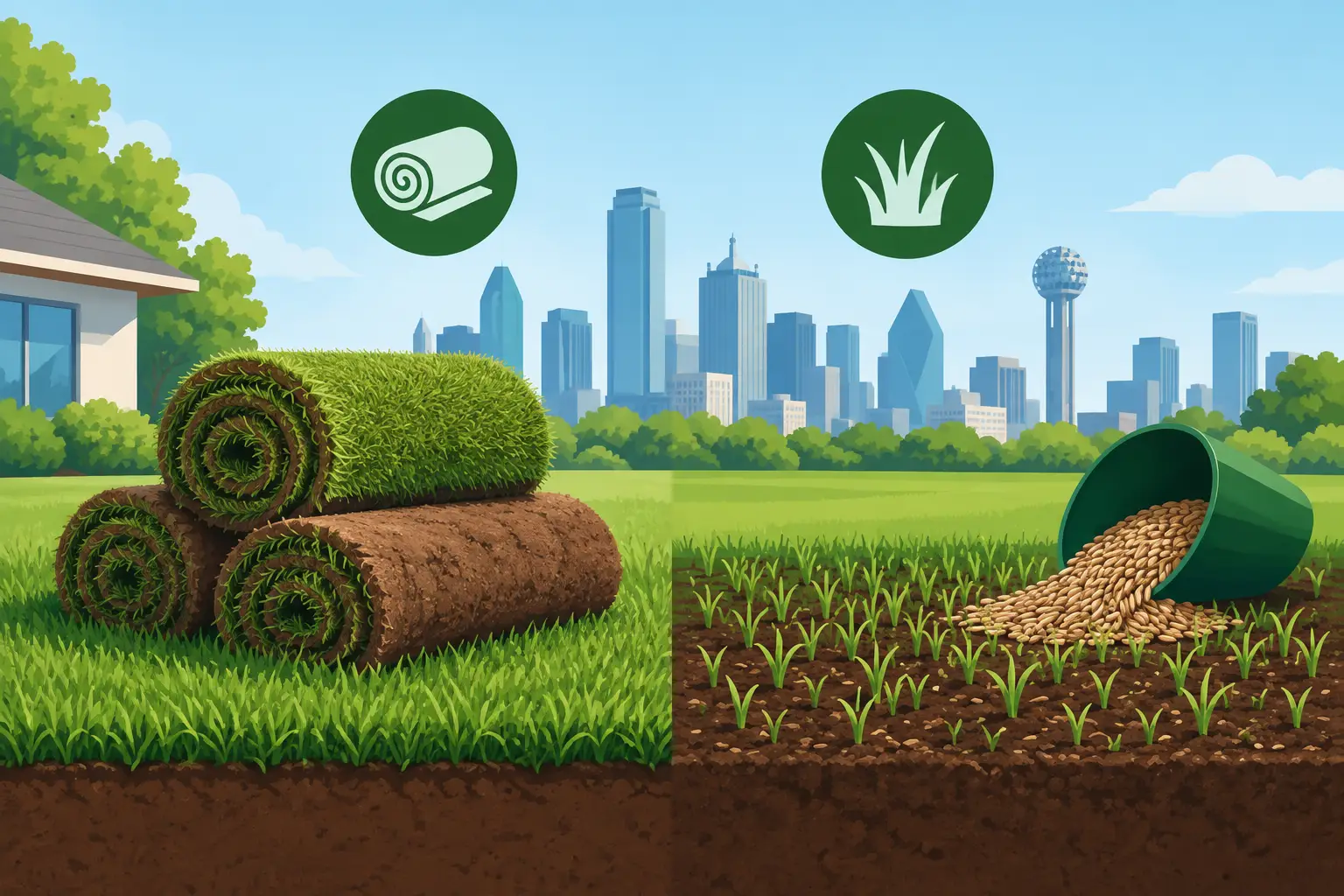
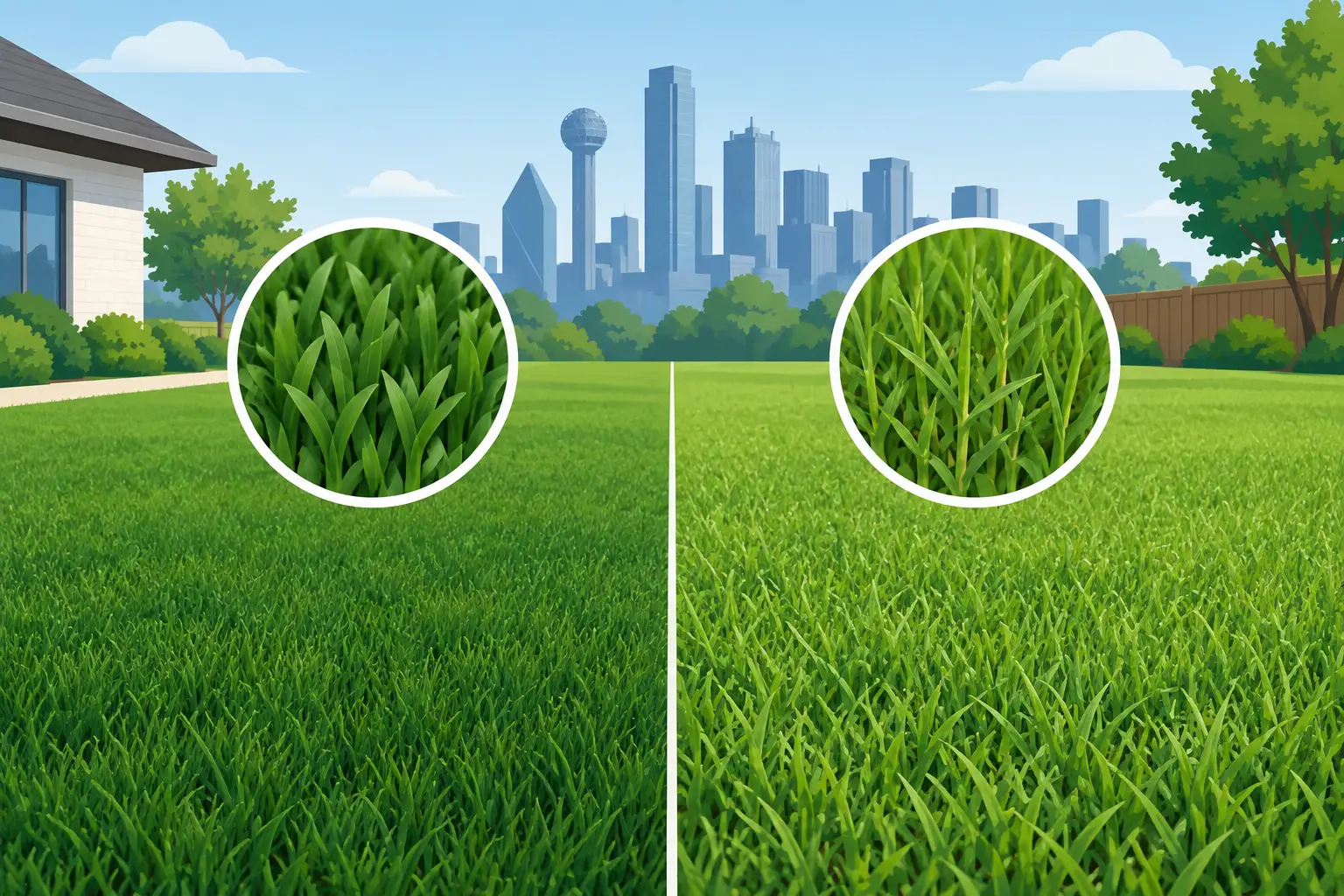
Hardscape should frame the green areas rather than compete with them. A clean stone or paver border can give artificial grass a finished edge, keep mulch out of the turf, and create a natural transition between a patio and a lawn. For natural sod, edging helps define planting beds and reduces the chance of grass creeping into areas where it does not belong.
Artificial turf is especially useful in high-traffic zones that would otherwise become bare dirt. It can work between pavers, along a narrow side yard, around a putting green, or in a backyard where pets and children need a clean surface year-round. It is not always the answer for every square foot. Some homeowners prefer real sod in a larger open lawn and turf only where shade, traffic, or water use makes grass difficult to maintain.
Keep planting beds accessible. Shrubs and trees still need trimming, irrigation checks, and seasonal attention. A narrow stone maintenance path behind a planting bed can save a lot of hassle if the space is tight. Where tree roots are established, hardscape may need a different layout or a more flexible material choice to avoid damaging the tree or creating future movement.
Give Every Transition a Purpose
The strongest backyard designs make moving through the space feel easy. Steps should be wide enough to use comfortably, with consistent rise and depth. Walkways should lead somewhere useful, such as a gate, grill, pool equipment pad, or seating area. Retaining walls should solve a grade issue while also creating a planting ledge or extra seating opportunity.
Avoid adding stone features simply because they look good in a photo. A curved wall, raised planter, or fire pit needs enough clearance around it for people to walk, pull out chairs, and use the yard without feeling crowded. Scale matters just as much as material.
Lighting is another transition detail that deserves early planning. Low-voltage path lights, step lights, and soft patio lighting improve safety after dark and make the backyard more usable. Installing conduit or planning fixture locations before hardscape goes in is cleaner than running visible wiring afterward.
Budget for the Work Below the Surface
Homeowners often compare projects by the visible material price, but the lasting value is usually below grade. Excavation, base material, compaction, drainage, edging, reinforcement, and proper installation labor all affect the final result.
If the budget needs to be phased, build the foundation work with the full plan in mind. For example, install the main patio and drainage now, then add a fire feature, pergola, turf section, or outdoor kitchen later. This approach can protect your investment while keeping the project manageable.
Be clear about what a quote includes. Ask how the area will be excavated, how water will drain, what base will be used, how edges will be secured, and how the crew will protect the rest of the property. A dependable contractor should be able to explain the process plainly and leave the job site clean when the work is done.
A well-built backyard does more than create a nicer view from the kitchen. It gives your family a place to gather, play, relax, and enjoy without constantly fighting mud, weeds, standing water, or worn-out grass. When you are ready to turn a rough idea into a practical plan, Sod Green can help bring the hardscape, turf, drainage, and landscape pieces together into one finished outdoor space.


Leave A Comment