
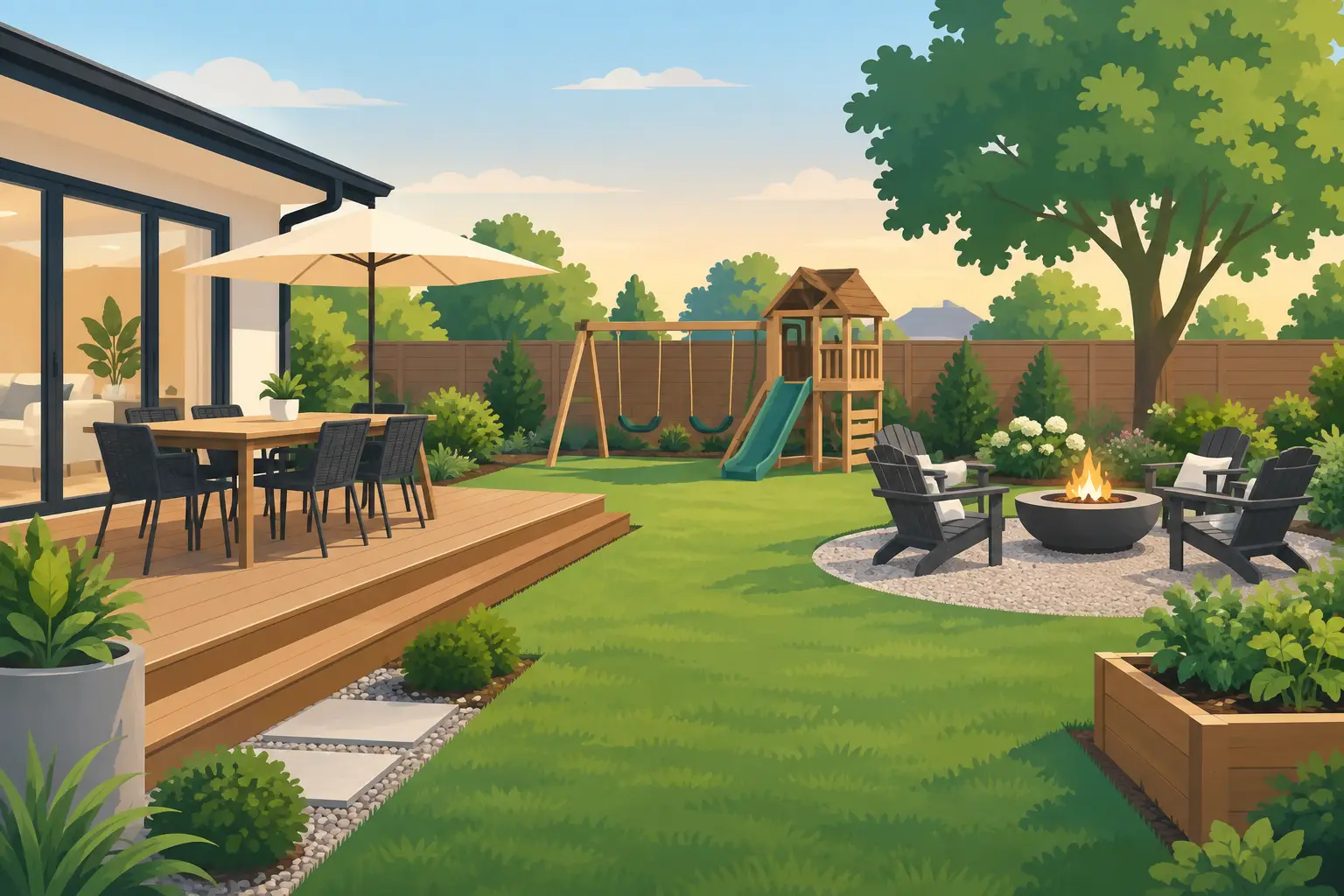
A turf lawn can look finished in a day, but the result depends on what goes under it. That is why artificial grass installation materials matter so much. Homeowners usually notice the grass color and texture first, but the base, edging, infill, and drainage setup are what determine whether the lawn stays flat, drains well, and holds up to kids, pets, and Texas weather.
If you are comparing quotes, this is one of the biggest differences between a quick cover-up and a professional installation. Good turf is only part of the job. The materials beneath and around it are what keep the surface clean, stable, and built to last.
Why artificial grass installation materials matter
Artificial turf is not just rolled out on bare dirt and called done. A proper system is layered. Each part has a job, whether that is stopping weeds, creating a solid base, supporting drainage, or keeping the edges from lifting over time.
In North Texas, that matters even more. Heat, heavy rain, clay soil, and active backyards can expose weak prep work fast. If the wrong materials are used, the turf can shift, ripple, hold water, or wear down sooner than it should. When the right materials are used from the start, the lawn looks better and needs fewer fixes later.
The base materials under artificial grass
The base is one of the most important parts of the entire installation. It gives the turf a stable foundation and helps water move through the system instead of sitting on top.
Excavation and subgrade prep
Before any base material goes down, the existing surface has to be removed and graded. That may include natural grass, roots, loose soil, old rock, or debris. The ground below needs to be shaped correctly so water moves away from the home and does not pool in low spots.
This stage is where a lot of long-term problems start or get prevented. If the subgrade is uneven or soft, no top layer will fully hide that. You may not notice it on day one, but it shows up later as dips, bumps, or drainage issues.
Crushed aggregate base
Most quality installations use a compacted aggregate base, often made from decomposed granite or crushed stone blends. This layer creates stability while still allowing drainage. It is spread in lifts, graded carefully, and compacted so the turf has a firm, even surface to sit on.
The exact material can vary based on the site. A putting green, pet area, and front lawn may not all need the same approach. Soil conditions also matter. In some yards, especially where drainage is already poor, the base design needs extra attention.
Weed barrier fabric
A weed barrier is often added between the ground and the base or beneath the turf system, depending on the installation method. Its job is simple – reduce weed growth pushing up through the surface.
It is helpful, but it is not magic. A weed barrier works best as part of a full prep process, not as a shortcut for poor site cleaning. If roots and organic material are left behind, problems can still show up over time.
Artificial grass installation materials for drainage
Drainage is a major reason homeowners switch to synthetic turf, especially in backyards that turn muddy after storms. But turf only drains as well as the system beneath it.
Permeable turf backing
Most artificial grass products are built with perforated or fully permeable backing so water can pass through. That allows rain or wash-down water to move through the turf and into the base below.
This is especially important for pet owners. A turf system that drains properly is easier to rinse, cleaner to maintain, and less likely to hold odor.
Drainage support materials
Some properties need more than a standard base. If the yard has heavy clay, low spots, or recurring water issues, additional drainage materials may be needed. That can include extra gravel depth, trench drains, catch basins, or tie-ins to existing drainage systems.
This is where experience matters. Not every lawn needs a complicated drainage build, but some absolutely do. The right contractor should be able to spot that early instead of waiting until water starts sitting on the finished surface.
Edging and fastening materials
The edge of the turf is what keeps the whole installation looking tight and professional. Without a solid perimeter, even good turf can start to move or curl.
Bender board, composite edging, or hardscape borders
Artificial turf usually needs a defined edge. That might be flexible bender board, composite edging, concrete borders, pavers, or another hardscape transition. The best option depends on the layout of the yard and the look you want.
For example, a clean modern backyard may work well with concrete or stone borders, while curved planting beds may need a more flexible edging material. The point is not just appearance. Strong edging helps hold the turf in place and creates a cleaner finish where surfaces meet.
Nails, spikes, and fastening points
Installers use fastening materials to secure the turf around the perimeter and in key areas. These may include galvanized nails or turf spikes, depending on the base and application.
Quality matters here too. Cheap fastening materials can loosen, rust, or fail sooner. Proper spacing and installation also matter. Too few fasteners can allow movement, while sloppy placement can affect the final appearance.
Seam materials and adhesive
Most turf projects require at least one seam. Large lawns, shaped areas, and custom layouts often need multiple pieces joined together. A bad seam stands out immediately. A good seam blends in and stays secure.
Seam tape and turf adhesive
Seam tape is used below adjoining turf sections, with adhesive applied to bond them together. This process needs precision. If the glue is rushed, the seam can separate. If the turf grain is misaligned, the area may look patched instead of continuous.
Not every adhesive performs the same way in outdoor heat. In Texas, products need to handle strong sun and temperature swings. That is one more reason installation materials should never be chosen based on price alone.
Infill materials and how they affect performance
Infill is the material brushed into the turf after installation. It helps support the blades, adds weight, and affects how the lawn feels underfoot.
Silica sand infill
Silica sand is a common infill choice for many landscape turf applications. It helps the blades stand up, improves stability, and gives the surface a more finished feel. For many residential lawns, it is a practical option that balances cost and performance.
Pet-friendly and performance infills
Some projects need more specialized infill. Pet areas may benefit from infill selected for better drainage and odor control. Play spaces and athletic surfaces may use different products based on cushion, cooling, or traffic demands.
There is always a trade-off. Premium infills can improve comfort or performance, but they also raise the project cost. The right choice depends on how the yard will be used, not just what sounds best on paper.
The turf itself is still a material choice
When people talk about artificial grass installation materials, they often focus on what goes underneath. That makes sense, but the turf product itself still needs to match the job.
Pile height, face weight, blade shape, color blend, and backing strength all affect the final result. A front yard built for curb appeal may use a different turf than a dog run or backyard putting green. Taller turf can look lush, but in some settings it may mat down faster. Shorter turf can be easier to maintain, but it may not deliver the same soft look homeowners want.
A contractor who installs turf every day should help you match the material to the purpose. That is a better approach than picking based on a sample alone.
What homeowners should ask before installation
If you are reviewing proposals, ask what base material will be used, how deep it will be installed, what edging method is included, and whether infill is part of the price. You should also ask how drainage will be handled and what seam method the crew plans to use.
Those questions are not about getting technical for the sake of it. They help you understand whether the company is building a real turf system or just covering the yard fast. A lower quote can look attractive at first, but missing materials usually show up later as repairs, odor issues, uneven spots, or a lawn that does not hold up.
For homeowners in Dallas-Fort Worth, the best results come from an installation built for local conditions and real family use. At Sod Green, that means treating every layer of the project seriously, from the base and drainage to the final clean finish. The grass may get the attention, but the materials underneath are what make the whole yard work.
A good-looking turf lawn starts with smart material choices, and that is what keeps it looking sharp long after installation day.

Leave A Comment