 Skip to content

A Dallas yard can go from worn-out, muddy, and difficult to maintain to clean, green, and ready to use in a matter of days. The best turf transformation examples are not just about replacing brown grass. They solve a real problem: a dog-run path that will not grow back, a poolside area that stays muddy, a front lawn that never looks consistent, or a backyard that needs to work harder for the family living there.
For North Texas homeowners, the right answer depends on how the space is used, how water moves through the property, and whether the goal is a natural lawn, low-maintenance artificial turf, or a complete outdoor upgrade. Here are practical ways a turf installation can change the look and function of a property.
Turf Transformation Examples That Solve Real Problems
A patchy front yard becomes a clean curb-appeal upgrade
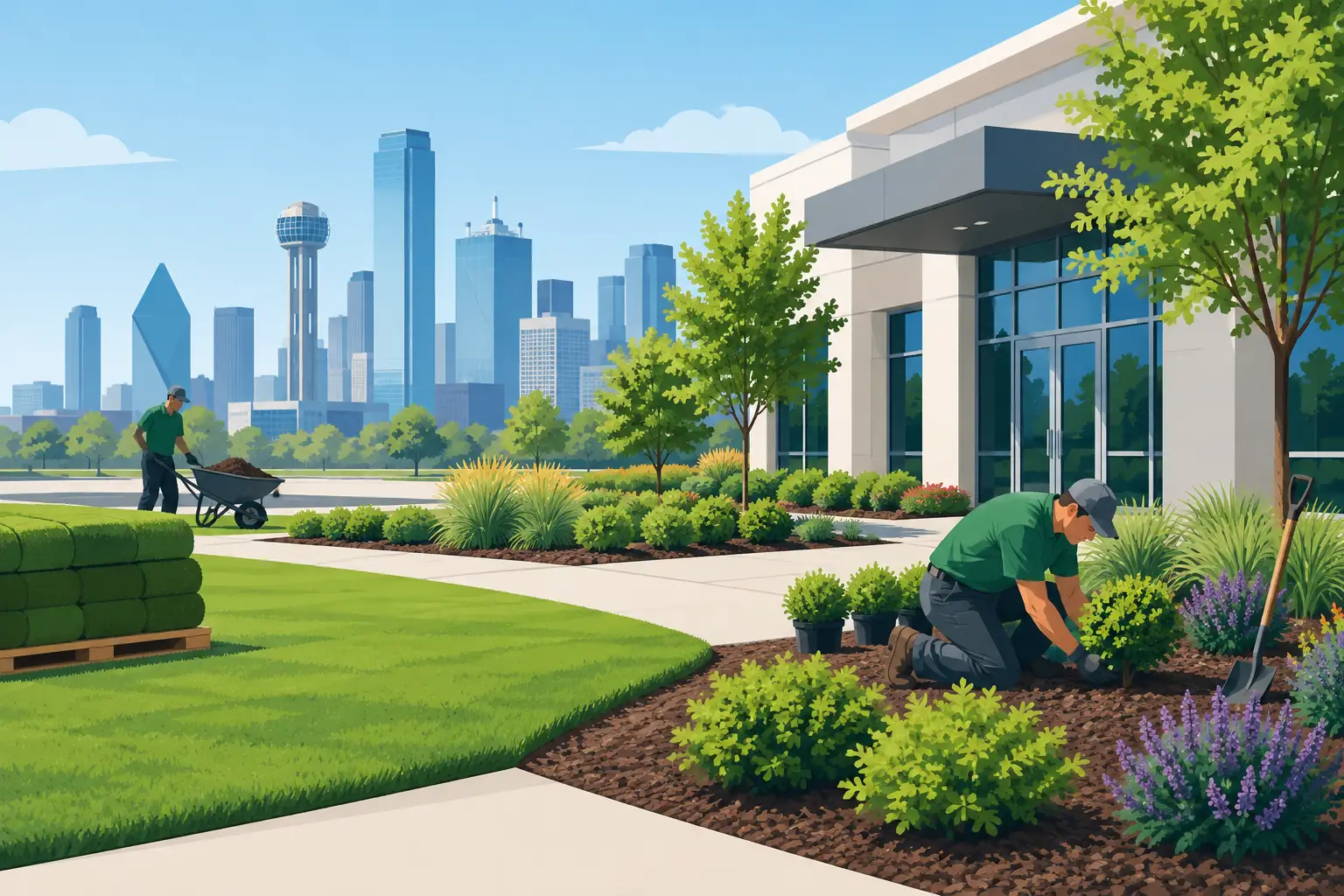
The front yard is often the first place homeowners notice a lawn problem. Thin grass, bare spots near the sidewalk, weeds, and uneven color can make an otherwise well-kept home look neglected. Fresh sod is a strong option when the homeowner wants a natural lawn with an immediate visual improvement.
A proper sod transformation starts below the surface. Old material is removed, the grade is checked, and the soil is prepared so the new sod has a fair chance to establish. In Dallas-Fort Worth, sun exposure and irrigation coverage matter as much as the sod variety itself. A shaded front yard may need a different grass selection than a wide-open lot that receives intense afternoon sun.
The result is not just greener grass. It is a more finished entry, cleaner edges along beds and walkways, and a lawn that better supports the value of the home. Sod still needs water, mowing, and seasonal care, but it gives homeowners the natural look many prefer without waiting months for seed to fill in.
A muddy dog yard turns into a usable pet area
Dogs are tough on grass, especially along fence lines, near gates, and in the one spot where they run the same route every day. The usual result is compacted dirt, mud tracked into the house, and a yard that looks bare even after repeated attempts to reseed or resod it.
Artificial grass can be a practical fix for a dedicated pet area. Quality pet turf stays green through heavy use and eliminates the mud problem that makes rainy weeks frustrating. The installation needs the right base, drainage preparation, and turf product. Those details determine whether the area drains properly and stays stable under active dogs.
Pet turf is not maintenance-free in the literal sense. Homeowners should remove solid waste promptly, rinse the area when needed, and brush high-traffic sections occasionally. But compared with replacing dead grass and cleaning muddy paw prints, the maintenance is far more manageable. For a family that wants the dogs outside without sacrificing a clean backyard, this is one of the most practical turf transformations available.
A bare poolside becomes a safer outdoor living space
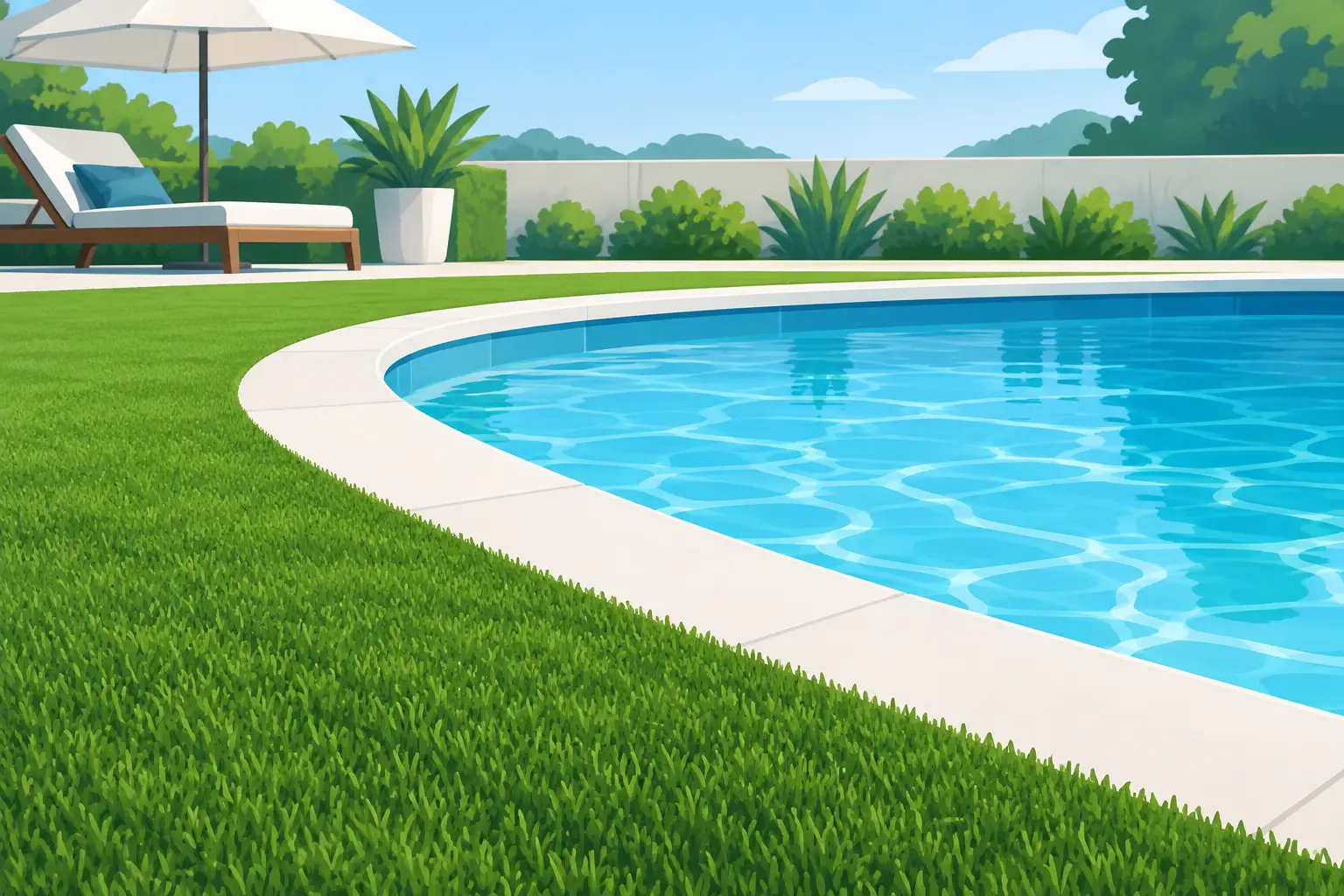
Pool decks can create landscaping challenges. Grass beside the pool may turn thin from splashing, foot traffic, and reflected heat. Dirt and mulch can wash or blow into the water. A narrow strip of worn grass can also make an otherwise polished pool area feel unfinished.
Artificial turf around a pool creates a softer visual transition between hardscape and landscape. It provides a clean, finished surface without the dust and clippings associated with natural grass. It also pairs well with flagstone, pavers, concrete coping, and planted borders when the layout is planned as one complete space.
There are trade-offs to consider. Turf can warm up in direct Texas sun, especially on the hottest summer afternoons, and it should be selected and installed with drainage in mind. A qualified installer can help position turf where it brings the most benefit while preserving practical walkways and drainage paths. Done right, the area looks intentional instead of pieced together.
A neglected backyard becomes a family play zone
Many backyards have plenty of square footage but very little usable space. Grass may be uneven, worn under a swing set, or constantly damaged by kids playing ball. Families often end up avoiding the yard because it is muddy after rain or too rough for children to play comfortably.
A turf play area creates a consistent surface for everyday use. It can be installed as a full backyard lawn or in a defined zone beside a patio, playset, or outdoor seating area. The biggest benefit is reliability. The yard is ready for a quick game, a birthday party, or an afternoon outside without the homeowner worrying about bare patches or muddy shoes.
For this type of project, drainage and base preparation should never be shortcuts. Dallas clay soils can hold water, and an attractive surface will not perform well if the ground below it is not addressed. In some cases, adding drainage work before installing turf is the difference between a backyard that looks good temporarily and one that stays usable year after year.
An unused corner becomes a backyard putting green
A custom putting green is one of the most recognizable turf transformation examples because it changes an unused section of the yard into a feature people actually enjoy. It can fit beside a patio, along a pool, or in a side-yard area where natural grass struggles.
The best backyard greens are designed around the property, not dropped onto it as a generic rectangle. Size, cup placement, fringe areas, slope, and approach angles all affect how the green plays. A golfer who wants to practice short putts may need a different layout than a homeowner who wants a fun feature for guests and family.
This project works especially well when combined with a small seating space, stone edging, landscape lighting, or a walkway that connects it to the rest of the yard. It is a premium upgrade, so it makes sense to invest in a well-built base and a layout that fits the property. A green that is too small or poorly placed can feel like an afterthought. A custom design feels like part of the home.
A difficult side yard becomes a clean connector
Side yards are often ignored because they are narrow, shaded, or hard to mow. They can also become drainage channels, muddy paths to trash bins, or dead zones between the front and back yard. Rather than repeatedly fighting the grass, homeowners can turn the space into a clean, low-maintenance corridor.
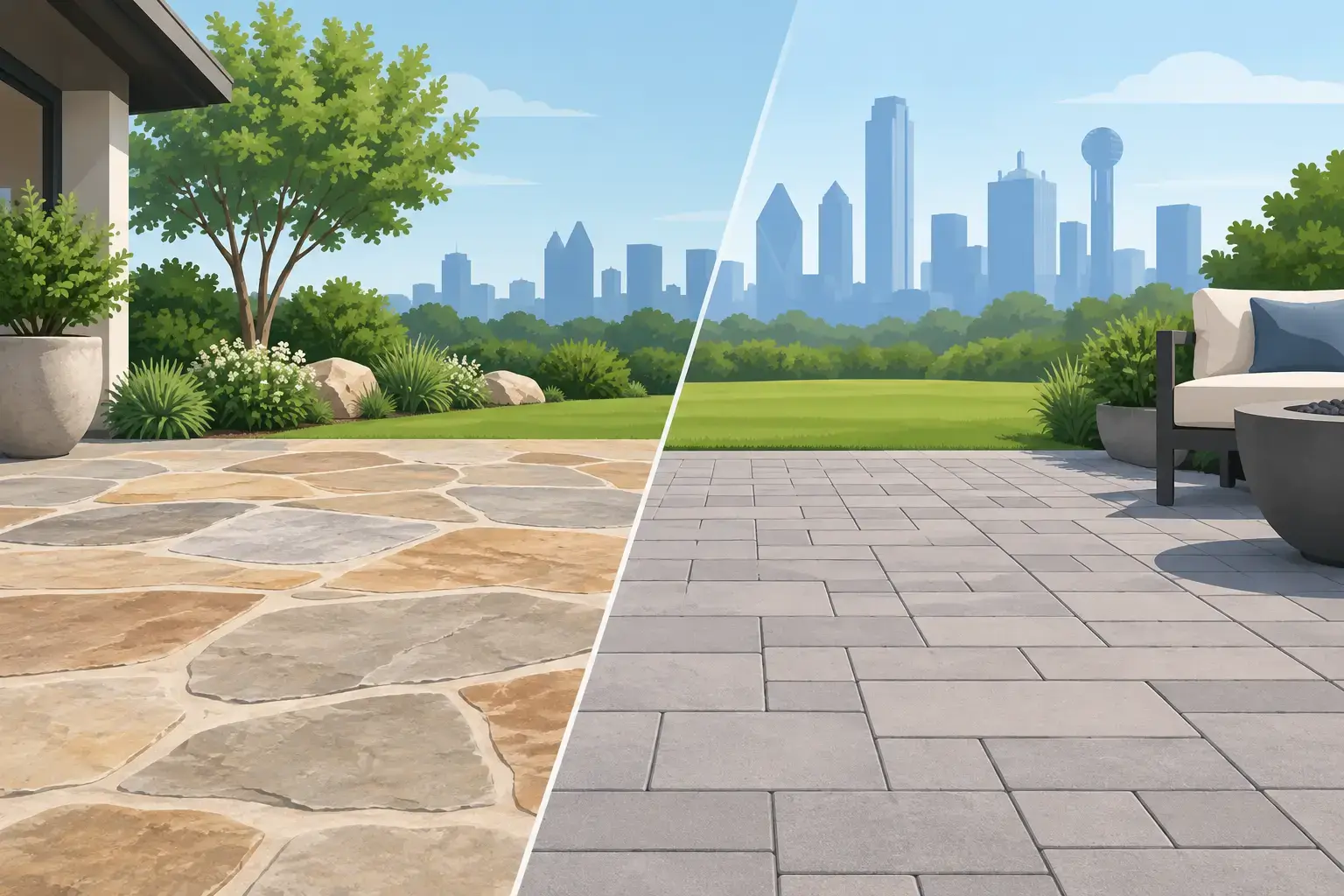
Artificial turf, stepping stones, gravel, or flagstone can all work in a side yard. The best choice depends on traffic and water flow. Turf creates a softer look for a pathway used by children or pets, while stone may be the better fit near equipment or heavily traveled gates. Combining materials can provide the strongest result, with hardscape under high-wear areas and turf where a green finish adds value.
What Makes a Turf Transformation Last
A good-looking lawn is easy to photograph on installation day. A lasting lawn depends on what happens before the turf or sod is laid. The site needs proper removal, grading, base work where needed, and attention to drainage. Skipping those steps can lead to low spots, standing water, visible seams, and a surface that shifts over time.
Material selection also matters. Not every artificial grass product is right for pets, pool areas, putting greens, or full residential lawns. Likewise, natural sod must match the property’s sunlight, soil conditions, and willingness to provide ongoing care. Homeowners should be cautious about choosing solely by the lowest quote. A low price is not a value if the installer cuts corners on preparation or leaves a mess behind.
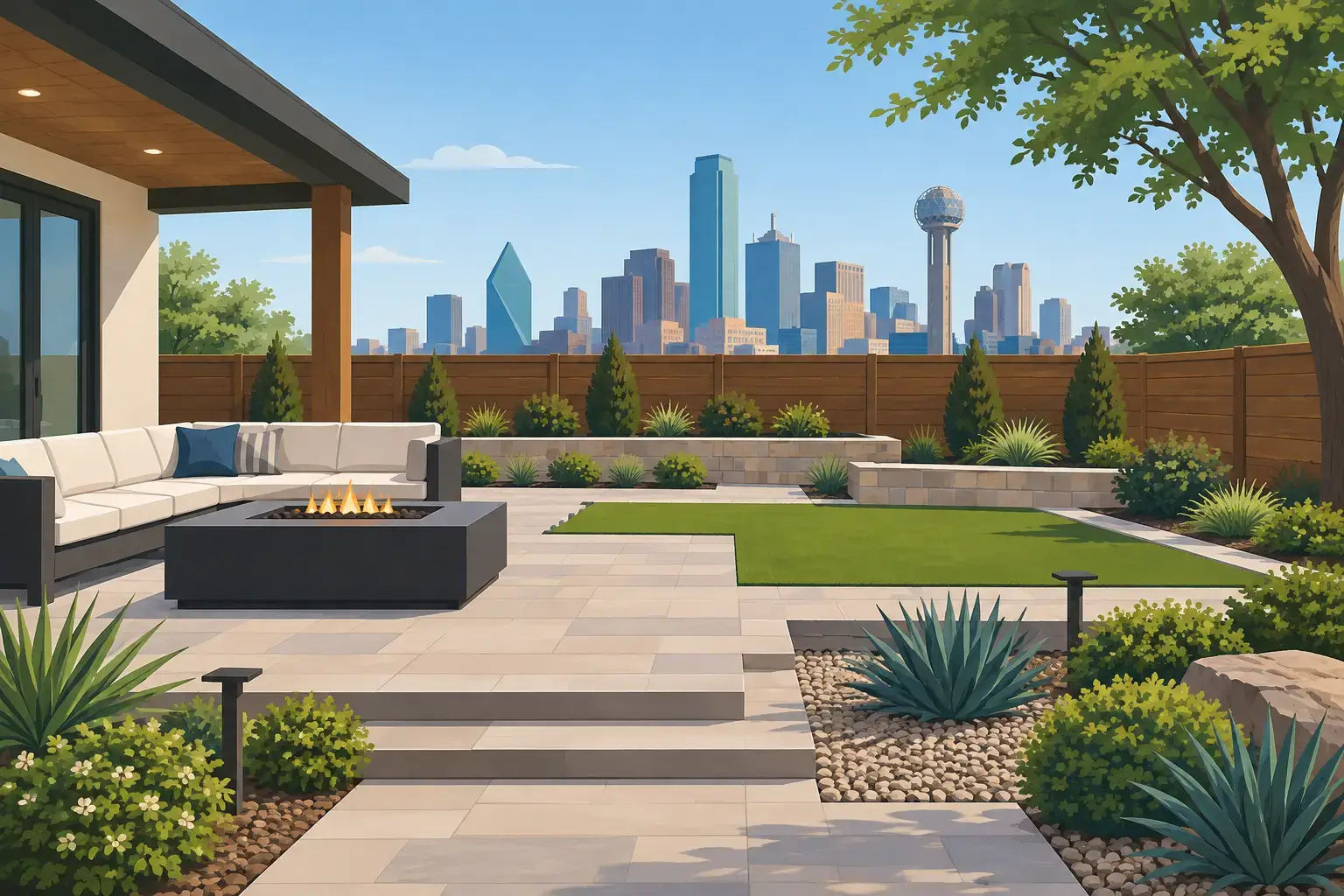
A full-service outdoor contractor can also coordinate turf with the features around it. Retaining walls, drainage improvements, patios, flagstone, and walkways often affect the final lawn layout. Handling the work as one plan helps prevent the common problem of installing turf first, then tearing it up later to fix drainage or add hardscape.
Choosing the Right Transformation for Your Home
Start with the problem you want to eliminate. If you want real grass and improved curb appeal, sod may be the best fit. If you are tired of mud, pet damage, and weekly mowing, artificial turf may make more sense. If the yard is structurally difficult because of slopes, standing water, or disconnected outdoor areas, the project may need drainage and hardscape work along with the surface upgrade.
The strongest transformation is the one that fits how you actually live outside. A clean dog run, a durable kid-friendly lawn, a polished pool surround, or a custom putting green can all improve a Dallas property when installed with care. Sod Green helps homeowners build those spaces with trained installers, clean job sites, and a focus on getting the details right from the ground up.
Your yard does not have to stay a problem area for another season. A clear plan, the right surface, and quality installation can turn it into one of the most useful parts of your home.


Leave A Comment