 Skip to content

A new patio or walkway should do more than fill empty space. It should handle Texas heat, look right with your home, drain properly when storms hit, and stand up to daily use from kids, pets, guests, and outdoor furniture. When homeowners compare natural stone versus pavers, the best choice usually comes down to the look they want, how they use the space, and what the site needs underneath.
Both materials can create a polished, durable outdoor surface. The difference is that natural stone delivers one-of-a-kind character, while pavers offer consistency, flexibility, and straightforward repairs. Here is how to make the call with confidence before your project begins.
Natural Stone Versus Pavers: The Main Difference
Natural stone is quarried material cut or split into usable pieces. Flagstone, limestone, sandstone, and travertine are common choices for North Texas patios, walkways, pool surrounds, and garden paths. Every piece has its own color variation, texture, and shape. That variation is exactly why many homeowners love it.
Pavers are manufactured concrete units made in consistent sizes, shapes, and colors. They can be installed in clean running-bond patterns, classic herringbone layouts, or more detailed designs with borders and contrasting colors. A well-built paver surface can look traditional, modern, or somewhere in between.
Neither option is automatically better. A rustic backyard with mature trees may look more natural with irregular flagstone. A clean-lined pool patio or busy driveway may benefit from the uniform appearance and interlocking strength of pavers.
Appearance: Organic Character or Clean Consistency?
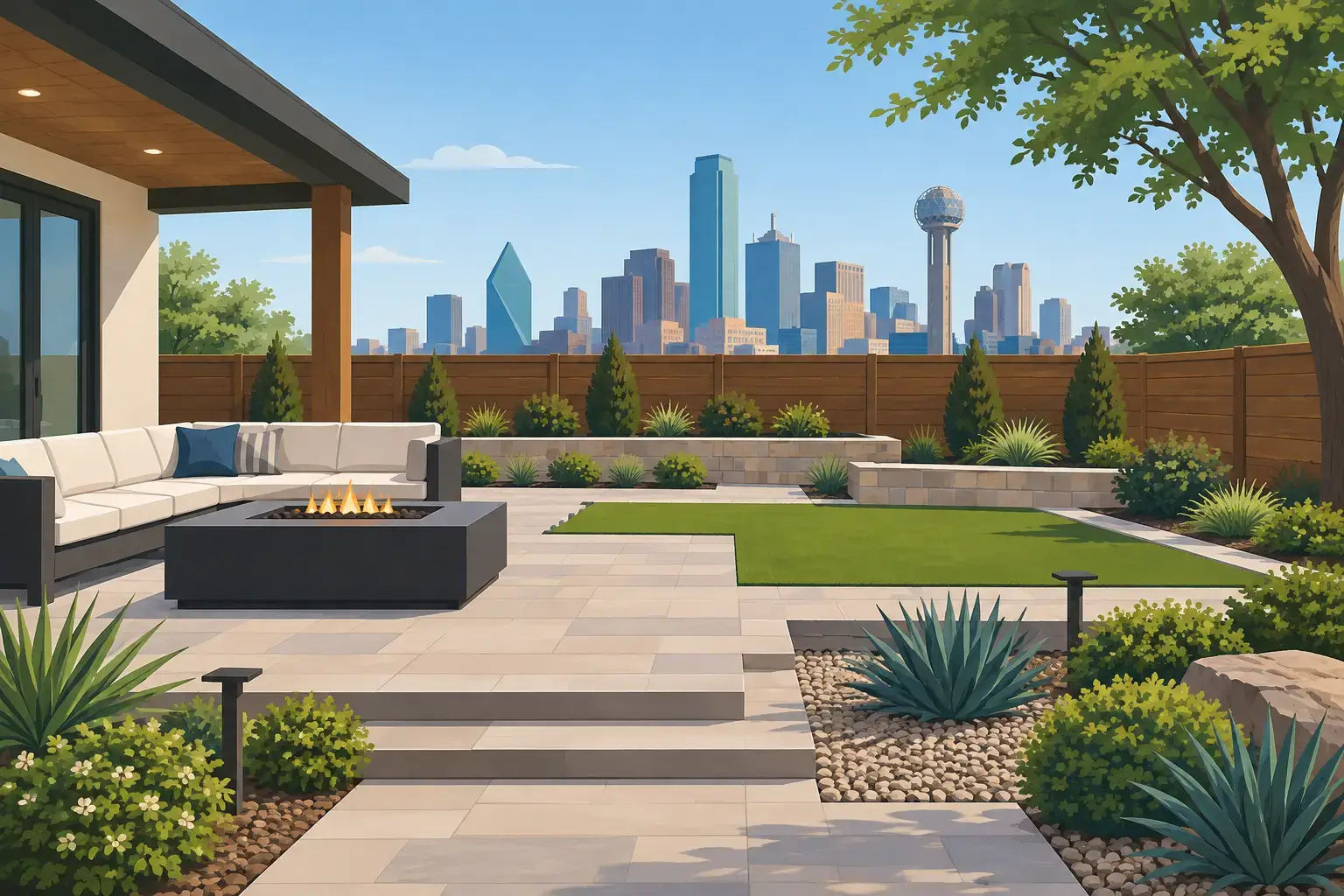
Natural stone makes a strong visual statement because it does not look manufactured. Flagstone has a relaxed, established feel that works especially well around garden beds, outdoor kitchens, fire pits, and traditional Texas homes. Limestone can create a lighter, more refined appearance, while travertine is a popular choice for pool areas because of its upscale look and naturally textured surface.
The trade-off is variation. Stone colors, thicknesses, and edges are not identical. That is part of the appeal, but it also means installation requires an experienced crew that can lay out the material in a balanced way. Poor stone layout can look random instead of intentional.
Pavers give homeowners more control over the finished design. You can select a specific color palette, a uniform size, and a layout that complements the home’s brick, siding, or existing hardscape. They are a strong fit for newer homes, geometric patios, straight walkways, and spaces where a crisp, organized look matters.
If you want your surface to feel like it has always belonged in the landscape, stone often has the edge. If you want clear lines and a predictable finished appearance, pavers are hard to beat.
Installation Matters More Than Most Homeowners Expect
The long-term performance of either material depends heavily on the base. In Dallas-Fort Worth, expansive clay soils can move as moisture levels change. That movement is one reason proper excavation, compaction, grading, and drainage should never be treated as shortcuts.
A natural stone patio may be installed over a compacted aggregate base with joints filled using sand, gravel, mortar, or another approved material depending on the stone and design. Since stone pieces vary in thickness, installers must carefully set and level each piece. This takes skill and time, especially with irregular flagstone.
Pavers are typically installed over a compacted crushed-stone base and bedding layer, then secured with edge restraints and joint sand. Their interlocking system spreads weight across the surface, which makes pavers a dependable choice for patios, walkways, and driveways when the foundation is built correctly.
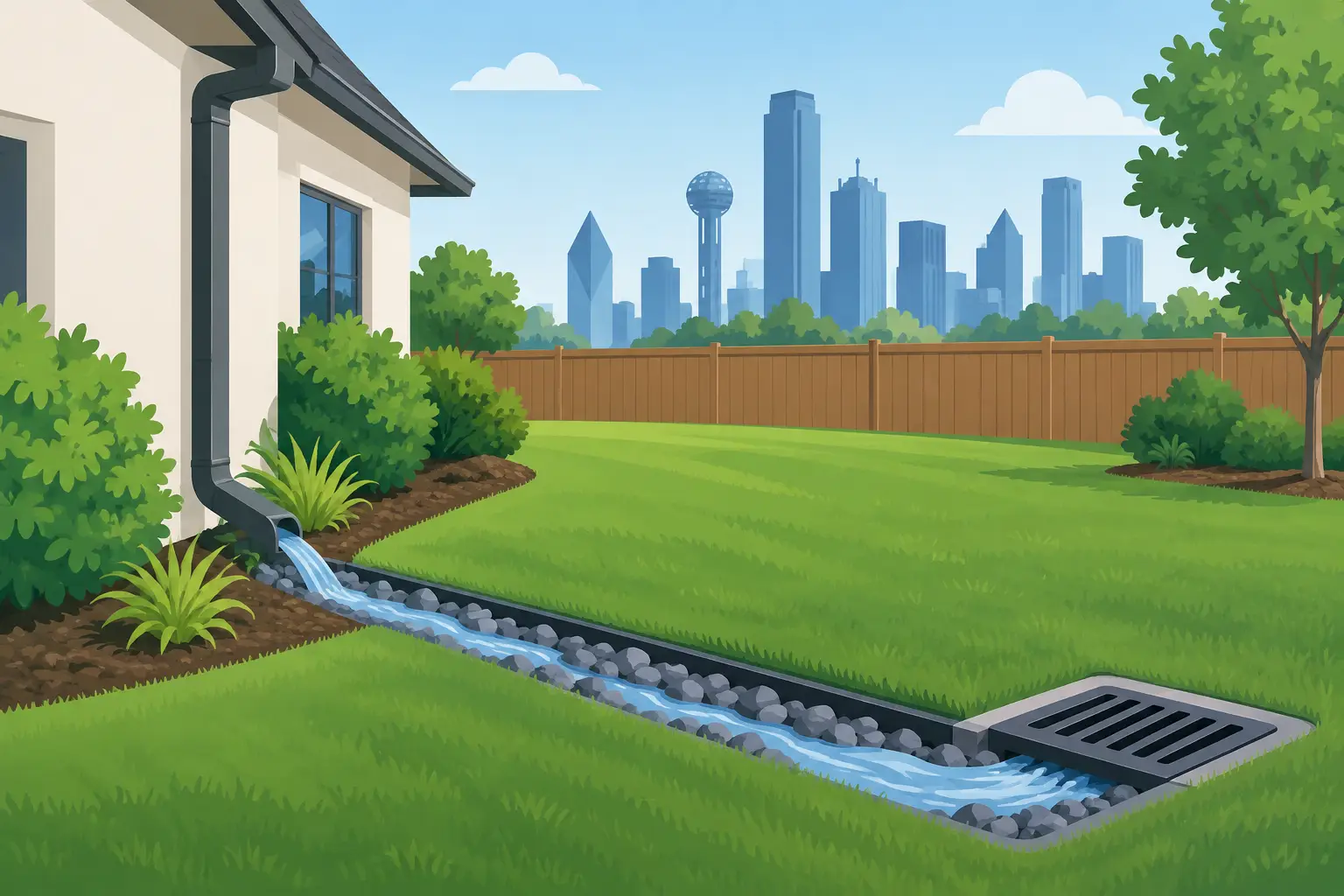
Drainage needs to be part of the plan from the start. Water should move away from the house and should not collect beneath the hardscape. On some properties, that may require adjusted grading, a drain system, or a combination of hardscape and landscape solutions. Covering a drainage problem with a beautiful surface does not solve it.
Durability in North Texas Weather
Both stone and pavers can last for many years. The right material depends on the application and the quality of installation.
Natural stone is inherently durable, but not every type of stone performs the same way. Softer or more porous stone can stain, flake, or weather differently than dense materials. Sealing may be recommended for some stone surfaces, particularly around grills, outdoor kitchens, or areas exposed to spills. A reputable installer can help match the stone type to the intended use.
Pavers are engineered for outdoor use and are designed to handle temperature swings, foot traffic, and regular exposure to the elements. Because they are individual units rather than one solid slab, they can accommodate minor ground movement better than a poured concrete surface. If one area settles or a paver becomes damaged, the affected units can often be lifted, the base corrected, and the pavers reinstalled.
For a high-traffic area, pavers offer a practical advantage in repairability. For a patio where distinctive material and natural texture are the priority, stone can be an excellent long-term investment.
Heat, Slip Resistance, and Pool Areas
Texas summers make surface temperature a real consideration. Dark materials absorb more heat, while lighter colors generally stay more comfortable underfoot. The exact result will vary with color, finish, shade, and sun exposure, so homeowners should view samples outside before making a final selection.
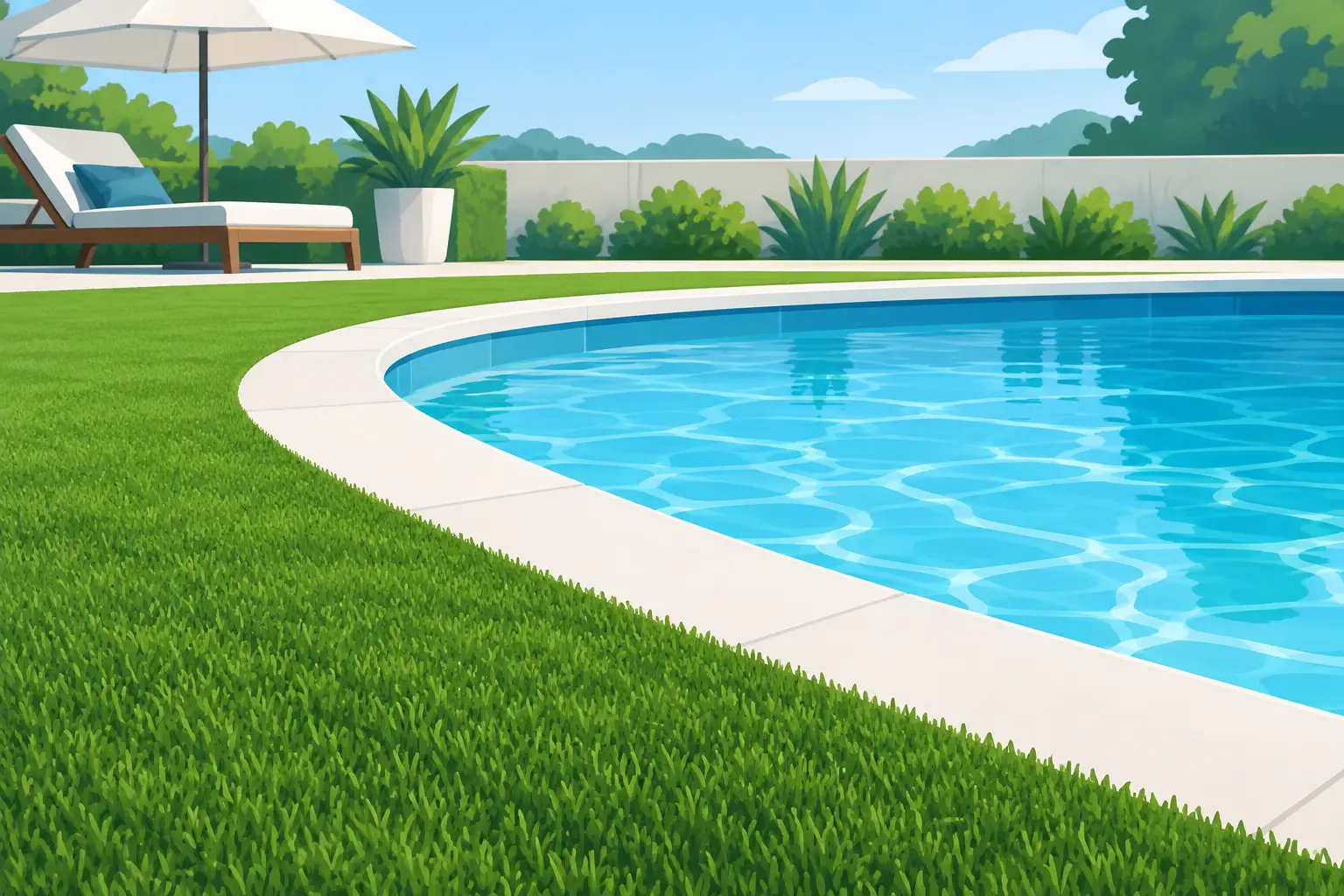
Travertine is often selected around pools because its textured finish provides traction and its natural pores can help manage surface heat. Certain limestone and light-colored flagstone options can also work well, provided the finish is appropriate for wet areas.
Pavers can be a good pool-deck choice too, particularly in lighter colors with a textured surface. Avoid choosing solely by appearance. A smooth, dark paver may look sharp in a showroom but feel hot and slick in direct summer sun.
For families with children, pets, or frequent pool guests, traction and drainage deserve just as much attention as color. The goal is a surface that looks finished without becoming a problem when it gets wet.
Maintenance and Repairs
No hardscape is truly maintenance-free, but the maintenance needs are manageable when the surface is installed well.
Natural stone needs periodic sweeping, rinsing, and attention to joints. Depending on the material, sealing can help reduce staining and make cleanup easier. If stone is mortared, cracked mortar joints may need occasional repair over time. Organic debris should not be allowed to sit on the surface for long periods, especially in shaded areas where mildew can develop.
Pavers need occasional cleaning and may require joint sand to be refreshed as it settles or washes away. Weeds can appear in joints if the area is neglected, although proper base preparation, joint material, and regular maintenance reduce that issue. Stains can usually be addressed one section at a time, and individual pavers are easier to replace than a broken piece of stone or a cracked concrete slab.
Homeowners who value low-effort repairs often prefer pavers. Those who are comfortable with a little care in exchange for a more natural finish may prefer stone.
Cost: Look Beyond the Initial Price
Natural stone is often more expensive than standard pavers because the material is quarried, transported, selected, and installed piece by piece. Complex cuts, irregular shapes, and thicker stone can increase labor. However, a well-designed stone patio can add serious visual value to a home and create an outdoor space that feels custom rather than ordinary.
Pavers can offer more predictable material and labor costs because sizes are standardized and installation is more systematic. Premium pavers, intricate patterns, borders, and site preparation can still raise the final price. The lowest quote is not always the best value if it skips base depth, drainage work, or edge restraints.
A useful way to compare bids is to ask what is included below the surface. Excavation depth, base material, compaction, grading, drainage, cutting, cleanup, and haul-off all affect the finished result. A durable patio is built from the ground up.
Which Surface Is Right for Your Property?
Choose natural stone if you want a distinctive, organic look and are building a patio, path, garden feature, or pool area where material character matters most. It is especially appealing when you want the hardscape to blend with trees, planting beds, and a more relaxed backyard design.
Choose pavers if you prefer a clean, uniform layout, want a surface that is easier to repair in sections, or need an interlocking system for a high-use patio, walkway, or driveway. Pavers also make sense when you want precise patterns and a coordinated color scheme.
The strongest projects often use both materials with purpose. For example, pavers may provide a durable main patio while natural stone creates a feature path, fire-pit border, or garden stepping area. The layout should serve the property, not force every area into one material.
A site visit is the best place to start. Sod Green can assess the grade, drainage, traffic patterns, sun exposure, and style of your home before recommending a surface that will look good and perform well. The right choice is the one that still feels solid, comfortable, and worth the investment after years of Texas weather and everyday use.


Leave A Comment