
A great backyard should not turn into a mud pit after a North Texas storm or become too hot to enjoy by mid-afternoon. Thoughtful hardscape design solves both problems. Patios, walkways, retaining walls, flagstone, and properly placed turf create an outdoor space that looks finished, works better, and holds up to the demands of Dallas weather.
For homeowners, the goal is not simply adding stone or concrete. It is building a backyard that fits how you actually live. That may mean a clean path from the driveway to the front door, a pool deck with better footing, a patio for weekend cookouts, or a low-maintenance play area for kids and pets.
Start Hardscape Design With How You Use the Yard
The best hardscape projects begin with a practical question: what do you want your outdoor space to do? A backyard made for hosting friends needs different features than one built around a putting green, dogs, or a family pool.
Think about how traffic moves through the property. If guests regularly walk from the house to the pool, grill, or gate, a defined walkway keeps feet out of worn grass and mud. If the patio is where everyone gathers, it needs enough room for furniture, foot traffic, and cooking space without feeling crowded.
A front yard needs its own plan. A well-built walkway, stone border, or small entry patio can improve curb appeal immediately. The materials should complement the home rather than compete with it. Clean lines often work well with newer homes, while irregular flagstone can add warmth to traditional brick and ranch-style properties.
Choose Materials That Can Handle Dallas Conditions
Dallas heat, clay soil, sudden rain, and shifting ground can be hard on outdoor surfaces. Material selection matters, but installation quality matters just as much. A beautiful patio will not stay beautiful if the base is weak, drainage is ignored, or edges are not secured correctly.
Flagstone remains a popular choice because it has a natural Texas look and works well for patios, walkways, pool surrounds, and stepping-stone paths. Each piece has variation in color and shape, giving the surface more character than a standard slab. It does require careful installation to create a stable, comfortable walking surface.
Pavers offer a clean, organized appearance and come in a wide range of colors and patterns. They are a strong option for patios, walkways, and entertaining areas because individual pavers can be repaired or reset if needed. The trade-off is that quality base preparation is essential. Without it, pavers can settle unevenly over time.
Concrete can be a cost-effective choice for larger patios and practical walkways. It can also be finished in ways that add texture and visual interest. Concrete is durable, but it can crack as soil moves. Proper grading, joints, and installation help manage that risk.
Natural stone walls and stone edging can tie the entire property together. They work especially well when a yard needs definition around flower beds, turf areas, or elevation changes. The right material depends on your budget, home style, maintenance expectations, and the amount of traffic the surface will receive.
Build Drainage Into the Plan, Not After the Problem Starts
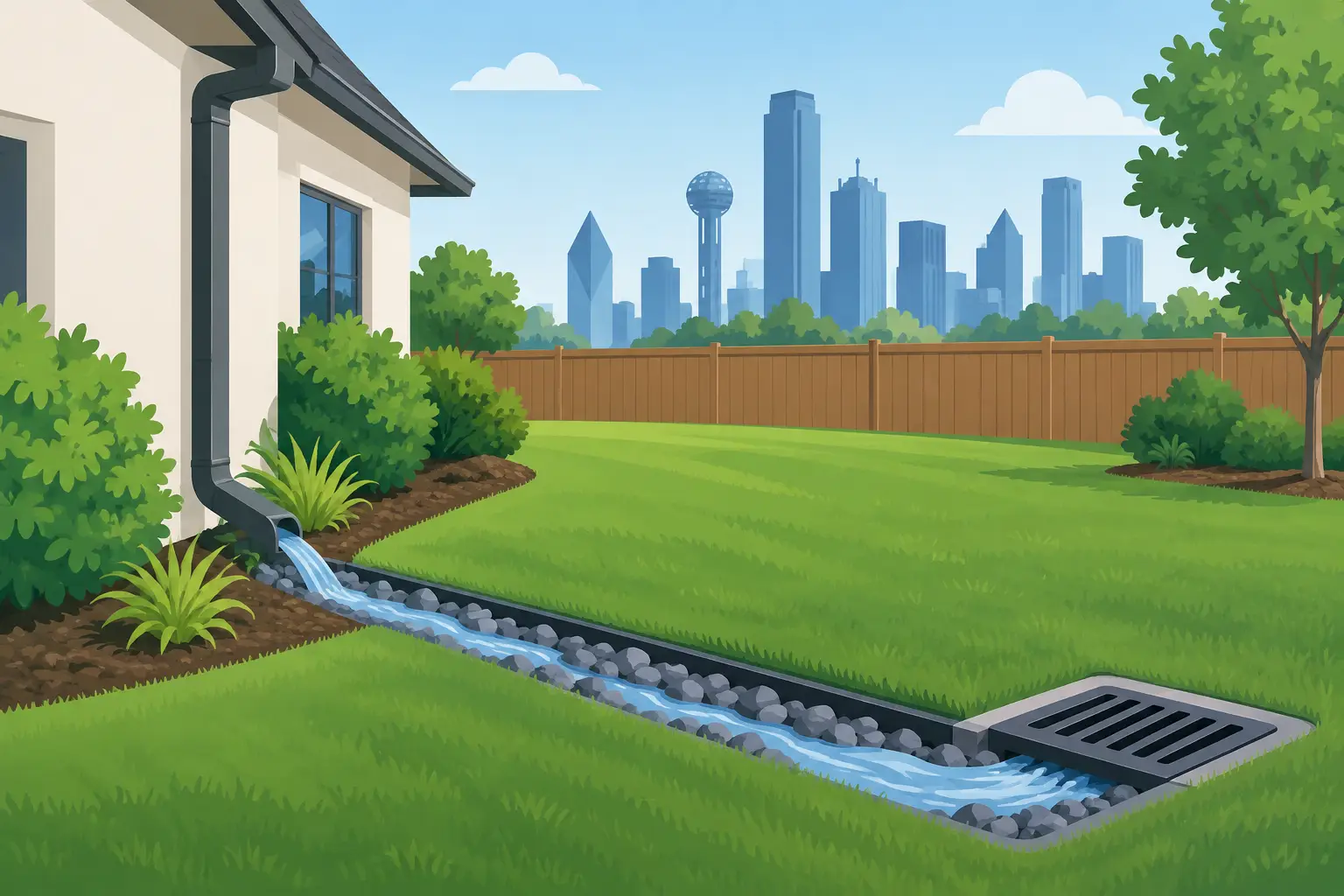
Drainage is one of the most overlooked parts of hardscape design. Water has to go somewhere, and in many Dallas-area yards, it moves fast during heavy rain. A patio, retaining wall, or new turf installation can redirect that water if the project is not planned correctly.
Before installing a hardscape feature, look at where water currently collects and where it naturally flows. Low spots near the foundation, standing water along a fence line, and washed-out mulch are signs that the yard needs attention. The finished surface should slope away from the home and guide water toward an appropriate drainage path.
Retaining walls may also need drainage behind them. Water pressure can build up in the soil and compromise a wall over time if it has nowhere to escape. This is not the place to cut corners. A properly built wall includes the right base, backfill, and drainage details for the site.
For many properties, drainage, hardscape, and landscaping should be handled as one project. Installing a new patio only to tear it up later for drainage work creates unnecessary expense. Planning the whole outdoor layout upfront protects the investment.
Create Outdoor Zones That Make the Yard Feel Larger
A large backyard does not automatically feel useful, and a smaller yard does not have to feel limited. Dividing the space into clear zones gives the property purpose without making it look busy.
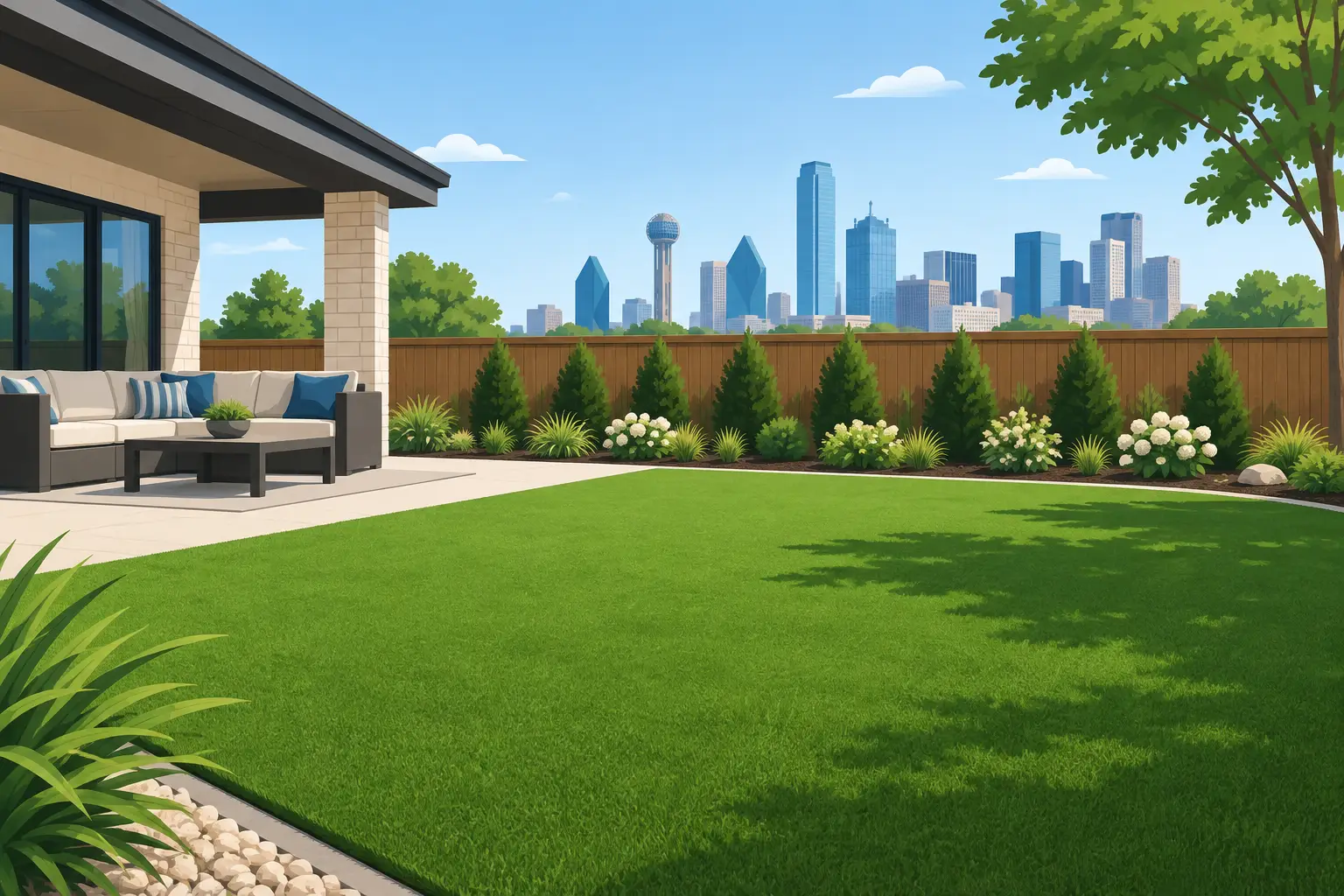
A patio can serve as the main gathering area, while a short walkway leads to a separate fire pit, seating nook, or putting green. Artificial grass can soften the look between stone features and provide a clean area for children and pets. Near a pool, hardscape can create a durable transition between water, furniture, and the rest of the yard.
The key is leaving enough open space. Too much stone can make a backyard feel harsh and can increase surface heat in summer. Too much grass or loose landscaping can bring back the maintenance problems you wanted to avoid. A balanced design uses durable surfaces where people walk, gather, and play, then uses turf, sod, planting areas, or mulch to add color and comfort.
Retaining Walls Should Do More Than Hold Back Soil
A retaining wall can be a necessary structural feature, but it can also improve the appearance and function of a sloped yard. It can level out a space for a patio, create a raised planting bed, define a property edge, or make room for a usable lawn area.
Height and location matter. A low garden wall may be mostly decorative, while a taller wall supporting a slope needs more serious engineering and construction. Soil conditions, drainage, and the weight above the wall all affect the right approach.
Homeowners often get the best results when the wall is incorporated into the full landscape plan. Matching the wall stone to a patio or walkway creates a finished look. Adding built-in seating or landscape lighting can make the feature feel intentional instead of purely functional.
Pair Hardscape With Turf or Sod for a Finished Look
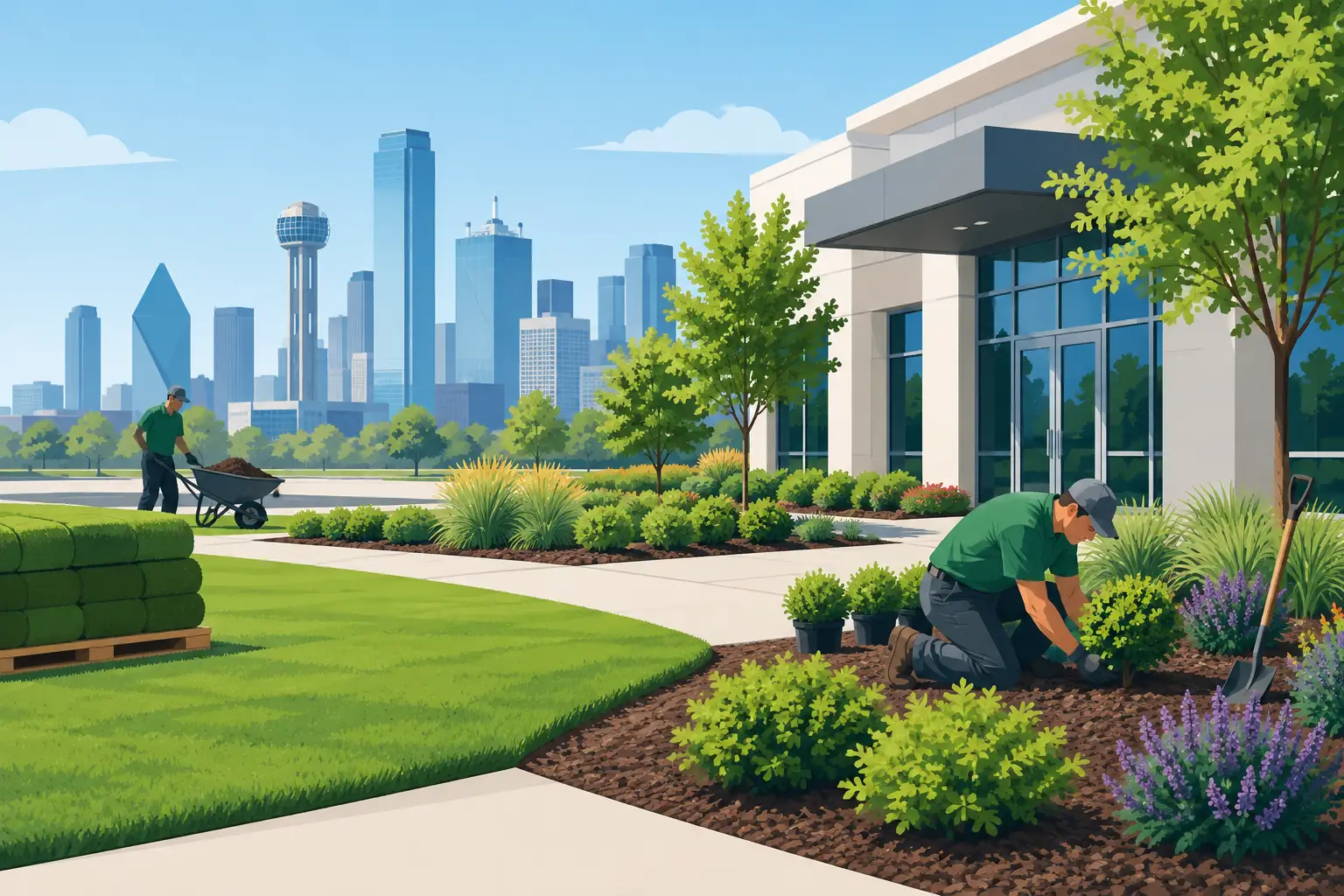
Stone and concrete provide structure, but green space brings the yard to life. Pairing hardscape with artificial turf or fresh sod gives homeowners a cleaner, more complete result than treating each feature as a separate project.
Artificial grass is especially useful in high-traffic areas where natural grass struggles. It works well between pavers, around putting greens, beside pool decks, and in narrow side yards where mowing is inconvenient. It also helps reduce the muddy, patchy look that can develop around patios and gates.
Natural sod is a strong choice when you want the feel of a living lawn and have the ability to maintain it. The best option depends on sun exposure, drainage, pets, water use, and how much ongoing yard work you want. There is no one-size-fits-all answer, but the right combination of surfaces can reduce maintenance without making the property feel artificial.
Avoid the Shortcuts That Lead to Costly Repairs
The visible material gets the attention, but the work underneath determines how long a hardscape lasts. Poor grading, shallow base material, weak edging, and rushed compaction are common reasons patios and walkways begin to shift.
It is also worth thinking ahead about access and utilities. Irrigation lines, drainage routes, electrical needs for lighting, and future outdoor kitchen plans should be considered before the surface is installed. A little planning now can prevent expensive demolition later.
A dependable installer should be able to explain the scope clearly, prepare the site properly, protect surrounding areas, and leave the job site clean. At Sod Green, the focus is on building outdoor surfaces that look sharp on day one and remain functional through North Texas weather.
The right backyard improvement does not need to be complicated. Start with the areas that cause the most frustration – muddy paths, unused corners, poor drainage, or a cramped patio – and build a hardscape plan that makes those spaces easier to enjoy every day.


Leave A Comment