
A backyard should not become another weekend chore. For Dallas families, the best family backyard renovation ideas solve the problems that keep people indoors: bare dirt under the swing set, muddy dog paths, scorching patio surfaces, standing water after a storm, and grass that never holds up to kids at play.
The right renovation starts with how your household actually uses the space. A family with two active dogs needs different materials than a family that hosts pool parties, and a compact city lot needs a different plan than a large suburban yard. The goal is simple: create a clean, durable outdoor area that looks finished and works every day.
Family Backyard Renovation Ideas for Real Life
1. Replace high-traffic grass with artificial turf
Natural grass can look great, but it takes a beating in the spots families use most. Between pets, kids, foot traffic, summer heat, and shade from trees, many Dallas lawns develop thin patches and muddy areas faster than homeowners expect.
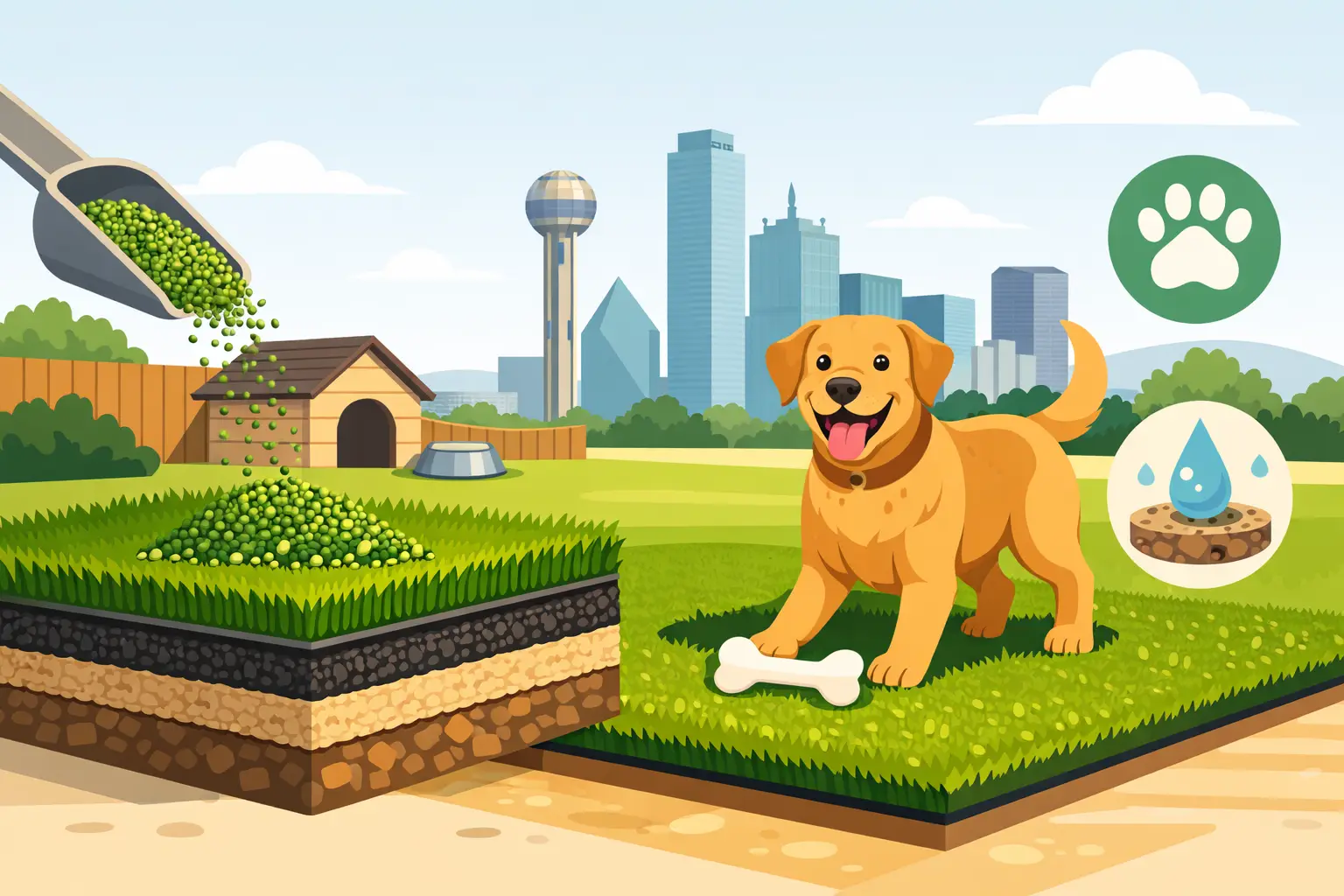
Artificial grass gives active families a green, usable surface without weekly mowing, watering, fertilizing, or reseeding. It is especially effective around playsets, beside pools, along dog runs, and in narrow side yards where natural grass struggles to grow. A professional turf system includes proper base preparation and drainage, which keeps the surface stable and helps it dry efficiently after rain.
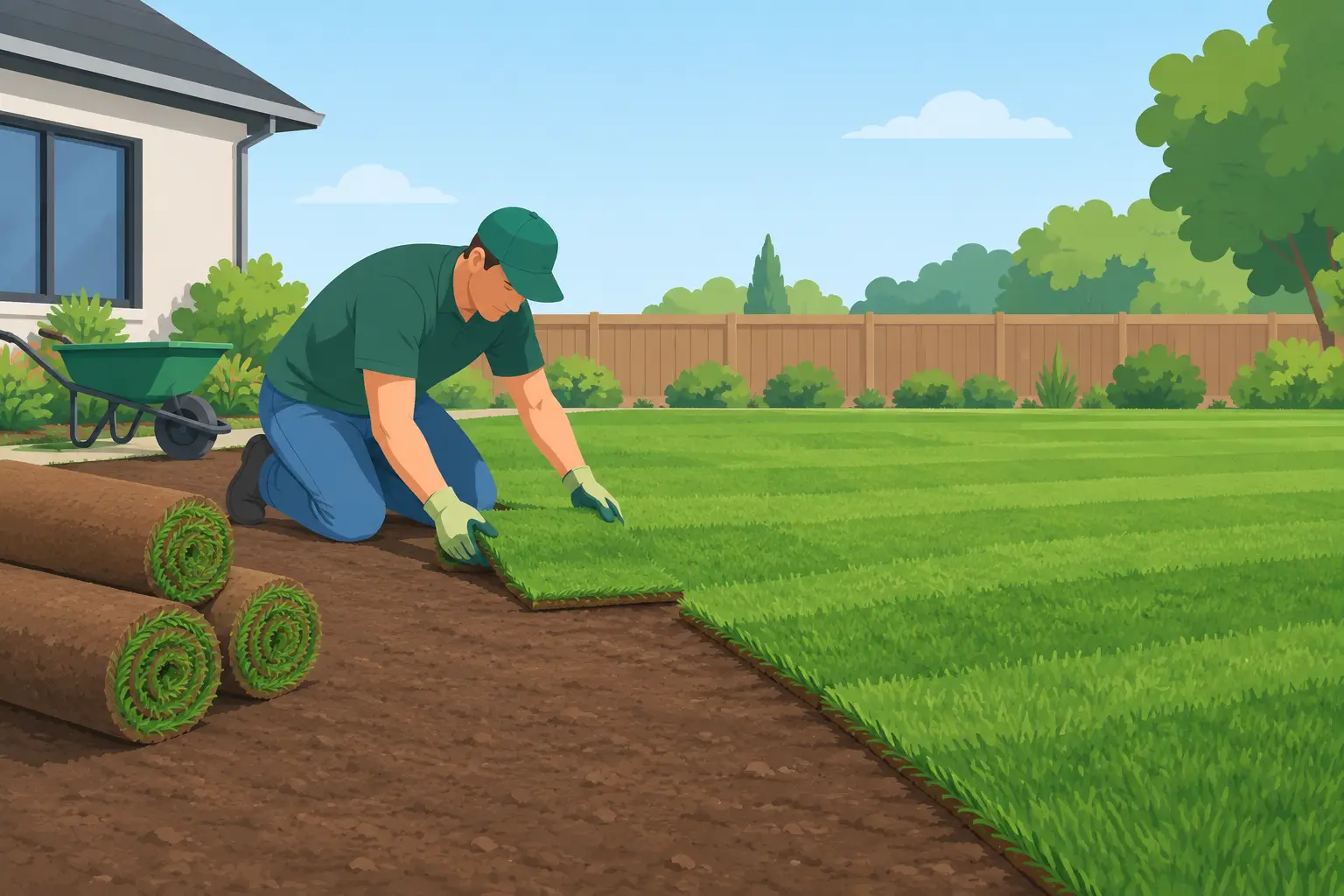
Turf is not the answer for every square foot of a property. Some homeowners prefer natural sod in a larger open lawn or planting beds around the perimeter for a softer landscape. Mixing materials often delivers the best result: turf where durability matters most, sod or plants where a natural look is the priority.
2. Build a patio that is large enough to use
Many backyards already have a small concrete slab, but it often has room for a grill or a table, not both. Extending the patio creates a true outdoor living area instead of a crowded landing outside the back door.
Flagstone, pavers, and concrete surfaces can define separate zones for dining, grilling, and lounging. The right material depends on the style of the home, the project budget, and how much maintenance the homeowner wants. Natural stone offers a distinctive, high-end look, while pavers allow flexibility in shape and can be easier to repair in sections if needed.
Plan the size around your furniture before construction begins. Allow room to pull out chairs, walk around a dining table, and open the grill without forcing guests onto the lawn. A patio that is slightly oversized on paper usually feels right once the family starts using it.
3. Add shade where your family gathers
North Texas sun can make a beautiful backyard unusable by midafternoon. Shade is not a decorative extra when the patio faces west or the play area has no tree cover. It is what turns an outdoor space into a place the family can enjoy through more of the year.
A covered patio, pergola, shade structure, or strategically placed trees can provide relief while creating a stronger visual focal point. Permanent structures offer the most dependable coverage, while umbrellas may work for a smaller seating area. The trade-off is that a pergola with open slats provides filtered shade, not full protection from intense sun or rain.
Think about where the sun lands at 3 p.m., not just where it is during a morning walkthrough. That one detail can determine whether the new seating area becomes everyone’s favorite spot or goes unused all summer.
4. Create a dedicated play zone
When toys, balls, and play equipment spread across the entire yard, the space can feel cluttered and difficult to maintain. A dedicated play zone gives children room to move while keeping the rest of the backyard organized.
Artificial turf is a clean, comfortable choice beneath and around many play areas. It avoids the mud that comes with bare soil and does not require the constant replacement common with wood mulch. For a swing set or climbing equipment, make sure the surface and layout account for recommended fall zones and clearances.
Set the play area where adults can see it easily from the patio, kitchen, or main indoor gathering space. Visibility matters more than putting the equipment in the farthest corner of the property. If space allows, use a low retaining wall, planting border, or hardscape edge to give the zone a finished boundary.
5. Give pets their own durable space
Dogs can wear a predictable track along fences, gates, and the side of the house. Instead of fighting those paths with fresh sod year after year, renovate them with materials designed for repeated use.
A pet-friendly turf area gives dogs a place to run and relax without bringing mud back into the house. Proper installation is the difference between a turf surface that performs well and one that develops odors or drainage issues. The base, grading, infill, and cleanup plan should all match the number and size of pets using the space.
For larger yards, consider separating a dog run from the main entertaining area. That keeps the patio cleaner when guests are over and gives your pets a dependable area during wet weather.
6. Fix drainage before adding finishes
A new patio or beautiful turf installation will not solve water that flows toward the house. In fact, covering a drainage issue without correcting the grade can make the problem more expensive later.
Watch the yard after a hard rain. Water that pools against the foundation, collects near the patio, or leaves soft, muddy areas needs attention before cosmetic upgrades begin. Solutions can include grading adjustments, drainage systems, gravel channels, retaining walls, or a combination of methods based on the property.
This is one place where cutting corners rarely pays off. Good drainage protects the home, extends the life of hardscape materials, and keeps the backyard usable when Texas weather turns quickly.
7. Use retaining walls to create level, usable space
Sloped backyards can be difficult for kids, furniture, and lawn equipment. A retaining wall can turn an awkward grade into level terraces that work better for seating, planting, or play.
Retaining walls also give a yard structure. They can define a patio edge, support raised beds, manage elevation changes, and reduce erosion. Material choices range from natural stone to concrete block systems, and the right choice should match both the home and the demands of the site.
Walls require careful construction, especially when they hold back significant soil or direct water. Drainage behind the wall is just as important as the visible face. A wall that looks good on installation day but lacks a proper base and drainage can shift over time.
8. Install a backyard putting green
For golf enthusiasts, a custom putting green adds a feature the entire family can enjoy. It is a practical use of awkward corners, side yards, or areas where natural grass will not grow well because of shade or traffic.
A well-designed synthetic putting green can include multiple cups, subtle breaks, fringe turf, and chipping areas based on available space. It also creates a polished focal point that requires far less upkeep than maintaining a specialty natural-grass surface.
Keep expectations realistic. A compact green is ideal for putting practice and family games, but it will not replace a full practice facility. The value comes from making it easy to get outside, spend time together, and work on the short game whenever there are a few spare minutes.
9. Add walkways that keep the yard clean
A simple walkway can prevent a lot of dirt from being tracked through the home. Paths between the back door, pool, gate, grill, garden, and storage area make a yard feel intentional while protecting turf and sod from repeated foot traffic.
Flagstone pathways offer a natural appearance, while pavers create a more structured look. In a modern backyard, large-format stepping stones set in turf can provide a clean contrast. The best option depends on the route, drainage, and whether the path needs to accommodate carts, trash bins, or only foot traffic.
10. Keep planting beds simple and maintainable
Landscape beds soften hardscape, add color, and help the backyard feel complete. But a complicated planting plan can create more maintenance than a busy family wants. Choose plants that handle local heat, group them by watering needs, and leave enough room for mature growth.
Use beds to frame the patio, screen a fence line, or add privacy near neighboring homes. A clean edge between turf, sod, stone, and planting areas makes the entire project look sharper and simplifies upkeep.
Plan the Renovation in the Right Order
The best backyard projects are built from the ground up. Start with drainage and grading, then install retaining walls or hardscape, then add turf or sod, and finish with planting beds and details. This order protects completed surfaces and avoids tearing up new lawn areas to correct an issue that should have been handled first.
Before selecting materials, make a short list of non-negotiables. Maybe you need a safe play surface, a dog area that stays clean, room for a dining table, or a putting green. Put the budget into those high-use features first. Decorative upgrades can always be added later, but a strong foundation and quality installation should be part of the first phase.
For Dallas-Fort Worth homeowners, a well-planned renovation can make the backyard easier to maintain, better for entertaining, and ready for daily family use. Start with the area that frustrates you most, then build the rest of the design around a solution that will still work after the next storm, cookout, and backyard football game.


Leave A Comment