 Skip to content
A dog run can turn a natural lawn into a muddy, worn-out patch fast, especially after a North Texas rainstorm or a long, hot summer week. Artificial grass solves much of that problem, but the system under the blades matters just as much as the turf itself. The right turf infill for pets helps the surface stay stable, drain properly, resist odors, and feel better under paws.
For Dallas-area homeowners, this is not a one-size-fits-all decision. A small older dog that uses one corner of the yard has different needs than two active Labradors running laps around a pool. Heat exposure, shade, drainage, turf type, and how often the area is cleaned should all factor into the infill choice.
Why Pet Turf Needs the Right Infill
Infill is the material brushed down between artificial grass blades after installation. It adds weight, supports the fibers, helps the turf stand upright, and creates a more natural feel underfoot. On a pet lawn, it also affects how urine moves through the system and how easily odors can be managed.
Without enough infill, turf can look flat, shift under active paws, and wear faster in high-traffic areas. With the wrong infill, a yard may retain odors, trap moisture, or become uncomfortably hot in direct sun. The goal is not simply to fill the turf. It is to build a complete pet-friendly surface that performs day after day.
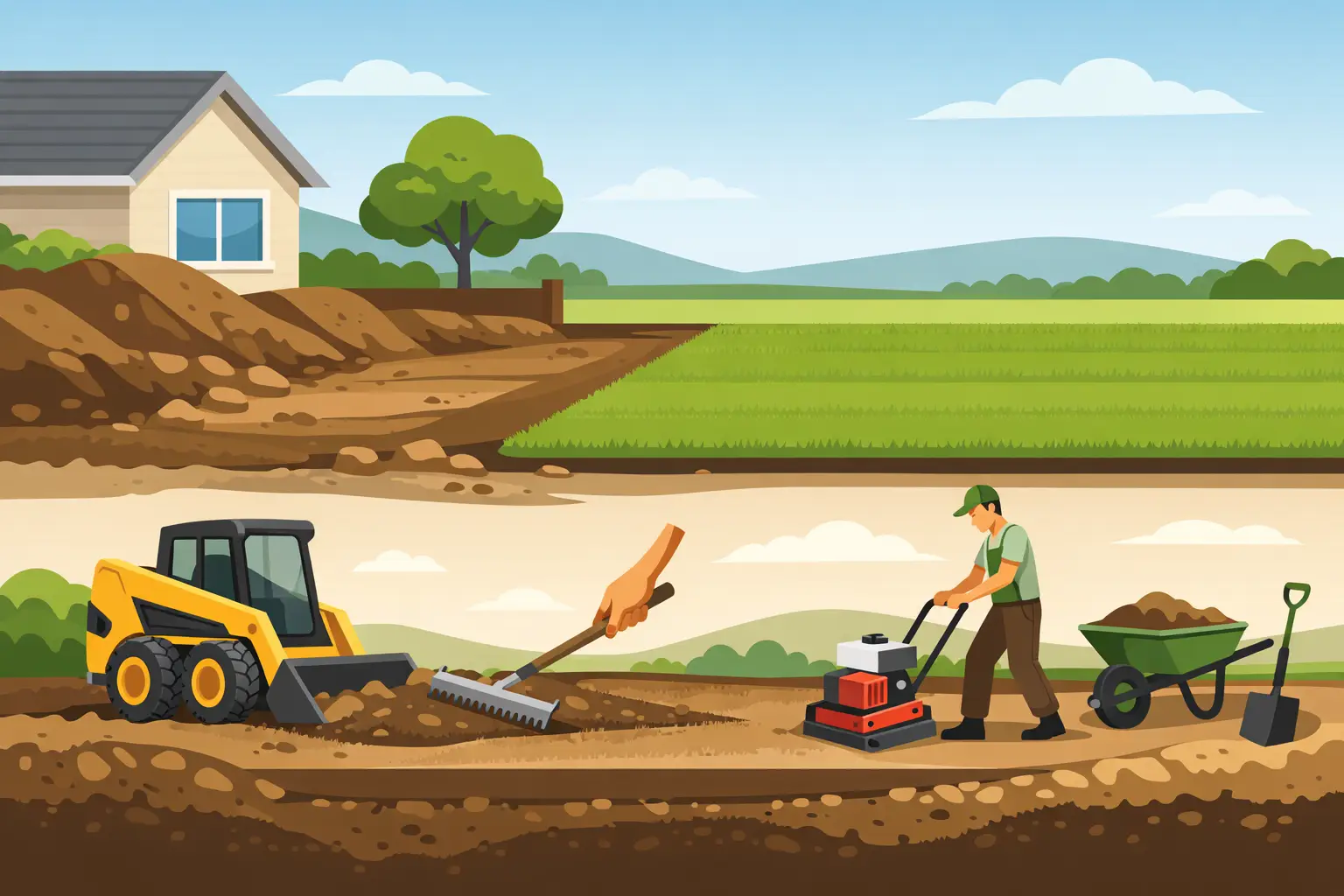
A quality installation also starts below the turf. A compacted base, proper grading, drainage planning, and professionally secured seams give infill a system that can work as intended. If water has nowhere to go, even premium odor-control infill will not solve the underlying problem.
The Best Types of Turf Infill for Pets
The best option depends on the yard, the pet, and the homeowner’s priorities. Most pet turf projects use one of the following materials, sometimes in combination.
Zeolite Infill for Odor Control
Zeolite is a mineral-based infill commonly used in pet areas because it can help capture ammonia, the compound that causes much of the urine odor homeowners notice in artificial grass. It is one of the strongest choices for dedicated dog runs, kennel areas, and yards with multiple pets.
For families dealing with frequent pet use, zeolite is often worth the added cost. It does not eliminate the need to rinse and clean the turf, but it gives the system more help between maintenance visits. Over time, a heavily used area may need a top-up of zeolite to maintain its odor-control performance.
Zeolite works best when paired with permeable turf, a well-prepared base, and a regular rinse routine. It is a practical choice for homeowners who want the cleanest possible pet area without giving up the finished look of a green lawn.
Coated Sand Infill for Stability and Comfort
Coated silica sand is a dependable option for many residential turf installations. It provides weight and blade support, stays in place well, and can be easier on paws than some coarse materials. Certain coated sand products are made to reduce bacteria and help limit odor, although the exact performance varies by product and maintenance habits.
This can be a good fit for a backyard where children and pets share the lawn. It provides a stable, natural-feeling surface while keeping the installation cost reasonable. For a high-use dog zone, it may be paired with odor-control treatments or a layer of zeolite depending on the turf system.
The trade-off is that standard sand alone is not designed to manage heavy urine odor as aggressively as zeolite. If your dogs use the same turf area several times a day, ask your installer how the infill choice will handle that level of traffic.
Cooling Infill for Sunny Backyards
Dallas summers put every artificial turf system to the test. Synthetic grass can get hot when it sits in direct sunlight, and darker infill materials can add to that heat. Cooling infill products are designed to retain less heat or release moisture when watered, helping reduce surface temperatures during hot weather.
Cooling infill can be useful in open backyards with little shade, especially for dogs that spend a lot of time outdoors. It is not a magic fix. Artificial turf will still warm up in the Texas sun, and homeowners should always check the surface with a bare hand before letting pets play. Shade structures, trees, patio cover, and a quick rinse with a hose can make a major difference on extreme days.
For many homes, the best approach is balancing an odor-control infill with smart shade and cooling practices rather than selecting an infill based on temperature alone.
What About Crumb Rubber?
Crumb rubber has been used as artificial turf infill for years because it provides cushioning and stability. However, many homeowners with pets choose to avoid it due to concerns about heat, tracking, odor retention, and the possibility of dogs chewing or carrying pieces indoors.
It may still have applications in certain athletic or commercial systems, but it is rarely the first recommendation for a residential pet lawn in North Texas. Pet-focused options such as zeolite and coated sand tend to better match what most homeowners want from a clean, attractive backyard.
Drainage Matters More Than Most Homeowners Expect
Pet urine needs a clear path through the turf, infill, backing, and base below. When that path is blocked by poor compaction, inadequate grading, or a non-permeable installation, odors can build up quickly. Standing water also creates an unpleasant yard for people and pets.
A well-built pet turf system directs water away from the home and allows liquid to move through the surface efficiently. Some yards need additional drainage work, particularly properties with clay-heavy soil, low spots, pool decking, or existing runoff issues. In those cases, the right base preparation is more valuable than simply adding a more expensive infill.
Before installation, consider where your pets naturally use the yard. If they favor one side of the fence or a spot near the back door, that area may need extra attention. A professional installer can plan the turf layout, seams, drainage, and infill coverage around real use patterns instead of treating the entire yard the same.
How to Keep Pet Turf Clean After Installation
Even the best turf infill for pets needs basic maintenance. The good news is that artificial grass maintenance is far simpler than mowing, fertilizing, reseeding, and repairing a natural lawn.
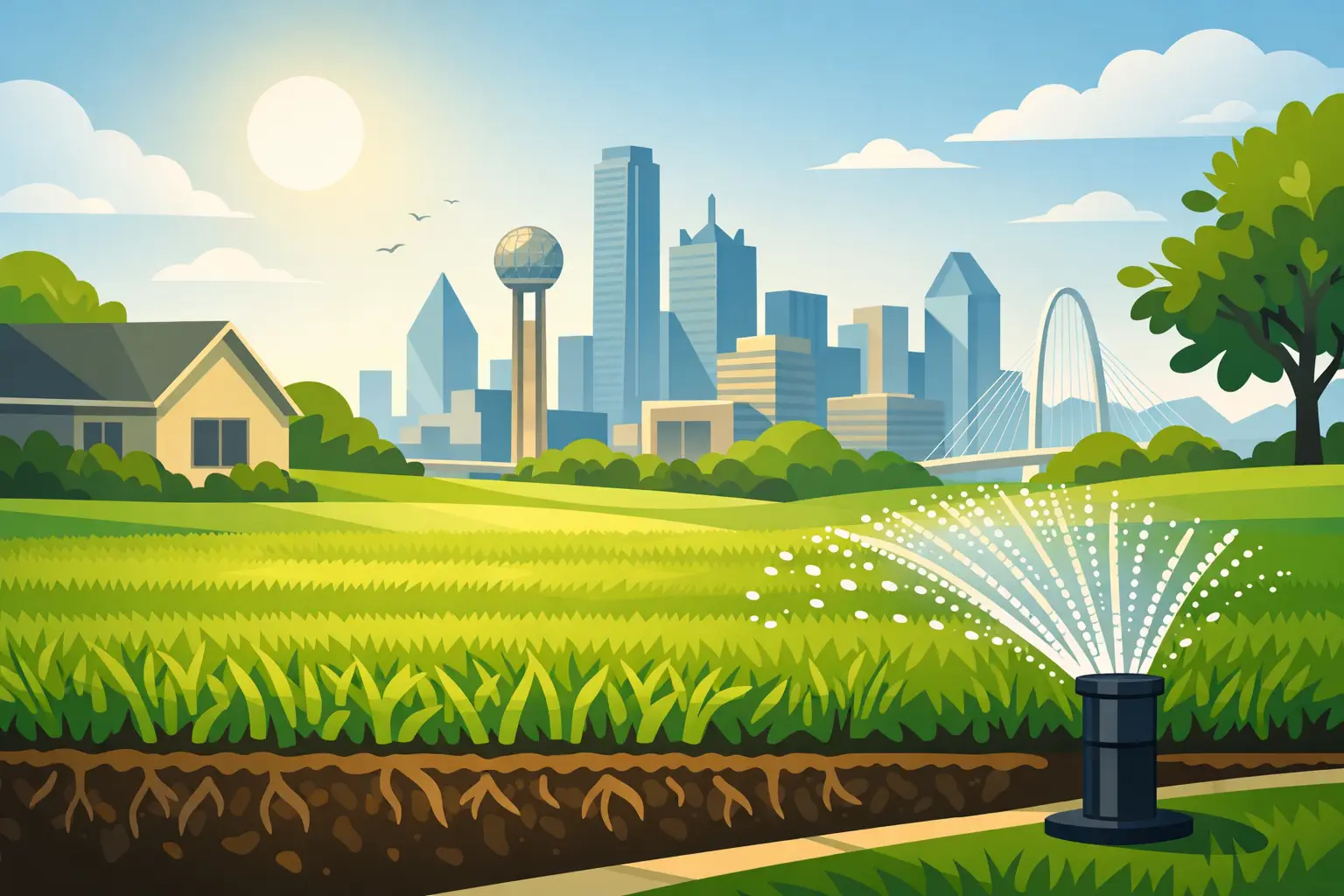
Pick up solid waste promptly and rinse the areas your dog uses most often. In a lightly used yard, a rinse once or twice a week may be enough. In a multi-dog household or a dedicated dog run, more frequent rinsing is usually the better choice. During dry Dallas weather, rinsing also helps clear dust and cool the surface.
Use a pet-safe turf cleaner as needed, particularly when odor starts to linger. Avoid harsh chemicals that can damage turf backing, affect infill performance, or create an unpleasant space for your pets. Brushing the fibers occasionally helps lift matted areas and redistributes infill in the spots where dogs run, dig, or turn sharply.
If odor returns after regular cleaning, do not assume the turf needs replacement. The issue may be concentrated in a high-use area and may be solved with deep cleaning, deodorizing treatment, or fresh infill. A qualified turf professional can inspect the system and recommend the right fix.
Choosing an Infill Based on Your Dog and Yard
A small dog with occasional backyard access may do well with a quality coated sand system and routine rinsing. A household with large dogs, multiple pets, or a heavily used side-yard run will usually benefit from stronger odor-control infill such as zeolite. A full-sun property may also need cooling considerations, shaded zones, or a hose-down routine during peak summer heat.
The turf product itself matters too. Pet turf should have reliable drainage, durable fibers, and a pile height that works with the selected infill. A taller turf is not always better for dogs. In some pet areas, a shorter, dense product can be easier to clean and less likely to mat down under traffic.
At Sod Green, the recommendation should come from how your yard will actually be used, not from a generic package. A properly designed pet turf system can give your family a clean place to play, a durable space for dogs, and a yard that still looks cared for when the rest of the neighborhood grass is struggling through the heat.
The right infill is a small part of the finished surface, but it has a major job. Choose it with your dog’s habits, your drainage conditions, and your summer sun in mind, and your artificial lawn will be much easier to enjoy for years to come.


Leave A Comment