 Skip to content
A backyard green should do more than look good from the patio. It should give you a dependable roll, hold up to Texas sun, drain after a hard rain, and fit the way you actually practice. This putting green turf review gives Dallas homeowners a practical look at what separates a worthwhile synthetic green from a surface that feels too fast, too flat, or worn out after a few seasons.
For most homeowners, the value is not just in avoiding a trip to the driving range. A well-built green creates a clean, low-maintenance feature that makes the backyard more usable. The catch is that turf alone does not create a great putting surface. The material, base preparation, contours, cup installation, and drainage all matter.
What a Quality Putting Green Turf Should Feel Like
Putting green turf is built differently from standard landscape turf. The fibers are shorter, denser, and designed to let a golf ball roll consistently. Good products have a tight surface that supports a true roll without feeling like indoor carpet. They also use a backing that stays stable when properly secured and installed over a compacted base.
The biggest difference homeowners notice is speed. A green can be adjusted with infill to play slower or faster, but there are limits. If you want a surface that feels closer to a club practice green, the installer needs to select the right turf and tune the infill correctly. If you simply want a casual place for family games, a slightly slower, forgiving surface often makes more sense.
A quality product should look natural without using long, fluffy blades that interfere with the ball. It should also resist fading and maintain its shape during hot Dallas summers. Less expensive turf can look acceptable on day one, but thin fibers, weak backing, and uneven installation tend to show up quickly under foot traffic and direct sun.
Putting Green Turf Review: The Installation Matters Most
Homeowners sometimes compare turf samples and assume the best sample guarantees the best green. Samples are useful, but the ground underneath is what determines whether the finished surface drains, stays smooth, and performs the way it should.
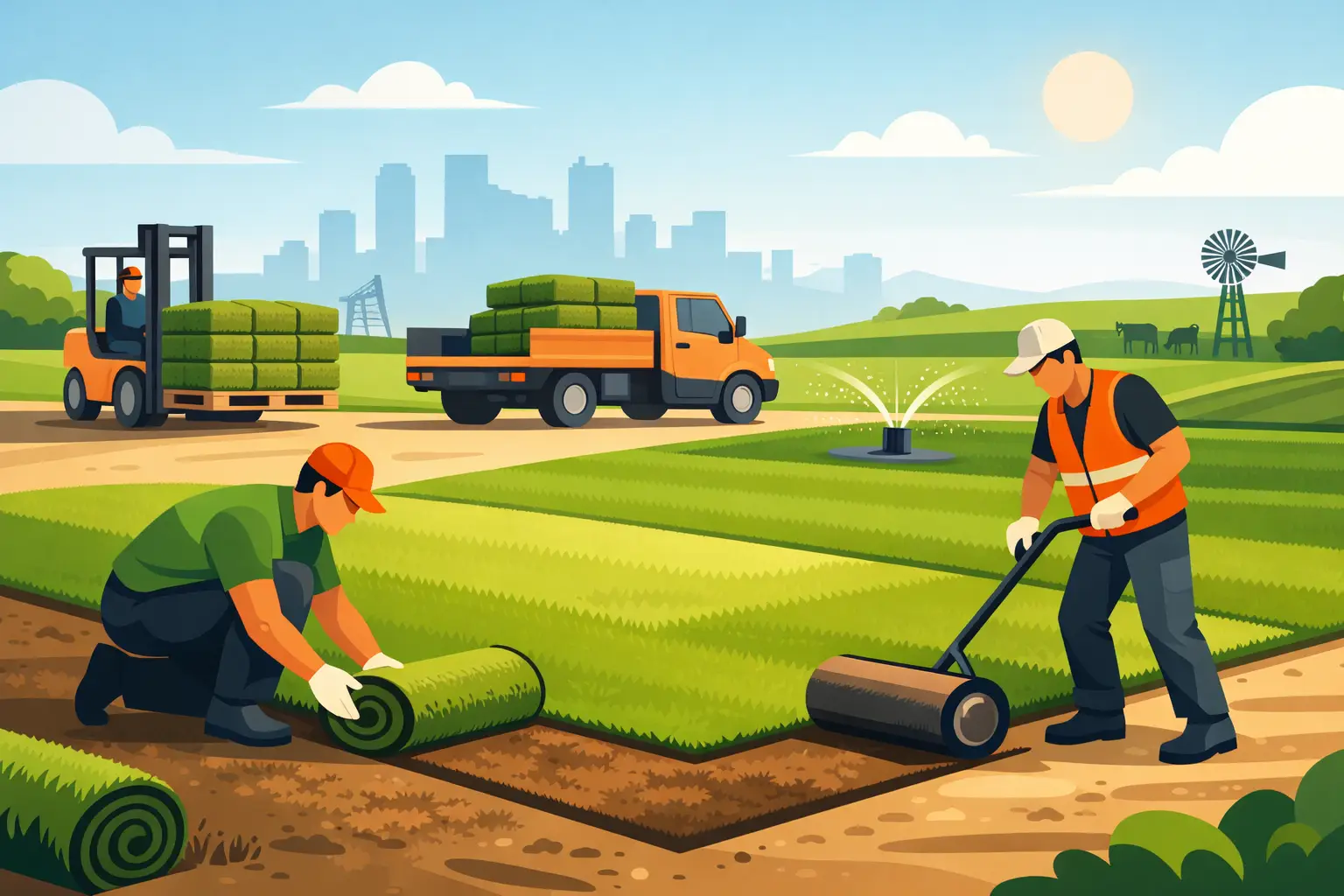
A proper installation begins with removing existing grass and excavating to create room for the base system. The crew then builds and compacts a stable aggregate base, grades the area for drainage, and shapes any desired breaks or slopes before the turf is installed. Cup locations, fringe areas, edging, and seams need careful attention so the green looks intentional from every angle.
Skipping base work may reduce the upfront price, but it can lead to low spots, soft edges, wrinkles, and water that sits on the surface. Those are expensive problems to correct after the turf is already in place. For a backyard putting green, clean preparation is not an upgrade. It is the foundation of the project.
Drainage Is a Dallas Backyard Requirement
North Texas weather can go from dry heat to a heavy downpour fast. A putting green that does not drain well can collect water around cups, shift in soft soil, or create muddy edges where the turf meets natural grass or hardscape.
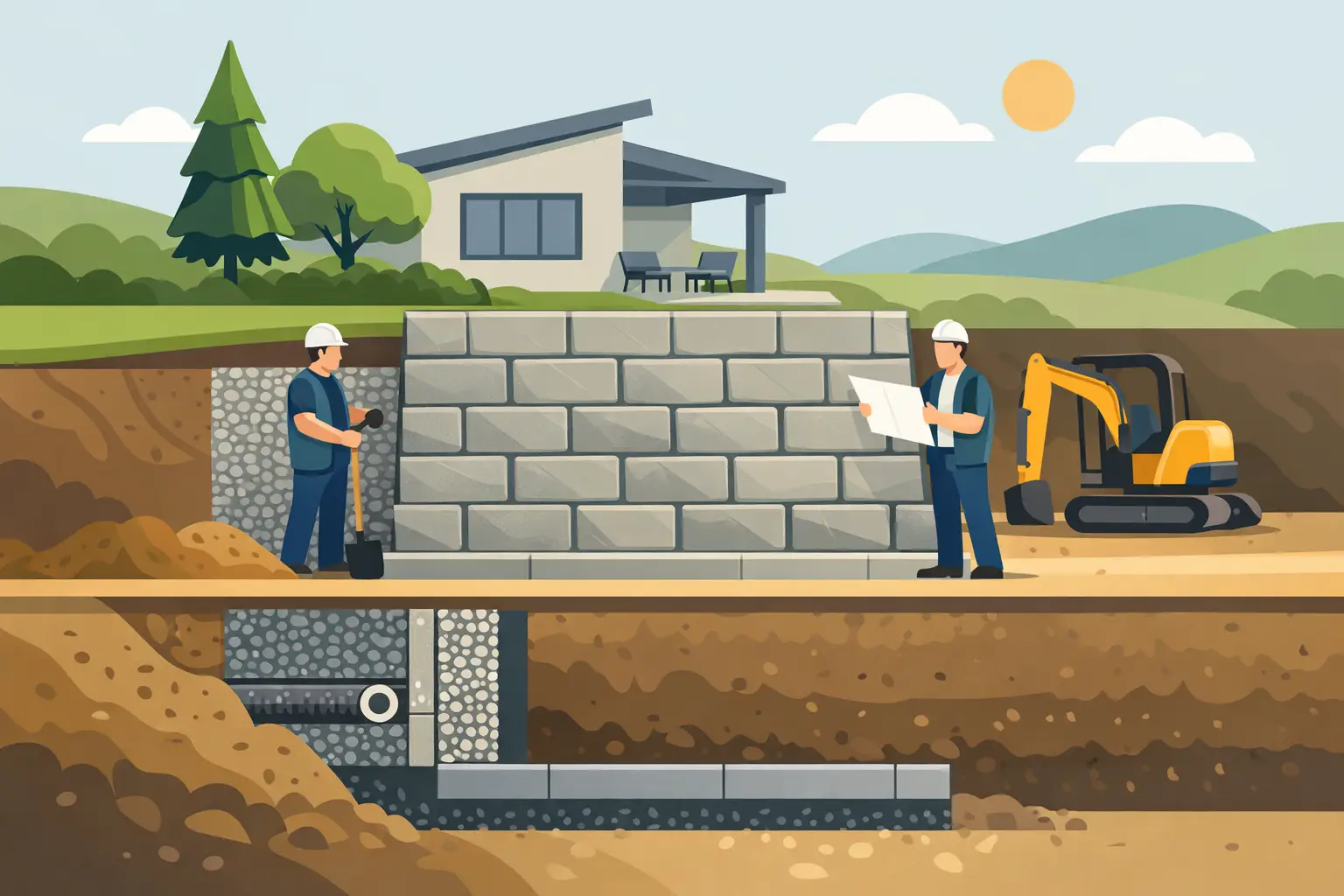
A good plan moves water away from the home and toward an appropriate drainage path. Depending on the yard, that may mean adjusting the base grade, tying into existing drainage, adding a drain, or combining the green with surrounding stone and landscape work that manages runoff. The right answer depends on your property, especially if you already deal with pooling water or a sloped backyard.
Real Benefits of Backyard Putting Green Turf
The strongest case for synthetic putting turf is convenience. You can practice for 10 minutes before work, spend an afternoon with the kids, or entertain guests without mowing, watering, fertilizing, or waiting for natural grass to recover. The green stays visually clean through the seasons and does not turn into a bare, dusty patch during drought.
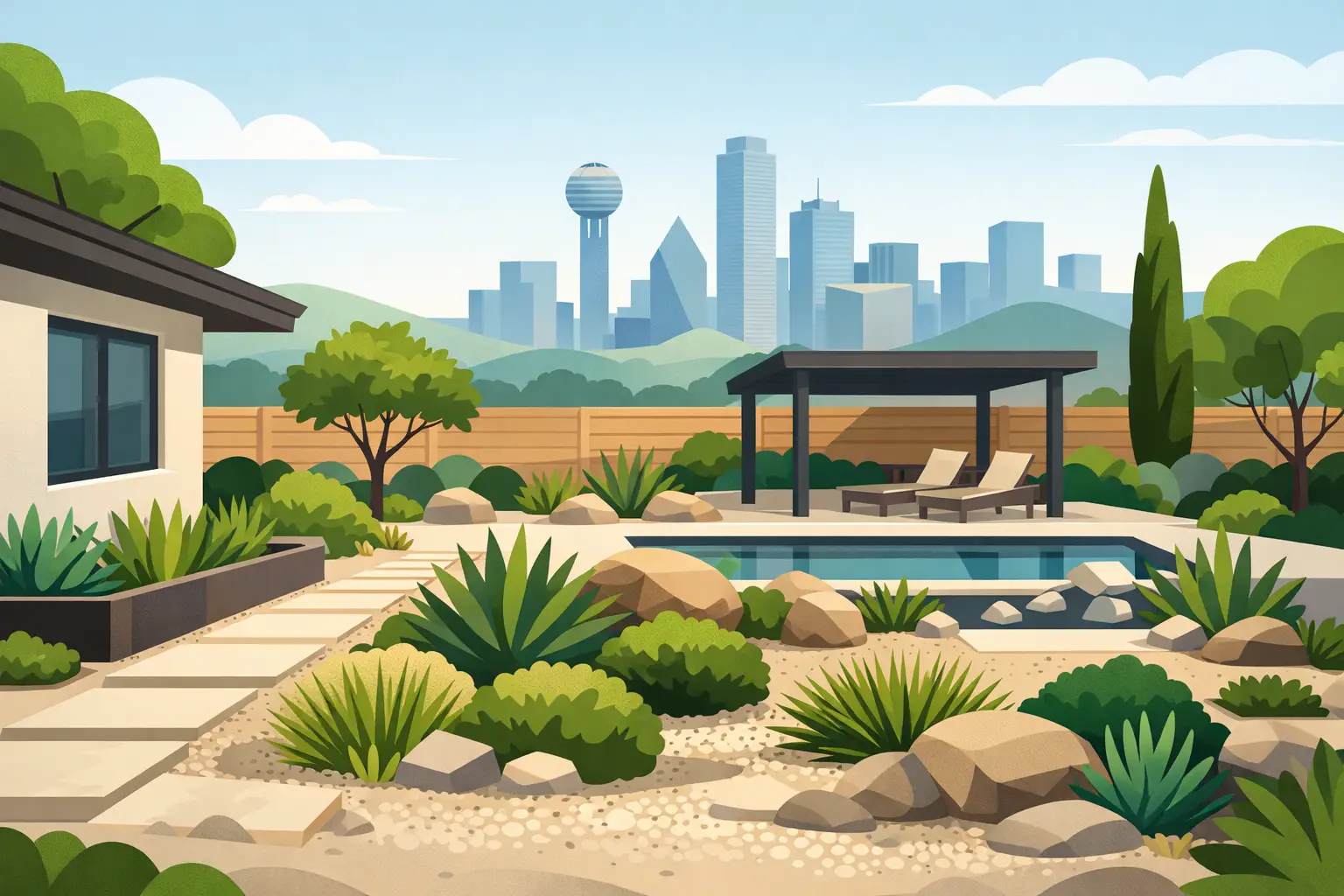
It can also improve the overall design of a backyard. A custom green works especially well near patios, pools, outdoor kitchens, and seating areas because it adds a defined activity space without demanding constant maintenance. Many homeowners add a fringe in a contrasting turf style to create a more finished golf-course look and allow for short chip shots.
For families, the green often becomes more than a golf feature. It is a durable play area that encourages people to use the yard. Unlike a natural grass practice area, it is not easily damaged by repeated putting, walking, or gathering around the cups.
The Trade-Offs to Consider Before You Buy
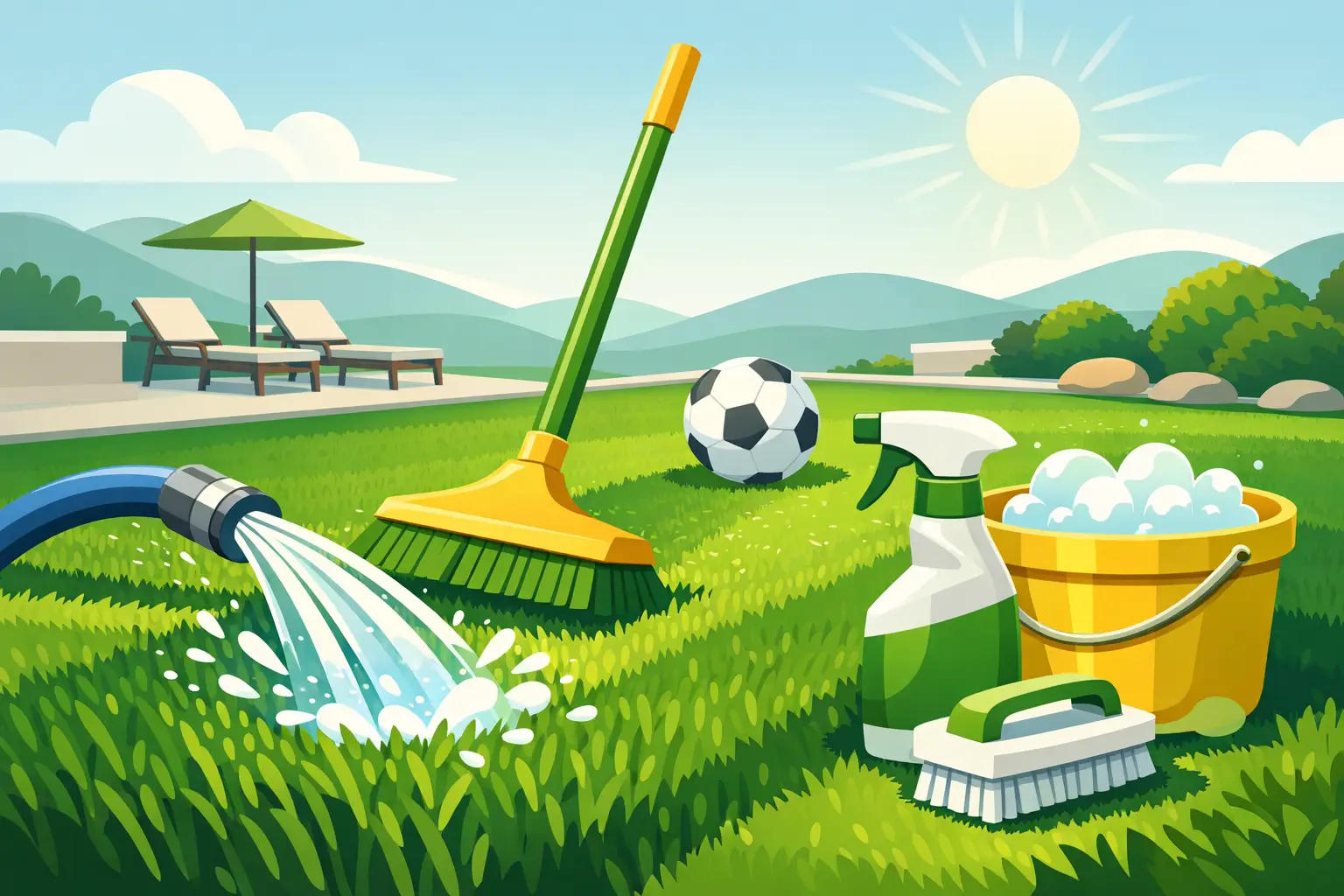
Artificial putting greens are low maintenance, not no maintenance. Leaves, dirt, and pet debris should be removed regularly. The surface may need occasional rinsing and light brushing, especially around heavily used areas. Infill may also need adjustment over time to keep the speed and roll where you want it.
Heat is another consideration. Synthetic turf can get warm in direct summer sun, particularly during the hottest part of the day. Rinsing the surface can cool it down, and thoughtful placement can help, but homeowners should expect it to feel warmer than natural grass. If the green will sit beside a pool or in an area with full afternoon exposure, discuss heat and shade during the design phase.
Price varies widely because every yard is different. A small, flat practice green with one or two cups is a simpler project than a contoured green with fringe, chipping areas, drainage improvements, boulders, flagstone, or lighting. The lowest quote is not always the better value if it excludes excavation, base compaction, finishing work, or cleanup.
How to Choose the Right Size and Design
The best green is not always the biggest one. A compact green can be highly useful when it has smart cup placement and enough room to create different putting lines. A larger area offers more opportunities for slopes, longer putts, and a chipping fringe, but it also needs to fit the scale of the yard and leave room for patios, play areas, and access paths.
Before selecting a layout, think about how you will use it. A golfer focused on short-game practice may benefit from multiple cups, subtle breaks, and a fringe that allows chipping. A homeowner who wants a polished entertaining feature may prefer a simpler shape with a clean edge and easy access from the patio. If pets and children use the yard daily, durability and open space may take priority over complex contours.
Ask to see how the proposed green handles transitions. The edge between turf, stone, mulch, or natural sod should look clean and stay secure. Also ask how cup sleeves are set, how seams are concealed, and what the crew does to protect adjacent landscaping during the work. Reliable installers explain the process clearly and leave the job site neat when the work is complete.
Is Putting Green Turf Worth It?
A custom putting green is worth it when you want a permanent backyard feature that combines recreation, curb appeal, and low upkeep. It is especially appealing for homeowners who already struggle with patchy grass, high water use, muddy practice areas, or a backyard that feels unfinished.
It may not be the right choice if you want a large area for full-swing practice or expect the surface to match every condition of a natural course. A backyard green is designed for putting and short-game enjoyment, not as a replacement for a driving range. Being clear about that expectation helps you choose the right size, turf speed, and layout.
At Sod Green, the goal is to build a putting surface that looks right in the yard and performs right under the ball. A site visit should focus on your available space, drainage, practice habits, and surrounding landscape instead of forcing a one-size-fits-all design.
The best next step is to walk into your backyard and picture the green in daily use. If it gives you a cleaner space to practice, gather, and enjoy without another weekend of lawn work, a properly installed turf green can earn its place quickly.



Leave A Comment