
If you’re planning a new patio, the flagstone patio vs pavers decision usually comes down to one simple question: do you want a more natural look, or a more controlled and predictable finish? Both can look great. Both can last for years. But they perform differently, cost differently, and fit different kinds of backyards.
For Dallas-area homeowners, that choice matters even more. Our heat, shifting soil, sudden downpours, and strong sun can expose weak installation fast. A patio should not just look good on day one. It should hold up, drain well, and stay functional without turning into a maintenance project every season.
Flagstone patio vs pavers: The main difference
Flagstone is natural stone cut into large, irregular pieces. It gives a patio an organic, custom appearance that feels high-end and relaxed at the same time. No two pieces are exactly alike, which is part of the appeal.
Pavers are manufactured units made in consistent shapes and sizes, usually concrete or brick. They create a cleaner, more uniform look and offer more control over pattern, spacing, and finished layout. If you like symmetry and defined edges, pavers usually make that easier.
Neither option is automatically better. The right fit depends on the style of your home, how you use the space, and how much flexibility you want in your design and budget.
How each patio material looks in a finished yard
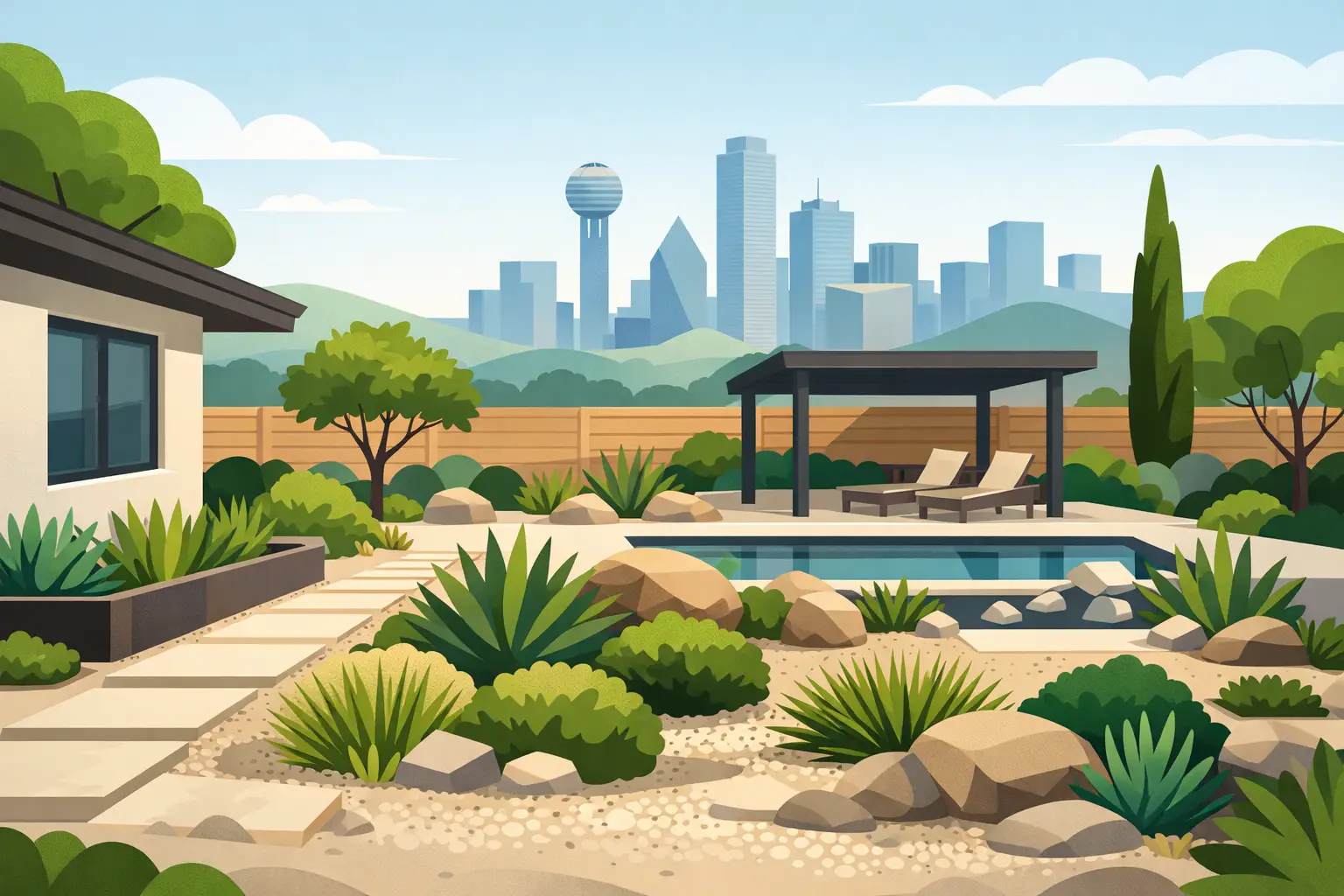
Flagstone tends to work especially well in backyards that lean natural, rustic, or upscale. It pairs nicely with gardens, artificial turf, native landscaping, and pool areas where you want texture and variation. Because the stone pieces are irregular, the patio feels more custom and less manufactured.
Pavers fit homes that need a cleaner, more structured outdoor space. They work well with modern homes, traditional brick exteriors, outdoor kitchens, straight walkways, and entertainment areas where a crisp layout matters. You also get a wider range of colors, shapes, and patterns, so it is easier to match an existing design.
For many homeowners, this is the first real deciding factor. If you already know you want a natural stone feel, flagstone is hard to beat. If you want a polished and consistent surface, pavers usually win.
Cost differences homeowners should expect
In a straight flagstone patio vs pavers cost comparison, pavers are often the more budget-friendly option, especially for larger patios. Material pricing is usually more predictable, and the uniform shape can make installation more efficient.
Flagstone often costs more because the material itself is premium and the installation takes more labor. Each stone has to be selected, placed, and adjusted to create a stable finished surface. That custom work adds time and skill.
Still, cost is not always as simple as one being cheap and the other expensive. Some premium paver lines can climb quickly in price. Some flagstone layouts can be designed efficiently. The real number depends on square footage, site access, grading needs, edge restraints, drainage work, and whether the patio connects to other hardscape features.
The best approach is to compare total installed value, not just material cost. A patio that looks right, drains properly, and lasts is a better investment than a lower number on paper that leads to repairs later.
Durability in Texas heat and shifting soil
Dallas weather is not gentle on outdoor surfaces. Hot summers, clay-heavy soils, and periods of heavy rain can all affect patio performance.
Pavers handle movement well because they are installed as an interlocking system. If one area settles or shifts, individual pavers can often be lifted, adjusted, and reset without replacing the whole patio. That makes pavers a practical choice where ground movement is a concern.
Flagstone is durable too, but performance depends heavily on the base preparation and the installation method. A properly installed flagstone patio can last a very long time and hold up beautifully. A rushed job with poor support underneath can lead to rocking stones, uneven edges, and drainage problems.
This is where workmanship matters. The base, compaction, slope, and joint details all matter just as much as the surface material. In many cases, homeowners are not comparing stone versus paver so much as they are comparing one installation system against another.
Maintenance and long-term upkeep
If low maintenance is a top priority, pavers usually have the edge. They are easier to clean, easier to repair in sections, and easier to keep looking uniform over time. Joint sand may need refreshing, and weeds can show up if the patio is neglected, but routine upkeep is straightforward.
Flagstone can also be low maintenance, but it depends on the spacing and joint material. If you choose wider joints with gravel, decomposed granite, or planted ground cover, you may have more regular cleanup to handle. Natural stone can also show dirt differently depending on color and texture.
Sealing is another factor. Some homeowners like the enhanced look of sealed flagstone or pavers, while others prefer the natural finish. Sealing can help with stain resistance, especially around grills, outdoor dining spaces, and pool decks, but it is still a maintenance item to plan for.
Comfort, safety, and everyday use
A patio should work for real life, not just photos. If you have kids, pets, guests, or frequent backyard traffic, surface comfort matters.
Flagstone has natural texture, which can help with traction. That can be useful around pools or shaded areas where surfaces may get slick. At the same time, an irregular stone layout can create more variation underfoot. If the installation is not precise, it may feel less even for patio furniture or foot traffic.
Pavers create a flatter, more consistent walking surface. They are usually easier for dining sets, lounge furniture, and everyday entertaining. If you want a patio that feels structured and predictable under furniture, pavers are often the safer choice.
Heat retention can vary with both materials depending on color. Lighter tones generally stay more comfortable in direct sun than darker finishes.
Which option is better for pools, turf, and full backyard design?
This is where the bigger project plan matters. A patio is rarely the only upgrade going into the yard.
Flagstone often looks excellent next to synthetic turf, garden beds, and freeform pool designs. It helps create a softer transition between hardscape and landscape. If the goal is a backyard that feels custom and natural without looking overly formal, flagstone usually blends well.
Pavers work especially well when the yard includes straight lines, retaining walls, outdoor kitchens, fire pit areas, or modern drainage layouts. They also make it easier to create matching walkways and connected entertaining zones with a uniform finish.
For homeowners building a full outdoor living space, the best material is often the one that ties everything together. If your patio will connect to turf, drainage improvements, a seating wall, or a new walkway, it helps to choose a surface that supports the full design instead of standing alone.
When flagstone makes more sense
Flagstone is usually the stronger choice when appearance leads the decision and you want something with a natural, one-of-a-kind look. It is also a solid fit when your home and landscape already have stone elements and you want the patio to feel custom rather than modular.
It tends to appeal to homeowners who care about character and are willing to invest more for that finish. When installed correctly, it brings a premium feel that is hard to fake.
When pavers make more sense
Pavers are often the better choice when you want design flexibility, easier repairs, and a more controlled budget. They are practical, durable, and well suited for heavy-use backyards where furniture, foot traffic, and regular entertaining are part of the plan.
They also make sense when you want a fast, clean installation with fewer surprises in layout and material consistency. For many busy homeowners, that reliability is a big selling point.
The right answer depends on the installer too
A great material can still fail with poor prep. A well-built patio starts below the surface, with proper grading, compacted base layers, drainage planning, and clean finishing work. That is true whether you choose natural flagstone or manufactured pavers.
If you’re already investing in your backyard, it pays to work with a contractor who understands how patios connect to the rest of the landscape. Drainage, surrounding turf, edging, and elevation all affect how the final project looks and performs. Companies like Sod Green handle these upgrades with that bigger picture in mind, which helps homeowners avoid piecemeal work and mismatched results.
If you’re stuck between the two, think less about which material is more popular and more about how you want the space to live. The best patio is the one that fits your yard, your home, and the way you actually use your backyard.

Leave A Comment